
How do you keep your eyes and vision healthy?


Good eyes health starts with the food on your plate. Nutrients like omega-3 fatty acids, lutein, zinc, and vitamins C and E might help ward off age-related vision problems like macular degeneration and waterfalls.
If you feel you are having some problems with your eyes. Then, you should follow the given steps
1.CHECK YOUR SYMPTOMS
2.FIND A DOCTOR
3.CONNECT TO CARE
4.FIND LOWEST DRUG PRICES
5.HEALTH A-Z
6.DRUGS & SUPPLEMENTS
7.LIVING HEALTHY
8.FAMILY & PREGNANCY
9.NEWS & EXPERTS
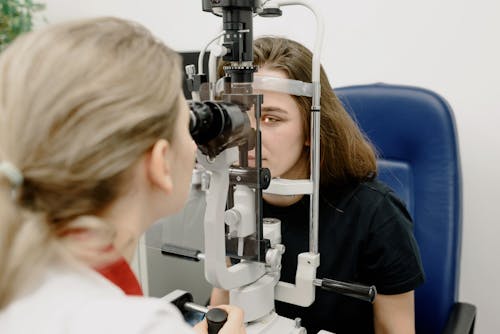
How to Keep Your Eyes Healthy?
Reviewed by Whitney Seltman on May 29, 2020, Don’t take your eyes for granted. Take these easy steps to keep your peepers healthy.
1. Eat Well
Good eye health starts with the food on your plate. Nutrients like omega-3 fatty acids, lutein, zinc, and vitamins C and E might help ward off age-related vision obstacles like macular degeneration and waterfalls.
To get them, fill your plate with:
- Green leafy vegetables like spinach, kale, and collards
- Salmon, tuna, and other oily fish
- Eggs, nuts, beans, and other nonmeat protein sources
- Oranges and other citrus fruits or juices
- Oysters and pork
A well-balanced diet also helps you stay at a healthy weight. That lowers your odds of obesity and related diseases like type 2 diabetes, which is the leading cause of blindness in adults.
2. Quit Smoking
It makes you more likely to get cataracts, damage to your optic nerve, and macular degeneration, among many other medical problems. If you’ve tried to kick the habit before only to start again, keep at it. The more times you try to quit, the more likely you are to succeed. Ask your doctor for help.

3. Wear Sunglasses
The right pair of shades will help protect your eyes from the sun’s ultraviolet (UV) rays. Too much UV exposure boosts your chances of cataracts and macular degeneration.
Choose a pair that blocks 99% to 100% of UVA and UVB rays. Wraparound lenses help protect your eyes from the side. Polarized lenses reduce glare while you drive but don’t necessarily offer added protection. You wear contact lenses; some offer UV protection. It’s still a good idea to wear sunglasses for an extra layer.
4.Use Safety Eyewear
If you use dangerous or airborne materials on the job or at home, wear safety glasses or protecting goggles.
Sports like ice hockey, racquetball, and lacrosse can also lead to an eye injury. Wear eye protection. Helmets with protecting face masks or sports goggles with polycarbonate lenses will shield your eyes.
Ensure your glasses or contact’s direction is up to date and suitable for looking at a computer screen. If your eye strain doesn’t go away, talk to your doctor about computer glasses.
Move the screen, so your eyes are level with the top of the monitor. That lets you look slightly down at the screen. Try to avoid light from windows and lights. Use an anti-glare screen if needed. Choose a comfortable, supportive chair. Position it so that your feet are flat on the floor.
If your eyes are dry, blink more or try using artificial tears.
Rest your eyes every 20 minutes. Look 20 feet away for 20 seconds. Get up at least every 2 hours and take a 15-minute break.
You may be interested
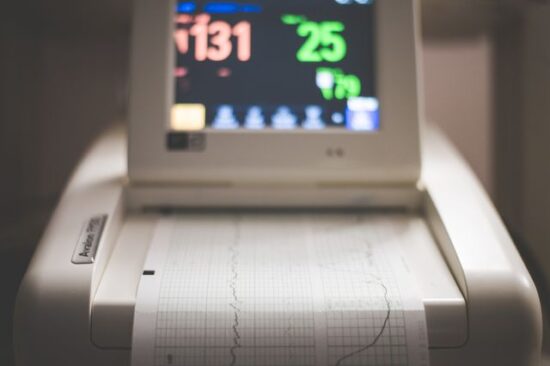
Health Data Blind Spot: Medical AI Cannot Learn From Missing Biological Measurements
Anshika Jain - October 26, 2026Artificial intelligence is increasingly being used to analyse medical images, interpret clinical records, estimate disease risks, and support healthcare decisions. These systems can identify patterns across large…
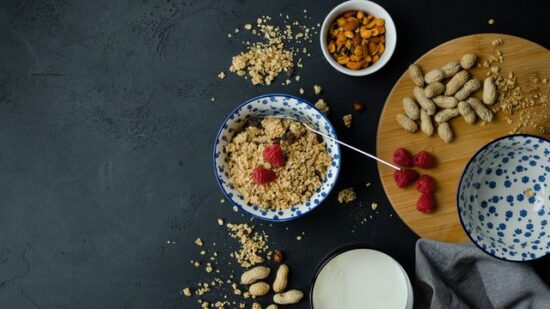
Nutrient Timing Paradox: Sequence of Eating Matter Independently of the Meal Itself
Anshika Jain - October 26, 2026Nutrition research has traditionally focused on what people eat, how much they consume, and how different foods affect health over time. Calories, protein, carbohydrates, fats, dietary fibre,…
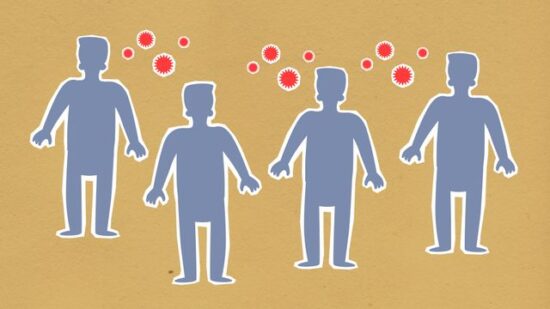
Biological Bottleneck Theory: When One Weak Link Limits an Entire Health System
Anshika Jain - October 26, 2026The human body operates as an interconnected network of biological systems rather than a collection of independent organs. The brain coordinates movement and cognition, the cardiovascular system…
Most from this category


Personal Baseline Paradox: Why a Change Within One Person May Matter More Than a Population Average
Anshika Jain - October 26, 2026

Uncertainty-Aware Health Model: AI Should Know When Not to Predict
Anshika Jain - October 26, 2026Personal Baseline Paradox: Why a Change Within One Person May Matter More Than a Population Average
Anshika Jain - October 26, 2026


Treatment Response Map: AI Discover the Same Intervention
October 26, 2026
.png)
Leave a Comment
You must be logged in to post a comment.