
How To Perform a Beginner Workout at Home


You don’t have to do awesome or hard workouts to drop weight or grow your strength and fitness. Beginner methods can give specific results from the warmth of your home, and most easy activities for beginners don’t require costly material. So there’s no cause not to get started.
If you’re ready to drop weight, boost your spirit, and improve your energy level, begin with any specific easy exercises. Within a few days, you should start to notice changes in your health level. Use these tips to examine yourself and build on your outcomes over time.
Before You Start
Before you start serving out at home, it’s necessary to follow a few careful steps. First, regularly consult your healthcare provider before raising this or any other workout plan.
If you have a wellness condition, such as damage, a history of heart attack, or above blood pressure, you should consult exercise changes to stay safe while your work out.
Obtain the help of friends or relatives to support you in your mission to more excellent health. In addition, telling others about your new fitness plan can help you to stay responsible.
Lastly, it’s essential to set a goal for your new home workout plan. Write out your best goal. Place it in a position where you will see it regularly. Thus this will work as a regular note of your duty.
Workout Period
When you are just gaining started, fixing a realistic time goal for exercise is vital. You don’t need to sweat for more time every day to achieve fitness goods. Instead, just a few minutes each day can earn a real variety in how you view and think.
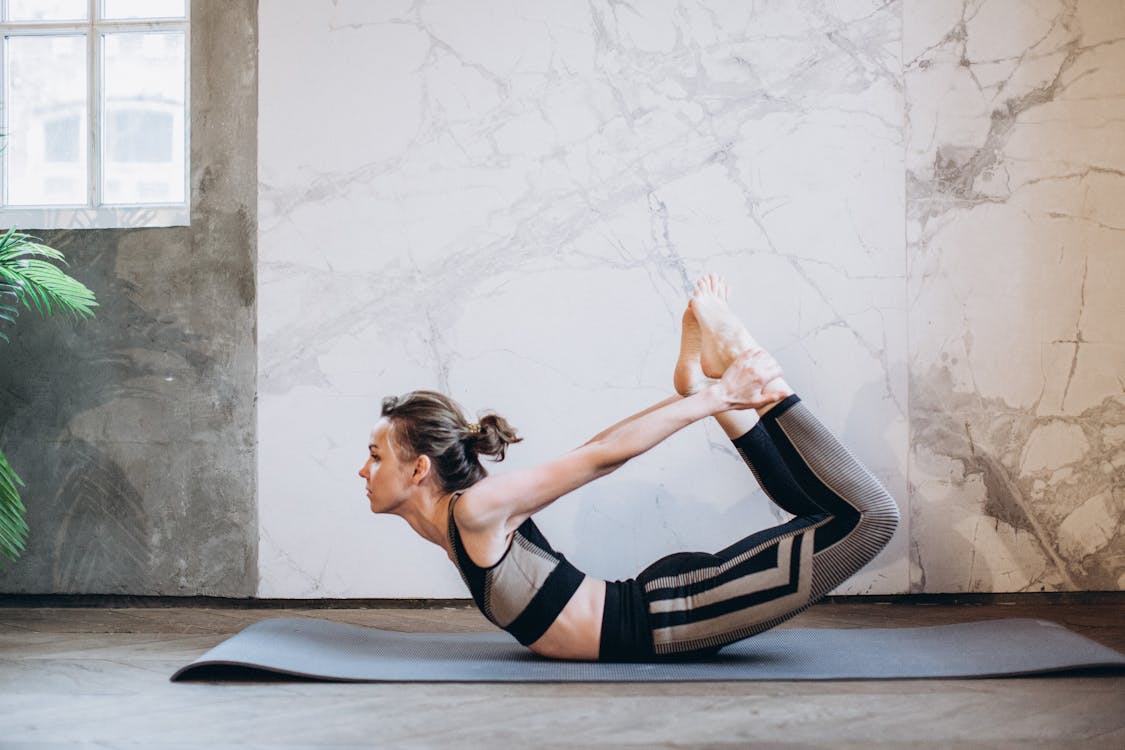
Basic Beginner Home Workout
Walking is one of the safest manners of exercise for beginners. However, getting enough time on with the right place to go for a walk doesn’t always pan out. What if the climate isn’t supporting? Or, what if you need to be home at a particular time? Luckily, easy, daily actions can turn into work in no time.
Chest worth highlights three everyday actions that flash energy, build muscular power, develop balance, and improve your flexibility. First, try making various copies within a short period. Then, for a quick five-minute exercise, repeat these different activities many times.
Getting in and out of a seat. The pure act of lying down in a chair and standing up claims you to stretch your tummy and support your hips. Getting up and out of a chair can be an extensive beginner exercise to do at home. This movement lifts a squat; an essential bodyweight exercise is often seen in more seasoned gym exercises.
Walking up and below the stairs. Stairs can immediately transform into a home exercise challenge. Going up the stairs grows energy in your upper and lower parts. However, it’s more an excellent workout for your glutes.
Your heart rate rises when doing stairs, creating you to breathe heavier as you climb. Going up the stairs can be tricky, but walking down the stairs needs insight and knee balance. Use the handrail as required, especially when you are starting.
Getting up and fur from the floor. Do you have a yoga cover or a field of the soft carpet where you can sit down on the ground? The simple act of resting down on the floor and then rising again need full-body strength, friendliness, and coordination.
You may be interested
Health Data Blind Spot: Medical AI Cannot Learn From Missing Biological Measurements
Anshika Jain - October 26, 2026Artificial intelligence is increasingly being used to analyse medical images, interpret clinical records, estimate disease risks, and support healthcare decisions. These systems can identify patterns across large…

Nutrient Timing Paradox: Sequence of Eating Matter Independently of the Meal Itself
Anshika Jain - October 26, 2026Nutrition research has traditionally focused on what people eat, how much they consume, and how different foods affect health over time. Calories, protein, carbohydrates, fats, dietary fibre,…
Biological Bottleneck Theory: When One Weak Link Limits an Entire Health System
Anshika Jain - October 26, 2026The human body operates as an interconnected network of biological systems rather than a collection of independent organs. The brain coordinates movement and cognition, the cardiovascular system…
Most from this category

Personal Baseline Paradox: Why a Change Within One Person May Matter More Than a Population Average
Anshika Jain - October 26, 2026

Uncertainty-Aware Health Model: AI Should Know When Not to Predict
Anshika Jain - October 26, 2026Personal Baseline Paradox: Why a Change Within One Person May Matter More Than a Population Average
Anshika Jain - October 26, 2026


Treatment Response Map: AI Discover the Same Intervention
October 26, 2026
.png)
Leave a Comment
You must be logged in to post a comment.