
News
Geroscience: Why Scientists Are Studying Aging as a Modifiable Biological Process
Aging has traditionally been regarded as an unavoidable biological process that gradually reduces the body's ability to function and…

Regenerative Medicine and Aging: Can Tissue Repair Become a Longevity Strategy?
Aging has traditionally been understood as an unavoidable biological process characterized by the gradual decline of cellular and organ…

Synthetic Biology and Healthcare: Designing Biological Systems for Medical Applications
Modern medicine has traditionally worked with biology as it exists. Scientists study naturally occurring cells, proteins, genes, microorganisms, and…

Cell-Based Therapies: Moving From Conventional Drugs Toward Living Therapeutics
Cell-based therapies introduce a fundamentally different concept. Instead of delivering only a chemical compound or biological molecule, these therapies…

Lab-Grown Tissues: How Biotechnology Is Redefining the Boundaries of Medical Research
Modern medicine has made extraordinary progress in diagnosing and treating disease, but one fundamental problem remains difficult: how to…

Polygenic Risk Scores: Can Thousands of Genetic Variants Improve Disease-Risk Assessment?
For decades, medicine has tried to answer a deceptively difficult question: how likely is an individual to develop a…
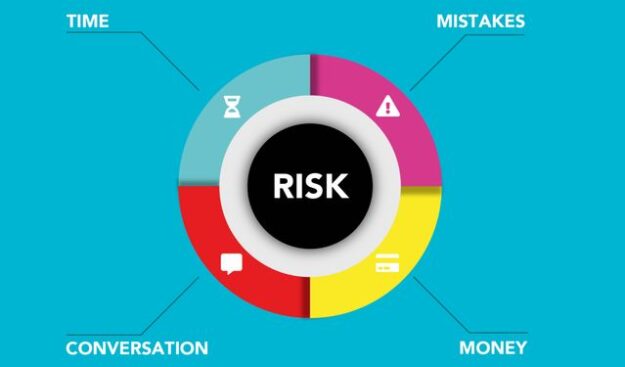
Genomic Revolution in Healthcare: From Genetic Risk Scores to Personalized Medicine
Healthcare is entering an era in which the genetic information carried by an individual can increasingly become part of…
Latest News
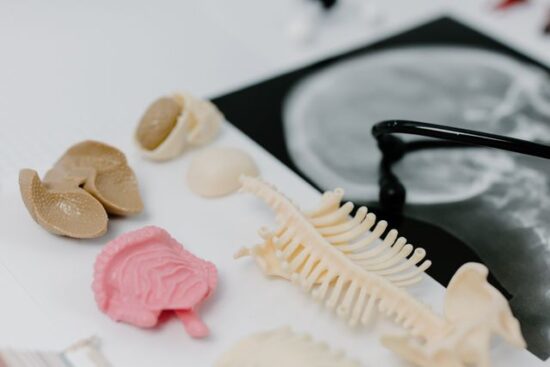
Autophagy and Cellular Maintenance: Understanding the Body’s Internal Recycling System
The human body is constantly engaged in a process of construction, maintenance and renewal. Every cell contains thousands of molecular components that must be produced, transported, repaired…

Geroscience: Why Scientists Are Studying Aging as a Modifiable Biological Process
Aging has traditionally been regarded as an unavoidable biological process that gradually reduces the body's ability to function and recover. As people grow older, the risk of…
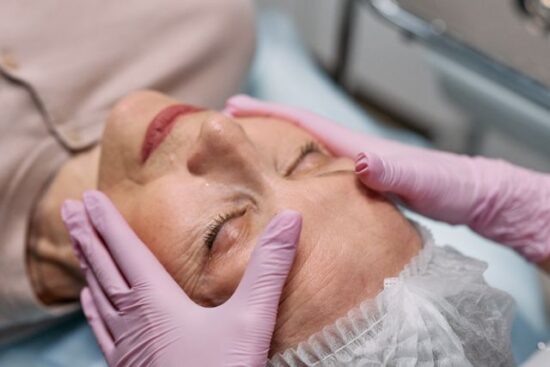
Regenerative Medicine and Aging: Can Tissue Repair Become a Longevity Strategy?
Aging has traditionally been understood as an unavoidable biological process characterized by the gradual decline of cellular and organ function. As the body becomes older, tissues lose…

Synthetic Biology and Healthcare: Designing Biological Systems for Medical Applications
Modern medicine has traditionally worked with biology as it exists. Scientists study naturally occurring cells, proteins, genes, microorganisms, and biological pathways to understand disease and develop treatments.…
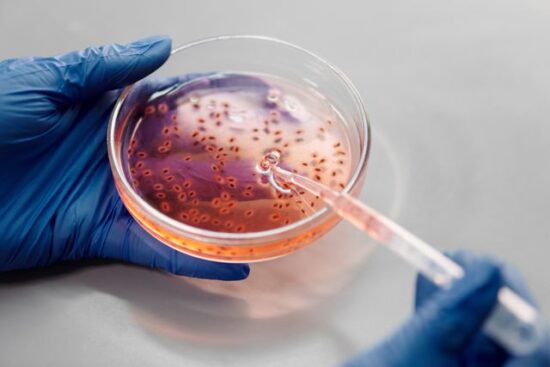
Cell-Based Therapies: Moving From Conventional Drugs Toward Living Therapeutics
Cell-based therapies introduce a fundamentally different concept. Instead of delivering only a chemical compound or biological molecule, these therapies use living cells as the therapeutic agent. The…

Lab-Grown Tissues: How Biotechnology Is Redefining the Boundaries of Medical Research
Modern medicine has made extraordinary progress in diagnosing and treating disease, but one fundamental problem remains difficult: how to replace or repair human tissue that has been…
Polygenic Risk Scores: Can Thousands of Genetic Variants Improve Disease-Risk Assessment?
For decades, medicine has tried to answer a deceptively difficult question: how likely is an individual to develop a particular disease? Traditional risk assessment usually combines factors…
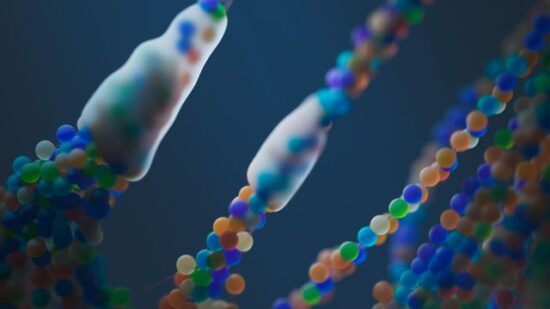
Genomic Revolution in Healthcare: From Genetic Risk Scores to Personalized Medicine
Healthcare is entering an era in which the genetic information carried by an individual can increasingly become part of routine medical decision-making. For much of modern medicine,…
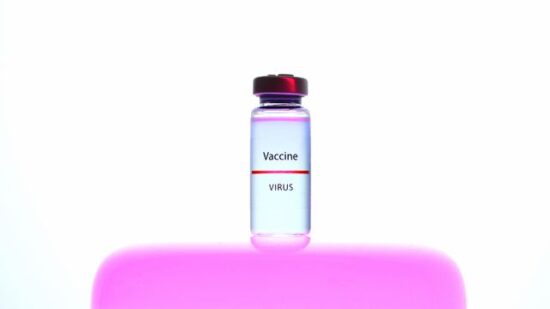
Trained Immunity: Can the Innate Immune System Develop a Form of Biological Memory?
For decades, immunological memory was considered one of the defining characteristics of the adaptive immune system. After encountering a pathogen, B cells and T cells can undergo…
The Virome Within Us: Exploring the Viruses That Naturally Reside in the Human Body
When people hear the word “virus,” they usually think about infection, disease, fever, respiratory illness, or outbreaks. Modern microbiology, however, is revealing a much more complicated relationship…
Autophagy and Cellular Maintenance: Understanding the Body’s Internal Recycling System
Anshika Jain - October 8, 2026The human body is constantly engaged in a process of construction, maintenance and renewal. Every cell contains thousands of molecular components that must be produced, transported, repaired…
Geroscience: Why Scientists Are Studying Aging as a Modifiable Biological Process
Anshika Jain - October 8, 2026Aging has traditionally been regarded as an unavoidable biological process that gradually reduces the body's ability to function and recover. As people grow older, the risk of…
Regenerative Medicine and Aging: Can Tissue Repair Become a Longevity Strategy?
Anshika Jain - October 8, 2026Aging has traditionally been understood as an unavoidable biological process characterized by the gradual decline of cellular and organ function. As the body becomes older, tissues lose…
Synthetic Biology and Healthcare: Designing Biological Systems for Medical Applications
Anshika Jain - October 8, 2026Modern medicine has traditionally worked with biology as it exists. Scientists study naturally occurring cells, proteins, genes, microorganisms, and biological pathways to understand disease and develop treatments.…
Cell-Based Therapies: Moving From Conventional Drugs Toward Living Therapeutics
Anshika Jain - October 8, 2026Cell-based therapies introduce a fundamentally different concept. Instead of delivering only a chemical compound or biological molecule, these therapies use living cells as the therapeutic agent. The…
Lab-Grown Tissues: How Biotechnology Is Redefining the Boundaries of Medical Research
Anshika Jain - October 8, 2026Modern medicine has made extraordinary progress in diagnosing and treating disease, but one fundamental problem remains difficult: how to replace or repair human tissue that has been…
Polygenic Risk Scores: Can Thousands of Genetic Variants Improve Disease-Risk Assessment?
Anshika Jain - October 6, 2026For decades, medicine has tried to answer a deceptively difficult question: how likely is an individual to develop a particular disease? Traditional risk assessment usually combines factors…
Genomic Revolution in Healthcare: From Genetic Risk Scores to Personalized Medicine
Anshika Jain - October 6, 2026Healthcare is entering an era in which the genetic information carried by an individual can increasingly become part of routine medical decision-making. For much of modern medicine,…
Trained Immunity: Can the Innate Immune System Develop a Form of Biological Memory?
Anshika Jain - October 6, 2026For decades, immunological memory was considered one of the defining characteristics of the adaptive immune system. After encountering a pathogen, B cells and T cells can undergo…
The Virome Within Us: Exploring the Viruses That Naturally Reside in the Human Body
Anshika Jain - October 6, 2026When people hear the word “virus,” they usually think about infection, disease, fever, respiratory illness, or outbreaks. Modern microbiology, however, is revealing a much more complicated relationship…
Latest News
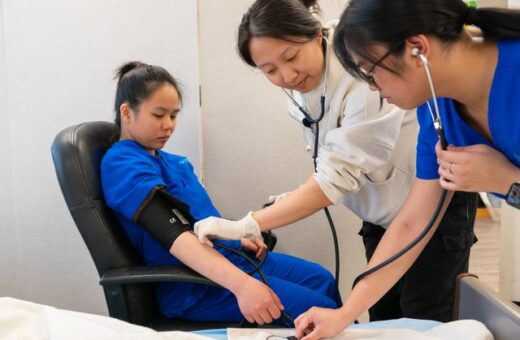
Federated Learning in Healthcare: Training Medical AI Without Centralizing Sensitive Patient Data
Anshika Jain - October 5, 2026
.png)