
Some Mental Health Benefits of Exercise

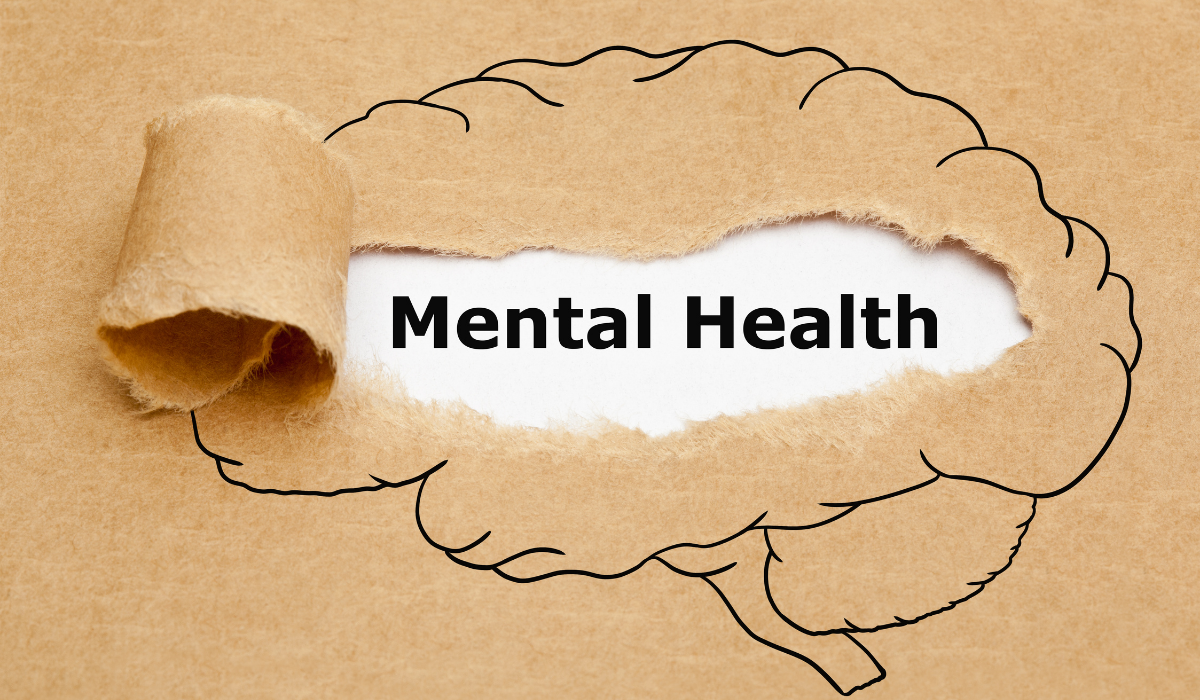
You previously know that exercise is excellent for your body. But did you know it can also raise your mood, enhance your sleep, and help you deal with worry, fear, tension, and more? In this article, you will find some mental health benefits of exercise.
What are the mental health benefits of exercise?
Exercise is not just about the aerobic range and muscle volume. Sure, practice can develop your physical health and power, provide your waistline, raise your sex life, and even add years to your lifetime. But that’s not what causes most people to stay alive.
People who exercise routinely manage to do so because it gives them a tremendous sense of well-being. They feel more active during the day, sleep better at night, have sharper thoughts, and feel more carefree and cheerful about themselves and their beings. And it’s also great medicine for many general mental health tests.

Regular exercise can have a very positive contact on sadness, fear, and ADHD. It also reduces stress, increases memory, helps you sleep better, and raises your overall mood. And you don’t have to be a health devotee to receive the benefits. Research shows that average amounts of exercise can make a genuine difference. No focus on your age or health level. You can also learn to use exercise as a great device to trade with mental health obstacles, develop your energy and vision, and get more out of life.
Exercise and depression
Researches show that exercise can treat fine to medium depression as completely as antidepressant medication. But without the side results of the route. As one example, a new study done by the Harvard T.H. Chan School of Public Health found that moving for 15 minutes a day or walking for an hour reduces the risk of significant crisis by 26%. In addition to relieving depression signs, the study also shows that keeping an exercise plan can restrict you from falling.
Exercise is a mighty depression interceptor for several reasons. Most importantly, it supports all sets of variations in the brain, including neural growth and new activity models that increase feelings of calm and health. It also delivers endorphins, intense chemicals in your brain that strengthen your senses and make you feel good. Finally, exercise can also serve as a disturbance, letting you find some calm time to break out of the cycle of opposing ideas that support depression.
Exercise and anxiety
Exercise is a simple and powerful anti-anxiety medicine. It reduces tension and stress, increases physical and mental energy, and improves well-being through the discharge of endorphins. Anything that gets you moving can improve, but you’ll get a more significant profit if you pay notice instead of zoning out.

Try to notice the response of your feet tapping the ground. For example, or the beat of your breathing or the warmth of the wind on your skin. By replying to this mindfulness factor—focusing on your body and how it feels as you exercise. You’ll not only develop your physical fitness faster, but you may also be able to prevent the flow of endless worries moving into your head.
Exercise and stress
You have ever seen how your body responds when you’re under stress? Your tissues may be tight, notably in your face, neck, and shoulders, giving you back or neck pain or painful troubles. You may feel a tightness in your heart, a pounding pulse, or tissue cramps. You may also encounter problems such as restlessness, heartburn, stomachache, diarrhoea, or constant urination.
The concern and trouble of all these physical symptoms can, in turn, begin to also more stress, producing a vicious cycle between your mind and body.
Exercising is an efficient way to break this cycle. As well as delivering endorphins in the brain, physical exercise helps to ease the muscles and release tension in the body. Since the body and mind are so firmly linked, when your body knows better, so, too, will your brain.
Even if you’re not aching from a mental health difficulty, regular physical exercise can still give a nice boost to your mood, vision, mental well-being and has a lot of mental health benefits.
You may be interested

Health Data Blind Spot: Medical AI Cannot Learn From Missing Biological Measurements
Anshika Jain - October 26, 2026Artificial intelligence is increasingly being used to analyse medical images, interpret clinical records, estimate disease risks, and support healthcare decisions. These systems can identify patterns across large…

Nutrient Timing Paradox: Sequence of Eating Matter Independently of the Meal Itself
Anshika Jain - October 26, 2026Nutrition research has traditionally focused on what people eat, how much they consume, and how different foods affect health over time. Calories, protein, carbohydrates, fats, dietary fibre,…
Biological Bottleneck Theory: When One Weak Link Limits an Entire Health System
Anshika Jain - October 26, 2026The human body operates as an interconnected network of biological systems rather than a collection of independent organs. The brain coordinates movement and cognition, the cardiovascular system…
Most from this category



Personal Baseline Paradox: Why a Change Within One Person May Matter More Than a Population Average
Anshika Jain - October 26, 2026

Uncertainty-Aware Health Model: AI Should Know When Not to Predict
Anshika Jain - October 26, 2026Personal Baseline Paradox: Why a Change Within One Person May Matter More Than a Population Average
Anshika Jain - October 26, 2026



Treatment Response Map: AI Discover the Same Intervention
October 26, 2026
.png)
Leave a Comment
You must be logged in to post a comment.