
Aloe vera history and benefits .


Its story 🌱
- The name Aloe vera derives from the Arabic word “Alloeh” meaning “shining bitter substance,” while “vera” in Latin means “true.”
- Appears in Chinese and Sumerian writings around 3000 B.C.
- In the time of the pharaohs the Egyptians idealised aloe vera and called it “the plant of immortality”.
- It can be found written on papyrus describing the anti-inflammatory and pain relieving effects.
- Was named by the pharaoh as the “elixir of eternal life”.
- It is also said that Cleopatra used aloe vera on a daily basis.
- And ,Christopher Columbus, who always tried to carry aloe on his journeys, was attributed the following sentence “All is well: we have aloe on board.”

Let’s get into the science
- The leaf is composed of 3 layers,
- As observed, Aloe vera contains 75 constituents that are potentially active ,enzymes, minerals, sugars, lignin, saponins,vitamins,salicylic acids and amino acids,hormones.

- Minerals: It provides calcium, chromium, copper, selenium, magnesium, manganese, potassium, sodium and zinc.
- Hormones: Auxins and gibberellins help in wound healing and have anti-inflammatory action.
- Amino acids: It provides 20 of the 22 human required amino acids and 7 of the 8 essential amino acids.
- Contains vitamins A (beta-carotene), C and E, which are antioxidants. It also contains vitamin B12, folic acid, and choline.
Benefits and effects

- Skin:It has been observed to have protective effect against radiation damage.
- Can moisturise the skin without making it greasy,is a super ingredient for sensitive skin.
- The cooling properties of the plant help in soothing redness, infection, rash, and itchiness.
- Diabetes control: Gel intake seems to be helpful to lower blood sugar levels in those with diabetes.
- It might also lower cholesterol levels, as reported in limited studies.
- Constipation: 100 to 200 mL aloe juice or 50 mL of aloe extract daily can be used as a laxative, depending on your age.
- It used in Mouthwash can Improve Dental Health.
- May help Get Rid of Acne Naturally.
- Heartburn relief.
- Is observed to accelerates wound healing.
- Further it has antioxidant and antibacterial properties.
- Aloe is possibly effective for pain, inflammation, and wound healing,Treating Skin Conditions, Such as Psoriasis , therefore shown to help reduce itchiness and inflammation.
Side effects

- For instance its consumption can cause stomach discomfort.
- It’s leaves contain latex, which comes from underneath the plant’s skin. Many people are allergic to latex.
- Might lower the levels of potassium in the body, further causing irregular heartbeat, weakness and fatigue. Elderly and sick people are generally advised to not consume it.
- It is said that pregnant women and lactating mothers should avoid drinking aloe vera juice due to its irritant qualities.
- The laxative effects of aloe vera can lead to dehydration.
- Therefore as a result we could say that it has more benefits than side effects.
For online certification and courses visit easyshiksha.com
You can find the best fitness tips, natural remedies, healthy food, and many more on nutrivict.com
You may be interested

Medicine
8 views
Medicine
8 views
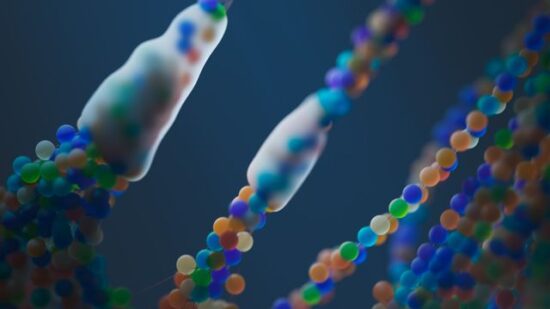
Polygenic Risk Scores: Can Thousands of Genetic Variants Improve Disease-Risk Assessment?
Anshika Jain - October 6, 2026For decades, medicine has tried to answer a deceptively difficult question: how likely is an individual to develop a particular disease? Traditional risk assessment usually combines factors…
Home & Family
9 views
Home & Family
9 views
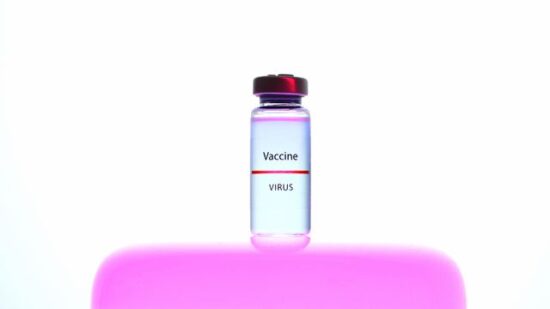
Genomic Revolution in Healthcare: From Genetic Risk Scores to Personalized Medicine
Anshika Jain - October 6, 2026Healthcare is entering an era in which the genetic information carried by an individual can increasingly become part of routine medical decision-making. For much of modern medicine,…
Healthy Cooking
10 views
Healthy Cooking
10 views
Trained Immunity: Can the Innate Immune System Develop a Form of Biological Memory?
Anshika Jain - October 6, 2026For decades, immunological memory was considered one of the defining characteristics of the adaptive immune system. After encountering a pathogen, B cells and T cells can undergo…
Most from this category

Technology
11 views
11 views
The Virome Within Us: Exploring the Viruses That Naturally Reside in the Human Body
Anshika Jain - October 6, 2026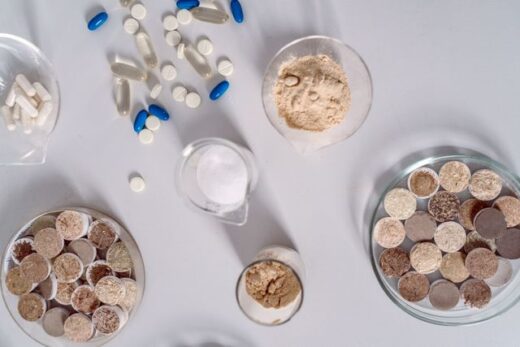
Diet
10 views
10 views
Postbiotics and the Next Generation of Microbiome-Based Health Research
Anshika Jain - October 6, 2026
Life Style
10 views
10 views
Brain–Computer Interfaces: How Neural Signals Could Become a New Communication Pathway
Anshika Jain - October 6, 2026
Life Style
16 views
16 views
Neuroplasticity Across the Lifespan: Can the Adult Brain Continue Reorganizing Itself?
Anshika Jain - October 5, 2026
– Advertisment –

Technology
11 views
11 views
The Virome Within Us: Exploring the Viruses That Naturally Reside in the Human Body
Anshika Jain - October 6, 2026Diet
10 views
10 views
Postbiotics and the Next Generation of Microbiome-Based Health Research
Anshika Jain - October 6, 2026Life Style
10 views
10 views
Brain–Computer Interfaces: How Neural Signals Could Become a New Communication Pathway
Anshika Jain - October 6, 2026




– Advertisment –
.png)
Leave a Comment
You must be logged in to post a comment.