



Beta-Cell Stress Signatures: AI Reveal Changes in the Biology of Insulin Secretion
Anshika Jain - October 23, 2026The development of diabetes is often associated with rising blood glucose, elevated glycated haemoglobin (HbA1c), and changes in the body's…

Intestinal Transporter: Can AI Predict Which Nutrients Compete During Absorption?
Anshika Jain - October 23, 2026Every meal contains a complex mixture of nutrients that must pass through the digestive system before the body can use…

Computational Gastronomy: How AI Is Decoding the Molecular Architecture of Flavour
Anshika Jain - October 22, 2026Flavour is one of the most complex experiences produced by food. A dish may contain hundreds or thousands of chemical…

Hyperspectral Imaging in Food Safety: Detecting Hidden Quality Changes
Anshika Jain - October 22, 2026Food safety inspection has traditionally relied on visual examination, laboratory testing, and established chemical and microbiological methods. Colour, shape, texture,…

Toward a Systems Biology of Eating: Integrating Food Chemistry and Environmental Context
Anshika Jain - October 22, 2026Eating is one of the most fundamental human behaviours, yet its underlying mechanisms are remarkably complex. The decision to eat,…
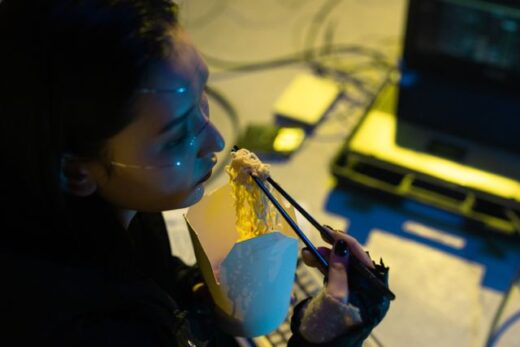
Computational Food–Human Interface: Biological Regulation
Anshika Jain - October 22, 2026Food is not a passive collection of nutrients entering the human body. It is a dynamic physical and chemical system…

Limits of Algorithmic Eating: Human Nutrition
Anshika Jain - October 22, 2026The integration of artificial intelligence, machine learning, and computational modelling into nutrition has created new possibilities for understanding dietary habits…

From Ingredient Chemistry to Clinical Outcomes: Evidence-Based Architecture
Anshika Jain - October 22, 2026Nutrition science is entering a period in which understanding what food contains is no longer sufficient to explain what it…
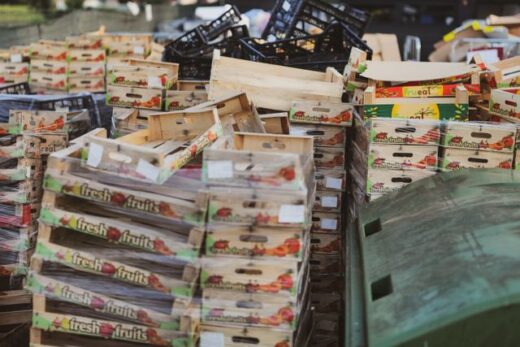
Science of Food Waste Valorisation: Recovering Nutrients From Materials
Anshika Jain - October 21, 2026Food waste presents a significant environmental challenge, but it also represents a largely underused source of valuable resources. Fruit peels,…
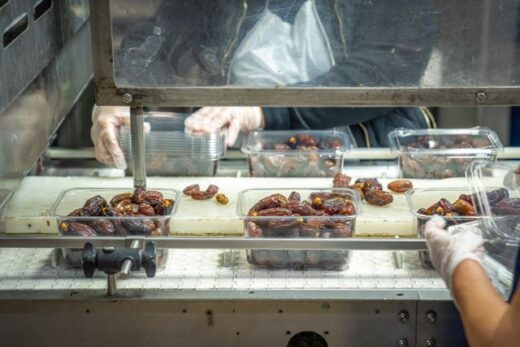
Personal Food Manufacturing: Automated Systems Produce Meals
Anshika Jain - October 21, 2026Food manufacturing has traditionally focused on producing consistent products for large consumer groups. Manufacturers develop recipes, standardize ingredients, and maintain…
.png)