


Tissue-Level Communication Failures: AI Identify Hidden Disruptions in the Signals
Anshika Jain - November 12, 2026The human body functions as an interconnected biological network in which individual tissues continuously exchange information. The skin, muscles, brain,…

Subclinical Health Transition Detection: AI Recognise Disease Development
Anshika Jain - November 12, 2026Disease does not always begin when a person first experiences noticeable symptoms. In many conditions, biological changes develop gradually before…
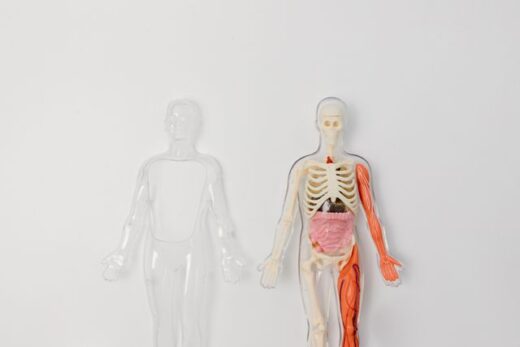
Biological Redundancy Analysis: Which Body Systems Compensate When Another System Begins to Fail
Anshika Jain - November 12, 2026The human body is not a collection of independent organs performing isolated tasks. It is an interconnected biological system in…

Human–Environment Health Interaction Maps: AI Connect Indoor Lighting
Anshika Jain - November 6, 2026Human health is influenced not only by genetics, nutrition, physical activity and medical care but also by the environments in…
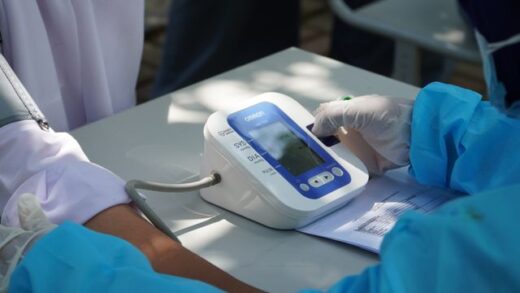
AI Predict Which Preventive Health Interventions Will Remain Effective
Anshika Jain - November 6, 2026Preventive healthcare traditionally focuses on identifying risk factors and recommending interventions that can reduce the likelihood of disease. However, a…

Cartilage Health Modelling: Structural Changes Associated With Joint Deterioration
Anshika Jain - November 5, 2026Joint health depends on the coordinated functioning of several structures, including cartilage, bones, ligaments, tendons, muscles and the surrounding synovial…

Smart Wound Healing Intelligence: Wound Visible Recovery Becomes Obvious
Anshika Jain - November 5, 2026Wound healing is a complex biological process that involves several coordinated activities, including blood clotting, inflammation, tissue repair and the…
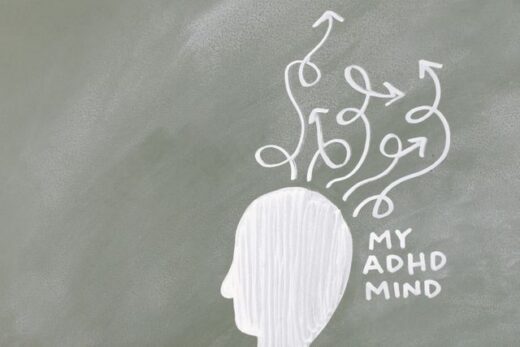
Neuroplasticity Mapping: Daily Experiences Reshape Learning and Cognitive Adaptation
Anshika Jain - November 4, 2026The human brain is continuously changing in response to everyday experiences. Learning a new language, practising a musical instrument, navigating…
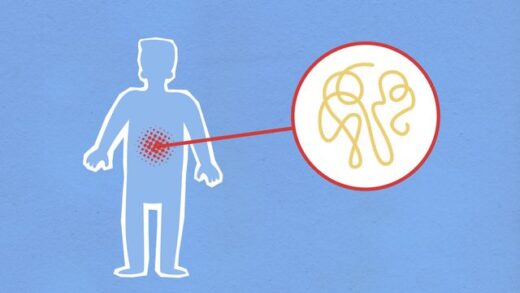
Epithelial Immunity Mapping: Intestinal Cells Coordinate With Immune System
Anshika Jain - November 4, 2026The human intestine performs two essential functions that must remain carefully balanced. It absorbs nutrients from food while protecting the…
Extracellular Matrix Intelligence: Body’s Structural Environment Affect Tissue Health
Anshika Jain - November 3, 2026The human body is often understood through its cells, organs, genes and biochemical processes. However, cells do not function independently.…
.png)