



Mycelium Food Design: AI Help Create New Foods From Fungal Biomass
Anshika Jain - October 30, 2026The future of food innovation is increasingly connected to alternative protein sources, precision fermentation, biotechnology, and artificial intelligence. As researchers…
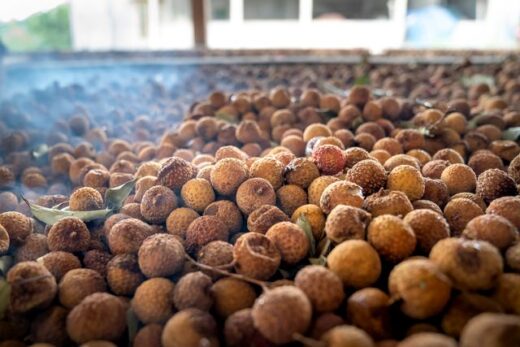
Food Aroma Fingerprinting: AI Identify Changes in Food Quality
Anshika Jain - October 30, 2026Food quality is often evaluated through visible characteristics such as colour, texture, appearance, and surface condition. Consumers and food manufacturers…

Reward Prediction in Eating: AI Model the Gap Between Expected and Experienced Food Satisfaction
Anshika Jain - October 29, 2026Eating is not simply a biological process driven by hunger and nutritional requirements. It is also an experience shaped by…

Flavor Expectation Engineering: Can AI Predict How Food Expectations
Anshika Jain - October 29, 2026The experience of eating begins long before food reaches the tongue. The appearance of a dish, its aroma, color, texture,…

Appetite–Energy Mismatch: AI Explain Why Hunger and the Body’s Energy
Anshika Jain - October 28, 2026Hunger is often treated as the body's natural signal that it needs energy. When energy availability decreases, appetite may increase,…
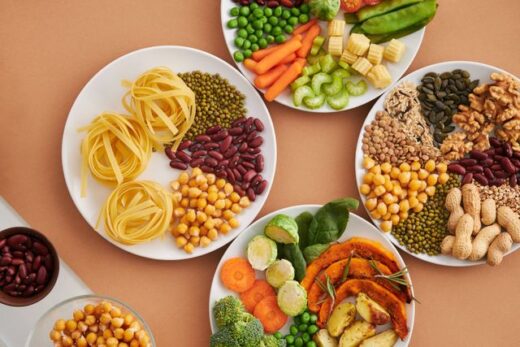
Protein Quality Under Physiological Stress: AI Predict When Dietary Protein Is Less Effectively Used?
Anshika Jain - October 27, 2026Protein is essential for maintaining muscle, repairing tissues, producing enzymes and hormones, supporting immune function and sustaining numerous biological processes.…

Ingredient Substitution Effect: Can AI Identify When a Reformulated Food Changes
Anshika Jain - October 23, 2026Food manufacturers regularly reformulate products to reduce production costs, improve shelf life, respond to consumer preferences, meet sustainability goals, or…
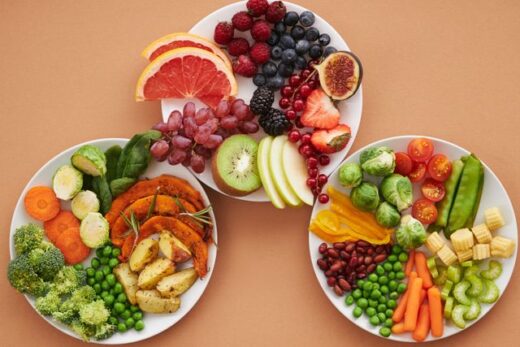
Mucus Barrier Economy: How Food Interact With Intestine’s Protective Interface
Anshika Jain - October 23, 2026Every day, the human intestine encounters an enormous mixture of dietary nutrients, digestive chemicals, microorganisms, and environmental compounds. Some of…
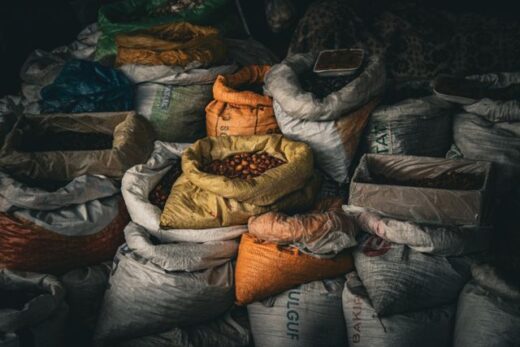
Hidden Chemistry of Urban Food Environments: Nutritional Quality
Anshika Jain - October 21, 2026Urban food environments are complex systems that connect farms, warehouses, transport networks, processing facilities, retailers, restaurants, and households. Every stage…

Nutritional Implications of Climate-Driven Crop Shifts
Anshika Jain - October 21, 2026Climate change is transforming agricultural systems, influencing crop selection, growing seasons, soil conditions, and food production. Farmers are adapting to…
.png)