
The Virome Within Us: Exploring the Viruses That Naturally Reside in the Human Body

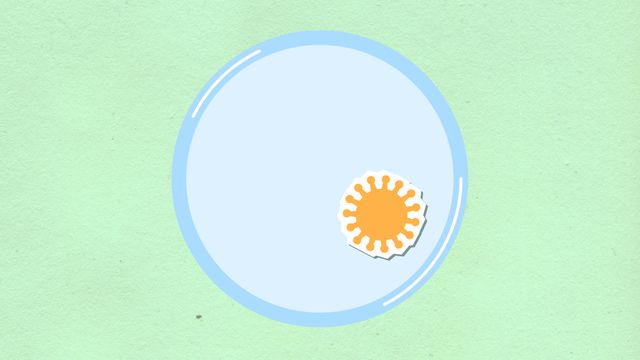
When people hear the word “virus,” they usually think about infection, disease, fever, respiratory illness, or outbreaks. Modern microbiology, however, is revealing a much more complicated relationship between viruses and the human body. Not every virus detected in a person is necessarily causing disease. Some viruses can persist for long periods, some interact primarily with the bacteria living inside us, and others may be present without producing obvious symptoms.
Together, the viruses associated with the human body form what scientists call the human virome. The virome includes viruses that infect human cells, viruses that infect bacteria and other microorganisms, viral genetic elements integrated into genomes, and other viral entities occupying different body environments. The healthy human virome is therefore not a single uniform collection of viruses but a dynamic ecological system distributed across tissues and biological niches.
The discovery of this hidden viral ecosystem has changed how researchers think about the microbiome. Bacteria received enormous attention during the early expansion of microbiome research, but viruses are now emerging as important regulators of microbial communities and host biology. In particular, bacteriophages, or viruses that infect bacteria, can influence which bacterial populations thrive, decline, compete, and evolve.
The human virome may therefore represent another layer of biology between the microbial world and the human host. Understanding this layer could eventually improve our knowledge of immunity, gastrointestinal health, chronic disease, aging, and microbiome-based therapies.
What Is the Human Virome?
The human virome can broadly be described as the collection of viruses and viral genetic material associated with the human body. This includes viruses capable of infecting human cells, bacteriophages that infect bacteria, and viral sequences that have become incorporated into human or microbial genomes.
Importantly, the term does not mean that every virus detected in a person’s body is actively replicating or causing an infection. Some viruses may be present temporarily after exposure, while others can persist for years. Certain viruses establish long-term relationships with host cells, and some bacteriophages remain associated with bacterial communities in the gut and other environments.
This makes the virome fundamentally different from a conventional list of infectious agents. It is better understood as an ecological community whose members interact with one another, with bacteria, and with human tissues.
Researchers studying the healthy virome have found that it can contain a mixture of bacteriophages and eukaryotic viruses, including persistent viruses such as anelloviruses and herpesviruses. Some viral populations can coexist with their hosts for long periods without producing obvious disease.
Why Viruses Can Exist in Healthy People
The presence of a virus does not automatically mean that a person is sick.
Human biology includes many forms of microbial coexistence. The body is continuously exposed to microorganisms through food, air, skin contact, environmental surfaces, and interactions with other people. The immune system constantly regulates these encounters.
Some viruses are cleared rapidly after exposure, while others can establish persistent infections. Still others primarily infect bacteria rather than human cells.
This creates a spectrum of relationships ranging from harmful infection to relatively stable coexistence. The boundary is not always permanent. A virus that remains controlled under one set of conditions may behave differently when immunity changes or the surrounding microbial environment is disrupted. Researchers have therefore emphasized that the distinction between harmless and pathogenic members of the human virome can be fluid.
This perspective does not suggest that viruses are generally beneficial or that viral infections should be ignored. Instead, it highlights the importance of understanding context. The biological effect of a virus depends on its identity, location, abundance, host immune state, interactions with other microorganisms, and activity over time.
The Gut Virome: A Hidden Ecosystem
The gastrointestinal tract is one of the most intensively studied environments within the human virome.
The gut contains an enormous microbial ecosystem, and viruses are deeply embedded within it. Many of the viruses found there are bacteriophages that infect bacterial cells. These phages can influence bacterial populations through infection, killing susceptible bacteria, transferring genetic material, and altering microbial community structure.
A 2026 review in Nature Reviews Gastroenterology & Hepatology describes the gut virome as a complex ecosystem dominated by bacteriophages alongside eukaryotic viruses. The review highlights its potential influence on microbial community profiles, immune responses, and metabolic processes, while emphasizing that individual virome composition can vary considerably and change over time.
This means that understanding the gut microbiome may require more than counting bacterial species. Researchers increasingly need to consider the viruses controlling or interacting with those bacteria.
Bacteriophages: Viruses That Control Bacteria
Bacteriophages, commonly shortened to phages, are viruses that infect bacteria. They are among the most abundant biological entities in microbial ecosystems and represent a major component of the human gut virome.
Their importance comes from their ability to influence bacterial populations.
A phage may infect a susceptible bacterial cell and replicate within it, sometimes eventually causing the cell to rupture. Other phages can enter a more integrated state in which viral genetic material becomes associated with the bacterial genome. These different lifestyles can influence bacterial survival, competition, metabolism, and evolution.
In the human gut, this creates a complex predator–prey relationship. Bacteria provide hosts for phages, while phages exert ecological pressure on bacterial populations. At the same time, bacteria can evolve resistance mechanisms, forcing phages to adapt.
Research on the healthy gut virome suggests that adults can carry persistent and highly individualized phage communities. These communities may contribute to maintaining bacterial diversity and shaping the ecological structure of the gut microbiome.
The Virome and the Microbiome Are Connected
It is increasingly difficult to understand the human virome and microbiome as separate systems.
Bacteria provide hosts for many viruses, while viruses can influence bacterial abundance and function. Changes in bacterial populations can therefore alter the viral ecosystem, and changes in viral populations can subsequently affect the bacterial community.
This creates a feedback loop.
A change in diet, medication, inflammation, infection, or another environmental factor can alter bacterial communities. Those changes may affect the viruses that depend on particular bacteria. The altered viral population can then exert new pressures on bacterial communities.
The result is a constantly changing ecological network rather than a static collection of microorganisms.
Research published in 2026 has increasingly emphasized the importance of studying these virus–microbe interactions directly, particularly when attempting to understand ecological outcomes or develop phage-based interventions.
How the Virome Interacts With the Immune System
The immune system is another major component of the virome ecosystem.
The human body must continuously distinguish between harmless microbial signals and potentially dangerous infections. Viral particles and viral genetic material can interact with innate and adaptive immune mechanisms, producing responses that range from immune activation to long-term immune tolerance.
Persistent viruses can provide a particularly interesting example. Their continued presence means that the immune system may remain aware of them without necessarily producing the intense inflammatory response associated with an acute infection.
At the same time, changes in immune function can alter the virome. A weakened or dysregulated immune system may allow particular viruses to expand or reactivate.
This two-way relationship means that the virome can both reflect and potentially influence the state of the immune system.
The relationship becomes especially important in chronic diseases and conditions involving immune dysfunction, where changes in viral communities may provide information about broader biological changes.
Viral Persistence and Latency
Some viruses can remain inside the human body for long periods.
Herpesviruses are a well-known example of viral persistence. After an initial infection, certain herpesviruses can establish latent states in which the viral genome remains within host cells and can potentially reactivate later.
Other persistent viruses, such as members of the anellovirus group, are frequently detected in healthy people.
Persistence does not necessarily mean continuous disease. Instead, it represents another strategy used by viruses to maintain themselves within a host.
The scientific challenge is understanding when persistence represents relatively stable coexistence and when it contributes to pathological processes. The answer may depend on immune status, viral activity, tissue location, interactions with other microorganisms, and environmental conditions.
The Blood Virome
The virome is not limited to the gut.
Researchers have also identified viral communities in blood, although their composition and biological significance remain less understood.
A large study of blood from 1,200 healthy individuals identified numerous viruses across multiple viral families. Anelloviruses were particularly widespread, while herpesviruses and other viral groups were also detected. The study demonstrated that healthy individuals can carry detectable viral genetic material in blood without necessarily experiencing symptoms of acute infection.
The blood virome is especially interesting because blood connects multiple organs and tissues. Viral material detected in circulation may therefore provide information about systemic biological processes.
However, detection does not automatically establish biological importance. Some viral sequences may represent transient material, remnants of infections, or low-level persistent populations whose effects remain uncertain.
Future research will need to determine which circulating viruses are merely detectable and which have meaningful effects on human physiology.
The Respiratory Virome
The respiratory virome includes bacteriophages, human-infecting viruses, and other viral genetic material. Recent reviews suggest that the respiratory virome is relatively difficult to study because viral abundance can be low and reference databases remain incomplete.
An important feature of the respiratory virome is its variability. Viral communities can change with age, environmental exposure, infections, immune status, and interactions with the respiratory bacterial microbiome.
Researchers are beginning to examine whether these changes contribute to susceptibility to chronic respiratory diseases or influence how the immune system responds to respiratory infections.
The field remains comparatively young, and much of the respiratory viral landscape is still unexplored.
How the Human Virome Develops
The human virome does not suddenly appear in adulthood.
Viral communities begin developing early in life. The infant gut undergoes major ecological changes following birth, with microbial populations being influenced by feeding, environmental exposure, and interactions with caregivers.
The viral community develops alongside the bacterial microbiome. Early-life viral populations can differ substantially from those observed in adults, and environmental factors can influence how the virome matures.
Over time, diet, medications, infections, geography, lifestyle, and immune development contribute to shaping an individual’s viral ecosystem.
This means that the virome is not simply inherited. It is partly constructed through lifelong interactions between the body and its environment.
Diet, Medication and Environmental Factors
Like the bacterial microbiome, the virome can respond to environmental changes.
Diet can influence bacterial communities, which in turn can influence bacteriophages that depend on those bacteria. Medications can also reshape microbial ecosystems.
Antibiotics are an obvious example because they can dramatically alter bacterial populations. Since many phages depend on bacteria as hosts, changes in bacterial abundance can indirectly reshape the viral community.
The potential effects of antiviral medications are another emerging research question. A 2026 Cell Host & Microbe forum noted that while antivirals have transformed treatment of viral infections, their effects on the commensal virome remain poorly understood.
This raises an important possibility: medicines designed to target pathogenic viruses may sometimes affect other members of the broader viral ecosystem.
Understanding these effects could become increasingly important as researchers begin to consider the virome as part of the wider microbial environment.
The Virome and Disease
Researchers have identified associations between changes in virome composition and numerous diseases.
Alterations in the gut virome have been reported in inflammatory bowel diseases, metabolic disorders, neurological conditions, and cancer. However, an association does not prove that a viral change causes disease.
A disease can alter the environment in which viruses live. Medication can change the virome. Inflammation can affect bacterial populations and immune activity, which can then alter phages.
Therefore, researchers must distinguish cause from consequence.
The 2026 literature increasingly emphasizes longitudinal studies, mechanistic experiments, and improved virome characterization as necessary steps for determining whether particular viral changes are drivers, consequences, or biomarkers of disease.
This distinction will be essential if virome research is to move from descriptive biology toward medical applications.
The Virome and Aging
The virome is also emerging as a potential component of aging research.
A 2026 review examining the gut and circulating virome across the lifespan described links between age-associated virome changes, immune function, inflammation, metabolic balance, and longevity. The authors discussed changes including shifts in bacteriophage populations and reactivation or persistence of latent viruses in the context of aging.
These findings fit into a broader understanding of aging in which the immune system, microbiome, metabolism, inflammation, and environmental exposures interact over decades.
However, it remains too early to conclude that a particular viral profile causes healthy or unhealthy aging. The virome may instead be one component of a much larger biological network.
Future studies combining viral sequencing with immune, metabolic, microbial, and clinical data could help determine how viral ecosystems change throughout the human lifespan.
Viromics: Revealing the Viral World
One of the main reasons the virome has become accessible to modern science is the development of viromics.
Traditional microbiology depended heavily on culturing organisms. Many viruses cannot be easily cultured using conventional laboratory methods, and their hosts may themselves be difficult to cultivate.
Metagenomic sequencing provides another approach. Researchers can sequence genetic material from an environmental or biological sample and use computational methods to identify viral sequences.
This has dramatically expanded the known viral universe.
A 2026 Nature Reviews Genetics review describes viromics as an important approach for studying uncultivated viral diversity and emphasizes its role in revealing the enormous genetic and functional diversity of viruses, particularly viruses that regulate microbial communities.
However, sequencing has also exposed a major problem: scientists still cannot identify a large proportion of viral sequences with confidence.
This unexplored portion is often referred to as viral “dark matter.”
The Problem of Viral Dark Matter
A significant percentage of viral sequences recovered through metagenomic studies cannot be confidently assigned to known viral groups.
This is not surprising when considering the enormous diversity and evolutionary history of viruses. Many viral populations have never been cultured, formally characterized, or represented in reference databases.
As sequencing becomes more powerful, researchers are discovering viral genetic sequences that have no obvious equivalent in existing databases.
This creates both a problem and an opportunity.
The problem is that researchers may detect a viral signal without knowing what the virus does, which organism it infects, or whether it has any biological significance.
The opportunity is that this unexplored genetic space may contain entirely new biology.
Understanding viral dark matter will require better reference databases, improved computational methods, experimental validation, and more systematic efforts to connect viral sequences with their microbial hosts.
Phage Therapy and the Therapeutic Virome
One of the most promising applications of virome research is bacteriophage therapy.
Because phages can selectively infect bacteria, researchers have explored their use as tools for targeting bacterial infections. This has become particularly interesting in the context of antimicrobial resistance.
Phage therapy is not a new idea. Phages have been investigated therapeutically for more than a century, but modern sequencing, genetic engineering, and precision microbiology are creating new opportunities for developing and characterizing phage-based treatments.
In September 2026, Nature Medicine published a consensus-based guideline for personalized bacteriophage therapy, reflecting the growing need for standardized approaches to phage selection, manufacturing, administration, monitoring, and clinical use.
The broader significance is that researchers are beginning to consider viruses not only as organisms to eliminate but also as biological tools that can potentially be selected and engineered for therapeutic purposes.
Toward Precision Virome Medicine
The future of virome research may eventually involve personalized viral profiles.
Two individuals can have substantially different viromes even when they appear healthy. Their viral communities may differ because of genetics, diet, geography, previous infections, immune history, medications, and microbial ecology.
This variation raises the possibility of using virome profiles as biological information.
A future diagnostic system might combine viral sequencing with bacterial microbiome data, immune markers, metabolomics, clinical information, and longitudinal measurements. Such a multi-layered approach could help identify changes that are difficult to detect through conventional clinical testing.
However, precision virome medicine remains an emerging research concept rather than an established clinical standard.
The scientific community still needs to determine which viral signatures are reproducible, which are clinically meaningful, and whether changing a particular viral population actually improves health outcomes.
The Future of Human Virome Research
The next phase of virome research is likely to become increasingly integrated with systems biology.
Rather than studying viruses in isolation, researchers will examine networks connecting viruses, bacteria, human cells, immune pathways, metabolites, and environmental exposures.
Artificial intelligence and advanced bioinformatics may help researchers analyse these complex networks. Machine-learning systems can potentially identify patterns across enormous sequencing datasets, predict virus–host relationships, and help prioritize viral candidates for experimental investigation.
At the same time, experimental biology will remain essential. Computational predictions cannot by themselves establish whether a virus infects a particular host, changes microbial behaviour, alters immunity, or causes disease.
The strongest future research will therefore combine sequencing, computation, laboratory experiments, clinical studies, and longitudinal observation.
Conclusion
The human body is not simply a collection of human cells accompanied by bacteria. It is a complex ecosystem containing an enormous diversity of microorganisms and viruses. The human virome adds another layer to this biological environment, revealing that viruses can persist, interact with bacteria, influence microbial communities, and participate in relationships with the immune system.
Much of the virome consists of bacteriophages, making viruses important regulators of the bacterial microbiome. Other viruses can persist within human tissues, sometimes remaining largely asymptomatic while interacting continuously with the immune system. The boundary between harmless persistence and disease, however, can change according to biological circumstances.
Modern viromics has made it possible to investigate this hidden ecosystem at an unprecedented scale. Yet the field is still at an early stage. Scientists continue to encounter enormous amounts of viral genetic material whose origins and functions remain unknown.
The future may therefore involve a fundamental change in how viruses are understood. Instead of viewing every virus exclusively through the lens of infection and disease, researchers are beginning to study viral communities as dynamic components of human biology.
This does not diminish the importance of pathogenic viruses or infectious disease prevention. Rather, it provides a broader framework in which harmful infections, persistent viruses, bacteriophages, microbial ecology, and immune regulation can be studied together.
The virome within us may ultimately prove to be an important missing layer in the study of human health. As researchers learn how viral communities develop, change, interact with the microbiome, and respond to the immune system, the human virome could become increasingly relevant to diagnostics, precision medicine, antimicrobial strategies, and our understanding of lifelong health.
What was once largely invisible to conventional microbiology is now becoming measurable. The next challenge is to understand what all those viral signals mean.
Online Internship with Certificate
You may be interested
Polygenic Risk Scores: Can Thousands of Genetic Variants Improve Disease-Risk Assessment?
Anshika Jain - October 6, 2026For decades, medicine has tried to answer a deceptively difficult question: how likely is an individual to develop a particular disease? Traditional risk assessment usually combines factors…
Genomic Revolution in Healthcare: From Genetic Risk Scores to Personalized Medicine
Anshika Jain - October 6, 2026Healthcare is entering an era in which the genetic information carried by an individual can increasingly become part of routine medical decision-making. For much of modern medicine,…
Trained Immunity: Can the Innate Immune System Develop a Form of Biological Memory?
Anshika Jain - October 6, 2026For decades, immunological memory was considered one of the defining characteristics of the adaptive immune system. After encountering a pathogen, B cells and T cells can undergo…
Most from this category

Postbiotics and the Next Generation of Microbiome-Based Health Research
Anshika Jain - October 6, 2026
Brain–Computer Interfaces: How Neural Signals Could Become a New Communication Pathway
Anshika Jain - October 6, 2026
Neuroplasticity Across the Lifespan: Can the Adult Brain Continue Reorganizing Itself?
Anshika Jain - October 5, 2026
Federated Learning in Healthcare: Training Medical AI Without Centralizing Sensitive Patient Data
Anshika Jain - October 5, 2026
Postbiotics and the Next Generation of Microbiome-Based Health Research
Anshika Jain - October 6, 2026Brain–Computer Interfaces: How Neural Signals Could Become a New Communication Pathway
Anshika Jain - October 6, 2026Neuroplasticity Across the Lifespan: Can the Adult Brain Continue Reorganizing Itself?
Anshika Jain - October 5, 2026

.png)
Leave a Comment
You must be logged in to post a comment.