

Portion-Size Drift: Can Computer Vision Detect
Anshika Jain - October 23, 2026The amount of food people consider a normal serving is not determined by hunger alone. It is also influenced by household habits, plate sizes, restaurant menus, food…

Ingredient Substitution Effect: Can AI Identify When a Reformulated Food Changes
Anshika Jain - October 23, 2026Food manufacturers regularly reformulate products to reduce production costs, improve shelf life, respond to consumer preferences, meet sustainability goals, or accommodate dietary requirements. A biscuit may contain…

Peptide Signal Library: How Digested Proteins Generate Molecules
Anshika Jain - October 23, 2026Proteins are commonly understood as essential building materials that help the body maintain muscles, repair tissues, produce enzymes, and support numerous cellular functions. However, their role in…

Mucus Barrier Economy: How Food Interact With Intestine’s Protective Interface
Anshika Jain - October 23, 2026Every day, the human intestine encounters an enormous mixture of dietary nutrients, digestive chemicals, microorganisms, and environmental compounds. Some of these substances must cross the intestinal lining…

Beta-Cell Stress Signatures: AI Reveal Changes in the Biology of Insulin Secretion
Anshika Jain - October 23, 2026The development of diabetes is often associated with rising blood glucose, elevated glycated haemoglobin (HbA1c), and changes in the body's ability to regulate energy. However, these measurable…

Intestinal Transporter: Can AI Predict Which Nutrients Compete During Absorption?
Anshika Jain - October 23, 2026Every meal contains a complex mixture of nutrients that must pass through the digestive system before the body can use them. Vitamins, minerals, amino acids, sugars, fatty…

Computational Gastronomy: How AI Is Decoding the Molecular Architecture of Flavour
Anshika Jain - October 22, 2026Flavour is one of the most complex experiences produced by food. A dish may contain hundreds or thousands of chemical compounds that interact with one another, change…

Hyperspectral Imaging in Food Safety: Detecting Hidden Quality Changes
Anshika Jain - October 22, 2026Food safety inspection has traditionally relied on visual examination, laboratory testing, and established chemical and microbiological methods. Colour, shape, texture, and visible defects can provide useful information…

Toward a Systems Biology of Eating: Integrating Food Chemistry and Environmental Context
Anshika Jain - October 22, 2026Eating is one of the most fundamental human behaviours, yet its underlying mechanisms are remarkably complex. The decision to eat, the selection of a particular food, the…
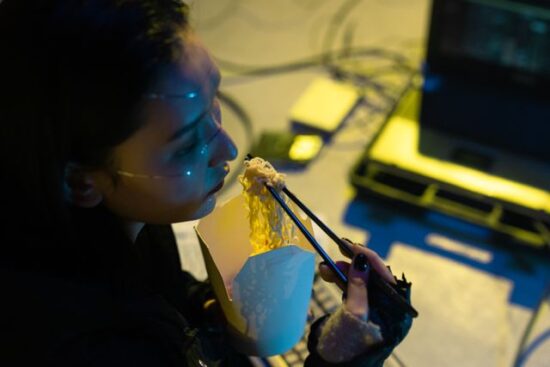
Computational Food–Human Interface: Biological Regulation
Anshika Jain - October 22, 2026Food is not a passive collection of nutrients entering the human body. It is a dynamic physical and chemical system that changes continuously during chewing, digestion, absorption,…
.png)