
Trained Immunity: Can the Innate Immune System Develop a Form of Biological Memory?

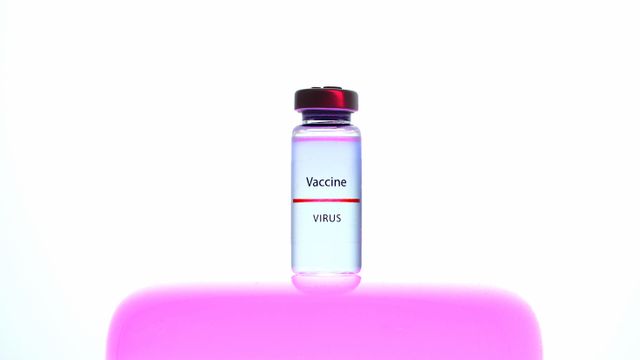
For decades, immunological memory was considered one of the defining characteristics of the adaptive immune system. After encountering a pathogen, B cells and T cells can undergo long-lasting changes that allow the body to respond more rapidly and effectively when the same threat appears again. Vaccination takes advantage of this principle by creating immunological memory without requiring the person to experience the full disease.
The innate immune system was traditionally viewed very differently. Innate immunity provides rapid, broad protection through cells and mechanisms that respond to general patterns associated with infection or tissue damage. Monocytes, macrophages, natural killer cells, neutrophils, dendritic cells, and other innate immune components were generally thought to respond without retaining meaningful memory of previous encounters.
That distinction is now being reconsidered.
Research over the past decade has demonstrated that certain innate immune cells can undergo persistent functional changes after an initial stimulus. When these cells or their descendants encounter a later challenge, they may respond differently from cells that have not previously been exposed. This phenomenon is known as trained immunity or innate immune memory. It does not reproduce the highly antigen-specific memory of adaptive immunity, but it demonstrates that innate immune responses can be biologically reprogrammed.
The discovery has expanded the definition of immune memory and opened a new area of research at the intersection of immunology, metabolism, epigenetics, infectious disease, vaccination, aging, cancer, and chronic inflammation.
What Is Trained Immunity?
Trained immunity describes a long-lasting change in the functional behaviour of innate immune cells following an earlier exposure to a stimulus. After the initial stimulus disappears, the cells may return toward an apparently resting state, yet molecular changes can remain. When the cells subsequently encounter another stimulus, their response can be altered.
In many experimental models, the secondary response is stronger, faster, or more inflammatory. However, trained immunity does not always mean increased inflammation. Depending on the original stimulus and biological context, innate cells can also enter altered states in which subsequent responses are reduced or regulated differently. Researchers therefore increasingly view trained immunity as a form of functional adaptation rather than simply a mechanism for making immunity stronger.
This distinction is important because an immune system that responds more vigorously is not necessarily healthier. A stronger response can improve pathogen clearance, but excessive inflammatory activity can also contribute to tissue damage and chronic disease.
Trained immunity is therefore best understood as a biological system that changes the future behaviour of innate immune cells according to previous experience.
How Trained Immunity Challenges the Traditional View of Immunity
The classical division between innate and adaptive immunity remains useful, but it is no longer sufficient to describe the full complexity of immune memory.
Adaptive immune memory depends heavily on antigen-specific receptors generated through genetic rearrangement. B cells and T cells can therefore recognize particular molecular targets with remarkable specificity.
Trained immunity works differently. It does not require the same antigen-specific receptor rearrangement. Instead, an initial stimulus can alter cellular metabolism, chromatin accessibility, transcriptional programs, and other regulatory systems. These changes can leave the innate cell in a different functional state.
The resulting response may then occur when the cell encounters a stimulus that is unrelated to the original trigger. This is one reason trained immunity is often described as non-specific or heterologous immune memory.
The concept therefore creates a bridge between two previously separated ideas: the rapid broad responsiveness of innate immunity and the durable memory traditionally associated with adaptive immunity.
The Cells That Can Become Trained
Early research focused heavily on monocytes and macrophages, but the field has expanded considerably.
Monocytes can undergo metabolic and epigenetic changes following exposure to microbial components or other inflammatory stimuli. When these cells subsequently encounter a challenge, their cytokine production, antimicrobial activity, and other functions may be altered.
Macrophages can also acquire persistent functional states. Because macrophages reside within tissues and interact closely with their local environments, their training can be strongly influenced by tissue-specific signals.
Natural killer cells provide another important example. Although NK cells belong to the innate immune system, some populations can develop long-lasting memory-like characteristics following particular infections or activating signals. Recent research has also shown that innate lymphoid cells and NK cells can combine features of trained immunity with tissue residency and other forms of durable adaptation.
Neutrophils, which have traditionally been considered unlikely candidates for memory because of their short lifespan, are also being reconsidered. Research increasingly suggests that some forms of trained immunity can operate at the level of bone-marrow progenitors, influencing the production of new innate immune cells rather than requiring the original mature cell to survive indefinitely.
This finding significantly broadens the concept of immune memory.
The Bone Marrow May Remember
One of the most important developments in trained-immunity research is the realization that immune memory may not always reside exclusively in mature immune cells.
Hematopoietic stem and progenitor cells in the bone marrow can be influenced by inflammatory signals. Changes at this level can alter the production and functional characteristics of future innate immune cells.
This creates what researchers sometimes describe as central trained immunity. Instead of one monocyte remembering an earlier event for a very long time, an earlier stimulus can influence the bone marrow environment and progenitor-cell programs, causing newly generated immune cells to inherit altered functional tendencies.
A 2026 review emphasizes that trained immunity can occur across monocytes, macrophages, tissue-resident cells, and hematopoietic stem and progenitor cells. It also proposes that persistent transcription-factor activity and environmental signals may be required to maintain trained states after the initial metabolic and epigenetic changes have been established.
This provides one explanation for how an immune response can remain altered even when the original immune cells have disappeared.
Epigenetics: How Immune Experience Leaves a Molecular Mark
Epigenetics is central to the concept of trained immunity.
Epigenetic mechanisms regulate how genes are expressed without changing the underlying DNA sequence. Changes in chromatin structure, histone modifications, DNA methylation, and other regulatory mechanisms can make particular genes easier or harder for the cell to activate.
During trained immunity, certain inflammatory and antimicrobial genes can become positioned in a more accessible chromatin environment. These genes may therefore be activated more readily when the cell encounters a later stimulus.
Research has identified histone modifications associated with trained states, including changes involving H3K4 methylation and H3K27 acetylation. Such modifications can occur around regulatory regions of genes involved in immune responses, effectively leaving chromatin in a more responsive configuration.
The idea is not that immune cells permanently rewrite their DNA. Instead, they can alter the molecular organization surrounding the DNA, influencing how efficiently particular genetic programs can be activated.
This gives the innate immune system a form of molecular adaptability.
Metabolism Is Part of the Memory
The discovery of trained immunity has also strengthened the connection between metabolism and immune function.
When innate immune cells become activated, their metabolism changes. They may increase glucose consumption, alter mitochondrial activity, modify lipid metabolism, and change the way they process amino acids and other nutrients.
These metabolic changes are not simply consequences of activation. They can actively contribute to establishing the trained state.
For example, metabolites produced during altered cellular metabolism can influence enzymes that modify chromatin. Metabolism can therefore affect gene regulation, while epigenetic changes can influence metabolic programs in return.
This creates a feedback relationship between metabolism and epigenetics.
Recent research continues to clarify this connection. A 2026 review describes metabolic and epigenetic remodeling as coordinated processes that establish trained states, while experimental work has identified specific mitochondrial metabolic checkpoints that can determine whether macrophages develop durable antitumor training programs.
Trained immunity is therefore an important example of immunometabolism, the field studying how cellular metabolism shapes immune behaviour.
The mTOR–HIF-1α Connection
Several metabolic pathways have been repeatedly implicated in trained immunity.
The mTOR pathway acts as an important regulator of cellular growth, metabolism, and environmental sensing. HIF-1α, another major regulatory molecule, can influence how cells respond to changes in oxygen and metabolism.
Research has shown that particular training stimuli can activate metabolic pathways involving mTOR and HIF-1α, promote glycolytic activity, and alter the availability of metabolites that influence chromatin-modifying enzymes.
The result is a connection between an external immune stimulus, cellular metabolism, and longer-lasting changes in gene regulation.
This mechanism helps explain why trained immunity is not simply a memory stored inside the nucleus. It involves an integrated cellular state in which metabolism, chromatin, transcription, and signalling interact.
BCG and the Idea of Heterologous Protection
One of the best-known examples associated with trained immunity involves the Bacillus Calmette–Guérin vaccine, or BCG.
BCG is primarily used as a vaccine against tuberculosis. However, researchers have investigated whether BCG vaccination can also influence immune responses against unrelated pathogens.
This phenomenon is called heterologous protection. Instead of generating protection exclusively against the organism targeted by the vaccine, an immune intervention may alter broader host-defense responses.
Research into BCG helped stimulate modern interest in trained immunity because it provided evidence that vaccination could influence innate immune responses beyond classical antigen-specific memory.
However, the evidence should not be interpreted as meaning that BCG provides universal protection against unrelated infections. Effects can vary according to population, timing, pathogen, vaccination history, and experimental conditions.
The broader scientific significance is that vaccination can serve as a controlled stimulus through which researchers investigate how the innate immune system changes over time. Contemporary systems-vaccinology research increasingly combines immune profiling, genetics, metabolism, microbiome data, and multi-omics to understand these complex responses.
Trained Immunity and Infection
The potential benefits of trained immunity are easiest to understand in the context of host defense.
If an earlier exposure leaves innate immune cells in a more responsive state, a later infection may trigger stronger antimicrobial activity. Monocytes and macrophages may produce inflammatory mediators more rapidly, increase phagocytic activity, or improve their ability to respond to microbial signals.
This can provide a form of broad preparedness.
Unlike adaptive immunity, which is often highly specific to the pathogen previously encountered, trained immunity can potentially enhance responses to different stimuli.
This characteristic has generated interest in the development of new vaccine strategies designed to stimulate broad innate immune protection.
A 2026 review of trained immunity in infectious disease and cancer vaccines describes the field as an emerging framework for developing vaccines and immune interventions capable of producing broader responses beyond conventional antigen-specific protection.
Nevertheless, translating these findings into broadly effective human vaccines remains a major research challenge.
When Immune Training Becomes Harmful
A stronger immune response is not always desirable.
If trained immunity persists in an exaggerated state, a subsequent stimulus may produce excessive inflammation. This may contribute to chronic inflammatory diseases in which the immune system remains predisposed toward damaging activation.
Research has connected trained-immunity mechanisms with conditions involving atherosclerosis, rheumatoid arthritis, periodontal disease, inflammatory bowel disease, metabolic inflammation, and other chronic disorders.
In these circumstances, the immune system’s ability to remember previous experiences can become a disadvantage.
For example, exposure to certain endogenous molecules associated with tissue damage or altered metabolism can influence innate immune cells. This creates a central paradox of trained immunity: the same biological machinery that can improve host defense may also contribute to persistent inflammation.
Trained Immunity and Cancer
Cancer research has become another important area for trained immunity.
Tumors exist within complex microenvironments containing cancer cells, immune cells, blood vessels, extracellular matrix, metabolites, and fluctuating oxygen levels. These conditions can influence the metabolic and epigenetic states of innate immune cells.
A 2026 Nature Communications study found that macrophage trained immunity associated with antitumor protection in mice involved a mitochondrial glutamine-restriction checkpoint and an epigenetic mechanism that maintained accessibility of inflammatory genes.
Other 2026 research has examined the broader metabolic–epigenetic interactions that influence innate immune cell plasticity within tumors. These studies suggest that metabolites, nutrient availability, hypoxia, and chromatin regulation can collectively determine whether innate immune cells adopt states that support or restrict tumor progression.
These findings remain primarily mechanistic and preclinical in many cases, but they demonstrate why trained immunity is attracting interest in cancer immunology.
The Role of Aging
Trained immunity may also change across the human lifespan.
Early-life microbial exposure can help establish immune set points. During adulthood, repeated infections, vaccination, diet, environmental exposures, and inflammatory events can continue to reshape innate immune states.
With aging, however, the immune system undergoes profound changes. Immunosenescence can reduce certain immune functions, while chronic low-grade inflammation, often called inflammaging, can increase.
A 2026 review proposes that cumulative immune training at the level of hematopoietic stem cells may contribute to age-related changes in innate immunity. According to this framework, aging may involve both declining immune responsiveness and the accumulation of maladaptive inflammatory programs.
This provides a potentially important connection between trained immunity and geroscience. Understanding how immune experiences accumulate across decades could help explain why older individuals can simultaneously become more vulnerable to infection and more prone to chronic inflammation.
The Gut Microbiome and Immune Training
The microbiome is another important source of immune education.
Microorganisms living in the intestine continuously interact with immune cells and produce molecules capable of influencing host metabolism and inflammatory signalling. Some microbial products may contribute to immune training, while changes in the microbiome can alter the signals experienced by innate immune cells.
This creates a complex relationship in which diet, microbial ecology, metabolism, and immune memory influence one another.
The microbiome may therefore help establish an individual’s baseline immune state, while immune activity can in turn reshape the microbial environment.
Understanding this interaction could become important for personalized approaches to trained immunity. Two people exposed to the same vaccine or microbial stimulus may not develop identical trained responses because their underlying metabolic, genetic, and microbiome environments differ.
Can Trained Immunity Be Therapeutically Controlled?
Researchers are investigating pathways involving metabolism, epigenetics, inflammatory signalling, and cellular differentiation as potential targets.
A 2026 roadmap for trained-immunity drug development describes potential therapeutic strategies across metabolic, epigenetic, differentiation, inflammatory, and memory-related mechanisms. It also emphasizes the challenge of translating promising laboratory findings into reliable clinical interventions.
The goal would not necessarily be to eliminate immune memory. Instead, future therapies might attempt to tune the immune system’s memory state according to the biological context.
The Importance of Precision Immune Training
The future of trained immunity is likely to depend on precision.
An intervention that increases inflammatory responsiveness could be useful during some infectious challenges but harmful in someone with chronic inflammatory disease. Similarly, a trained immune state that improves tumor surveillance might have very different consequences from one that accelerates autoimmune inflammation.
Recent research emphasizes that tissue context and developmental stage can substantially shape trained immunity. This suggests that there may not be one universal form of innate immune memory. Instead, trained immunity may represent a family of context-dependent biological states.
This complexity makes systems biology increasingly valuable for the field.
A New Understanding of Immune Memory
Trained immunity does not erase the distinction between innate and adaptive immunity. Adaptive immune memory remains fundamentally different because it depends on antigen-specific receptor systems and clonal expansion.
Instead, trained immunity adds another layer to the immune system’s ability to learn from experience.
The innate immune system can be rapidly responsive, but it is not necessarily biologically static. Its cells can change their metabolic programs, chromatin states, transcriptional profiles, tissue behaviour, and interactions with other cells following previous exposures.
This means that immune history may influence future health in more ways than previously recognized.
An infection, vaccine, metabolic disturbance, dietary signal, tissue injury, or environmental exposure may potentially leave molecular traces that influence how the innate immune system responds later.
The Future of Trained Immunity Research
The next generation of trained-immunity research is likely to become increasingly quantitative and personalized.
Single-cell sequencing can reveal how individual immune cells respond differently to training stimuli. Epigenomic technologies can map changes in chromatin accessibility. Metabolomics can identify the metabolic pathways associated with persistent immune states. Longitudinal studies can determine how long these changes remain and how they influence later health outcomes.
Artificial intelligence and computational modelling may also help researchers integrate these datasets. Instead of studying individual pathways in isolation, researchers may eventually construct models of immune-state trajectories that describe how a person’s immune system changes across time.
Such approaches could eventually help identify whether a person’s innate immune state is excessively inflammatory, insufficiently responsive, or appropriately balanced.
However, the field must distinguish biological plausibility from clinical proof. Many mechanisms remain under investigation, and findings from cell cultures or animal models do not automatically translate into human treatments.
Conclusion
The idea that the innate immune system can develop a form of biological memory represents one of the most important conceptual developments in modern immunology. They can occur in mature cells such as monocytes and macrophages, but they can also involve tissue-resident immune populations and bone-marrow progenitors.
The implications are broad. Trained immunity may contribute to improved host defense and help explain some heterologous effects of vaccination. At the same time, persistent or inappropriate immune training may contribute to chronic inflammation, cardiovascular disease, autoimmune conditions, metabolic disorders, and other diseases.
The most important lesson is that immune memory is more diverse than previously thought. The body does not simply divide immune responses into a fast but forgetful innate system and a slow but highly memorable adaptive system. Instead, innate cells can change their future behaviour according to biological experiences.
The emerging challenge is to learn how to control this process.
If scientists can determine how to strengthen protective trained immunity without promoting harmful inflammation, the concept could eventually influence vaccine design, infectious-disease prevention, cancer immunotherapy, chronic inflammatory disease treatment, and healthy-aging research.
Trained immunity therefore represents more than a new immunological phenomenon. It offers a different way of thinking about the relationship between experience and biology: the immune system may not simply respond to the world around us, but may also retain molecular traces of those encounters that shape how it responds to the next challenge.
Online Internship with Certificate
You may be interested
Polygenic Risk Scores: Can Thousands of Genetic Variants Improve Disease-Risk Assessment?
Anshika Jain - October 6, 2026For decades, medicine has tried to answer a deceptively difficult question: how likely is an individual to develop a particular disease? Traditional risk assessment usually combines factors…
Genomic Revolution in Healthcare: From Genetic Risk Scores to Personalized Medicine
Anshika Jain - October 6, 2026Healthcare is entering an era in which the genetic information carried by an individual can increasingly become part of routine medical decision-making. For much of modern medicine,…
The Virome Within Us: Exploring the Viruses That Naturally Reside in the Human Body
Anshika Jain - October 6, 2026When people hear the word “virus,” they usually think about infection, disease, fever, respiratory illness, or outbreaks. Modern microbiology, however, is revealing a much more complicated relationship…
Most from this category
Postbiotics and the Next Generation of Microbiome-Based Health Research
Anshika Jain - October 6, 2026
Brain–Computer Interfaces: How Neural Signals Could Become a New Communication Pathway
Anshika Jain - October 6, 2026
Neuroplasticity Across the Lifespan: Can the Adult Brain Continue Reorganizing Itself?
Anshika Jain - October 5, 2026
Federated Learning in Healthcare: Training Medical AI Without Centralizing Sensitive Patient Data
Anshika Jain - October 5, 2026
Postbiotics and the Next Generation of Microbiome-Based Health Research
Anshika Jain - October 6, 2026Brain–Computer Interfaces: How Neural Signals Could Become a New Communication Pathway
Anshika Jain - October 6, 2026Neuroplasticity Across the Lifespan: Can the Adult Brain Continue Reorganizing Itself?
Anshika Jain - October 5, 2026


.png)
Leave a Comment
You must be logged in to post a comment.