
Flavor Expectation Engineering: Can AI Predict How Food Expectations

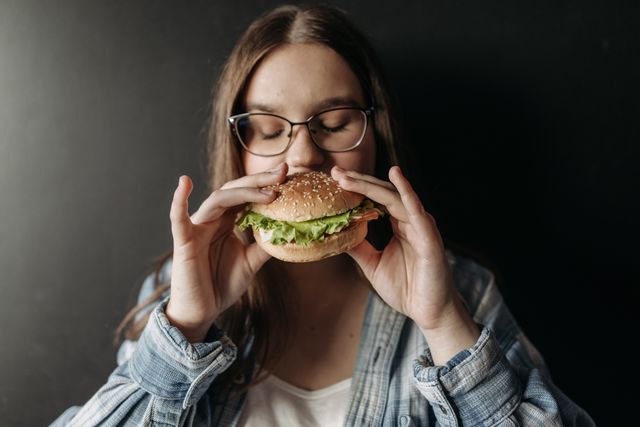
The experience of eating begins long before food reaches the tongue. The appearance of a dish, its aroma, color, texture, presentation, name, price, cultural significance, and the environment in which it is served can influence what a person expects to taste. These expectations may shape the way sweetness, bitterness, freshness, richness, and overall flavor are perceived. As a result, two people can eat the same food and report different experiences, while the same person may evaluate an identical dish differently depending on how it is presented.
This complex relationship between expectation and sensory experience creates an emerging opportunity for artificial intelligence in food science. Flavor Expectation Engineering explores how AI could analyze contextual, sensory, behavioral, and psychological signals to estimate how expectations influence perceived taste and eating satisfaction. Rather than treating flavor as a property determined exclusively by a food’s chemical composition, this approach recognizes that the eating experience emerges from an interaction between the food itself and the person consuming it.
The concept has important implications for food product development, personalized nutrition, restaurant experiences, sensory research, and consumer behavior analysis. Food manufacturers could investigate why a product receives different reactions despite having a consistent formulation. Researchers could examine how labels and visual presentation influence taste judgments. Nutrition platforms might explore ways to make unfamiliar or less intensely flavored foods more appealing without relying exclusively on additional sugar, salt, or fat.
However, predicting subjective taste is not as simple as analyzing an ingredient list or recognizing facial expressions. Expectations vary across individuals, cultures, memories, and circumstances. AI could help estimate these influences, but its predictions would need to be validated through carefully designed sensory studies rather than treated as direct measurements of human perception.
Understanding Flavor Expectation Engineering
Flavor Expectation Engineering refers to the systematic study and modeling of how anticipated sensory experiences influence the way people evaluate food. It combines principles from sensory science, cognitive psychology, food chemistry, behavioral research, and machine learning to investigate the relationship between expected flavor and reported experience.
The central idea is that perceived flavor does not depend exclusively on the compounds present in a dish. It also depends on how the brain interprets sensory information in the context of prior knowledge and expectations. When someone sees a bright red beverage, for example, they may anticipate a berry or cherry flavor. If the drink tastes unexpectedly citrusy, the mismatch between expectation and experience may influence their judgment, even if the beverage is chemically well-balanced and enjoyable in its own right.
Expectation can affect more than flavor identification. It may influence perceived intensity, quality, freshness, authenticity, and satisfaction. A product described as exceptionally creamy might be judged more critically if its texture feels thin. Conversely, a modestly flavored product may be received positively when its presentation creates an appropriate expectation of subtlety.
AI-based flavor expectation engineering would attempt to identify the conditions under which such effects are more likely to occur. It would examine how contextual information interacts with measurable food characteristics and individual differences, helping researchers understand why the same sensory stimulus can generate different evaluations.
Importantly, this approach would not imply that expectations completely determine taste. Food composition, aroma, temperature, texture, individual sensory sensitivity, and physiological conditions remain important. Expectations are one part of a much larger perceptual system.
The Science Behind Expectations and Perceived Taste
How the Brain Combines Sensory Information
Eating involves several sensory systems operating together. Taste receptors respond to basic taste qualities such as sweetness, sourness, bitterness, saltiness, and umami. The nose detects volatile aromatic compounds, while the mouth provides information about texture, temperature, and sensations such as carbonation or astringency. Visual and auditory information can also contribute to the overall experience.
The brain integrates these signals to construct a unified perception of flavor. This process helps explain why food can seem less flavorful when a person has a blocked nose and why the same beverage may seem different when served at different temperatures. Expectations can influence the interpretation of this combined information, particularly when the sensory signals are ambiguous or unfamiliar.
For AI researchers, this creates a multimodal modeling problem. A system examining flavor expectations may need to process food images, product descriptions, ingredient information, sensory ratings, and consumer responses together. An image model could estimate visual characteristics, while language models could interpret descriptive labels and survey responses. Structured machine-learning models could then examine whether these features are associated with particular sensory judgments.
The challenge is to distinguish genuine relationships from superficial correlations. A visually attractive product may receive higher ratings because of its appearance, its packaging, its brand reputation, or the expectations created before tasting. Without a controlled experimental design, AI may confuse these influences and incorrectly attribute the outcome to flavor expectations alone.
Predictive Processing and Sensory Interpretation
One useful theoretical perspective is predictive processing, which proposes that the brain uses prior information alongside incoming sensory signals to interpret the world. Applied to eating, previous experiences and current contextual cues may influence what a person anticipates and how they interpret a taste.
Consider a consumer who regularly associates a particular aroma with freshly baked bread. When encountering a similar aroma, the consumer may anticipate warmth, familiarity, and a specific flavor profile. If the food delivers an experience consistent with that expectation, it may feel more coherent and satisfying. If the aroma appears artificial or the texture conflicts with the expected freshness, the experience may become less appealing.
The relationship is not always straightforward. An unexpected flavor can also be enjoyable when it creates curiosity or positive surprise. A dessert that combines familiar ingredients in an unfamiliar way may attract attention precisely because it violates expectations. Therefore, a useful AI model should not assume that a smaller expectation gap always produces greater satisfaction.
Instead, it should investigate the type of expectation, the direction of the mismatch, the person’s preferences, and the context in which the food is consumed. The difference between expected and experienced flavor may matter, but its meaning depends on the individual and the situation.
How AI Could Predict Flavor Expectations
Building a Multimodal Flavor Intelligence Model
A flavor expectation system could begin by combining several categories of information. Visual data might describe color, shape, surface appearance, portion size, and plating. Textual data could include food names, packaging claims, ingredient descriptions, menu language, and reviews. Food-related measurements could contribute information about sweetness, acidity, aroma compounds, texture, and temperature.
Consumer-level data could provide the additional context needed to understand individual variation. Previous ratings, stated preferences, familiarity with particular cuisines, and reactions to similar foods may help estimate what a person expects before tasting. Researchers could also record explicit pre-tasting predictions, allowing the model to compare anticipated and reported experiences.
These inputs would not necessarily be collected for every application. A food manufacturer might use controlled sensory panels and product measurements, whereas a meal-planning platform might rely on stated preferences and voluntary feedback. The design should be proportionate to the purpose and should avoid collecting sensitive behavioral information without a clear need.
The model could generate separate estimates for expected sweetness, bitterness, creaminess, freshness, aroma intensity, and overall liking. After tasting, participants could provide corresponding ratings. Comparing the two sets of measurements would allow researchers to study expectation errors and identify patterns associated with satisfaction.
Such predictions should be expressed as probabilities or uncertainty ranges rather than definitive claims about what a person will taste. Human perception is variable, and an individual’s response can change with hunger, mood, attention, familiarity, and environmental conditions.
Learning the Relationship Between Expectation and Experience
The central analytical task is to estimate how much the expected experience contributes to the final judgment. A model could compare pre-tasting expectations with post-tasting ratings while accounting for the food’s actual sensory properties.
For example, researchers might present the same yogurt under different descriptions. One group could receive a neutral product label, while another sees language emphasizing richness and creaminess. If participants report different creaminess ratings despite tasting the same formulation, the difference may indicate that the description influenced their perception or reporting.
A well-designed experiment would also measure the product’s actual texture and other relevant properties. It would control serving temperature, portion size, presentation, and other potential confounders. Random assignment would help researchers distinguish the effect of the description from pre-existing differences between participants.
AI could then analyze interactions among wording, visual appearance, individual preferences, and sensory characteristics. It might identify that a particular description changes ratings primarily among consumers who are unfamiliar with the product, or that exaggerated claims increase expectations without producing a corresponding improvement in satisfaction.
Nevertheless, the model would need independent testing. A relationship learned from yogurt evaluations may not generalize to coffee, plant-based meals, fermented foods, or traditional desserts. Different products involve different sensory expectations, cultural associations, and consumption habits.
The Role of Expectation Gaps in Eating Satisfaction
An expectation gap occurs when the experienced food differs from what a consumer anticipated. This difference can be positive, negative, or simply unexpected. Its effect on satisfaction depends on whether the discrepancy is perceived as a pleasant discovery, a disappointing failure, or a neutral variation.
A consumer expecting a very sweet beverage may judge a moderately sweet version as insufficiently sweet. Another consumer expecting a refreshing, lightly sweet drink may find the same beverage perfectly balanced. The formulation has not changed, but the reference point used to evaluate it has.
AI could estimate these individual reference points by analyzing pre-tasting ratings, preference surveys, and repeated product evaluations. It could then examine whether the size and direction of the expectation gap predict satisfaction for particular food categories or consumer groups.
However, expectation mismatch should not be treated as a universal mathematical rule. A large difference between expected and experienced flavor may produce dissatisfaction in one setting and delight in another. Novelty-seeking consumers may enjoy unexpected combinations, while consumers seeking comfort or familiarity may prefer predictable flavors.
A more sophisticated model would examine several dimensions independently. It could estimate whether a product met expectations, whether the unexpected elements were perceived positively, and whether the final experience encouraged future consumption. These outcomes are related but not interchangeable. A person may appreciate an unusual dish while still preferring a familiar alternative for everyday meals.
This distinction is especially important in food innovation. A product can attract attention because it is surprising without becoming a repeat purchase. Likewise, a familiar food may produce moderate immediate excitement but remain highly valued because of reliability and comfort.
Applications in Food Product Development
Designing Better Products Through Sensory Research
Food developers often modify recipes based on consumer panels, ingredient analysis, and product testing. Flavor expectation engineering could add another layer by examining how presentation and product communication influence the evaluation of a formulation.
Suppose a company develops a plant-based dessert intended to reproduce the experience of dairy-based custard. Consumers may judge it against a strong expectation of creaminess, smoothness, and familiar dairy aromas. If the product’s packaging promises an exact sensory match but the texture differs noticeably, the expectation gap may undermine acceptance.
An AI-supported research process could compare different product descriptions, visual presentations, and sensory formulations in controlled tests. It could identify whether dissatisfaction primarily reflects texture, aroma, expectation-setting, or an interaction among these factors. Developers could then decide whether the most appropriate response is to improve the formulation, revise the description, or communicate the product’s distinctive characteristics more accurately.
This approach could reduce reliance on trial-and-error product development. It would not eliminate sensory testing, but it could help researchers prioritize the experiments most likely to clarify consumer responses.
Reducing the Risk of Misleading Product Claims
Expectation engineering also has implications for packaging and advertising. Words such as natural, fresh, rich, authentic, premium, and homemade can create strong expectations even when they do not correspond to standardized sensory characteristics.
AI could help researchers investigate whether particular claims consistently produce expectations that a product cannot reasonably meet. A mismatch between the promised experience and the actual food could contribute to disappointment, lower trust, and negative reviews.
The appropriate objective should be expectation accuracy rather than expectation inflation. A product description should help consumers anticipate its genuine qualities instead of creating an exaggerated impression that temporarily increases interest.
For example, a beverage with a subtle botanical aroma may be better described in terms of its delicate herbal profile than as an intensely flavored drink. Clearer language can help consumers select products that match their preferences and may reduce dissatisfaction caused by avoidable misunderstandings.
AI should support this process through evidence-based analysis, not independently decide which claims are acceptable. Human review remains important because marketing language, cultural meanings, and consumer protection requirements extend beyond sensory prediction.
Personalized Nutrition and Food Acceptance
One of the more promising applications involves foods that consumers may initially find unfamiliar or unappealing. Vegetables, legumes, whole grains, fermented products, and alternative protein sources can have sensory characteristics that differ from a person’s established preferences. Their acceptance may depend partly on how they are introduced and what the consumer expects.
A personalized nutrition platform could use voluntary preference information to identify suitable ways of presenting a new food. Someone who enjoys roasted flavors might respond more positively to a description emphasizing caramelized aromas and a roasted texture, while another person might prefer information about freshness and mildness.
AI could also explore whether preparation methods, serving temperature, accompanying ingredients, and familiar flavor combinations influence acceptance. For example, a consumer who dislikes a particular vegetable when boiled may find it more appealing when roasted with herbs. In this situation, the food’s actual sensory properties have changed, so the result cannot be attributed to expectations alone. A careful model would account for both the preparation and the contextual description.
This distinction matters for nutrition interventions. The objective should not be to manipulate people into accepting foods they genuinely dislike. Instead, AI could help identify accessible ways to explore different foods while respecting personal preferences, dietary requirements, cultural traditions, and sensory sensitivities.
Any resulting recommendations should be evaluated for nutritional adequacy, practicality, and sustained acceptance. An increase in a single meal’s rating does not necessarily mean that a person will adopt the food regularly or improve their overall diet.
Cultural Differences and Individual Sensory Profiles
Flavor expectations are shaped by experience. Foods considered comforting or celebratory in one culture may be unfamiliar in another. Ingredients such as fermented soybeans, strong cheeses, bitter greens, pungent spices, and sour fermented drinks can carry different associations depending on exposure and culinary tradition.
A model trained on a narrow consumer population may mistake a local preference for a universal rule. It might interpret a strong fermented aroma as a negative feature because most participants in its training data prefer milder aromas, overlooking consumers who associate that characteristic with quality or authenticity.
To address this problem, developers need diverse sensory datasets and explicit information about the populations represented. Models should distinguish between differences in familiarity, preferred intensity, sensory sensitivity, and cultural interpretation where the available evidence permits.
Language also requires care. A description such as spicy, earthy, sharp, or rich may evoke different associations across regions and individuals. Even the meaning of freshness can vary depending on whether a consumer associates it with crispness, acidity, aroma, minimal processing, or a short time since preparation.
Personalization should therefore avoid rigid demographic assumptions. Culture may provide useful context, but it does not determine an individual’s preferences. Direct feedback and repeated evaluation are more reliable than assigning taste expectations based solely on age, nationality, location, or other broad demographic categories.
Challenges in Data Collection and Model Accuracy
Measuring Subjective Experiences
Taste perception is difficult to measure because researchers generally depend on participants’ reports, behavioral observations, or physiological measurements. Ratings can be influenced by memory, social desirability, survey design, attention, and the vocabulary available to describe an experience.
A participant might report that a product tastes more satisfying after learning its price, even if the actual sensory experience has not changed. Another participant may struggle to distinguish between aroma intensity and flavor intensity. These measurement limitations can introduce noise into training data.
AI systems may detect patterns in such responses, but they cannot automatically determine whether those patterns reflect changes in sensory perception, changes in reporting behavior, or both. Strong research designs should combine multiple measurement methods where appropriate and acknowledge the limitations of each.
Repeated evaluations can help estimate consistency, while controlled sensory tests can isolate particular influences. However, laboratory findings may not fully reproduce everyday eating, where distraction, social interaction, hunger, and the surrounding environment all contribute to the experience.
Separating Correlation From Causation
A model might discover that premium packaging is associated with higher taste ratings. That relationship does not establish that packaging caused the improvement. Premium products may also use different ingredients, command higher prices, or attract consumers who already expect a better experience.
Causal investigation requires experiments that deliberately vary selected factors while keeping other relevant conditions stable. Researchers could compare different labels for the same food, use blind-tasting conditions, or manipulate visual presentation independently of the formulation.
AI can help identify promising hypotheses and analyze complex interactions, but the quality of the conclusion depends on the experimental design. A prediction model that performs well on existing data is not automatically capable of forecasting what will happen if a company changes a label or presentation.
The strongest systems would combine machine-learning predictions with controlled experiments, independent validation, and transparent reporting of uncertainty.
Ethical Concerns in Flavor Expectation Engineering
Because expectations can influence food judgments, the technology could be used either to improve communication or to manipulate consumers. A company might attempt to make an ordinary product seem more premium by engineering exaggerated expectations through packaging, descriptions, or digital recommendations.
Such practices could increase short-term satisfaction ratings in some circumstances while damaging consumer trust over time. They could also make it harder for consumers to evaluate foods based on their actual qualities.
Responsible implementation should prioritize accurate descriptions, informed consumer choice, and transparent research. If a system personalizes food recommendations, it should not exploit emotional vulnerabilities or pressure people into purchasing particular products. It should also avoid making unsupported health claims based on predicted taste responses.
Privacy is another concern. A person’s food preferences, dietary habits, cultural associations, and repeated behavioral responses can reveal information about their lifestyle. Companies should collect only the data necessary for a defined purpose, explain how it is used, and provide meaningful choices about participation and personalization.
Fairness must also be considered. If a model performs well for one population but poorly for another, its recommendations may systematically misrepresent the expectations of underrepresented consumers. Regular subgroup evaluation and culturally diverse research are essential for identifying such limitations.
The Future of AI-Driven Flavor Experience Design
The future of flavor expectation engineering may involve increasingly integrated models that connect food composition, sensory measurements, visual presentation, language, personal preferences, and real-world feedback. Rather than producing a single satisfaction score, these systems could estimate multiple outcomes and explain which factors appear to contribute to a predicted response.
Food developers might use such models to compare product concepts before expensive production trials. Restaurants could test whether menu descriptions accurately communicate a dish’s flavor profile. Nutrition platforms could explore presentation strategies that help users discover unfamiliar foods. Sensory researchers could use AI to identify population-specific patterns that merit further investigation.
More advanced systems may also support counterfactual analysis. Researchers could ask how predicted evaluations might change if the same product were presented with a different description, served at a different temperature, or paired with another ingredient. These estimates would be most useful when the model has been trained on appropriate experimental data, rather than relying on correlations from consumer reviews alone.
The long-term opportunity is not to engineer every eating experience toward maximum immediate pleasure. Satisfaction is only one dimension of food choice, and an overly narrow focus could encourage products designed for short-term appeal rather than nutritional quality, affordability, cultural value, or long-term well-being.
A more responsible approach would treat expectation alignment as one component of a broader food experience. The goal would be to understand what consumers anticipate, determine whether the food delivers a fair representation of those expectations, and identify where improved formulation or clearer communication could create a better experience.
Conclusion
Flavor Expectation Engineering offers a promising framework for understanding how anticipation, sensory information, memory, and context combine to shape the experience of eating. By integrating AI with sensory science and controlled consumer research, developers may be able to estimate how food descriptions, visual cues, familiarity, and personal preferences influence perceived taste and satisfaction.
The technology could support better food product development, more accurate labeling, personalized food discovery, and research into the acceptance of nutritious but unfamiliar foods. Its value, however, depends on recognizing that flavor perception is subjective and context-dependent. No model can reliably infer every person’s experience from a photograph, ingredient list, or demographic profile alone.
The most credible systems will distinguish prediction from causal evidence, validate their findings across diverse populations, protect consumer privacy, and communicate uncertainty clearly. They will also prioritize truthful expectation-setting over psychological manipulation.
Ultimately, AI may help explain why the same food can delight one person and disappoint another. The greater achievement will be using that understanding to create food experiences that are more transparent, inclusive, enjoyable, and aligned with what people genuinely value.
Online Internship with Certificate
You may be interested

Reward Prediction in Eating: AI Model the Gap Between Expected and Experienced Food Satisfaction
Anshika Jain - October 29, 2026Eating is not simply a biological process driven by hunger and nutritional requirements. It is also an experience shaped by anticipation, sensory perception, memory, emotion, and the…

Decision Fatigue Nutrition: AI Detect When Mental Exhaustion Begins Changing Food Choices?
Anshika Jain - October 29, 2026Food choices are often described as the result of hunger, taste preferences, nutritional knowledge, and personal discipline. In reality, eating decisions are also influenced by the mental…

Personal Health Model Drift: Health AI Become Less Accurate as a Person’s Life Changes
Anshika Jain - October 29, 2026Artificial intelligence is increasingly being used to analyze personal health information, interpret wearable-device measurements, estimate health risks, and support decisions about exercise, sleep, nutrition, and chronic disease…
Most from this category

Immune Recovery Forecasting: AI Estimate How Lifestyle Changes Influence Recovery
Anshika Jain - October 29, 2026
Clinical Uncertainty Budgets: Health AI Be Allowed Before It Recommends Action
Anshika Jain - October 29, 2026
Counterfactual Physiology Engines: What Would Have Happened to the Body Under Lifestyle?
Anshika Jain - October 28, 2026
Interoceptive Calibration: AI Study How People Perceive Their Own Bodily Signals?
Anshika Jain - October 28, 2026
Immune Recovery Forecasting: AI Estimate How Lifestyle Changes Influence Recovery
Anshika Jain - October 29, 2026Clinical Uncertainty Budgets: Health AI Be Allowed Before It Recommends Action
Anshika Jain - October 29, 2026Counterfactual Physiology Engines: What Would Have Happened to the Body Under Lifestyle?
Anshika Jain - October 28, 2026




.png)
Leave a Comment
You must be logged in to post a comment.