
Smart Wound Healing Intelligence: Wound Visible Recovery Becomes Obvious

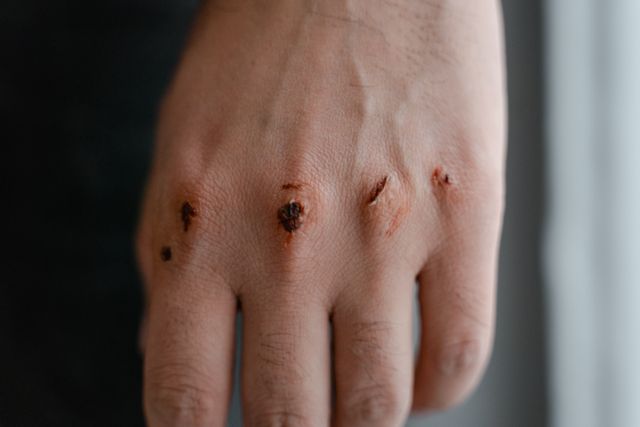
Wound healing is a complex biological process that involves several coordinated activities, including blood clotting, inflammation, tissue repair and the formation of new skin. Although many minor wounds heal naturally, the recovery process can become complicated when a wound is deep, infected, exposed to repeated pressure or affected by underlying health conditions. Chronic wounds, particularly those associated with diabetes, poor circulation and prolonged immobility, may remain open for extended periods and require continuous medical attention.
Traditionally, wound assessment depends heavily on visual examination. Healthcare professionals observe changes in wound size, colour, tissue appearance, surrounding skin and the presence of discharge. These observations are important, but visible changes do not always reveal everything happening beneath the wound surface. Biological processes associated with inflammation, infection, tissue regeneration and blood supply may change before their effects become clearly visible.
Smart Wound Healing Intelligence explores how artificial intelligence could help interpret these subtle changes. By analysing wound images, temperature measurements, moisture levels, tissue characteristics and other physiological signals, AI systems may identify patterns associated with healing progress or potential complications. Instead of relying exclusively on occasional visual assessments, intelligent monitoring could provide a more detailed picture of how a wound changes over time.
The central possibility is that AI may help recognise early signs of an altered healing process before obvious deterioration or recovery becomes apparent. Although this technology is still developing, it could contribute to more personalised wound management, earlier clinical intervention and improved monitoring of patients who require long-term care.
Understanding the Biological Stages of Wound Healing
Wound healing is not a single event. It is a sequence of overlapping biological stages that help restore damaged tissue and protect the body from further injury. The process generally begins with haemostasis, during which blood vessels constrict and platelets help form a clot to control bleeding.
The inflammatory stage follows. Immune cells move towards the injured area, helping remove damaged tissue and protect against microorganisms. Inflammation is a necessary part of normal healing, but excessive or prolonged inflammation may interfere with tissue repair. This is particularly relevant in chronic wounds, where the normal progression of healing can become disrupted.
During the proliferative stage, the body begins rebuilding damaged tissue. New blood vessels develop, connective tissue forms and skin cells gradually move across the wound surface. These activities help fill the damaged area and establish the foundation for new tissue.
The final remodelling stage involves changes in collagen organisation and tissue strength. The newly formed tissue gradually matures, although the repaired area may not regain the exact structure or strength of the original skin.
These stages do not always occur in a perfectly predictable sequence. Different regions of the same wound may be at different stages of recovery. This complexity makes wound monitoring challenging and creates an opportunity for AI systems to analyse multiple indicators rather than relying on appearance alone.
Why Visual Wound Assessment May Not Be Enough
Visual examination remains an important part of wound care, but it has limitations. A wound may appear smaller while deeper tissue damage continues, or its surface may look relatively unchanged even as important biological processes are taking place beneath it. Lighting, camera angle, skin pigmentation, wound location and image quality can also influence how a wound appears during assessment.
Healthcare professionals may use measurements such as wound length, width and depth to monitor progress. They may also examine tissue colour, surrounding inflammation, moisture and the presence of drainage. However, these observations provide only selected information about a complex biological process.
Another challenge is that wound healing changes over time. A photograph taken during one appointment provides a snapshot, while meaningful assessment often requires comparing several observations collected under consistent conditions. Small changes may be difficult to recognise without organised records and accurate measurements.
AI could help address some of these limitations by analysing images and other measurements consistently. It may identify patterns that are difficult to detect through casual observation and compare new information with the patient’s previous wound assessments.
However, AI should not replace clinical examination. Visual analysis cannot reliably identify every infection, assess all deeper tissue damage or determine the cause of delayed healing. Its role should be to support healthcare professionals with additional information.
How AI Interprets Early Changes in Wound Healing
AI-powered wound monitoring systems can process different types of information to estimate how a wound is progressing. Computer vision models can analyse photographs to identify the wound boundary, measure its area and examine changes in tissue appearance. Machine learning systems can compare these observations across multiple dates and identify patterns associated with healing or deterioration.
For example, a model may detect that the wound area is gradually decreasing, the distribution of visible tissue types is changing or the surrounding skin is showing signs of increased redness. When combined with previous measurements, these observations may help identify whether the wound is following an expected recovery pattern.
AI may also examine changes that are not immediately obvious in a single photograph. A small but consistent increase in wound dimensions across several assessments may be more meaningful than one isolated measurement. Similarly, changes in temperature or moisture may provide additional context when interpreted alongside visual information.
More advanced systems could combine multiple data sources to estimate the likelihood of delayed healing or other complications. These predictions would not confirm a diagnosis, but they could help identify wounds that may require closer clinical evaluation.
The accuracy of such systems depends on the quality of the images, sensor measurements and training datasets. They must also be tested across different wound types, skin tones, anatomical locations and healthcare settings.
Wound Temperature Intelligence: Detecting Changes Beneath the Surface
Temperature can provide useful information about the biological environment surrounding a wound. Inflammation and increased blood flow may influence local temperature, while certain infections can produce changes in the temperature pattern of affected tissue. However, temperature is only one indicator and must be interpreted carefully.
AI-powered wound monitoring systems could analyse temperature measurements collected through specialised sensors or thermal imaging devices. Instead of considering a single reading, a model could compare temperature patterns across different areas of the wound and surrounding skin.
For example, repeated measurements may reveal that one region remains warmer than neighbouring tissue or that temperature differences are changing over time. These patterns could prompt further assessment, particularly when they occur alongside other signs of inflammation or delayed recovery.
Thermal imaging may also help identify variations that are difficult to observe through ordinary photographs. However, temperature measurements can be influenced by environmental conditions, recent physical activity, device calibration and the location of the sensor.
A warm area does not automatically indicate infection, and a normal temperature reading does not rule it out. AI systems must therefore avoid treating temperature as a standalone diagnostic signal. Its value is greatest when combined with clinical observations and other relevant measurements.
Analysing Wound Moisture and Exudate Patterns
Moisture plays an important role in wound healing. An appropriate level of moisture supports cell migration and tissue repair, while excessive moisture can damage surrounding skin and contribute to complications. Wound exudate, the fluid released from a wound, may contain substances associated with inflammation, tissue breakdown and the body’s repair response.
Changes in the amount, appearance and characteristics of exudate can provide useful information about the wound environment. However, these changes are not always easy to interpret visually, and their significance depends on the type of wound and its clinical condition.
Smart wound dressings are being developed to monitor selected characteristics of the wound environment. Depending on their design, they may include sensors that measure temperature, pH, moisture or other indicators. AI could analyse the resulting data and identify changes that may deserve attention.
For example, a monitoring system may detect that moisture levels are repeatedly exceeding a defined range or that the wound environment is changing in a way associated with delayed healing. This information could help healthcare professionals review dressing selection and wound management.
However, sensor measurements must be carefully validated. Different wound types produce different levels of exudate, and a change in moisture alone cannot establish whether healing is improving or deteriorating.
Predicting Infection Risk Before Severe Symptoms Develop
Infection is a major concern in wound management because it can delay healing and, in serious cases, lead to wider health complications. Early recognition is important, but infection does not always produce obvious symptoms immediately. Some changes may be subtle, especially in patients with reduced sensation, impaired circulation or other medical conditions.
AI could potentially support infection-risk assessment by examining several indicators together. These may include changes in wound appearance, temperature patterns, exudate characteristics, tissue condition and the progression of wound dimensions.
A model trained on clinically assessed wound data may learn patterns associated with infections or other complications. When new measurements resemble these patterns, the system could flag the wound for professional review.
The advantage of combining indicators is that no single measurement needs to carry the entire assessment. A temperature increase may be less meaningful on its own, but its presence alongside increasing redness, worsening drainage and other concerning changes may justify further examination.
Nevertheless, AI cannot reliably confirm infection through photographs or wearable sensors alone. Clinical evaluation may require examination, laboratory testing or microbiological investigation. Any alert generated by an AI system should be treated as a prompt for appropriate medical assessment rather than a diagnosis or instruction to begin treatment.
Smart Dressings and Connected Wound Monitoring
Traditional wound dressings primarily protect the injured area, absorb fluid and support an appropriate healing environment. Smart dressings aim to extend this role by incorporating sensors that monitor selected conditions within or around the wound.
Depending on their design, these dressings may measure temperature, moisture, pH or other indicators. Some experimental systems are designed to transmit measurements wirelessly to an external device, allowing healthcare professionals to review changes without removing the dressing every time.
AI could make these systems more useful by analysing measurements over time. Instead of presenting a series of disconnected readings, software could identify trends, compare them with previous observations and highlight unusual changes.
For example, a smart dressing might record repeated temperature and moisture measurements. An AI system could analyse whether these readings are stable, gradually changing or showing a pattern that requires further investigation. This may help clinicians decide when a wound needs reassessment.
However, smart dressings must remain safe, comfortable and suitable for the intended wound type. Sensors must not interfere with normal healing, cause skin irritation or compromise the protective function of the dressing. Their measurements must also remain reliable despite movement, moisture exposure and changes in contact with the skin.
Personalised Healing Predictions Through Longitudinal Data
Wound recovery differs significantly between individuals. Age, nutrition, blood circulation, diabetes, medication, immune function and wound location can all influence the healing process. Two wounds that appear similar at the beginning may follow very different recovery paths.
AI could help account for this variation by examining each patient’s measurements over time. Instead of comparing every wound against one fixed pattern, a system could develop a record of the individual’s healing progress and identify changes relative to earlier observations.
For example, a patient with a chronic wound may undergo regular assessments over several weeks. The AI platform could examine changes in wound area, tissue appearance and sensor readings. It may identify whether the wound is showing consistent improvement or whether progress has slowed compared with its earlier pattern.
This approach could support more personalised monitoring. A healthcare professional might use the information to decide whether the current wound-care strategy should be reviewed or whether additional investigations are needed.
However, personalised predictions must be interpreted carefully. A model may identify statistical patterns without understanding every underlying biological cause. It should not make treatment decisions independently or assume that all changes represent the same clinical process.
Supporting Chronic Wound Management
Chronic wounds can be particularly difficult to manage because they may remain open for weeks or months. They are often associated with conditions such as diabetes, venous disease, arterial insufficiency and prolonged pressure. These underlying problems can interfere with the normal healing process and increase the risk of complications.
Regular monitoring is important, but repeated clinic visits may be difficult for some patients. Remote wound assessment supported by AI could help healthcare professionals review changes between appointments, particularly when patients or trained caregivers can collect consistent photographs and measurements.
AI may help measure wound dimensions, organise image records and identify changes that require clinical attention. When combined with information about symptoms, medical history and relevant sensor readings, it could provide a more comprehensive monitoring record.
For patients with diabetic foot ulcers, for example, regular assessment is important because reduced sensation may make it difficult to recognise worsening tissue damage. AI-assisted monitoring could potentially help identify changes that deserve prompt professional evaluation.
Nevertheless, remote monitoring must not create a false sense of security. Patients with chronic wounds still require appropriate clinical care, assessment of underlying causes and timely intervention when complications develop.
The Role of Computer Vision in Measuring Wound Progress
Computer vision is one of the most established AI approaches relevant to smart wound monitoring. It enables software to interpret images and identify visual features that may be important for assessment.
A computer vision model can be trained to distinguish wound tissue from surrounding skin, estimate wound boundaries and measure changes in area. More advanced models may classify visible tissue characteristics, such as granulation tissue, slough and eschar, when image quality and clinical validation are sufficient.
Accurate measurement requires consistent image collection. Differences in distance, lighting, camera angle and scale can affect the results. Some systems use reference markers or image-calibration methods to improve measurement consistency.
AI may also compare images collected across multiple visits to identify changes that are too subtle to recognise easily through manual comparison. This can help organise wound records and support more objective progress tracking.
However, image-based analysis has limitations. Blood, dressings, shadows, skin pigmentation and variations in photography can affect model performance. A system trained using images from one population may not work equally well across all skin tones and wound types. Diverse training data and independent clinical testing are essential.
Challenges in Accuracy, Clinical Validation and Safety
Although smart wound healing intelligence has considerable potential, several challenges must be addressed before it can become a dependable part of routine healthcare.
The first challenge is biological complexity. Wounds differ in their causes, depth, location and surrounding tissue conditions. A model developed for pressure injuries may not perform equally well when assessing surgical wounds or diabetic ulcers. AI systems therefore need clearly defined clinical applications.
Data quality is another major concern. Wound photographs may be inconsistent, sensor readings may be affected by environmental conditions and clinical records may contain missing information. If these problems are not addressed, an AI model may produce unreliable assessments.
False alerts also present a practical challenge. If a system frequently identifies normal healing changes as possible complications, healthcare professionals may experience alert fatigue. Conversely, missed warnings could delay clinical evaluation. Models must be tested carefully to balance sensitivity and specificity for their intended use.
Clinical validation should establish whether AI-supported monitoring improves the quality of wound assessment, reduces unnecessary visits or helps identify complications earlier. It is not enough to demonstrate that an algorithm can measure images accurately in a laboratory. It must show that its use provides meaningful benefits in real healthcare environments.
Privacy and Ethical Considerations
Wound images and associated medical measurements are sensitive health information. Photographs may contain identifying details, and records may reveal a patient’s medical history, treatment progress and underlying conditions. Connected monitoring systems must therefore protect data throughout collection, storage and transmission.
Patients should understand what information is recorded, how AI analyses it and who can access the results. Secure storage, encrypted communication and appropriate access controls are important safeguards.
There is also a need for transparency. AI systems should explain whether a result represents a direct measurement, a statistical prediction or a clinical recommendation. Users must understand that an alert does not establish a diagnosis and that an apparently normal result cannot rule out every complication.
Equitable performance is another ethical requirement. AI models should be evaluated across different skin tones, ages, wound types and healthcare settings. If a system performs poorly for particular populations, it could increase rather than reduce inequalities in wound care.
The Future of Smart Wound Healing Intelligence
Future wound monitoring systems may combine AI-powered image analysis, smart dressings, temperature sensors and connected healthcare platforms. This could create a more continuous picture of wound development, allowing clinicians to examine changes between scheduled appointments.
Advances in sensor technology may make smart dressings more comfortable and capable of collecting several types of information. AI models may become better at integrating these measurements and identifying patterns associated with healing progress or possible complications.
Another promising direction is predictive wound modelling. Rather than simply reporting current wound dimensions, an AI system may estimate whether the wound is likely to follow an expected recovery trajectory based on its previous measurements and relevant clinical information. Such predictions would require substantial validation and should be used to support, rather than replace, professional judgement.
Remote monitoring could also become more integrated with electronic health records and telemedicine platforms. This may help healthcare teams review wound images, monitor trends and coordinate care for patients who cannot easily attend frequent appointments.
The most useful systems will not necessarily be those that collect the largest amount of data. They will be those that provide accurate, understandable and clinically relevant information without creating unnecessary alerts or placing additional burdens on patients and healthcare professionals.
Conclusion
Smart Wound Healing Intelligence could transform wound monitoring by helping healthcare professionals interpret changes that may not be obvious through visual examination alone. By combining AI-based image analysis with temperature, moisture and other physiological measurements, these systems may provide a more detailed understanding of how wounds develop over time.
Their potential applications include chronic wound management, infection-risk assessment, smart dressings and remote patient monitoring. AI could help identify changes in wound dimensions, recognise unusual patterns and compare healing progress with an individual’s previous assessments.
However, early pattern detection is not the same as confirming infection or predicting recovery with certainty. Wound healing is influenced by complex biological and medical factors, and AI predictions must be validated against clinical outcomes. Privacy, fairness, data quality and professional oversight will remain essential.
The future of wound care may involve a shift from occasional visual assessment towards more consistent, data-supported monitoring. If developed responsibly, smart wound healing intelligence could help clinicians recognise important changes earlier, personalise treatment decisions and improve the management of wounds that require long-term attention.
Online Internship with Certificate
You may be interested
Retinal Microvascular Intelligence: Early Signs of Changes Beyond Eye Health
Anshika Jain - November 5, 2026The human eye provides more than the ability to see. It also offers a unique opportunity to observe biological structures that reflect the condition of the body's…
Hair Follicle Biology AI: Machine Learning Distinguish Nutritional Factors
Anshika Jain - November 5, 2026Hair changes are often treated as cosmetic concerns, but the biology behind hair growth is considerably more complex. Hair thinning, excessive shedding, changes in texture and reduced…
Cartilage Health Modelling: Structural Changes Associated With Joint Deterioration
Anshika Jain - November 5, 2026Joint health depends on the coordinated functioning of several structures, including cartilage, bones, ligaments, tendons, muscles and the surrounding synovial tissue. Among these components, articular cartilage plays…
Most from this category
Muscle Regeneration Intelligence: Nutritional Patterns Support Muscle Repair
Anshika Jain - November 5, 2026
Bioprinting Quality Intelligence: Lab-Printed Human Tissue Will Function Properly
Anshika Jain - November 5, 2026
Proprioceptive Health Intelligence: Brain Understands Body Position and Movement?
Anshika Jain - November 4, 2026
Neuroplasticity Mapping: Daily Experiences Reshape Learning and Cognitive Adaptation
Anshika Jain - November 4, 2026
Muscle Regeneration Intelligence: Nutritional Patterns Support Muscle Repair
Anshika Jain - November 5, 2026Bioprinting Quality Intelligence: Lab-Printed Human Tissue Will Function Properly
Anshika Jain - November 5, 2026Proprioceptive Health Intelligence: Brain Understands Body Position and Movement?
Anshika Jain - November 4, 2026

.png)
Leave a Comment
You must be logged in to post a comment.