
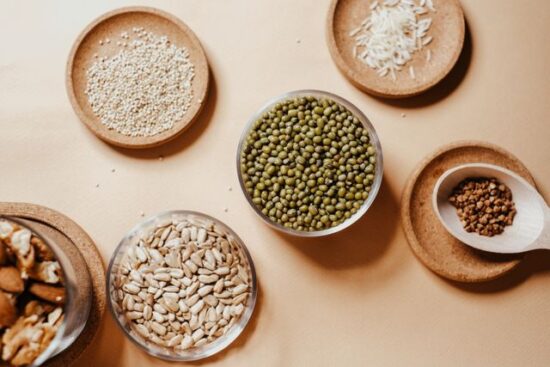
Millets Are Back: Why Traditional Grains Are Finding a Place on Modern Plates
Anshika Jain - September 22, 2026For generations, millets were an important part of traditional diets across India and many other regions of Asia and Africa. Long before modern supermarkets filled their shelves…
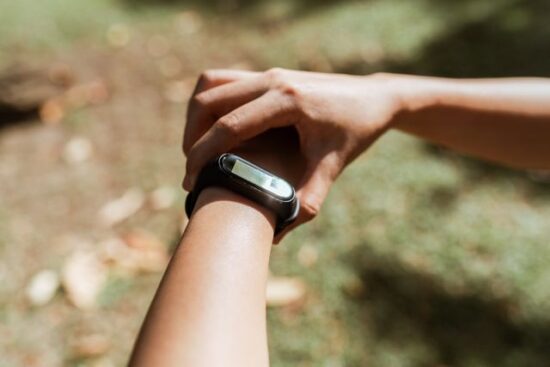
Smartwatches and Fitness: Are People Becoming More Aware of Their Daily Activity?
Anshika Jain - September 21, 2026Fitness has traditionally been associated with structured activities such as gym workouts, running, sports, yoga and organised exercise programmes. However, the growing popularity of smartwatches and wearable…
AI Nutrition vs Human Nutritionists: How Technology Is Entering Personal Diet Planning
Anshika Jain - September 21, 2026Personal nutrition has traditionally been shaped by conversations between individuals and trained nutritionists or dietitians. A person may describe their eating habits, lifestyle, health goals, food preferences,…

The New Health Influencer: How Social Media Is Changing the Way People Learn About Wellness
Anshika Jain - September 21, 2026The way people learn about health and wellness has changed significantly with the rise of social media. In the past, individuals often depended on doctors, newspapers, television…
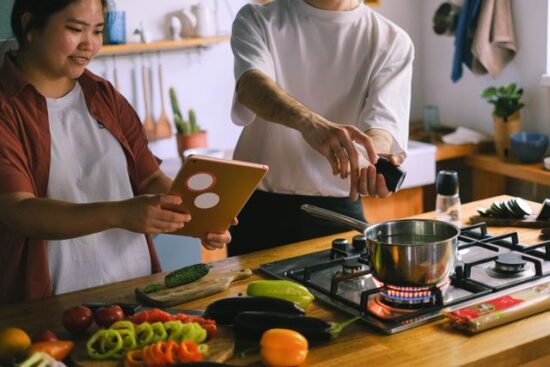
Smart Kitchens and Healthy Eating: How Technology Could Change What We Eat
Anshika Jain - September 21, 2026The kitchen has always been an important part of everyday life, but technology is changing what the modern kitchen can do. Connected appliances, smart refrigerators, artificial intelligence,…
Why Healthy Habits Are Becoming More Important Than Quick Fixes
Anshika Jain - September 21, 2026Modern life has made almost everything faster. People can order food within minutes, communicate instantly, access information at any time, and use technology to simplify countless everyday…
The New Meaning of Self-Care: Beyond Skincare and Spa Days
Anshika Jain - September 21, 2026Self-care has become one of the most visible lifestyle concepts of the modern era. For many years, the idea was commonly associated with skincare routines, relaxing baths,…
The Rise of Slow Living: Can Doing Less Become a Healthier Lifestyle?
Anshika Jain - September 18, 2026Modern life often encourages people to stay busy. Professional responsibilities, academic goals, social commitments, digital communication, and personal ambitions can create schedules filled with constant activity. Many…
Work, Screens and Stress: Why Modern Life Is Changing How People Rest
Anshika Jain - September 18, 2026Rest has always been an important part of human well-being, but modern lifestyles are changing how people experience it. In earlier generations, the end of a working…
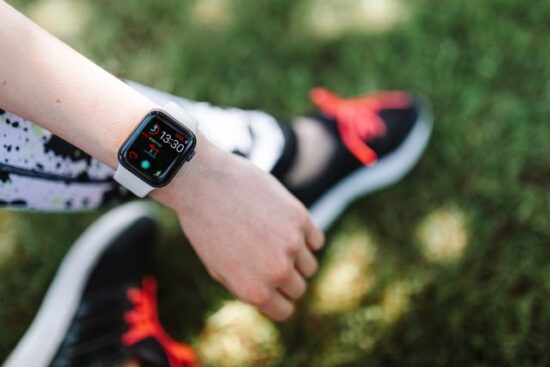
From Step Counters to AI Coaches: The Evolution of Digital Fitness
Anshika Jain - September 18, 2026Fitness has always been an important part of personal well-being, but the way people exercise and monitor their progress has changed significantly over time. Earlier, individuals often…
.png)