
Polygenic Risk Scores: Can Thousands of Genetic Variants Improve Disease-Risk Assessment?
Anshika Jain - October 6, 2026For decades, medicine has tried to answer a deceptively difficult question: how likely is an individual to develop a particular disease? Traditional risk assessment usually combines factors…
Genomic Revolution in Healthcare: From Genetic Risk Scores to Personalized Medicine
Anshika Jain - October 6, 2026Healthcare is entering an era in which the genetic information carried by an individual can increasingly become part of routine medical decision-making. For much of modern medicine,…
Trained Immunity: Can the Innate Immune System Develop a Form of Biological Memory?
Anshika Jain - October 6, 2026For decades, immunological memory was considered one of the defining characteristics of the adaptive immune system. After encountering a pathogen, B cells and T cells can undergo…

The Virome Within Us: Exploring the Viruses That Naturally Reside in the Human Body
Anshika Jain - October 6, 2026When people hear the word “virus,” they usually think about infection, disease, fever, respiratory illness, or outbreaks. Modern microbiology, however, is revealing a much more complicated relationship…

Postbiotics and the Next Generation of Microbiome-Based Health Research
Anshika Jain - October 6, 2026The human microbiome has become one of the most important areas of modern biomedical research. Scientists now understand that the microorganisms living in the gastrointestinal tract are…
Brain–Computer Interfaces: How Neural Signals Could Become a New Communication Pathway
Anshika Jain - October 6, 2026Human communication has traditionally depended on physical pathways. We speak by coordinating the brain, vocal muscles, tongue, lips, and respiratory system; We write or type by controlling…

Neuroplasticity Across the Lifespan: Can the Adult Brain Continue Reorganizing Itself?
Anshika Jain - October 5, 2026For much of modern history, scientists believed that the human brain was largely fixed after childhood. The prevailing assumption was that brain development followed a relatively predictable…
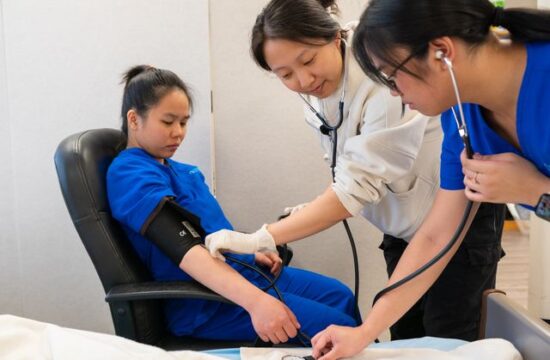
Federated Learning in Healthcare: Training Medical AI Without Centralizing Sensitive Patient Data
Anshika Jain - October 5, 2026Artificial intelligence is becoming increasingly important in healthcare, where machine learning systems can assist with medical imaging, clinical decision-making, disease prediction, drug discovery, patient monitoring, and hospital…
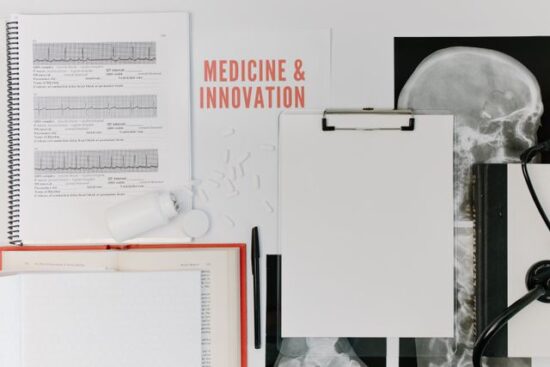
Problem of Algorithmic Bias in Medicine: When Historical Healthcare Data Shapes Future Decisions
Anshika Jain - October 5, 2026Artificial intelligence is becoming an increasingly important part of modern healthcare. Machine-learning systems can analyse medical images, estimate disease risk, identify patterns in electronic health records, support…

AI and Clinical Uncertainty: Can Algorithms Help Physicians Reason Through Ambiguous Cases?
Anshika Jain - October 5, 2026Medicine is often presented as a discipline of finding the correct diagnosis from a collection of symptoms, test results and clinical observations. In reality, many medical decisions…
.png)