

Reward Prediction in Eating: AI Model the Gap Between Expected and Experienced Food Satisfaction
Anshika Jain - October 29, 2026Eating is not simply a biological process driven by hunger and nutritional requirements. It is also an experience shaped by anticipation, sensory perception, memory, emotion, and the…
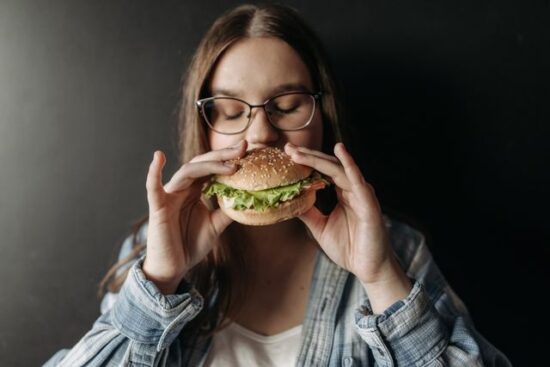
Flavor Expectation Engineering: Can AI Predict How Food Expectations
Anshika Jain - October 29, 2026The experience of eating begins long before food reaches the tongue. The appearance of a dish, its aroma, color, texture, presentation, name, price, cultural significance, and the…

Decision Fatigue Nutrition: AI Detect When Mental Exhaustion Begins Changing Food Choices?
Anshika Jain - October 29, 2026Food choices are often described as the result of hunger, taste preferences, nutritional knowledge, and personal discipline. In reality, eating decisions are also influenced by the mental…

Personal Health Model Drift: Health AI Become Less Accurate as a Person’s Life Changes
Anshika Jain - October 29, 2026Artificial intelligence is increasingly being used to analyze personal health information, interpret wearable-device measurements, estimate health risks, and support decisions about exercise, sleep, nutrition, and chronic disease…

Immune Recovery Forecasting: AI Estimate How Lifestyle Changes Influence Recovery
Anshika Jain - October 29, 2026The human body constantly responds to physiological stress. Intense exercise, sleep deprivation, psychological pressure, infections, nutritional deficiencies, and demanding work schedules can all influence the body's internal…

Clinical Uncertainty Budgets: Health AI Be Allowed Before It Recommends Action
Anshika Jain - October 29, 2026Artificial intelligence is increasingly being used to interpret medical images, estimate disease risks, analyze laboratory results, monitor chronic conditions, and support clinical decisions. These systems can identify…

Counterfactual Physiology Engines: What Would Have Happened to the Body Under Lifestyle?
Anshika Jain - October 28, 2026Human physiology is shaped by thousands of interconnected influences, including sleep, nutrition, physical activity, stress, environmental exposure, medication, and daily routines. Over time, these factors can affect…

Interoceptive Calibration: AI Study How People Perceive Their Own Bodily Signals?
Anshika Jain - October 28, 2026The human body continuously produces signals that reflect changes in its internal condition. Heartbeat, breathing, hunger, thirst, temperature, fullness, muscle tension, and the urge to use the…
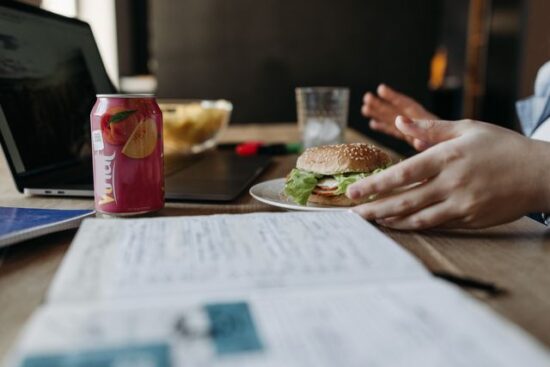
Appetite–Energy Mismatch: AI Explain Why Hunger and the Body’s Energy
Anshika Jain - October 28, 2026Hunger is often treated as the body's natural signal that it needs energy. When energy availability decreases, appetite may increase, encouraging a person to eat and restore…
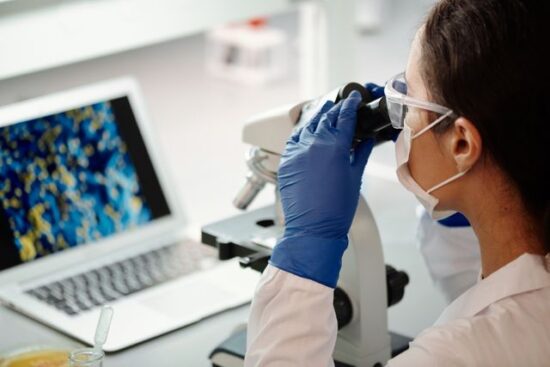
Cross-Omics Causal Discovery: Can AI Connect Molecular Changes With Everyday Dietary Exposures?
Anshika Jain - October 28, 2026Everyday dietary choices influence the human body through biological processes that extend far beyond the nutrients listed on a food label. A meal can affect blood glucose,…
.png)