

Computational Gastronomy: How AI Is Decoding the Molecular Architecture of Flavour
Anshika Jain - October 22, 2026Flavour is one of the most complex experiences produced by food. A dish may contain hundreds or thousands of chemical compounds that interact with one another, change…

Hyperspectral Imaging in Food Safety: Detecting Hidden Quality Changes
Anshika Jain - October 22, 2026Food safety inspection has traditionally relied on visual examination, laboratory testing, and established chemical and microbiological methods. Colour, shape, texture, and visible defects can provide useful information…

Toward a Systems Biology of Eating: Integrating Food Chemistry and Environmental Context
Anshika Jain - October 22, 2026Eating is one of the most fundamental human behaviours, yet its underlying mechanisms are remarkably complex. The decision to eat, the selection of a particular food, the…
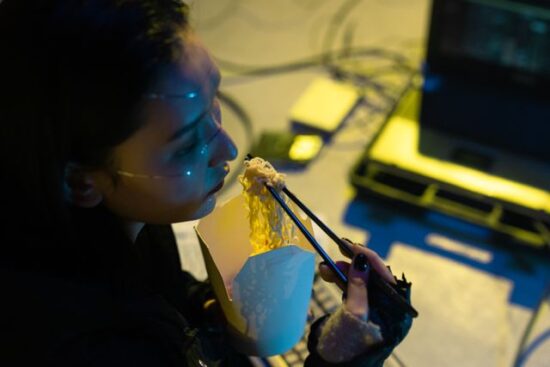
Computational Food–Human Interface: Biological Regulation
Anshika Jain - October 22, 2026Food is not a passive collection of nutrients entering the human body. It is a dynamic physical and chemical system that changes continuously during chewing, digestion, absorption,…

Limits of Algorithmic Eating: Human Nutrition
Anshika Jain - October 22, 2026The integration of artificial intelligence, machine learning, and computational modelling into nutrition has created new possibilities for understanding dietary habits and designing personalised eating plans. Digital nutrition…

From Ingredient Chemistry to Clinical Outcomes: Evidence-Based Architecture
Anshika Jain - October 22, 2026Nutrition science is entering a period in which understanding what food contains is no longer sufficient to explain what it does inside the human body. Advances in…
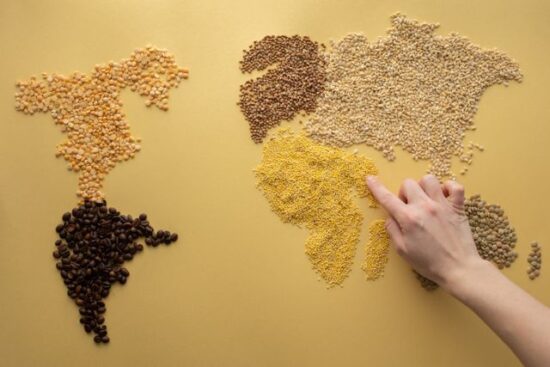
Environmental Trade-Offs of Alternative Proteins: Evaluating Systems Together
Anshika Jain - October 21, 2026Alternative proteins are becoming increasingly important in discussions about food security and environmental sustainability. Conventional livestock production requires land, feed, water, and energy, while also contributing to…
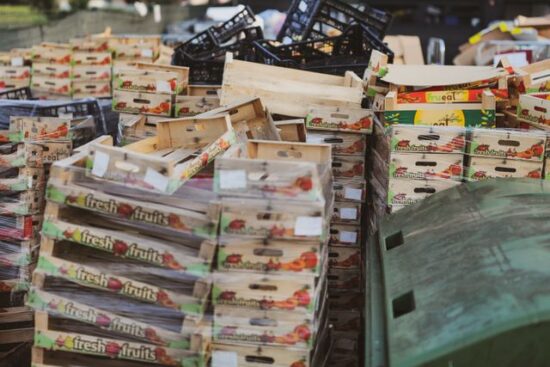
Science of Food Waste Valorisation: Recovering Nutrients From Materials
Anshika Jain - October 21, 2026Food waste presents a significant environmental challenge, but it also represents a largely underused source of valuable resources. Fruit peels, vegetable trimmings, cereal bran, dairy residues, and…
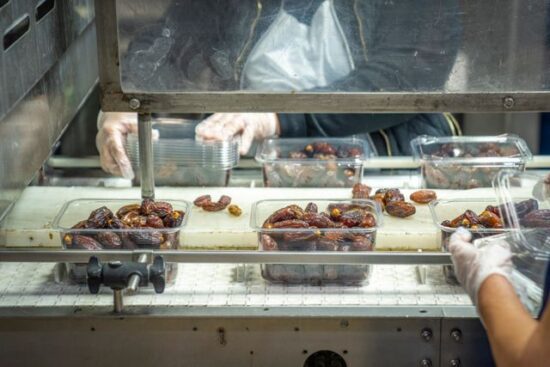
Personal Food Manufacturing: Automated Systems Produce Meals
Anshika Jain - October 21, 2026Food manufacturing has traditionally focused on producing consistent products for large consumer groups. Manufacturers develop recipes, standardize ingredients, and maintain quality across production batches. However, people have…
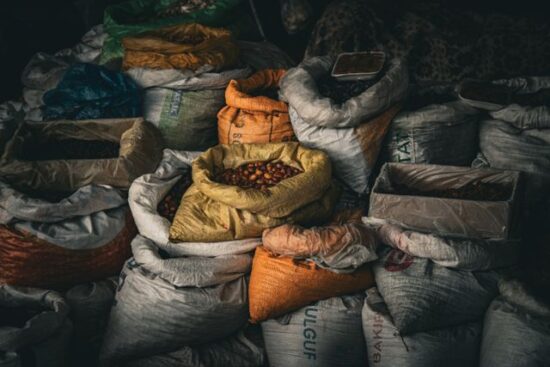
Hidden Chemistry of Urban Food Environments: Nutritional Quality
Anshika Jain - October 21, 2026Urban food environments are complex systems that connect farms, warehouses, transport networks, processing facilities, retailers, restaurants, and households. Every stage influences the quality of food before it…
.png)