
Health Improvement Is Temporary Rather Than a Genuine Long-Term Change


A noticeable improvement in health can be encouraging. Someone may experience better energy after changing their breakfast, sleep more comfortably after following a new evening routine, or notice improved exercise performance after several days of consistent training. These changes can create the impression that a new habit is producing lasting results. However, not every improvement represents a genuine long-term change. Some health indicators fluctuate naturally, while others respond temporarily to changes in sleep, hydration, stress, food intake, physical activity or environmental conditions.
For example, a person may feel unusually energetic after two nights of good sleep but return to their previous energy levels during a stressful working week. Another individual may observe a temporary increase in exercise performance after taking additional rest days, only to find that the improvement does not continue. Similarly, changes in body weight can occur because of variations in hydration, digestion and other short-term factors rather than a lasting change in body composition.
Understanding the difference between temporary progress and sustainable improvement is important for making informed health and lifestyle decisions. Artificial intelligence could help by analysing health information over longer periods instead of interpreting isolated measurements. By examining patterns across sleep, nutrition, exercise, recovery and daily habits, AI systems could estimate whether an observed improvement is consistent, recurring or likely to be temporary.
This approach could introduce a more thoughtful way of monitoring personal wellness. Rather than celebrating every positive measurement or becoming concerned about every decline, individuals could learn to recognise meaningful trends and understand the factors influencing their health. AI would not independently diagnose medical conditions or guarantee future outcomes. Its role would be to organise information, identify patterns and support better conversations with qualified healthcare professionals.
Why a Short-Term Health Improvement Does Not Always Mean Lasting Progress
Human health is influenced by several interconnected factors, and many indicators naturally change from one day to another. Sleep quality, energy levels, appetite, digestion, exercise performance and body weight can all fluctuate even when a person’s overall health remains relatively stable. These variations make it difficult to determine whether a new lifestyle habit is producing a lasting benefit.
Consider someone who begins following a vegetarian meal plan containing dal, vegetables, fruits, whole grains, nuts and other nutrient-rich foods. During the first few days, the individual may feel more energetic because their previous eating pattern was irregular and they are now eating more consistently. This improvement may be encouraging, but a few positive days are not enough to establish that the new routine has produced a lasting change.
The same situation can occur with exercise. A person who begins strength training may notice an improvement in lifting performance after a few sessions. This could be related to better familiarity with the exercises, improved technique, motivation or recovery. It does not necessarily indicate a sustained increase in strength.
Temporary improvements are not meaningless. They can provide useful information about how the body responds to changing routines. The challenge is understanding whether the improvement continues, appears repeatedly under similar circumstances or disappears when the surrounding conditions change.
AI could help distinguish these possibilities by examining multiple observations over time rather than treating a single positive result as proof of success.
How AI Could Analyse Health Changes Over Time
Traditional health-tracking applications often display individual measurements, such as daily step counts, sleep duration, calorie intake, weight or workout performance. Although these measurements are useful, interpreting them separately can create an incomplete picture. A single number rarely explains why a particular improvement occurred.
AI-based health analysis could bring different types of information together and examine how they change over time. For example, a system might compare sleep duration with reported energy levels, exercise performance, meal consistency and daily stress. If a person reports better energy for several weeks while maintaining a consistent sleep routine, the system could identify a more stable pattern than it would from one unusually productive day.
Machine learning models could examine historical records to identify normal fluctuations and recurring patterns. They could also compare recent observations with the individual’s previous baseline. This is important because a healthy routine does not look identical for everyone. A person’s normal sleep pattern, exercise capacity and energy levels may differ from those of another individual.
Instead of comparing every user against a universal target, a personalised system could evaluate changes in relation to the individual’s own historical information. It could identify whether an improvement is unusual, recurring or becoming more consistent.
However, the system would need sufficient and reliable information. Missing records, inaccurate measurements and changes in tracking devices could affect its conclusions. AI-generated assessments should therefore communicate uncertainty rather than presenting an estimated trend as a confirmed medical outcome.
Distinguishing Daily Fluctuations from Genuine Health Trends
One of the most important capabilities of an intelligent health-monitoring system could be its ability to distinguish normal daily fluctuations from longer-term patterns. A measurement may improve significantly on one day and decline the next without indicating that the person’s overall progress has changed.
For instance, daily body weight can vary because of fluid balance, food intake, digestion and other factors. A single lower measurement does not establish long-term fat loss, just as one higher measurement does not automatically indicate weight gain. Looking at a consistent series of measurements under comparable conditions can provide a more useful understanding of the broader pattern.
AI could apply trend analysis and statistical methods to reduce the influence of isolated fluctuations. It might calculate moving averages, identify unusual observations and examine whether an improvement remains visible across several measurement periods. It could also compare the duration and consistency of a change with the person’s previous patterns.
The system could classify an observation as an isolated improvement, an emerging trend or a sustained pattern. Such categories would be estimates rather than medical conclusions. Their purpose would be to help users avoid making major decisions based on a small number of measurements.
This capability could be particularly useful for individuals who become discouraged when progress appears inconsistent. Understanding that daily variation is normal may help them focus on sustainable habits instead of reacting to every change.
Analysing Sleep Improvements Beyond a Few Good Nights
Sleep is one of the clearest examples of how temporary improvements can be mistaken for lasting progress. A person may sleep well after reducing evening screen time, avoiding late caffeine or following a relaxing bedtime routine. However, a few comfortable nights do not necessarily establish that their sleep pattern has improved consistently.
AI could analyse sleep duration, regularity, reported sleep quality and waking patterns over longer periods. When connected to compatible wearable devices, it might also examine estimated sleep stages, movement and other recorded signals. These measurements have limitations and should not be treated as a clinical sleep assessment.
Suppose an individual begins following a regular bedtime schedule and notices improved morning energy. The assistant could compare the person’s sleep records and self-reported energy over several weeks. If the improvement continues even during moderately busy periods, the system might identify a more consistent relationship between the routine and the reported outcome.
It could also recognise when an apparent improvement depends on unusual circumstances. For example, longer sleep during a holiday may not represent a sustainable change if the person returns to irregular sleeping hours after resuming work.
Such analysis could help users understand whether their sleep-related improvements are becoming part of their normal routine. Persistent sleep difficulties, excessive daytime sleepiness or other concerning symptoms should still be discussed with a qualified healthcare professional.
Understanding Whether Nutritional Improvements Are Sustainable
Nutrition is another area where short-term improvements can create misleading conclusions. A person may feel lighter after replacing irregular meals with balanced vegetarian food. Someone else may notice better digestive comfort after increasing their intake of fruits, vegetables and fibre. These experiences may reflect useful changes, but their long-term significance depends on consistency, individual nutritional needs and other health factors.
AI could analyse meal records to identify whether a person’s dietary improvements are maintained over time. It could examine patterns involving vegetables, pulses, whole grains, fruits, dairy products or suitable plant-based alternatives, nuts and seeds. Rather than focusing only on individual meals, the system could evaluate the overall variety and consistency of the recorded diet.
For example, someone may follow a nutritious vegetarian breakfast routine for one week but return to skipping breakfast during a busy working period. AI could identify this inconsistency and suggest practical meal-preparation strategies. It might recommend preparing ingredients in advance or selecting convenient options such as moong dal chilla, vegetable poha or suitable paneer-based meals.
The system could also distinguish between an improvement in dietary organisation and a confirmed improvement in health. Eating more regularly may be a positive behavioural change, but it does not independently establish that a medical condition has improved or that nutritional requirements are being met.
For individuals managing deficiencies, digestive conditions or other medical concerns, dietary decisions should be guided by qualified healthcare professionals. AI could help organise food records and identify questions to discuss with a registered dietitian, but it should not replace professional nutritional assessment.
Evaluating Exercise Progress Without Overestimating Results
Fitness improvements can be particularly difficult to interpret because performance is influenced by training experience, motivation, sleep, recovery, hydration and exercise technique. Someone may complete more repetitions during one workout because they are well-rested, while another session may feel more difficult because of fatigue or a stressful day.
AI could examine exercise records across multiple sessions to identify whether improvements are becoming consistent. It might analyse changes in repetitions, resistance, workout duration, movement quality and perceived effort. When compatible devices are used, it could also incorporate movement measurements or heart-rate information, while recognising that consumer sensors have limitations.
Imagine a beginner who starts strength training three times a week. During the first two weeks, the person increases the number of repetitions in several exercises. An AI assistant could compare the results across sessions and identify whether the improvement appears consistently or occurred only during a particularly good workout.
It could also consider recovery patterns. If performance improves temporarily but fatigue and discomfort increase, the system should avoid interpreting the higher workout numbers as uncomplicated progress. Instead, it could encourage the user to review their training schedule and seek professional guidance when necessary.
The same principle applies to cardiovascular fitness, flexibility and endurance. A single successful workout should not be treated as proof of a lasting fitness improvement. Repeated observations, appropriate recovery and consistent training provide a more meaningful basis for evaluating progress.
Creating a Personal Health Baseline
For AI to recognise meaningful changes, it first needs an understanding of the individual’s usual patterns. This is known as establishing a personal baseline. Without a baseline, the system may incorrectly interpret normal variation as an improvement or decline.
A personal baseline could include typical sleep duration, daily activity, exercise frequency, meal patterns, energy levels and other information the individual chooses to record. Where appropriate and voluntarily provided, it might also include measurements from healthcare records. The system would need to distinguish self-reported information from device-generated measurements and clinically verified results.
Once sufficient historical data is available, AI could compare new observations with previous patterns. If a person usually reports low energy during particularly demanding workweeks but experiences improved energy over several consecutive weeks, the system could identify a possible positive trend.
The baseline should not remain fixed forever. People’s circumstances change as they grow older, change jobs, adjust exercise routines or experience different health conditions. AI could periodically review the baseline using new information, while making changes transparent to the user.
A personalised baseline would also reduce unnecessary comparisons with other people. Instead of suggesting that everyone should achieve identical sleep, exercise or nutritional patterns, the system could focus on changes relevant to the individual’s circumstances and professional healthcare guidance.
Identifying the Factors Behind Temporary Improvements
Recognising that an improvement is temporary is useful, but understanding why it occurred could provide even greater value. AI could examine whether a change appeared alongside a particular activity, environmental condition or lifestyle adjustment.
For example, an individual might report improved energy after taking several days away from work. The system could compare this period with earlier weeks and identify that the improvement coincided with longer sleep, reduced workload and more regular meals. It could then highlight these relationships as possible contributors without claiming that any one factor caused the improvement.
Similarly, someone might notice better exercise performance after increasing recovery time between workouts. AI could examine whether performance consistently improves when the person follows that recovery pattern. It could also identify other relevant changes, such as sleep duration or training intensity.
This type of analysis could help users discover which habits are associated with better outcomes. However, association does not prove causation. Multiple factors may change simultaneously, and the system may not have access to all relevant information.
For this reason, AI should present its findings as possible relationships rather than definitive explanations. When an improvement involves a medical symptom or an existing health condition, interpretation should remain under professional guidance.
A Practical Example of AI-Based Long-Term Health Assessment
Consider an individual who begins a new vegetarian nutrition and exercise routine. During the first week, the person reports improved energy, better digestion and increased motivation to exercise. A conventional tracking application might display these improvements as positive results without considering how long they last.
An AI-powered system could compare the first week’s information with subsequent records. It might observe that energy levels remain improved when the person maintains regular meals and adequate sleep, but decline during periods of missed meals and reduced rest. It could also identify that exercise performance improves gradually rather than continuously.
After several weeks, the assistant could provide a summary explaining which improvements appear consistent, which fluctuate and which require more observations. It might indicate that meal regularity has become a stable behavioural change while exercise performance still varies with recovery.
The system could then suggest practical steps, such as preparing meals in advance, maintaining a manageable exercise schedule and recording sleep patterns more consistently. It would not claim that the person’s overall medical health has improved unless this had been appropriately assessed.
This example demonstrates how AI could turn scattered daily observations into a more useful picture of personal progress.
The Role of Wearable Devices and Digital Health Records
Wearable devices could contribute valuable information to AI-based health trend analysis. Smartwatches, fitness bands and compatible monitoring devices can record measurements such as daily activity, heart rate, estimated sleep patterns and exercise sessions. These records could help the system understand how lifestyle patterns change over time.
Digital health records could provide another information source when users explicitly authorise access. Relevant laboratory results, clinician-recorded measurements and treatment information may help healthcare professionals assess whether a reported improvement is supported by clinical evidence.
However, consumer wearables do not measure every health indicator accurately, and their estimates can differ between devices. A change in device model, software or measurement method could also create an apparent improvement that is unrelated to the person’s actual health.
AI systems would therefore need to account for data quality and measurement limitations. They should identify missing information, recognise changes in tracking methods and avoid treating every device-generated measurement as clinically verified.
The combination of wearable information, personal observations and authorised healthcare records could provide a richer understanding of health trends, provided that the data is accurate, relevant and handled securely.
Challenges, Accuracy and Privacy Considerations
Despite its potential, AI-based health trend analysis would face important challenges. One major issue is insufficient data. If a person records health information only occasionally, the system may not have enough evidence to distinguish temporary changes from consistent patterns. Inaccurate food records, forgotten workouts and inconsistent device use could further affect the analysis.
Another challenge is the risk of incorrect interpretation. An AI system may identify a positive pattern that is actually related to an unrelated change, such as a new medication, illness, environmental condition or altered work schedule. It must not assume that a lifestyle adjustment is responsible for every improvement.
There is also a risk of excessive monitoring. Constantly tracking weight, sleep, food intake and exercise could create unnecessary anxiety for some users. Responsible systems should encourage balanced monitoring and allow individuals to choose which information they want to record.
Privacy must remain a central consideration. Personal health information is sensitive and should be protected through secure data storage, appropriate access controls, encryption and transparent consent. Users should understand how their information is processed and whether it is shared with third-party services.
Most importantly, AI-generated trends should not be confused with medical diagnoses. Sudden, persistent or concerning changes in health require appropriate medical attention, even when a digital assistant describes other indicators as improving.
The Future of AI-Powered Health Progress Monitoring
Future health assistants could move beyond displaying daily measurements and provide more detailed explanations of personal trends. They may combine nutrition records, sleep information, exercise patterns, stress reports and authorised medical data to build a more complete picture of changing routines.
More advanced systems could use time-series analysis to understand how health indicators develop across weeks or months. They might distinguish between an isolated improvement, a recurring pattern and a sustained change supported by several independent observations. They could also communicate confidence levels so that users understand when more information is needed.
Integration with digital healthcare platforms could make these systems more useful. With appropriate consent, users might share trend summaries with doctors, pharmacists or registered dietitians before appointments. This could help professionals understand how symptoms, lifestyle changes and treatment routines have developed between consultations.
Future systems may also become better at explaining uncertainty. Instead of simply declaring that a person has improved, an assistant could explain that a particular indicator has remained more consistent over several weeks, while other measurements still fluctuate.
Such developments could encourage a healthier approach to progress by focusing on sustainable patterns rather than immediate results.
Conclusion
AI could help people distinguish temporary health improvements from genuine long-term changes by analysing personal health information over time. Through the examination of sleep, nutrition, exercise, recovery, energy levels and daily routines, intelligent systems could identify patterns that are difficult to recognise through isolated measurements.
The greatest value of this technology would be its ability to provide context. A single positive day may be encouraging, but a consistent improvement across several weeks offers a different level of information. By comparing new observations with personal baselines and identifying possible lifestyle relationships, AI could help individuals understand their progress more realistically.
However, long-term health cannot be evaluated through digital measurements alone. Data quality, medical circumstances, professional assessment and individual differences all matter. AI should support informed decisions rather than make medical conclusions independently.
As digital health technology develops, intelligent trend analysis could help people focus less on short-term fluctuations and more on sustainable habits. It could encourage individuals to build routines that support their well-being over time, while recognising that meaningful health progress is often gradual, personal and influenced by many interconnected factors.
Online Internship with Certificate
You may be interested

AI-Based Medication and Meal Coordination Intelligence: Avoid Conflicting Daily Health Routines
Anshika Jain - November 26, 2026Managing everyday health involves more than remembering to take medication or choosing nutritious food. People often follow several routines simultaneously, including prescribed medicines, breakfast and dinner schedules,…

Self-Care Response Simulator: Recovery Activity Is Appropriate for Particular Type of Fatigue
Anshika Jain - November 26, 2026Self-care is often discussed as a collection of activities that help people feel better, maintain their health and manage everyday pressure. However, not every recovery activity is…
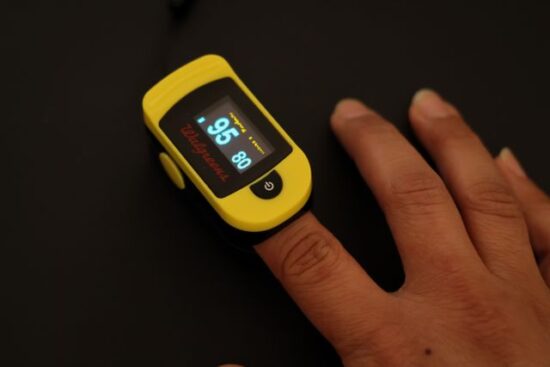
Personal Health Measurement Reliability AI: Device Is Producing Misleading Readings
Anshika Jain - November 26, 2026Wearable devices and home health monitoring technologies have changed how people observe their daily health. Smartwatches, fitness bands, digital thermometers, blood pressure monitors, weighing scales and home…
Most from this category

Movement Safety Windows: Daily Routine Reveal When High-Intensity Exercise Is Poor Choice
Anshika Jain - November 26, 2026
Personal Symptom Interaction Graph: Connections Between Unrelated Health Changes
Anshika Jain - November 26, 2026
Exercise Quality Score: Workout Was Effective Rather Than Just Counting Repetitions
Anshika Jain - November 25, 2026
AI Predict When Increasing Gym Weight Will Reduce Exercise Quality Instead of Improving Strength
Anshika Jain - November 25, 2026
Movement Safety Windows: Daily Routine Reveal When High-Intensity Exercise Is Poor Choice
Anshika Jain - November 26, 2026Personal Symptom Interaction Graph: Connections Between Unrelated Health Changes
Anshika Jain - November 26, 2026Exercise Quality Score: Workout Was Effective Rather Than Just Counting Repetitions
Anshika Jain - November 25, 2026


.png)
Leave a Comment
You must be logged in to post a comment.