
Nutritional Implications of Climate-Driven Crop Shifts


Climate change is transforming agricultural systems, influencing crop selection, growing seasons, soil conditions, and food production. Farmers are adapting to rising temperatures, changing rainfall patterns, prolonged droughts, and increasingly unpredictable weather. These changes affect not only the quantity of food produced but also its nutritional composition.
Food security is often measured through availability, affordability, and access. However, adequate food production does not always guarantee adequate nutrition. Crops may provide sufficient calories while containing different concentrations of protein, minerals, vitamins, and other beneficial compounds. Such changes could influence the nutritional quality of diets, particularly among populations that depend heavily on staple foods.
Climate-driven crop shifts introduce another layer of complexity. Farmers may replace traditional crops with varieties better suited to changing conditions. Regions may begin cultivating different species, while existing crops may move into new geographical areas. These adaptations can change the balance of nutrients available through local food systems.
Understanding these changes requires collaboration between agricultural science, environmental research, nutrition, and public health. It also requires distinguishing established evidence from potential future outcomes. Although climate change does not affect every crop in the same way, research increasingly indicates that environmental conditions can alter the nutritional characteristics of important foods.
Understanding Climate-Driven Crop Shifts
Why Farmers Are Changing Their Cropping Patterns
Crop selection depends on temperature, rainfall, soil fertility, water availability, growing-season length, and the likelihood of extreme weather. Climate change alters these conditions, making some traditional cropping systems less reliable.
In regions experiencing frequent heatwaves or prolonged droughts, farmers may shift toward crops with shorter growing seasons or greater tolerance to water stress. Other regions may experience changes in suitable planting dates, crop varieties, or the geographical range of particular species.
For example, changing rainfall patterns can influence whether farmers continue cultivating water-intensive crops or adopt alternatives suited to limited water availability. Higher temperatures may also affect flowering, pollination, grain filling, and crop maturity. These pressures can encourage farmers to select varieties that perform better under local conditions.
However, adaptation decisions rarely depend on climate alone. Market prices, irrigation infrastructure, seed availability, government policies, consumer demand, and agricultural knowledge also influence crop choices. Climate-driven crop shifts therefore emerge from interactions between environmental pressures and economic decisions.
Crop Productivity Does Not Equal Nutritional Quality
A crop that produces more grain under particular conditions does not necessarily provide more nutrients per unit of food. Yield and nutritional composition are related but distinct measurements.
Elevated atmospheric carbon dioxide can stimulate photosynthesis in many crops, particularly those using the C3 photosynthetic pathway. Under suitable conditions, this may increase biomass or yield. However, greater carbohydrate accumulation can coincide with lower concentrations of certain nutrients, including protein, iron, and zinc.
The Intergovernmental Panel on Climate Change has summarised evidence showing reductions in important nutrients in some crops exposed to elevated carbon dioxide. The magnitude varies by crop species, cultivar, and environmental conditions. The IPCC’s assessment of climate change and food systems explains why nutritional quality deserves attention alongside agricultural productivity.
This distinction is important because agricultural adaptation strategies often prioritise yield stability. Future crop planning must also consider nutrient density, food quality, and the nutritional needs of populations that depend on those crops.
How Rising Temperatures Can Change Food Composition
Heat Stress and Crop Development
Temperature influences the biochemical processes responsible for plant growth and nutrient accumulation. When temperatures exceed a crop’s optimal range, heat stress can disrupt photosynthesis, accelerate development, and shorten the period available for grain filling.
In cereals such as wheat, grain filling determines how carbohydrates, proteins, and minerals accumulate in developing kernels. Excessive heat during this stage can reduce grain weight and alter protein concentration, starch characteristics, and other quality attributes.
The resulting nutritional effects are not always uniform. Some compounds may become more concentrated because grain development is shortened, while others may decline because plants cannot synthesise or transport them efficiently. A change in concentration may also reflect a reduction in total grain mass rather than a direct increase or decrease in the total amount of a nutrient produced.
Research on wheat shows that temperature stress, drought, and elevated carbon dioxide can influence grain composition in different ways. These responses depend on cultivar characteristics, the timing and intensity of exposure, and the combination of environmental stressors.
Changes in Protein and Starch
Protein accumulation depends on nitrogen availability, plant metabolism, and the movement of nitrogen into developing seeds. Heat stress can interfere with these processes and affect the balance between protein and starch in cereal grains.
Higher temperatures may also change starch composition and the physical properties of flour. These differences can influence cooking behaviour, texture, digestibility, and suitability for particular food products.
For wheat, changes in protein composition can affect dough formation and baking performance. Consequently, climate-related nutritional changes may also influence food manufacturing and consumer acceptance.
These effects matter beyond industrial processing. If farmers adopt heat-tolerant varieties that differ nutritionally from traditional varieties, communities may experience changes in both food availability and dietary composition. Evaluating new varieties should therefore include nutritional and functional characteristics alongside yield and resilience.
Elevated Carbon Dioxide and Nutrient Dilution
Why Higher Carbon Dioxide Can Reduce Nutrient Concentrations
Atmospheric carbon dioxide provides the carbon plants use to produce sugars and other organic compounds. Higher concentrations can increase photosynthesis in many C3 crops, provided water, nutrients, and other growing conditions remain suitable.
However, the additional carbon accumulated by plants may not be accompanied by proportional increases in nitrogen and mineral uptake. This imbalance can reduce the concentration of certain nutrients relative to the total mass of edible plant material. Researchers commonly describe this process as nutrient dilution.
A major concern involves wheat, rice, and other staple crops. Experimental research has reported reductions in protein and selected minerals when some crops are grown under elevated carbon dioxide conditions. These findings are particularly important where diets depend heavily on cereals and contain limited alternative sources of essential nutrients.
A 2025 review examining wheat research describes how elevated carbon dioxide can affect nitrogen metabolism, mineral uptake, and nutritional quality. It also highlights the difficulty of predicting crop responses when carbon dioxide interacts with drought and heat stress.
Nutrient dilution does not occur equally across every species or growing environment. Legumes, C4 crops, and different cultivars may respond differently. Researchers must therefore avoid assuming that every crop will experience the same nutritional decline.
Implications for Iron, Zinc, and Protein Intake
Iron supports oxygen transport and several essential metabolic processes. Zinc contributes to immune function, growth, and tissue repair. Protein provides amino acids needed for maintaining muscles, producing enzymes, and supporting many other biological functions.
If the nutrient concentration of a staple food declines, people consuming the same quantity of that food may obtain less of certain nutrients. The effect could be especially important for populations with limited dietary diversity or existing micronutrient deficiencies.
The nutritional consequences depend on more than crop composition. Food intake, preparation methods, nutrient bioavailability, intestinal absorption, and the availability of alternative foods all influence actual nutrient status.
For example, a reduction in grain zinc concentration does not translate directly into an identical reduction in absorbed zinc. The presence of phytate and other dietary components can influence mineral absorption. Nevertheless, lower nutrient concentrations can increase the challenge of meeting nutritional requirements when alternative sources are limited.
Drought, Water Availability, and Soil Nutrients
How Water Stress Influences Plant Nutrition
Drought affects plant physiology in several interconnected ways. Limited water availability can reduce photosynthesis, restrict nutrient movement through the soil, and interfere with mineral uptake by roots.
Soil moisture influences the movement of nutrients toward roots and affects the activity of soil microorganisms. When drought persists, nutrient availability may decline even where the soil contains sufficient quantities of particular minerals.
Water stress can also reduce crop growth and alter the allocation of resources between leaves, stems, roots, and seeds. Depending on the crop and the severity of the stress, nutrient concentrations may increase, decrease, or remain relatively stable.
An apparent increase in nutrient concentration does not necessarily indicate improved nutritional quality. If a plant produces substantially less edible material, the total nutrient yield per hectare may still decline. Researchers must therefore distinguish nutrient concentration from the total quantity of nutrients harvested.
Soil Degradation and Changing Nutrient Availability
Climate-related changes in rainfall and temperature can influence soil organic matter, erosion, salinity, and nutrient cycling. Heavy rainfall may remove nutrient-rich topsoil, while prolonged drought can reduce biological activity and disrupt nutrient availability.
Salinity can further restrict water uptake and interfere with mineral balance in plants. In coastal agricultural regions, rising sea levels and saltwater intrusion may increase these pressures.
The nutritional consequences depend on local soil conditions and agricultural management. Fertiliser use, irrigation, crop rotation, and soil conservation can influence how environmental stress affects plant composition.
Long-term monitoring of soil health is therefore essential. Climate adaptation should consider the nutritional consequences of declining soil quality rather than focusing exclusively on immediate crop survival.
Climate-Driven Crop Shifts and Dietary Diversity
Replacing Traditional Crops With Climate-Resilient Alternatives
When environmental conditions change, farmers may replace traditional crops with varieties or species better suited to local conditions. These shifts can protect agricultural livelihoods and stabilise food production. However, they may also change the nutrient profile of the foods available to local communities.
For instance, replacing one cereal with another can alter the balance of protein, fibre, minerals, and other dietary components. Introducing drought-tolerant legumes may improve dietary diversity in some settings, especially when they provide an accessible source of plant protein.
The outcome depends on which crops are introduced and how communities use them. A climate-resilient crop that grows successfully but is unfamiliar to local consumers may not improve nutrition if demand remains low or suitable food preparation practices are unavailable.
Agricultural adaptation should therefore consider cultural preferences, local markets, storage conditions, and cooking practices. Crop diversity can contribute to nutritional resilience when new crops are both environmentally suitable and accepted by the communities that grow and consume them.
Changes in Fruits and Vegetables
Fruits and vegetables provide vitamins, minerals, fibre, and a wide range of plant compounds. Their composition can respond to temperature, water availability, sunlight, and other environmental factors.
Higher temperatures may affect fruit development, pigmentation, acidity, sugar accumulation, and the production of selected antioxidants. Water stress can also alter the concentration of certain compounds, although responses vary across species and growing conditions.
A rise in the concentration of one compound does not necessarily mean that overall nutritional quality has improved. For example, higher sugar concentration may occur alongside changes in water content, vitamin levels, or fruit size.
Research published in Frontiers in Nutrition in 2026 reviewed evidence on climate-related changes in the nutritional quality of vegetables, legumes, and grains. The review reported mixed responses across crops and environmental conditions, reinforcing the need to evaluate individual nutrients rather than assuming that climate stress uniformly reduces or improves food quality.
Potential Consequences for Public Health
Hidden Hunger and Nutritional Inequality
Hidden hunger describes inadequate intake of essential vitamins and minerals, even when total energy intake may be sufficient. Changes in crop nutrient density could intensify this problem when people rely heavily on a small number of staple foods.
The risks are not distributed equally. Households with higher incomes may be able to diversify their diets, purchase fortified foods, or access alternative protein sources. Low-income households may have fewer options when familiar staple foods become more expensive or less nutritionally dense.
Children, pregnant women, older adults, and people with existing nutritional deficiencies may be particularly vulnerable to inadequate nutrient intake. However, the actual health consequences depend on the size of the dietary change, baseline nutritional status, and the availability of alternative sources.
Climate-driven changes in food composition should therefore be considered alongside food prices, agricultural livelihoods, and access to healthcare. Nutrition security requires both sufficient food and reliable access to foods that meet nutritional needs.
Food Processing and Nutrient Availability
Changes in crop composition can influence food processing and preparation. Differences in starch, protein, moisture, and mineral content may affect flour performance, cooking time, texture, and storage stability.
Processing can also change nutrient retention and bioavailability. Milling, fermentation, soaking, and cooking influence the nutrients retained in foods and the extent to which the body can absorb them.
For example, whole-grain and refined-grain products differ in their distribution of fibre and minerals. If climate-related changes affect grain composition, the final nutritional value will depend partly on how the crop is processed and consumed.
Food manufacturers and public health researchers should therefore evaluate climate-related changes across the food supply chain. Analysing crops alone may not fully capture the nutrients people ultimately obtain from prepared foods.
Strategies for Protecting Nutritional Quality
Climate-Resilient Crop Breeding
Crop breeding can help develop varieties that tolerate heat, drought, salinity, and other environmental pressures while maintaining nutritional quality. Traditionally, breeding programmes have often emphasised yield, disease resistance, and agricultural performance. Nutrient density can be incorporated more explicitly into these objectives.
Researchers can evaluate varieties for protein, iron, zinc, vitamins, and other relevant characteristics under different growing conditions. This can help identify crops that remain nutritionally valuable as environmental conditions change.
Biofortification offers another complementary approach. Through conventional breeding or other suitable technologies, crops can be developed to contain higher concentrations of selected micronutrients.
However, nutritional performance must be tested across locations and seasons. A variety that performs well in one environment may respond differently under another combination of soil, temperature, and water conditions.
Improving Soil and Water Management
Sustainable agricultural practices can help maintain crop performance under changing environmental conditions. Soil conservation, appropriate irrigation, crop rotation, and balanced fertilisation can support plant growth and nutrient uptake.
Maintaining soil organic matter can improve soil structure and water retention. Efficient irrigation may reduce water stress, while responsible nutrient management can address deficiencies without creating unnecessary environmental damage.
These approaches cannot eliminate every climate-related effect. Their effectiveness depends on local conditions, available resources, and the particular crops being cultivated. Nevertheless, integrating soil health with nutritional monitoring can help farmers make better-informed decisions.
Diversifying Food Systems
Dietary diversity reduces dependence on a narrow range of crops. Combining cereals, legumes, vegetables, fruits, nuts, and other suitable foods can provide a broader range of nutrients.
At the agricultural level, diversification may spread climate risks across crops with different environmental requirements. At the household level, access to diverse foods can help reduce reliance on a single staple when its availability or composition changes.
Achieving this requires supportive food systems. Storage infrastructure, reliable transportation, local markets, nutrition education, and affordable food distribution all influence whether diversified crops translate into better diets.
The Role of Data Science in Monitoring Future Food Quality
Advances in data science could help researchers understand how environmental conditions influence food composition. Satellite observations, weather records, soil measurements, crop genetics, and laboratory nutrient analyses can be combined to investigate patterns across agricultural regions.
Machine learning may help identify relationships between climate exposure and nutrient concentration. For example, models could investigate how heat, rainfall, soil properties, and crop variety interact to influence grain protein or mineral content.
However, predictions must be validated against reliable measurements. Models trained on limited locations or crop varieties may not generalise to new environments. Researchers should also distinguish correlations from causal explanations and report uncertainty clearly.
Better monitoring systems could eventually help agricultural planners identify regions where nutritional quality may be particularly vulnerable. This information could guide crop breeding, food fortification, agricultural investment, and public health planning.
Conclusion
Climate-driven crop shifts could transform food systems in ways that extend beyond agricultural productivity. Rising temperatures, changing rainfall, elevated carbon dioxide, and soil degradation can influence the nutritional composition of crops. The resulting effects vary across species, varieties, growing environments, and individual nutrients.
Evidence concerning staple crops highlights concerns about reductions in protein, iron, and zinc under certain conditions. Other crops may show different or mixed responses, making broad generalisations inappropriate. The nutritional consequences also depend on dietary diversity, food processing, nutrient bioavailability, and access to alternative foods.
Protecting nutritional quality requires a broader approach to climate adaptation. Crop breeding, biofortification, soil management, agricultural diversification, and improved food monitoring can help maintain both productivity and nutrient density.
Ultimately, climate-resilient agriculture should produce food that is not only sufficient in quantity but also valuable in nutritional terms. Integrating environmental research with nutrition and public health planning will be essential for protecting dietary quality as growing conditions continue to change.
Online Internship with Certificate
You may be interested
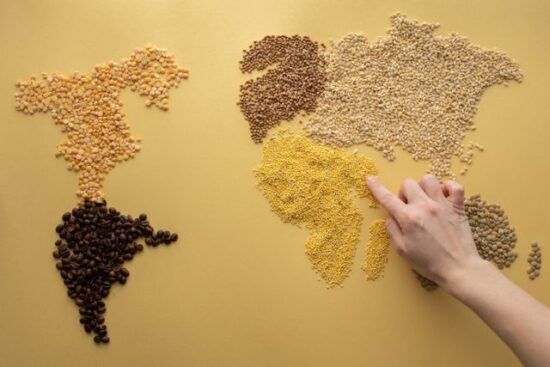
Environmental Trade-Offs of Alternative Proteins: Evaluating Systems Together
Anshika Jain - October 21, 2026Alternative proteins are becoming increasingly important in discussions about food security and environmental sustainability. Conventional livestock production requires land, feed, water, and energy, while also contributing to…
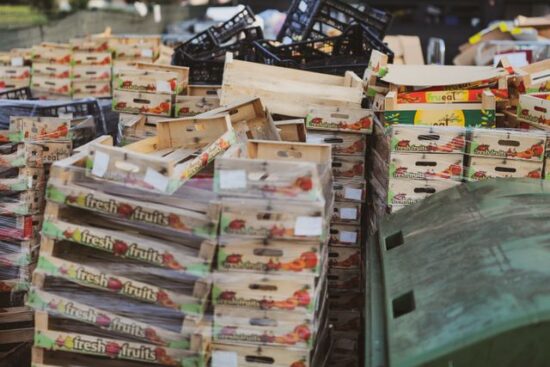
Science of Food Waste Valorisation: Recovering Nutrients From Materials
Anshika Jain - October 21, 2026Food waste presents a significant environmental challenge, but it also represents a largely underused source of valuable resources. Fruit peels, vegetable trimmings, cereal bran, dairy residues, and…

Personal Food Manufacturing: Automated Systems Produce Meals
Anshika Jain - October 21, 2026Food manufacturing has traditionally focused on producing consistent products for large consumer groups. Manufacturers develop recipes, standardize ingredients, and maintain quality across production batches. However, people have…
Most from this category

Digital Clinical Decision Support for Malnutrition: Identifying Nutritional Risk Across Different Care Settings
Anshika Jain - October 21, 2026
Science of Oral Processing: How Chewing, Saliva and Eating Speed Influence Digestion
Anshika Jain - October 20, 2026Amino Acid Sensing and mTOR Signalling: Cells Respond to Protein Availability
Anshika Jain - October 20, 2026
Hidden Chemistry of Urban Food Environments: Nutritional Quality
Anshika Jain - October 21, 2026Digital Clinical Decision Support for Malnutrition: Identifying Nutritional Risk Across Different Care Settings
Anshika Jain - October 21, 2026Science of Oral Processing: How Chewing, Saliva and Eating Speed Influence Digestion
Anshika Jain - October 20, 2026


Personal Food Manufacturing: Automated Systems Produce Meals
October 21, 2026
Hidden Chemistry of Urban Food Environments: Nutritional Quality
October 21, 2026
.png)
Leave a Comment
You must be logged in to post a comment.