
Hidden Chemistry of Urban Food Environments: Nutritional Quality

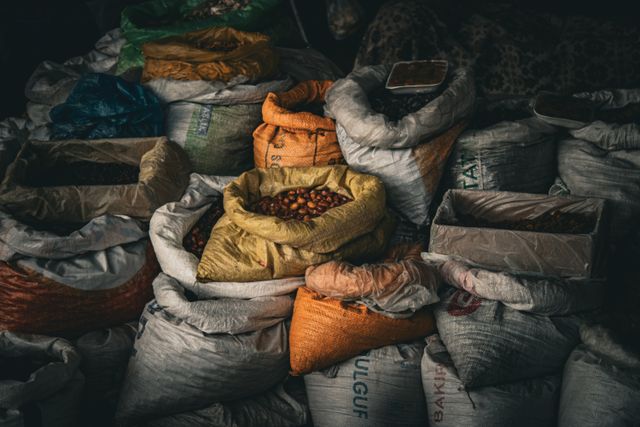
Urban food environments are complex systems that connect farms, warehouses, transport networks, processing facilities, retailers, restaurants, and households. Every stage influences the quality of food before it reaches the consumer. Although food may appear fresh and nutritious, its chemical composition can change during storage, transportation, and processing.
These changes involve reactions that occur at molecular levels. Vitamins can degrade through exposure to oxygen, heat, and light. Fats can oxidise, proteins can undergo structural changes, and carbohydrates can participate in browning reactions. Water movement, enzyme activity, and interactions between food components also influence nutritional quality.
Urbanisation has made these processes increasingly important. Many city residents depend on food transported across long distances and stored before sale. Perishable products may pass through several distribution centres, while convenience foods undergo multiple processing operations. Each stage creates opportunities to preserve nutrients or alter their availability.
However, processing and storage do not automatically make food less nutritious. Refrigeration can slow deterioration, freezing can preserve valuable nutrients, and heat treatment can improve digestibility or increase the availability of certain compounds. The outcome depends on the food, the process, and the conditions involved.
Understanding the chemistry behind urban food systems helps explain why nutritional quality cannot be judged by appearance alone. It also reveals how better storage, transportation, and processing practices can protect the nutrients people consume every day.
Understanding Nutritional Quality Beyond Freshness
What Nutritional Quality Actually Means
Nutritional quality includes the amount of essential nutrients in food, their stability during storage, and their availability for absorption. It also involves food structure, digestibility, and the presence of compounds that influence nutrient utilisation.
A fruit may retain its colour while gradually losing vitamin C. A grain product may contain substantial minerals but provide limited amounts for absorption because of interactions with other dietary components. Similarly, heating can reduce certain vitamins while improving the accessibility of other nutrients.
Food quality therefore involves several dimensions that do not always change together. Freshness, safety, taste, nutrient concentration, and bioavailability are related but distinct characteristics.
Researchers must also distinguish nutrient concentration from total nutrient retention. Water loss can make nutrients appear more concentrated, even when the total amount has declined. Conversely, water absorption can lower measured concentrations without removing equivalent amounts of nutrients.
These distinctions are essential when comparing fresh, refrigerated, frozen, canned, and processed foods. The method of preservation alone cannot determine which product provides the greatest nutritional value.
The Chemistry of Food Storage
Oxidation and Nutrient Degradation
Oxidation is one of the major chemical processes affecting food during storage. It occurs when susceptible compounds react through pathways involving oxygen, enzymes, light, or other reactive substances. These reactions can change flavour, colour, texture, and nutritional composition.
Vitamin C is particularly vulnerable to oxidation. Its degradation can accelerate when foods are exposed to oxygen, elevated temperatures, or prolonged storage. Certain B vitamins are also sensitive to processing and storage conditions, although their stability varies by vitamin and food matrix.
Plant foods contain protective compounds, including antioxidants, that can react with oxidising species. These compounds may themselves be consumed during storage, reducing their concentration over time. The rate of change depends on temperature, moisture, packaging, and the original composition of the food.
Fat-rich foods face related challenges. Unsaturated fatty acids can undergo lipid oxidation, producing compounds that affect flavour and odour. Oxidation may also reduce the quality of certain fatty acids and contribute to deterioration during storage.
Research on food processing and storage highlights the importance of oxygen exposure, temperature, light, and time in determining nutrient stability. The effects vary substantially between food categories and individual compounds.
Enzymatic Activity and Ripening
Many foods remain biologically active after harvesting. Fruits and vegetables continue to undergo biochemical reactions involving enzymes, respiration, and changes in cellular structure.
Enzymes can break down complex carbohydrates, modify cell walls, and influence the development of sweetness, aroma, and texture. During fruit ripening, starch may convert into simpler sugars, while pigments and aromatic compounds change. These processes can improve eating quality but may also alter nutrient concentrations.
Some enzymatic reactions contribute to nutrient degradation. For example, enzymes released after cutting or bruising can accelerate reactions that affect colour and certain vitamins. Damaged plant tissue may also experience faster moisture loss and microbial deterioration.
Urban distribution systems must therefore manage the time between harvest and consumption. A fruit transported under suitable conditions may retain quality for longer than one exposed to excessive heat or physical damage.
Ripening itself is not necessarily harmful. Its nutritional consequences depend on the species, maturity stage, storage environment, and compound being measured.
Temperature, Humidity, and Light
Temperature strongly influences the speed of many chemical reactions. Higher temperatures generally accelerate deterioration reactions, although the relationship depends on the specific process. Refrigeration can slow many reactions and reduce microbial growth, helping extend the useful life of perishable foods.
Humidity also matters. Excessive moisture can encourage microbial growth, while very dry conditions may cause produce to lose water and become less appealing. Some foods require carefully controlled moisture levels to maintain texture and stability.
Light can degrade sensitive compounds, particularly in foods containing light-sensitive vitamins, pigments, and fats. Packaging that limits light exposure can therefore protect selected components during storage and retail display.
These factors interact rather than operating independently. A food exposed to both heat and oxygen may deteriorate differently from one exposed to heat under protective packaging. Effective storage requires conditions suited to the particular product rather than one universal method.
Transportation: The Overlooked Stage of Nutrient Change
Long Supply Chains and Temperature Fluctuations
Urban consumers often obtain food through supply chains that extend far beyond city boundaries. Produce may travel from farms to collection centres, wholesale markets, distribution warehouses, and retail outlets before purchase.
During this journey, temperature fluctuations can influence respiration, enzymatic activity, oxidation, and water loss. Delays between harvesting and cooling may be especially important for highly perishable produce.
Refrigerated transportation can help preserve quality, but refrigeration must be maintained throughout the supply chain. Loading practices, air circulation, vehicle capacity, and the temperature of the produce itself influence cooling performance.
The Food and Agriculture Organization emphasises appropriate temperature management, airflow, and minimising mechanical damage during the handling and transportation of horticultural produce.
These measures primarily help maintain product quality and reduce deterioration. Their nutritional benefits depend on the commodity and the nutrients involved, but preventing avoidable damage can help preserve the quality available to consumers.
Physical Damage and Cellular Breakdown
Vibration, compression, impact, and rough handling can damage fruits and vegetables during transportation. When plant cells rupture, enzymes and substrates that were previously separated may come into contact. This can accelerate browning and other biochemical reactions.
Bruising also increases moisture loss and can create conditions that encourage microbial deterioration. Damaged tissues may consequently lose quality more quickly than intact tissues under similar storage conditions.
The effect depends on the food’s structure. Soft fruits may be especially vulnerable to compression, while leafy vegetables can deteriorate rapidly when moisture is lost. Appropriate packaging and handling can reduce these risks.
Physical damage does not always produce an immediate, visible change in nutrient content. However, it may accelerate processes that gradually alter nutritional and sensory quality. Reducing damage can therefore help preserve food during distribution.
Industrial Processing and Nutrient Transformation
Heat Treatment and Vitamin Stability
Thermal processing includes blanching, pasteurisation, sterilisation, baking, roasting, and other methods that expose food to heat. These treatments can improve safety, extend shelf life, and change the structure of food components.
However, heat can also degrade temperature-sensitive vitamins. Vitamin C and thiamine are vulnerable under certain processing conditions, while folate may be lost through degradation or movement into cooking water. The extent of loss depends on temperature, duration, oxygen exposure, and the food’s composition.
The amount of water used during processing can be particularly important. When vegetables are boiled, water-soluble nutrients may move from the food into the cooking liquid. If the liquid is discarded, some of those nutrients are lost from the final meal.
Heat treatment can also have nutritional benefits. Cooking softens plant tissues, improves digestibility, and can increase the bioaccessibility of selected compounds. It can also reduce certain antinutritional factors and destroy harmful microorganisms.
The correct question is therefore not whether heat is universally good or bad. It is whether a particular method achieves food safety and desirable nutritional properties while limiting unnecessary losses.
The Maillard Reaction and Food Chemistry
The Maillard reaction occurs when reducing sugars react with amino groups, including those found in proteins and amino acids. Heat accelerates this complex series of reactions, producing brown pigments and compounds associated with the flavours of baked bread, roasted coffee, and toasted foods.
These reactions contribute substantially to the sensory characteristics of cooked products. However, they can also change nutritional properties. Certain amino acids, particularly lysine under susceptible conditions, may become less available for biological use.
The extent of the reaction depends on temperature, time, moisture, acidity, and the concentrations of reactive ingredients. A lightly heated product may undergo different changes from one exposed to prolonged, intense heating.
Food scientists must balance desirable flavour and texture against nutritional considerations. Processing conditions can be adjusted to achieve the required product characteristics while limiting excessive reactions.
The Maillard reaction is not inherently harmful. Its significance depends on the compounds formed, their concentrations, the food involved, and the overall dietary context.
Refining, Milling, and Fibre Loss
Refining changes the physical structure of foods by removing selected components. In cereal processing, milling can separate bran and germ from the starchy endosperm. This produces flour with different functional characteristics and a longer shelf life in some circumstances.
However, bran and germ contain substantial portions of the grain’s fibre, minerals, vitamins, and other compounds. Removing these layers can reduce the nutritional content of the final product unless nutrients are restored through fortification.
Refining can also influence mineral bioavailability. Some whole-grain components contain phytate, which can bind minerals and reduce their absorption. Processing methods such as fermentation and germination may reduce phytate under suitable conditions.
The nutritional outcome therefore depends on which components are removed, which nutrients are retained, and how the food is prepared. Whole grains and refined grains serve different culinary purposes, but their nutritional differences should be understood rather than ignored.
Packaging and Preservation Technologies
Modified Atmospheres and Protective Packaging
Packaging can influence the chemical environment surrounding food. Modified-atmosphere packaging changes the proportions of gases such as oxygen and carbon dioxide inside a package. Depending on the food, this can slow respiration, oxidation, or other deterioration processes.
Oxygen-barrier materials can help protect susceptible fats and vitamins. Light-resistant packaging can reduce exposure to damaging wavelengths, while moisture barriers can help maintain texture and stability.
These benefits depend on correct packaging design. A gas mixture suitable for one product may be unsuitable for another, and packaging cannot compensate for every problem caused by poor temperature control or damaged produce.
Packaging also affects waste. When appropriate preservation extends the period during which food remains safe and acceptable, consumers and retailers may have more time to use it. Reducing waste can protect the nutritional resources invested in producing and transporting food.
Refrigerated, Frozen, and Canned Foods
Freshness does not automatically guarantee superior nutritional quality. Fresh produce may lose nutrients during prolonged transport and storage, while frozen or canned products can retain substantial nutritional value.
Freezing usually slows many chemical and microbial processes. Some vegetables undergo blanching before freezing, which can cause initial losses of sensitive nutrients. However, the subsequent frozen storage environment can help limit further deterioration.
Canning generally involves heat treatment, which may reduce certain vitamins. Yet the sealed environment can protect some nutrients from continued exposure to oxygen. Depending on the product, the final nutrient content may compare favourably with produce stored fresh for an extended period.
A review comparing fresh, frozen, and canned fruits and vegetables found that nutrient retention varies by commodity and processing method. The authors cautioned against assuming that fresh produce always provides the greatest vitamin retention.
For urban consumers, convenience, affordability, storage facilities, and availability also influence food choices. Properly selected preserved foods can contribute meaningfully to a nutritious diet.
Urban Food Environments and Unequal Nutritional Outcomes
The Influence of Infrastructure and Affordability
Not every urban neighbourhood has equal access to suitable food storage, reliable refrigeration, diverse retailers, and affordable fresh produce. These differences influence the foods available to households and the time products spend in distribution.
Retailers operating with limited cold storage may experience greater spoilage or have fewer opportunities to stock highly perishable foods. Households with unreliable refrigeration may also find it difficult to store certain products safely.
Economic pressures can influence purchasing decisions. Consumers may choose foods with longer shelf lives because they are more affordable, easier to transport, or less likely to be wasted. These choices are not necessarily nutritionally poor, but the available options vary across locations.
Improving urban nutrition therefore requires more than individual dietary advice. Reliable supply chains, suitable storage infrastructure, food safety practices, and access to affordable nutrient-rich foods all contribute to nutritional quality.
Food Waste as a Nutritional Loss
When food deteriorates before consumption, its nutritional value is lost alongside the resources used to produce it. Water, land, energy, labour, and transportation have already contributed to that food’s production and distribution.
Reducing avoidable spoilage can improve the efficiency of urban food systems. Better temperature control, appropriate packaging, careful handling, and improved inventory management can extend usable shelf life where conditions permit.
Food waste prevention must still respect food safety. A product should not be consumed simply because avoiding waste is desirable. Spoilage, contamination, and unsafe storage conditions require appropriate assessment.
The objective is to preserve food quality for as long as safely possible and ensure that more of the available food reaches people in usable condition.
How Technology Can Protect Nutritional Quality
Smart Sensors and Supply-Chain Monitoring
Digital sensors can monitor temperature, humidity, and other environmental conditions during transportation and storage. These measurements can help identify interruptions in the cold chain and reveal where deterioration risks increase.
When combined with product-specific models, monitoring systems may estimate remaining shelf life more accurately than fixed date assumptions alone. However, predictions require reliable calibration and validation for the food and conditions involved.
Advanced systems can also help warehouses and retailers manage stock rotation. Products that are approaching the end of their expected storage life may be prioritised for sale or redistribution when safe and appropriate.
These technologies do not directly measure every nutrient. Instead, they provide information about conditions that influence food stability. Laboratory analysis remains important when precise nutrient concentrations must be established.
Food Chemistry and Better Processing Design
Food scientists can use chemical analysis to examine how processing changes nutrients and bioactive compounds. Chromatography, spectroscopy, and other analytical techniques help identify compounds and measure changes during storage or manufacturing.
Data science can complement these methods by analysing large collections of measurements. Researchers may identify which combinations of temperature, packaging, and storage duration are associated with better nutrient retention.
Such findings can support the development of processing methods that balance safety, convenience, cost, sensory quality, and nutrition. The strongest decisions rely on experimental validation rather than predictions alone.
Conclusion
Urban food environments influence nutritional quality through a series of chemical, biological, and physical processes. Storage conditions affect oxidation and enzymatic activity, transportation introduces temperature and handling challenges, and processing changes the structure and composition of food.
Some changes reduce nutrient concentrations, while others improve safety, digestibility, preservation, or the availability of selected compounds. Fresh, frozen, canned, and processed foods must therefore be evaluated according to their specific characteristics rather than broad assumptions.
Protecting nutritional quality requires coordination across the food supply chain. Better cold storage, careful transportation, suitable packaging, thoughtful processing, and reliable monitoring can help reduce avoidable deterioration. These improvements also have the potential to reduce food waste and support more equitable access to nutritious foods.
Ultimately, the hidden chemistry of urban food environments shows that nutritional quality is shaped long before food reaches the plate. Understanding these processes can help food producers, retailers, policymakers, and consumers make better-informed decisions about preserving the value of the food supply.
Online Internship with Certificate
You may be interested
Environmental Trade-Offs of Alternative Proteins: Evaluating Systems Together
Anshika Jain - October 21, 2026Alternative proteins are becoming increasingly important in discussions about food security and environmental sustainability. Conventional livestock production requires land, feed, water, and energy, while also contributing to…
Science of Food Waste Valorisation: Recovering Nutrients From Materials
Anshika Jain - October 21, 2026Food waste presents a significant environmental challenge, but it also represents a largely underused source of valuable resources. Fruit peels, vegetable trimmings, cereal bran, dairy residues, and…
Personal Food Manufacturing: Automated Systems Produce Meals
Anshika Jain - October 21, 2026Food manufacturing has traditionally focused on producing consistent products for large consumer groups. Manufacturers develop recipes, standardize ingredients, and maintain quality across production batches. However, people have…
Most from this category


Digital Clinical Decision Support for Malnutrition: Identifying Nutritional Risk Across Different Care Settings
Anshika Jain - October 21, 2026
Science of Oral Processing: How Chewing, Saliva and Eating Speed Influence Digestion
Anshika Jain - October 20, 2026Amino Acid Sensing and mTOR Signalling: Cells Respond to Protein Availability
Anshika Jain - October 20, 2026
Digital Clinical Decision Support for Malnutrition: Identifying Nutritional Risk Across Different Care Settings
Anshika Jain - October 21, 2026Science of Oral Processing: How Chewing, Saliva and Eating Speed Influence Digestion
Anshika Jain - October 20, 2026


Personal Food Manufacturing: Automated Systems Produce Meals
October 21, 2026
Nutritional Implications of Climate-Driven Crop Shifts
October 21, 2026
.png)
Leave a Comment
You must be logged in to post a comment.