
Personal Food Manufacturing: Automated Systems Produce Meals

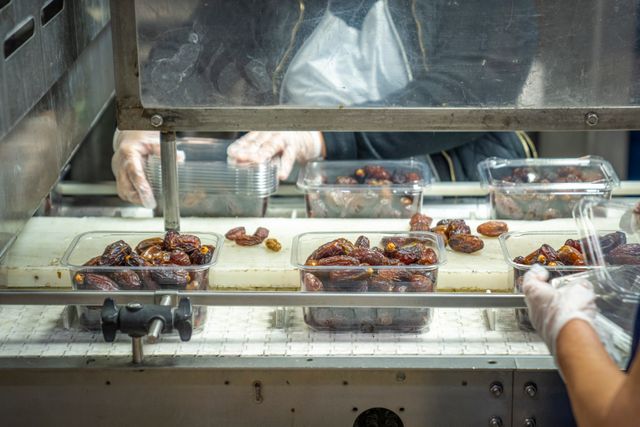
Food manufacturing has traditionally focused on producing consistent products for large consumer groups. Manufacturers develop recipes, standardize ingredients, and maintain quality across production batches. However, people have different nutritional requirements, dietary preferences, activity levels, and health goals. A standardized meal may not meet every individual’s needs.
Personal food manufacturing offers a different approach. It combines automation, artificial intelligence, food science, and digital recipe design to produce meals with carefully controlled nutritional compositions. Instead of manufacturing thousands of identical meals, a system could adjust ingredients and portion sizes according to predefined specifications. These specifications might include energy, protein, carbohydrates, fats, fibre, sodium, and selected micronutrients.
The concept extends beyond meal customization. It introduces the possibility of treating food production as a measurable engineering process. A digital recipe could define a meal’s intended nutritional profile, while automated equipment measures, mixes, cooks, and portions the ingredients. Quality-control systems could then evaluate whether the finished product meets its targets.
Research into three-dimensional food printing and digitally designed food manufacturing has already explored several aspects of this approach. However, producing meals with precise nutritional compositions at commercial scale remains a developing challenge. Its success will depend on measurement accuracy, ingredient variability, food safety, affordability, and the biological complexity of nutrition.
What Is Personal Food Manufacturing?
Personal food manufacturing refers to producing food products according to individual or narrowly defined nutritional specifications. It applies manufacturing principles to personalized meals rather than relying exclusively on fixed recipes. The system begins with a nutritional target and calculates a suitable combination of ingredients.
For example, a meal could be designed to provide approximately 600 kilocalories, 35 grams of protein, a defined amount of fibre, and a controlled sodium level. Software could select ingredients from an approved database and calculate their required quantities. Automated dispensers would then measure those quantities before preparation.
This process differs from ordinary meal customization. Choosing extra vegetables or requesting a smaller serving usually changes a meal’s appearance or quantity. Personal manufacturing attempts to control its underlying composition. It also considers ingredient substitutions, preparation methods, and the nutritional effects of processing.
The term does not necessarily mean that every consumer needs a separate factory. A centralized production facility could manufacture many customized meals using modular equipment. Alternatively, commercial kitchens could prepare personalized meals through connected dispensing, cooking, and portioning systems. Small-scale devices might eventually bring some capabilities into homes.
How Automated Systems Could Design and Produce Meals
Digital Nutritional Formulation
The first stage involves converting nutritional requirements into a workable recipe. A software system stores information about ingredients, including their estimated nutrient composition, cost, allergen status, availability, and processing characteristics. It uses this information to identify combinations that satisfy the specified targets.
An optimization algorithm could compare several possible recipes. One might achieve the required protein level using lentils, another using dairy products, and another using plant-based protein ingredients. The system would evaluate nutritional constraints alongside taste, texture, price, and manufacturing requirements.
However, a mathematically suitable recipe is not automatically a good meal. Ingredients interact during cooking, and their texture may change during mixing or heating. The formulation system must therefore consider practical food properties, not just nutrient calculations.
Automated Ingredient Measurement
Once a recipe is approved, automated equipment measures the ingredients. Precision scales, volumetric dispensers, pumps, and metering systems can control quantities according to the formulation. Sensors can monitor dispensing rates and identify deviations from the intended amounts.
This stage is essential because nutritional calculations depend on ingredient quantities. If a system adds too much oil, the meal’s energy content rises. If it dispenses insufficient protein-rich ingredients, the final protein content may fall below its target.
Automation can reduce errors associated with manual measurement. Nevertheless, equipment requires regular calibration and maintenance. Small quantities of concentrated vitamins, minerals, or other functional ingredients may require especially careful dosing. Incorrect quantities could undermine nutritional accuracy or create safety concerns.
Intelligent Mixing, Cooking, and Portioning
After measurement, ingredients move through controlled preparation stages. Automated mixers, cookers, ovens, steamers, and portioning equipment can follow standardized processing instructions. Temperature sensors and timers help maintain repeatable cooking conditions.
The system may also adjust cooking parameters according to the recipe. Vegetables, grains, legumes, and protein ingredients have different processing requirements. A single temperature or cooking duration will not suit every combination.
Portioning is another important control point. Even a correctly formulated batch can produce inconsistent meals if serving sizes vary. Automated dispensers can divide the prepared food into defined portions and associate each portion with its recipe information.
However, cooking can change moisture content and nutrient availability. Water loss may increase the concentration of nutrients per 100 grams without increasing the total amount present. Heat-sensitive vitamins may degrade, while some cooking methods improve the availability of particular nutrients. Accurate manufacturing must account for these changes rather than treating raw ingredient calculations as the final nutritional result.
Artificial Intelligence and Continuous Adjustment
Artificial intelligence could connect recipe design, manufacturing data, and quality control. A system might compare planned ingredient quantities with actual dispensing measurements. It could identify recurring production deviations and recommend adjustments within approved operating limits.
Machine-learning models may also help predict how ingredient combinations behave during processing. For example, they could estimate changes in texture, moisture, or consistency under different cooking conditions. These predictions would require validation against real measurements.
AI should not independently invent health prescriptions or make unrestricted changes to a meal. Its role is better defined as optimizing production within scientifically reviewed nutritional constraints. Qualified nutrition professionals, food technologists, and safety specialists would establish those constraints and approve suitable formulations.
The Role of Three-Dimensional Food Printing
Three-dimensional food printing provides one possible method for manufacturing highly customized food products. It deposits edible materials layer by layer according to a digital design. Depending on the equipment, the materials may include pastes, doughs, purees, protein mixtures, or other printable formulations.
This approach could support more than unusual shapes. Multiple ingredients might be deposited in controlled proportions to create food with specific nutritional characteristics. A meal could combine different protein sources, vegetables, and carbohydrate ingredients within a single digitally designed structure.
A 2024 review published in npj Science of Food discusses how digitally designed, 3D-printed foods could support personalized nutrition while highlighting technical and standardization challenges. Research also examines potential applications for people who require modified food textures, including some older adults and individuals with swallowing difficulties.
Despite its promise, food printing is not a universal replacement for conventional cooking. Many foods cannot be printed easily without modifying their texture or composition. Printing speed, ingredient compatibility, equipment cleaning, and production costs also affect commercial feasibility. In the near term, hybrid manufacturing systems may prove more practical than printing every component of every meal.
Where Precisely Specified Meals Could Be Used
Personalized Nutrition Services
Meal manufacturers could offer customers food designed around defined dietary preferences and nutritional goals. A person seeking higher protein intake might select meals with a specified protein range. Another customer might prefer smaller portions or meals containing more fibre.
Such services could combine digital dietary planning with standardized production. Customers would select suitable targets, and the system would manufacture meals within the available ingredient and processing constraints. However, targets should reflect appropriate dietary guidance rather than unsupported claims about individual biological needs.
Hospitals and Institutional Catering
Hospitals, care facilities, and other institutions often serve people with different nutritional requirements. Standardized automated production could help prepare meals with controlled energy, protein, sodium, or texture characteristics. It could also improve consistency across large numbers of servings.
This application requires particular care. Patients may have medically prescribed diets, allergies, swallowing difficulties, or restrictions involving specific nutrients. A software-generated recipe must not replace clinical assessment. Hospital nutrition teams would need to approve formulations and verify that production procedures meet the intended requirements.
Sports and Active Lifestyles
Sports nutrition offers another potential application. Athletes may plan meals around training schedules, energy demands, recovery, and personal dietary preferences. Automated manufacturing could produce meals with defined quantities of carbohydrates and protein.
The advantage would be consistency rather than guaranteed performance improvement. Nutritional needs differ by sport, training load, body size, and individual circumstances. A precisely manufactured meal cannot compensate for an unsuitable overall diet or an inaccurate nutrition plan.
Elderly Care and Texture-Modified Foods
Some older adults experience reduced appetite, difficulty chewing, or increased difficulty swallowing. Customized food manufacturing could combine controlled nutrient composition with suitable textures and portion sizes. It might also improve presentation, making modified foods more appealing.
Research into 3D food printing has explored this area because digital production can control food structure and shape. Nevertheless, texture requirements must be assessed carefully. A visually appealing product is not necessarily safe for someone with a swallowing disorder. Appropriate clinical guidance and validated texture standards remain essential.
Institutional and Remote Food Services
Schools, workplaces, care homes, and remote facilities could benefit from consistent meal specifications. Automated systems may help produce different portion sizes or nutritional profiles from shared ingredients. This could reduce the need to prepare entirely separate dishes for every dietary requirement.
Remote environments, including research stations and space missions, also present interesting possibilities. Limited storage and supply options make efficient ingredient use important. However, equipment reliability, maintenance, energy consumption, and food safety become especially important when replacement supplies are difficult to obtain.
Can Automated Systems Guarantee Nutritional Precision?
The word precise requires careful interpretation. A machine can measure ingredients accurately, but that does not guarantee an exact final nutrient composition. Food is biologically variable, and its composition changes throughout processing and storage.
Two batches of the same vegetable may contain different amounts of certain vitamins. Meat, grains, legumes, and dairy ingredients also vary according to their source and handling. Ingredient databases typically provide average values rather than measurements for every individual ingredient.
Processing introduces additional uncertainty. Heat, oxygen, moisture, acidity, and storage conditions can alter nutrient retention. Some vitamins may degrade, while other compounds become more accessible after cooking. These changes make it difficult to calculate every nutrient solely from a raw recipe.
A reliable system would therefore need several layers of verification. It could combine supplier specifications, ingredient traceability, calibrated weighing equipment, validated nutrient databases, and appropriate laboratory testing. Manufacturing software would estimate the expected nutritional profile, while quality-control procedures would assess whether the product meets its declared specifications.
Not every meal needs laboratory analysis of every nutrient. A practical system could use validated calculations for routine production and targeted testing for higher-risk products or new formulations. Testing frequency would depend on the product, the required accuracy, and applicable regulations.
The final specification should also distinguish between a target and an acceptable range. Declaring exactly 35 grams of protein may suggest a level of certainty that the manufacturing process cannot support. A defined tolerance range, supported by testing and applicable labeling rules, offers a more realistic approach.
Food Safety, Allergens, and Regulatory Responsibility
Personalized production creates new opportunities, but it also introduces operational risks. A manufacturing system may handle many ingredient combinations, making cleaning, traceability, and allergen control especially important. Residues from one recipe could contaminate a subsequent meal if equipment is not cleaned effectively.
Food safety must remain independent of nutritional customization. Automated cooking systems need validated time and temperature controls where required. Ingredients must be stored appropriately, and prepared meals must follow suitable cooling, packaging, and distribution procedures. Digital monitoring can support these processes, but it cannot replace a sound food safety management system.
Allergen management presents another challenge. Software may exclude a specified ingredient from a recipe, yet cross-contact can still occur through shared equipment or contaminated supplies. Manufacturers must verify ingredients, maintain suitable production controls, and communicate allergen information accurately.
In India, manufacturers must also consider applicable Food Safety and Standards Authority of India requirements. Nutritional claims, ingredient declarations, allergen information, hygiene practices, and food labeling must comply with relevant rules. A personalized meal should not be marketed as treating or preventing a disease without an appropriate legal and scientific basis.
Affordability, Sustainability, and Access
Highly customized meals may initially cost more than standardized products. Dedicated equipment, software development, sensor calibration, ingredient management, and quality testing all require investment. Small production volumes can also increase the cost per serving.
However, automation could become more economical when manufacturers serve large numbers of customers. Shared ingredients and modular production lines may support many recipes without requiring separate facilities. Digital planning could also help reduce overproduction by matching quantities more closely to demand.
Sustainability benefits are possible, but they are not automatic. Precise portioning may reduce avoidable food waste, while flexible formulations could use suitable ingredients that would otherwise be underutilized. Conversely, energy-intensive equipment, specialized packaging, and complex distribution may create additional environmental costs.
The overall impact would depend on ingredient sourcing, production efficiency, refrigeration requirements, packaging choices, and waste management. Manufacturers should measure these outcomes instead of assuming that personalization is inherently more sustainable.
Access is equally important. If personalized manufacturing serves only wealthy consumers, its benefits may remain limited. Institutional catering, community health programs, and carefully designed affordable meal services could help extend its advantages to broader populations.
Data Privacy and the Limits of Personalized Nutrition
Some future systems may use dietary records, activity data, medical information, or other personal inputs to define meal specifications. These data could improve customization, but they also raise privacy concerns. Consumers should understand what information is collected, how it is used, and whether it is shared with other organizations.
Manufacturers should collect only information necessary for the service. Sensitive data should receive appropriate protection, and customers should retain meaningful control over its use. Clear consent and transparent data practices are essential when nutritional services connect with health-related information.
Personalization also has biological limits. A meal with precisely measured nutrients does not guarantee a predictable response from every person. Digestion, metabolism, medication use, activity, sleep, and other factors influence how the body responds to food.
For this reason, automated food manufacturing should focus on producing meals that meet validated compositional specifications. Claims about individualized health outcomes require separate evidence. Nutritional precision at the production stage should not be confused with guaranteed medical effectiveness.
The Future of Personal Food Manufacturing
The next stage may involve connected systems that link nutritional planning, automated manufacturing, ingredient traceability, and quality assurance. A digital recipe could travel from a nutrition professional to a production facility. Machines would prepare the meal, while sensors record relevant processing information.
More advanced systems might combine AI-based formulation with rapid quality checks and flexible manufacturing equipment. They could generate several recipe options, compare costs, and select combinations that meet approved nutritional limits. Digital records could help manufacturers identify recurring errors and improve production consistency.
Progress will depend on better sensors, reliable ingredient data, faster production methods, and validated approaches to nutrient measurement. Food scientists, nutrition professionals, engineers, regulators, and manufacturers will need to collaborate. Consumer acceptance will also depend on taste, convenience, price, and confidence in the product.
Rather than replacing conventional food systems entirely, personal manufacturing is likely to develop through targeted applications. Medical catering, specialized nutrition, institutional food services, and premium meal preparation may provide early opportunities. Broader adoption will depend on whether manufacturers can make customization affordable without compromising safety or quality.
Conclusion
Personal food manufacturing could transform meals from fixed recipes into digitally specified products. Automated systems can measure ingredients, control preparation, manage portion sizes, and support repeatable nutritional formulations. AI and 3D food printing may expand the range of customization available to manufacturers.
However, precise ingredient measurement does not guarantee exact nutrient retention or identical biological responses. Ingredient variability, cooking effects, food safety, allergens, cost, and regulatory compliance remain significant challenges. Reliable production will require validated recipes, calibrated equipment, suitable testing, and transparent nutritional claims.
The most practical future is not a machine that independently determines what everyone should eat. It is a manufacturing system that prepares carefully designed meals with greater consistency and flexibility. When supported by food science and responsible nutritional guidance, personal food manufacturing could make tailored meals more accessible and easier to produce at scale.
Online Internship with Certificate
You may be interested
Environmental Trade-Offs of Alternative Proteins: Evaluating Systems Together
Anshika Jain - October 21, 2026Alternative proteins are becoming increasingly important in discussions about food security and environmental sustainability. Conventional livestock production requires land, feed, water, and energy, while also contributing to…
Science of Food Waste Valorisation: Recovering Nutrients From Materials
Anshika Jain - October 21, 2026Food waste presents a significant environmental challenge, but it also represents a largely underused source of valuable resources. Fruit peels, vegetable trimmings, cereal bran, dairy residues, and…

Hidden Chemistry of Urban Food Environments: Nutritional Quality
Anshika Jain - October 21, 2026Urban food environments are complex systems that connect farms, warehouses, transport networks, processing facilities, retailers, restaurants, and households. Every stage influences the quality of food before it…
Most from this category


Digital Clinical Decision Support for Malnutrition: Identifying Nutritional Risk Across Different Care Settings
Anshika Jain - October 21, 2026
Science of Oral Processing: How Chewing, Saliva and Eating Speed Influence Digestion
Anshika Jain - October 20, 2026Amino Acid Sensing and mTOR Signalling: Cells Respond to Protein Availability
Anshika Jain - October 20, 2026
Digital Clinical Decision Support for Malnutrition: Identifying Nutritional Risk Across Different Care Settings
Anshika Jain - October 21, 2026Science of Oral Processing: How Chewing, Saliva and Eating Speed Influence Digestion
Anshika Jain - October 20, 2026


Hidden Chemistry of Urban Food Environments: Nutritional Quality
October 21, 2026
Nutritional Implications of Climate-Driven Crop Shifts
October 21, 2026
.png)
Leave a Comment
You must be logged in to post a comment.