
Preventive Care Access Prediction: Convenience Prevent People From Seeking Care

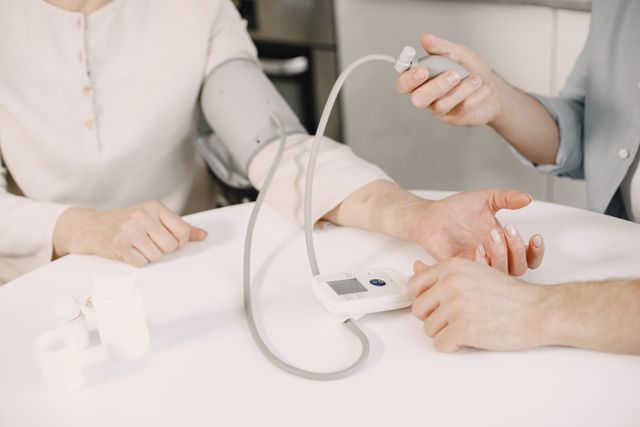
Preventive healthcare plays an essential role in identifying potential health problems before they become more complicated or difficult to manage. Routine health assessments, vaccinations, dental examinations, screening programmes and regular consultations can help individuals understand their health status and identify risks at an earlier stage. However, the availability of preventive healthcare does not guarantee that people will actually use it. Many individuals postpone or avoid necessary appointments because of financial pressure, travel difficulties, limited appointment availability, work commitments or uncertainty about where to seek appropriate care.
This creates a significant challenge for modern healthcare systems. A person may understand the importance of preventive screening but delay it because the consultation is expensive. Another individual may have access to an affordable clinic but struggle to arrange transportation or take time away from work. In some cases, people may not seek care simply because the process involves too many steps, confusing information or long waiting periods.
These barriers are not always visible in conventional healthcare records. A missed appointment may be recorded as a scheduling problem without revealing whether the actual reason was cost, distance, limited availability or another personal constraint. This is where artificial intelligence could introduce a new approach through preventive care access prediction.
Preventive care access prediction involves using relevant data to identify patterns that may indicate when individuals or communities are likely to face difficulties accessing preventive healthcare. Instead of focusing exclusively on predicting medical risks, AI systems could also examine the practical and socioeconomic conditions that influence whether people can obtain care.
The objective is not to label individuals as unwilling to seek healthcare. It is to understand the barriers that make preventive services difficult to access and help healthcare providers respond with more appropriate support. By combining predictive analytics with responsible healthcare planning, AI could help make preventive care more accessible, timely and equitable.
Understanding Preventive Care Access Prediction
Traditional healthcare prediction systems frequently focus on medical indicators such as disease risk, symptoms, laboratory results and patient history. These systems attempt to identify individuals who may require additional clinical attention.
Preventive care access prediction addresses a different but equally important question: even when someone needs preventive care, what might prevent them from receiving it?
For example, an individual may be eligible for a routine health screening but live far from the nearest facility. Another person may have health insurance but still face out-of-pocket expenses that make the appointment difficult to afford. Someone working irregular shifts may repeatedly postpone consultations because available appointment times conflict with their responsibilities.
An AI system designed for access prediction could analyse relevant patterns to identify potential barriers. It might examine appointment cancellations, waiting times, travel distances, service availability and voluntarily provided information about affordability or scheduling difficulties.
The purpose would be to help healthcare organisations understand where access problems are developing. Rather than simply sending more reminders to people who miss appointments, providers could identify whether those individuals need lower-cost services, flexible scheduling, transportation assistance or clearer information about available healthcare options.
This represents a shift from predicting only who might experience a health problem to understanding who might be unable to obtain preventive care when it is needed.
Why People Delay or Avoid Preventive Healthcare
Financial Barriers and Healthcare Affordability
Cost is one of the most significant factors influencing healthcare decisions. Even when preventive services are less expensive than treating advanced health problems, their immediate costs can discourage people from seeking them.
Expenses may include consultation fees, diagnostic tests, medicines, transportation and time away from paid work. For individuals with limited disposable income, even a relatively small healthcare expense may compete with essential household responsibilities.
The problem is not restricted to people without insurance. Insurance coverage may involve deductibles, co-payments, exclusions or limitations on available providers. Individuals may also be uncertain about whether a particular screening or consultation is covered.
Consequently, people sometimes delay preventive care despite understanding its importance. An access prediction system could help identify patterns associated with affordability barriers, particularly when combined with voluntary financial information or community-level indicators.
However, financial circumstances are sensitive. AI should not assume that an individual cannot afford care simply because of their location, occupation or demographic profile. Predictive insights should be used to offer assistance rather than make assumptions about someone’s financial situation.
Distance and Transportation Difficulties
Physical accessibility can strongly influence whether individuals attend preventive appointments. People living in remote areas may need to travel considerable distances to reach hospitals, diagnostic centres or specialist clinics.
Even in urban areas, transportation costs, traffic congestion, parking difficulties and unreliable public transport can make healthcare visits inconvenient. Individuals with disabilities or limited mobility may face additional barriers when healthcare facilities or transport services are not accessible.
These challenges can cause repeated delays, particularly when an appointment requires multiple visits or additional diagnostic procedures.
AI-based access prediction could combine geographic information with facility locations, transport availability and appointment patterns to identify communities experiencing significant travel-related difficulties. Healthcare organisations could use this information to plan mobile clinics, local screening events, telehealth consultations or more accessible service locations.
Time Constraints and Work Responsibilities
Healthcare access is also influenced by the time people can realistically dedicate to appointments. Individuals working long shifts, managing multiple jobs or handling caregiving responsibilities may struggle to attend consultations during conventional clinic hours.
A person may repeatedly postpone a screening because the available appointment requires taking time off work. Another may be unable to attend because the clinic operates during school collection hours or other essential responsibilities.
These barriers are often overlooked because appointment systems generally record whether a person attended rather than whether the available schedule was practical.
AI could analyse appointment demand, cancellation patterns and service availability to identify scheduling mismatches. Providers could then introduce evening appointments, weekend services, shorter consultations or more flexible booking systems.
Limited Awareness and Healthcare Navigation
Some individuals delay preventive care because they do not know which services are available, when screenings are recommended or where to obtain reliable information.
Healthcare systems can also be difficult to navigate. Patients may need to understand referral requirements, insurance procedures, eligibility rules and different appointment categories before receiving a service.
Complex digital booking systems can create additional difficulties, particularly for individuals with limited digital literacy or language barriers.
An AI-supported healthcare platform could help explain available services in accessible language and guide users through appointment processes. However, information must be accurate, culturally appropriate and regularly updated. Automated assistance should make healthcare easier to navigate rather than introduce another complicated system.
How AI Can Identify Potential Barriers to Preventive Care
Analysing Appointment and Cancellation Patterns
Appointment records can reveal useful information about access difficulties. Repeated cancellations, long gaps between bookings and high rates of missed appointments may indicate problems with scheduling or service availability.
AI systems can analyse these patterns across different locations, services and time periods. For example, a clinic may discover that appointments scheduled during particular working hours have higher cancellation rates. Another may identify that patients frequently abandon the booking process when several steps are required.
These patterns do not establish why an individual missed an appointment. However, they can help healthcare organisations identify areas where additional investigation is necessary.
Combining appointment information with voluntary feedback can make the analysis more meaningful. Instead of treating missed visits as isolated administrative events, providers can examine whether their service design is creating avoidable barriers.
Geographic Accessibility Analysis
Geospatial AI can help healthcare organisations understand how easily people can reach preventive services. It can analyse the distribution of healthcare facilities, estimated travel times, transport routes and population locations.
For example, a predictive system may identify neighbourhoods where residents have limited access to diagnostic centres or preventive screening facilities. It could also compare service availability across urban, semi-urban and rural communities.
This information can support healthcare planning by identifying locations where mobile screening services, community clinics or additional healthcare facilities may be required.
However, geographic analysis must consider more than straight-line distance. Actual access may depend on road conditions, public transport schedules, disability accessibility, travel costs and local infrastructure.
Identifying Scheduling and Capacity Problems
Healthcare access can be restricted even when facilities are geographically close. A clinic may have limited appointment slots, long waiting periods or insufficient staff to meet demand.
AI can analyse historical booking information and service utilisation patterns to forecast periods of high demand. Healthcare providers could use these forecasts to adjust staffing, expand appointment availability or distribute services more effectively.
For example, if a screening programme consistently experiences high demand during certain months, predictive analytics could help providers prepare additional capacity.
This approach can improve convenience without requiring every patient to change their behaviour. Sometimes the most effective solution is not encouraging people to book more frequently but making appointments easier to obtain.
Detecting Financial Access Risks
Financial access prediction is more complex because personal economic circumstances are not always available in healthcare records. However, systems may identify broader affordability challenges through voluntarily supplied information, service pricing, insurance coverage details and community-level economic indicators.
For instance, a healthcare provider may identify that a particular screening programme has low participation despite strong local demand. Further investigation may reveal that the associated consultation or diagnostic charges are preventing individuals from attending.
AI can help identify where affordability may be influencing service utilisation, but it should not make definitive assumptions about individual income or financial capability.
The appropriate response is to investigate barriers and provide information about available subsidies, lower-cost services, insurance coverage or community health programmes.
From Prediction to Practical Healthcare Support
Identifying a barrier is only the first stage. Predictive systems become valuable when healthcare providers can translate their findings into practical interventions.
Personalised Appointment Support
An AI-supported booking platform could offer appointment options that reflect an individual’s stated scheduling preferences. If someone regularly requests evening appointments, the system could highlight suitable time slots when available.
It could also simplify reminders, explain preparation requirements and provide accessible booking assistance. These features may reduce the administrative effort involved in obtaining preventive care.
However, personalisation should be based on information the user has chosen to provide rather than hidden assumptions about their lifestyle or employment.
Cost-Transparent Healthcare Navigation
Healthcare platforms could use AI to help individuals understand the likely costs associated with preventive services. They could explain available pricing information, identify participating facilities and direct users towards relevant financial assistance programmes.
For example, a person seeking a preventive screening could receive information about different service locations and their published charges. Where reliable information is available, the platform could explain whether insurance or subsidy arrangements may apply.
Cost estimates must be clearly labelled and kept up to date. AI should not guarantee coverage or final treatment costs when these depend on individual insurance terms or provider decisions.
Community-Based Preventive Care Planning
AI can also help public health organisations identify communities that may benefit from local preventive healthcare initiatives.
If geographic and service utilisation analysis reveals that a population has limited access to routine screening, healthcare organisations could arrange community-based programmes or mobile diagnostic services.
These initiatives can reduce travel requirements and make preventive services more convenient. They may be especially useful in areas where healthcare facilities are widely distributed or transport options are limited.
Importantly, community-level predictions should be used to improve service availability rather than stigmatise particular neighbourhoods or populations.
Applications in Different Areas of Preventive Healthcare
Preventive Screening Programmes
Screening programmes depend on individuals being able to access services at appropriate times. However, participation can be influenced by cost, distance, awareness, appointment availability and personal concerns.
AI could help screening providers identify locations or groups where participation is lower than expected and investigate the reasons. It could also forecast demand and support better allocation of diagnostic resources.
The system should not assume that every person who has not participated is avoiding care. Some individuals may not be eligible, may have already completed screening elsewhere or may require personalised clinical advice.
Vaccination Access
Vaccination programmes can encounter practical barriers involving clinic hours, transportation, information availability and appointment procedures.
Predictive analytics could help identify communities where vaccination services are difficult to reach or where appointment availability does not match local demand.
Healthcare organisations could use these insights to arrange additional sessions, improve local communication or provide mobile vaccination services where appropriate.
The focus should remain on removing access barriers and providing accurate information rather than pressuring individuals through automated messages.
Dental and Vision Care
Dental and vision services are often postponed because individuals may not recognise the importance of routine examinations or may consider them financially difficult to prioritise.
AI could analyse service availability, appointment patterns and voluntary feedback to identify areas where preventive dental or vision care is underutilised.
Providers could then offer clearer pricing, flexible appointments and community-based services. Such interventions may help individuals access routine examinations before problems become more difficult to manage.
The Role of AI in India’s Preventive Healthcare Environment
Preventive care access prediction has particular relevance in countries with diverse healthcare environments, including India. Access to healthcare varies across urban and rural areas, and individuals may face different combinations of financial, geographic and administrative barriers.
Public health initiatives, government health facilities, private providers, diagnostic centres and digital health platforms contribute to a complex healthcare ecosystem. However, the availability of a service does not always mean that individuals can access it conveniently or affordably.
AI could support healthcare planning by analysing service utilisation patterns, facility distribution and appointment availability. It could help identify areas where additional screening facilities, community outreach or mobile healthcare services may be useful.
India’s expanding digital health infrastructure also creates opportunities for improved coordination. Initiatives such as the Ayushman Bharat Digital Mission aim to support digital health records and connected healthcare services. However, effective use of digital health information requires appropriate consent, security and governance.
AI systems should be designed to accommodate differences in language, digital literacy, connectivity and accessibility. A platform that works well for someone with a smartphone and reliable internet access may not be equally useful to individuals who depend on offline services or assisted booking.
Therefore, preventive care prediction should complement physical healthcare infrastructure rather than become dependent entirely on digital participation.
Ethical and Privacy Challenges
Avoiding Discrimination Through Predictive Profiling
Predictive models may use demographic, geographic and socioeconomic information to identify populations likely to experience healthcare access difficulties. However, these models can unintentionally reinforce existing inequalities if their training data reflects historical patterns of unequal service availability.
For example, a system may learn that individuals from a particular neighbourhood attend fewer preventive appointments and interpret this pattern as low engagement. It may overlook the possibility that healthcare facilities are too distant or expensive.
Such conclusions can lead to unfair decisions if predictions are used to restrict services or deprioritise particular populations.
Access prediction should therefore focus on identifying unmet needs and improving healthcare availability. It should never be used to deny services or penalise individuals for barriers outside their control.
Protecting Sensitive Financial and Health Information
Predicting affordability barriers may require access to information about income, insurance, location or healthcare expenditure. These details can be sensitive and should be handled carefully.
Healthcare providers should collect only the information necessary for a clearly defined purpose. Users should understand how their information is used, whether it is shared and what choices they have regarding participation.
Where possible, community-level analysis and privacy-preserving methods can reduce the need to expose individual financial information.
Transparency and Human Oversight
An AI system may identify that an individual is at risk of missing preventive care, but it cannot automatically determine the underlying reason. Predictions should be treated as signals for further investigation rather than definitive conclusions.
Healthcare professionals and service administrators should be able to review relevant findings, correct inaccurate information and consider personal circumstances before deciding on an intervention.
The system should also explain the limitations of its predictions. This is particularly important when models rely on incomplete records or indirect indicators of financial and geographic accessibility.
Measuring Whether AI Actually Improves Healthcare Access
The success of preventive care access prediction should not be measured only by the accuracy of its forecasts. A system may correctly identify individuals who are likely to miss appointments but still fail to make healthcare more accessible.
Evaluation should examine whether interventions reduce waiting times, improve appointment completion, increase participation in appropriate screening programmes and reduce avoidable access differences between communities.
It is also important to measure whether users find the support practical and respectful. A platform that sends more reminders without addressing financial or transportation difficulties may increase communication without improving access.
Healthcare organisations should assess whether predictive insights lead to meaningful changes in service design. The ultimate objective is not simply to identify people who cannot access preventive care but to remove the barriers preventing them from receiving it.
The Future of Preventive Care Access Prediction
The future of AI-powered preventive healthcare may involve systems that combine medical risk information with a deeper understanding of service accessibility. Instead of focusing exclusively on who may develop a health condition, these systems could also examine whether individuals have realistic opportunities to receive appropriate preventive services.
Future platforms may integrate appointment availability, travel information, transparent pricing, user preferences and community-level healthcare data. This could help healthcare organisations identify where additional services are required and provide more relevant support to individuals.
However, predictive systems must remain sensitive to privacy, fairness and the limitations of available information. Technology cannot independently solve structural problems such as insufficient healthcare facilities, high medical costs or unequal transport infrastructure.
AI can help reveal where these problems are occurring and support better planning, but effective solutions require cooperation between healthcare providers, policymakers, public health organisations and communities.
Conclusion
Preventive care access prediction introduces an important shift in how artificial intelligence can support healthcare. Instead of concentrating only on medical risk, it examines the practical circumstances that determine whether people can actually obtain preventive services. Financial pressure, transportation difficulties, limited appointment availability, work responsibilities and complicated healthcare procedures can all prevent individuals from receiving care at the appropriate time.
AI can help identify patterns associated with these barriers by analysing appointment records, geographic accessibility, service capacity and voluntarily provided information. More importantly, these insights can support practical interventions such as flexible scheduling, transparent pricing, mobile healthcare services and improved appointment navigation.
However, predictive systems must not treat missed appointments as evidence of personal irresponsibility or use socioeconomic information to discriminate against individuals. Their purpose should be to identify unmet needs, improve service planning and make healthcare more accessible.
Ultimately, preventive healthcare is effective only when people can reach and afford the services available to them. The future of preventive care AI should therefore focus not only on predicting health risks but also on understanding and reducing the barriers that prevent people from seeking care.
Online Internship with Certificate
You may be interested

Food Substitution Equivalence: Can AI Find Plant-Based Alternatives
Anshika Jain - November 2, 2026The growing interest in plant-based eating has transformed how people think about nutrition, food production and everyday meal planning. Consumers are increasingly replacing animal-derived ingredients with plant-based…

Wellness Placebo Effect: AI Separate Genuine Habit Improvements
Anshika Jain - November 2, 2026Digital wellness applications have changed how people approach everyday health management. From fitness trackers and meditation platforms to nutrition planners and sleep-monitoring applications, these technologies encourage users…

Human-in-the-Loop Wellness AI: Self-Care Decisions
Anshika Jain - November 2, 2026Artificial intelligence is becoming an increasingly important part of personal wellness. Modern applications can analyse sleep patterns, monitor physical activity, estimate nutritional intake, identify behavioural trends and…
Most from this category

Accessibility-Aware Health AI: Self-Care Systems Adapt to Different Sensory Needs
Anshika Jain - November 2, 2026

Mineral Bioaccessibility Forecasting: Which Minerals Become Available During Digestion
Anshika Jain - October 30, 2026

Accessibility-Aware Health AI: Self-Care Systems Adapt to Different Sensory Needs
Anshika Jain - November 2, 2026Mineral Bioaccessibility Forecasting: Which Minerals Become Available During Digestion
Anshika Jain - October 30, 2026

Wellness Placebo Effect: AI Separate Genuine Habit Improvements
November 2, 2026
Human-in-the-Loop Wellness AI: Self-Care Decisions
November 2, 2026

Personal Health Data Sovereignty: Self-Care AI Work
November 2, 2026 .png)
Leave a Comment
You must be logged in to post a comment.