
Mycelium Food Design: AI Help Create New Foods From Fungal Biomass

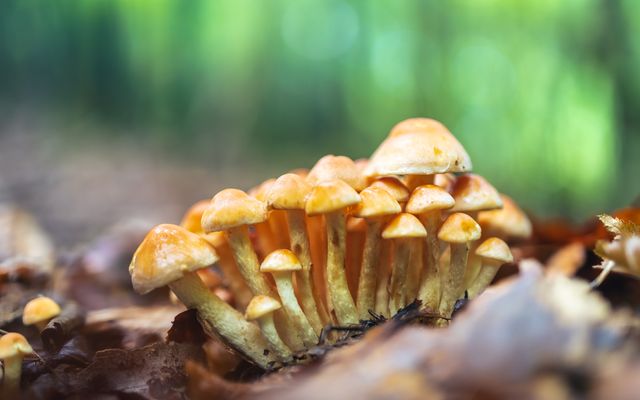
The future of food innovation is increasingly connected to alternative protein sources, precision fermentation, biotechnology, and artificial intelligence. As researchers explore ways to produce nutritious foods with potentially lower environmental footprints, fungal biomass has emerged as an interesting material for developing new food products. Mycelium, the network of thread-like structures formed by fungi, can grow on suitable nutrient sources and develop into biomass containing proteins, fibres, carbohydrates, lipids, and other naturally occurring compounds. Its structure and composition make it a promising ingredient for products such as meat alternatives, protein-rich foods, functional ingredients, and specialised nutritional formulations.
However, creating food from fungal biomass involves more than growing a fungus and processing the resulting material. The nutritional composition of mycelium can vary depending on the fungal species, growth medium, fermentation conditions, temperature, moisture, oxygen availability, and harvesting stage.
This is where artificial intelligence could contribute to a new approach called Mycelium Food Design. By combining fungal biology, fermentation data, nutritional analysis, and machine learning, AI systems could help researchers predict how changes in cultivation conditions influence the composition and functionality of fungal biomass. Models could potentially recommend growth conditions for producing biomass with particular nutritional characteristics and identify how processing methods influence the final food product.
The central opportunity is to move fungal food production from experimental cultivation towards predictive food engineering. Instead of repeatedly testing different combinations of fungal strains and growth conditions, researchers could use AI to identify promising production strategies before conducting physical experiments. This could make mycelium-based food development more systematic, improve batch consistency, and expand the range of products created from fungal biomass.
Understanding Mycelium as a Food Ingredient
Mycelium is the vegetative structure of fungi. It consists of interconnected filaments called hyphae, which grow through a suitable environment to absorb nutrients and support fungal development. Unlike the visible fruiting bodies of mushrooms, mycelium can be cultivated as biomass through controlled fermentation systems or grown on solid substrates.
Its potential as a food ingredient comes from its combination of nutritional and structural characteristics. Depending on the species and cultivation conditions, fungal biomass can contain substantial protein, dietary fibre, carbohydrates, lipids, and minerals. Fungal cell walls commonly contain structural materials such as chitin and beta-glucans, which contribute to their physical properties and influence their nutritional characteristics.
Mycelium can also develop fibrous structures that are interesting for food engineering. These structures may provide a naturally connected texture that can be processed into products designed to resemble certain characteristics of meat. The final texture depends on the fungal strain, cultivation method, growth conditions, and subsequent processing.
However, mycelium is not a single standardised ingredient. Different fungal species have different nutritional compositions, growth characteristics, flavours, and processing requirements. Even within the same species, the final biomass can vary according to the nutrients available during cultivation. This variability makes predictive modelling particularly relevant.
AI-based mycelium food design would therefore begin by treating fungal biomass as a variable biological material rather than a fixed nutritional ingredient.
How Growth Conditions Influence Nutritional Composition
The nutritional properties of mycelium are strongly influenced by its cultivation environment. Fungi obtain nutrients from their growth medium and convert them into cellular material through metabolic processes. The availability of carbon, nitrogen, minerals, and other nutrients can influence biomass production and composition.
Carbon and Nitrogen Sources
Carbon sources provide energy and raw material for fungal growth, while nitrogen sources contribute to the production of proteins, nucleic acids, and other nitrogen-containing compounds. The balance between these nutrients can influence both the rate of biomass formation and its chemical composition.
For example, a growth medium containing a different ratio of carbon to nitrogen may encourage a different pattern of fungal metabolism. The resulting biomass could show changes in protein concentration, carbohydrate accumulation, and other measurable properties.
AI models could analyse cultivation records and nutritional measurements to identify relationships between nutrient ratios and biomass composition. Researchers could then use these relationships to investigate formulations that produce fungal biomass with a desired protein or fibre profile.
Temperature, pH, and Moisture
Temperature and acidity influence fungal growth, enzyme activity, and metabolic pathways. Each fungal strain has particular environmental requirements, and conditions that support rapid biomass production may not necessarily produce the same nutritional composition as conditions that favour a different metabolic state.
Moisture also plays an important role, particularly in solid-state fermentation. It affects nutrient availability, oxygen movement, substrate structure, and the physical environment surrounding fungal hyphae.
AI could combine temperature, pH, and moisture measurements to predict how cultivation conditions may affect biomass development. Such models could help identify operating ranges that balance growth efficiency with the desired nutritional characteristics.
Oxygen Availability and Fermentation Duration
Many fungi require oxygen for growth and metabolism. In submerged fermentation, oxygen transfer depends on factors such as agitation, aeration, vessel design, and liquid properties. In solid-state systems, airflow and substrate structure can influence oxygen availability throughout the growing material.
Fermentation duration is equally important because fungal composition can change as biomass develops. Harvesting too early may produce insufficient biomass, while extended cultivation may influence nutrient utilisation, metabolic activity, and the accumulation of particular compounds.
An AI model could use time-series fermentation data to estimate when a culture is approaching its preferred harvesting stage. This could help manufacturers balance biomass yield, nutritional composition, and production efficiency.
How AI Can Predict the Nutritional Properties of Fungal Biomass
The nutritional composition of mycelium is not determined by fungal growth alone. It is the result of interactions between the fungal species, nutrient availability, metabolic activity, and cultivation environment. AI could help predict these relationships by learning how changes in production conditions influence measurable nutritional characteristics.
Protein Content and Amino Acid Composition
Protein is one of the most important reasons for exploring mycelium as a food ingredient. However, total protein concentration does not provide a complete picture of nutritional quality. The amino acid composition, digestibility, and availability of individual amino acids also influence the value of a protein source.
AI models could analyse the relationship between fungal strain, nitrogen availability, fermentation duration, and amino acid measurements. With sufficient experimental data, they could estimate the likely protein concentration and amino acid profile of biomass produced under particular conditions.
This could help manufacturers develop mycelium ingredients for different applications. A product designed as a high-protein meat alternative may have different nutritional requirements from a fungal ingredient intended for a snack, nutritional beverage, or food fortification application.
Fibre, Chitin, and Beta-Glucans
Fungal cell walls contain structural components, including chitin and beta-glucans, that contribute to the fibre characteristics of mycelium. These compounds can influence texture, water retention, processing behaviour, and digestive properties.
Their concentrations may vary according to fungal species, growth stage, and cultivation conditions. AI could examine how fermentation parameters relate to the accumulation of these structural components and help identify production conditions associated with a desired fibre profile.
However, increasing the concentration of one component does not automatically improve the nutritional quality of the finished food. Chitin, for example, can influence the accessibility of other nutrients, including proteins. A useful predictive model must therefore consider the balance between protein content, cell-wall composition, digestibility, and the intended food application.
Vitamins and Mineral Enrichment
Mycelium also offers opportunities for nutritional enrichment. Fungal biomass can contain minerals and vitamins, and its composition may be influenced by the nutrients supplied during fermentation. Researchers are investigating approaches such as mineral supplementation, biofortification, and controlled exposure to ultraviolet light to influence selected nutritional characteristics.
A 2026 review discusses the potential of mycelium as a food fortificant, including the enrichment of minerals such as iron, zinc, and selenium, as well as vitamin-related applications.
AI could help identify how different nutrient inputs and cultivation conditions influence the final concentrations of these substances. For instance, models could estimate how changing the mineral composition of a growth medium affects mineral accumulation in fungal biomass.
Such predictions would require careful validation because nutrient uptake is not always proportional to the amount supplied. Excessive concentrations of certain minerals may inhibit fungal growth or create undesirable accumulation. The objective would be to identify controlled conditions that produce a consistent and nutritionally appropriate ingredient.
Designing New Foods Through Mycelium-Based Formulation
Predicting the nutritional properties of fungal biomass is only one part of food design. The next challenge is transforming the biomass into products that consumers can prepare and enjoy. Mycelium has structural characteristics that may support the development of different food textures, but its performance depends on how it is harvested, processed, combined with other ingredients, and cooked.
Mycelium-Based Meat Alternatives
One of the most recognised applications of fungal biomass is the development of meat alternatives. The interconnected hyphal structure can contribute to a fibrous texture, making mycelium suitable for products designed to resemble certain characteristics of meat.
AI could support the development of these products by predicting how fungal strain, fermentation conditions, moisture content, and processing techniques influence firmness, elasticity, and water retention. It could also help compare different mycelium formulations with the texture requirements of products such as plant-based strips, burger patties, fillings, and ready-to-cook foods.
Processing methods such as high-moisture extrusion can further change the structure of fungal or protein-rich ingredients. Some manufacturers and researchers are also exploring advanced shaping technologies, including three-dimensional food printing, to create more controlled textures and product geometries.
Functional Foods and Nutritional Ingredients
Mycelium does not need to function as a complete meat replacement. It could also be incorporated into everyday foods as a protein- and fibre-containing ingredient. Potential applications include fortified bakery products, savoury snacks, soups, sauces, dairy alternatives, and specialised food formulations.
AI could help determine how much fungal biomass can be incorporated before it begins to negatively affect flavour, texture, colour, or processing performance. A model could compare different inclusion levels and estimate their influence on protein concentration, moisture retention, viscosity, and sensory characteristics.
For example, a manufacturer developing a high-protein vegetable snack could investigate whether mycelium improves the nutritional profile without making the product excessively dense or changing its flavour beyond the desired range. This would require both predictive modelling and sensory testing, because consumer acceptance cannot be established through nutritional calculations alone.
Mycelium as a Natural Food Fortificant
Another promising application is the use of fungal biomass to increase the nutritional value of existing food products. Depending on the fungal species and cultivation conditions, mycelium may contribute protein, dietary fibre, selected minerals, and other compounds.
An AI-based design system could identify which fungal biomass is most suitable for a particular food category. It could consider the target nutritional profile, the product’s existing composition, ingredient compatibility, and processing requirements.
This may support the development of fortified foods in which the nutritional contribution of mycelium is planned during formulation rather than added as an afterthought. Nevertheless, any nutritional claim would need to be supported by laboratory analysis of the final product and comply with applicable food regulations.
Smart Fermentation: Connecting AI Predictions with Production
The strongest application of Mycelium Food Design may emerge when predictive models are connected directly to fermentation equipment. Conventional fermentation systems depend on monitoring environmental conditions and adjusting parameters to maintain a suitable growth environment. Smart fermentation introduces continuous data collection and computational analysis into this process.
Sensors can monitor variables such as temperature, pH, dissolved oxygen, agitation, pressure, and other indicators of fermentation performance. Depending on the system, additional measurements from spectroscopy or other analytical techniques may provide information about the changing composition of the culture.
AI models could analyse these data streams to estimate biomass growth and identify conditions associated with changes in nutritional composition. If the model detects that the fermentation process is moving away from the desired operating range, it could recommend adjustments for evaluation by the production control system.
This approach could support more consistent batches by identifying variations before they become significant production problems. It may also help manufacturers balance biomass yield, nutrient composition, energy use, and fermentation duration.
Research on smart fermentation for fungal production has explored the combination of machine learning, sensors, and automated process control. These approaches indicate how data-driven systems could improve the reliability and efficiency of fungal biomanufacturing, although commercial food applications still require product-specific validation and implementation.
Using Agricultural By-Products as Fungal Growth Materials
Mycelium production may also contribute to more circular food systems. Certain fungi can grow on suitable agricultural and food-processing by-products, converting available organic materials into fungal biomass. Depending on the species and processing requirements, potential feedstocks may include selected cereal residues, plant-processing materials, and other nutrient-containing substrates.
However, not every agricultural residue is suitable for food-grade fungal cultivation. Its chemical composition, digestibility, contamination risks, and consistency must be assessed before use. Some materials require pretreatment to make nutrients accessible to the fungus.
AI could help researchers compare different feedstocks according to their nutrient composition, expected fungal growth performance, processing requirements, and resulting biomass characteristics. A predictive model could identify which substrate combinations are most promising for producing a particular nutritional profile.
A 2026 review of mycelial food production describes the role of feedstock characterisation, pretreatment, fermentation parameters, and downstream processing in developing fungal ingredients from sustainable raw materials.
This could eventually support a feedstock-to-food design approach, in which agricultural by-products are evaluated not only according to their availability but also according to the quality and functionality of the fungal biomass they can produce.
Building an AI Architecture for Mycelium Food Design
A practical AI system for mycelium food design would require a connected database covering fungal biology, fermentation performance, nutritional composition, and final product characteristics. The first stage would involve collecting information about different fungal strains, including their growth rates, nutrient requirements, metabolic characteristics, and suitability for food applications.
The second stage would connect this information with cultivation data. Each fermentation batch could be associated with its substrate composition, temperature, pH, oxygen availability, moisture, and harvesting time. Laboratory measurements would then provide information about protein, amino acids, fibre, lipids, carbohydrates, minerals, and other relevant compounds.
Machine learning models could use these datasets to predict the nutritional composition of biomass produced under different conditions. A separate model could estimate its functional performance, including water-holding capacity, texture, and suitability for particular food formulations.
An advanced platform could combine these predictions into a nutritional target system. For example, a manufacturer could specify a desired protein concentration, fibre profile, moisture level, and texture. The system could then identify promising fungal strains and cultivation conditions for experimental testing.
This approach could eventually create a feedback-driven production environment. Actual laboratory measurements would be compared with AI predictions, and the differences would be used to improve the models. Over time, the system could become more accurate for specific fungal strains, fermentation equipment, and food applications.
Challenges in Safety, Nutrition, and Commercial Production
Despite its potential, mycelium food design involves important scientific and regulatory challenges. The first is species selection. Not every fungus is suitable for human consumption, and food production must use appropriately identified and evaluated strains. The possibility of contamination by unwanted microorganisms, mycotoxins, or undesirable metabolites must also be considered throughout cultivation and processing.
Nutritional consistency presents another challenge. A model may predict a particular protein or mineral concentration, but actual production conditions can create differences between batches. Regular laboratory testing remains necessary to confirm the composition of finished biomass.
Digestibility is equally important. Fungal cell walls contain compounds such as chitin and beta-glucans that can influence how proteins and other nutrients are released during digestion. A high measured protein concentration does not automatically guarantee that all of that protein will be equally accessible to the human body. Food manufacturers must consider amino acid composition, digestibility, processing effects, and the complete nutritional profile.
Sensory acceptance can also determine commercial success. Some fungal ingredients may have earthy, savoury, or distinctive fermentation-related flavours. Their colour and texture may not be appropriate for every food category. AI could help analyse sensory datasets and identify ingredient combinations associated with preferred characteristics, but consumer testing remains essential.
There are also regulatory requirements concerning fungal species, production methods, ingredient safety, labelling, and nutritional claims. Certain mycelium-based ingredients may require novel-food assessment depending on the species, manufacturing process, and jurisdiction. AI predictions cannot replace the required safety evaluations or regulatory approvals.
The Future of Predictive Fungal Food Engineering
The future of Mycelium Food Design could involve integrating artificial intelligence with precision fermentation, metabolomics, synthetic biology, and advanced food manufacturing. Instead of producing one standard fungal biomass ingredient, manufacturers may eventually develop specialised mycelium materials for different nutritional and functional purposes.
One production system could focus on protein-rich biomass for meat alternatives, while another could be designed to produce ingredients with selected fibre or micronutrient characteristics. Different strains and cultivation strategies could be evaluated according to their suitability for each application.
Metabolomics could provide detailed information about the small molecules produced during fungal growth, while AI could identify relationships between metabolic activity and nutritional outcomes. This could help researchers understand how fermentation conditions influence not only the major nutritional components but also flavour-related compounds and other metabolites.
Synthetic biology may provide another development pathway by allowing researchers to investigate specific changes in edible fungal strains. A 2024 study demonstrated a modular synthetic biology toolkit for engineering edible Aspergillus oryzae, exploring improvements in nutritional value and sensory characteristics. Such research illustrates how fungal food development may increasingly connect biological engineering with data-driven formulation.
Another possibility is the development of digital twins for fungal production. These computational models could represent a fermentation system and estimate how changes in temperature, nutrient availability, oxygen transfer, or harvesting time influence biomass production. When connected with actual sensor measurements, they could help manufacturers evaluate production scenarios before making physical adjustments.
In the longer term, predictive fungal food engineering could contribute to more flexible and resource-efficient food manufacturing. It may enable researchers to convert suitable agricultural materials into carefully characterised ingredients while reducing unnecessary experimentation and improving batch consistency. However, the environmental benefits would depend on the complete production process, including feedstock preparation, energy consumption, water use, processing, and transportation.
Conclusion
Mycelium Food Design represents an emerging opportunity to combine fungal biotechnology with artificial intelligence and nutritional science. Fungal biomass offers a distinctive combination of protein, dietary fibre, structural components, and potentially valuable micronutrients. Its composition and functional properties can be influenced by the fungal species, growth medium, fermentation environment, and processing conditions.
AI could help predict these relationships by analysing cultivation data, laboratory measurements, and food formulation requirements. It may support the development of mycelium ingredients with more consistent nutritional profiles, improve fermentation control, and help manufacturers create new products such as meat alternatives, fortified snacks, bakery ingredients, and functional foods.
The most important development would be the ability to design fungal biomass around a defined nutritional and functional objective. Rather than simply producing as much mycelium as possible, manufacturers could investigate how to produce biomass with specific protein, fibre, mineral, and texture characteristics.
However, reliable results will require high-quality experimental datasets, suitable food-grade fungal strains, continuous safety monitoring, and nutritional validation. AI should guide production decisions rather than serve as a substitute for laboratory testing, digestion research, or regulatory assessment.
As precision fermentation and computational food science advance, Mycelium Food Design could help transform fungal biomass from an alternative protein ingredient into a more programmable food material. This could open new possibilities for developing foods with predictable characteristics while supporting innovation in sustainable food production.
Online Internship with Certificate
You may be interested
Mineral Bioaccessibility Forecasting: Which Minerals Become Available During Digestion
Anshika Jain - October 30, 2026Minerals are essential nutrients that support numerous biological processes, including oxygen transport, bone development, nerve signalling, muscle contraction, enzyme activity, and immune function. Iron, zinc, calcium, magnesium,…

Plant Protein Functionality AI: How Protein Ingredients Behave in Real Meals?
Anshika Jain - October 30, 2026Plant-based proteins have become important ingredients in modern food development. Soy, pea, chickpea, lentil, fava bean, mung bean, and other plant protein sources are increasingly used in…

Phytochemical Transformation Maps: Cooking Changes the Chemical Profile of Vegetables?
Anshika Jain - October 30, 2026Cooking vegetables is commonly understood as a process that changes their taste, texture, colour, and digestibility. However, beneath these visible changes, a much more complex transformation takes…
Most from this category

Digital Boundary Intelligence: Technology Use Conflicts With Their Goals?
Anshika Jain - October 30, 2026
Reward Prediction in Eating: AI Model the Gap Between Expected and Experienced Food Satisfaction
Anshika Jain - October 29, 2026

Food Aroma Fingerprinting: AI Identify Changes in Food Quality
Anshika Jain - October 30, 2026Digital Boundary Intelligence: Technology Use Conflicts With Their Goals?
Anshika Jain - October 30, 2026Reward Prediction in Eating: AI Model the Gap Between Expected and Experienced Food Satisfaction
Anshika Jain - October 29, 2026



.png)
Leave a Comment
You must be logged in to post a comment.