
Self-Care Response Simulator: Recovery Activity Is Appropriate for Particular Type of Fatigue

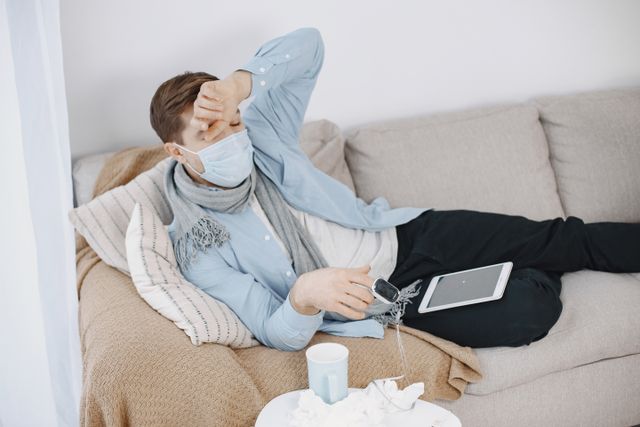
Self-care is often discussed as a collection of activities that help people feel better, maintain their health and manage everyday pressure. However, not every recovery activity is equally useful for every type of fatigue. A person experiencing physical exhaustion after an intense workout may need a different recovery approach from someone dealing with mental tiredness after several hours of concentrated work. Similarly, emotional exhaustion caused by prolonged stress may require a different response from ordinary sleepiness or temporary loss of motivation.
Despite these differences, many people follow the same self-care routines regardless of how they feel. They may choose exercise whenever they feel tired, attempt meditation when they are physically exhausted or spend time sleeping when their main difficulty is mental overload. Although these activities can be beneficial, their usefulness depends on the individual’s condition, circumstances and recovery needs.
Artificial intelligence could introduce a more personalised approach through a concept known as a Self-Care Response Simulator. Such a system would analyse information about a person’s activity, sleep, stress, routines and reported symptoms to estimate what type of fatigue they may be experiencing. It could then simulate how different recovery activities might fit their current condition and recommend an appropriate option.
Instead of offering the same wellness suggestions every day, the system would attempt to understand why someone feels tired and what kind of recovery may be most suitable. The objective would not be to replace healthcare professionals or make medical diagnoses. It would be to make everyday self-care decisions more informed, adaptable and relevant to individual needs.
Understanding the Self-Care Response Simulator
A Self-Care Response Simulator can be described as an AI-powered system that evaluates different recovery options according to a person’s current fatigue patterns. It would collect information from several sources, identify possible fatigue categories and compare recovery activities based on their suitability.
The system could begin by distinguishing between physical fatigue, mental fatigue, emotional exhaustion, sleep-related tiredness and general lifestyle fatigue. These categories can overlap, meaning a person may experience more than one type simultaneously. For example, someone who has slept poorly and completed a demanding workout may experience both physical and cognitive tiredness.
After identifying possible patterns, the simulator could evaluate activities such as taking a short break, walking, stretching, practising relaxation techniques, adjusting sleep routines or choosing a lower-intensity exercise session. It could also consider whether the individual has sufficient time, access to a suitable environment and any personal restrictions that affect their choices.
The word simulator is important because the system would not simply display a fixed recommendation. It could compare different possible responses and estimate which option is most appropriate based on available information. As the user provides feedback, the system could improve its understanding of which activities are practical and helpful for that individual.
For example, if someone reports mental exhaustion after a long working day, the simulator might compare a short outdoor walk, a screen-free break and a brief breathing exercise. It could recommend one option based on the person’s schedule, previous responses and current activity patterns. These recommendations would be suggestions rather than guaranteed predictions of recovery.
Why Different Types of Fatigue Need Different Recovery Approaches
Fatigue is not a single condition with one universal solution. It can develop through physical exertion, cognitive workload, emotional pressure, insufficient sleep, inadequate nutrition or other health-related factors. Understanding these differences is essential before recommending a recovery activity.
Physical fatigue may develop after prolonged exercise, repetitive movement, demanding work or insufficient recovery between training sessions. A person experiencing this type of tiredness may benefit from reducing physical intensity, allowing adequate rest, maintaining hydration and following an appropriate recovery routine. Gentle movement may be comfortable in some circumstances, but additional exercise is not always the right response.
Mental fatigue is associated with sustained cognitive effort. Long periods of studying, problem-solving, decision-making or working with large amounts of information can make concentration more difficult. In such situations, a short break, reduced screen exposure, a change of activity or a brief walk may help create distance from the demanding task.
Emotional exhaustion may be connected with prolonged stress, conflict, uncertainty or excessive responsibilities. Someone experiencing this type of fatigue may need supportive social interaction, quiet time, relaxation or professional mental health support, depending on the circumstances. Simply increasing physical activity may not address the underlying source of distress.
Sleep-related fatigue requires particular attention because it may reflect insufficient sleep, irregular schedules or poor sleep quality. A simulator could identify patterns such as consistently short sleep duration or irregular bedtimes and encourage healthier sleep habits. However, persistent sleepiness can also have medical causes and should not automatically be treated as a lifestyle issue.
How AI Could Identify the Type of Fatigue
A Self-Care Response Simulator would need to understand the user’s condition before recommending an activity. AI could combine self-reported information with selected data from wearable devices and digital activity records to identify possible fatigue patterns.
The first source of information could be a short daily check-in. Users might describe their current energy level, concentration, mood, physical discomfort and perceived stress. They could also indicate whether their tiredness appeared after exercise, work, studying, travel or an unusually demanding day. This information would help the system understand the context behind the fatigue rather than relying on a single numerical score.
Wearable devices could provide additional information, including sleep duration, movement patterns, resting heart rate and activity levels. Some devices also estimate sleep stages or recovery indicators, although these measurements are not equivalent to clinical assessments. The simulator could use them as supporting signals rather than treating them as definitive evidence of a person’s physical or mental condition.
Digital routines may provide further context. For example, a person who spends several hours in continuous computer-based work may be experiencing a different form of tiredness from someone who has completed a physically demanding shift. Calendar information, if the user chooses to connect it, could help identify periods of high workload and limited breaks.
AI could combine these signals to estimate which fatigue patterns are most likely. It should communicate uncertainty clearly because fatigue categories frequently overlap. A user may experience physical tiredness, stress and poor concentration at the same time, and available digital data may not reveal the complete reason.
Simulating Different Recovery Activities
The most interesting feature of the simulator would be its ability to compare several possible recovery activities before recommending one. Instead of assuming that a single activity is appropriate for everyone, it could examine how different options align with the user’s current needs.
Suppose a person reports feeling mentally exhausted after a long period of studying. The system could compare taking a short screen-free break, going for a gentle walk or practising a relaxation exercise. It might consider the time available, the user’s previous feedback and whether the person has already spent much of the day sitting.
For someone reporting physical tiredness after resistance training, the simulator could compare complete rest, gentle mobility work and a low-intensity recovery activity. If the person also reports significant pain or unusual symptoms, the system should avoid treating the situation as ordinary workout fatigue and recommend appropriate professional assessment.
A person experiencing emotional overload may need a different set of options. The system could suggest stepping away from a demanding task, spending time in a calm environment or contacting a trusted person. If the user reports persistent emotional distress, the simulator should encourage appropriate mental health support rather than relying on lifestyle recommendations alone.
The simulator would not need to claim that one activity will definitely produce the fastest recovery. Its purpose would be to compare available choices and identify a reasonable next step based on the information provided.
Building a Personal Fatigue Profile
A major advantage of AI-powered self-care technology could be its ability to learn from an individual’s responses over time. People differ in their schedules, activity preferences, recovery habits and tolerance for different forms of exercise. A recommendation that works well for one person may be inconvenient or ineffective for another.
The simulator could develop a personal fatigue profile by recording how users describe their energy levels across different situations. It might identify that mental tiredness frequently appears after extended screen-based work or that physical exhaustion tends to follow sudden increases in exercise volume.
The system could also compare the activities users choose with their subsequent feedback. If a person regularly reports that a brief walk helps them feel more alert after sedentary work, the simulator may consider that preference in similar situations. If another user finds that additional movement makes their physical exhaustion worse, the system could become more cautious about recommending activity when similar patterns appear.
This process would create an evolving model of personal recovery preferences. However, the system should distinguish between a user’s subjective feeling of improvement and objective health outcomes. Feeling temporarily refreshed does not necessarily mean that the underlying cause of fatigue has been resolved.
Personalisation should therefore improve the relevance of suggestions without creating the impression that AI fully understands a person’s health.
The Role of Sleep in AI-Based Recovery Simulation
Sleep is one of the most important factors in physical and cognitive recovery. Insufficient or irregular sleep can affect concentration, mood, reaction time, exercise performance and the ability to manage daily responsibilities. A recovery simulator would therefore need to consider sleep patterns before recommending additional activities.
An AI system could analyse bedtime consistency, reported sleep duration and available wearable data to identify possible sleep-related patterns. If a person repeatedly reports tiredness after sleeping for insufficient hours, the system might prioritise sleep-related recommendations rather than suggesting a demanding workout.
It could also help users recognise how late-night screen use, irregular schedules and changing work commitments influence their routines. For example, if a person frequently sleeps late after completing evening tasks, the simulator might suggest a more consistent wind-down routine or a gradual adjustment to their schedule.
However, wearable sleep estimates are not perfect measurements of sleep quality. A device may provide useful trends, but it cannot independently diagnose sleep disorders. Persistent daytime sleepiness, breathing-related sleep concerns or ongoing difficulty sleeping should be discussed with a healthcare professional.
Managing Mental Fatigue Through Intelligent Self-Care
Mental fatigue can influence the way people study, work, make decisions and respond to everyday challenges. It may appear as reduced concentration, slower thinking, difficulty remembering information or a feeling of mental overload. These experiences can become more noticeable when a person spends long periods performing demanding cognitive tasks without sufficient breaks.
An AI simulator could examine patterns in work duration, break frequency and self-reported concentration. It might identify that the user tends to experience reduced focus after several hours of uninterrupted screen-based work. Based on this pattern, it could recommend a short break, a change of task or a brief period away from digital devices.
For students, this could help create more sustainable study routines. Instead of encouraging longer study sessions whenever productivity declines, the system could recognise when a break may be more appropriate. For professionals, it could support workload planning by identifying periods when concentrated work is frequently followed by reported mental exhaustion.
Relaxation techniques may also be included as optional recovery activities. Controlled breathing, mindfulness and quiet breaks can help some people manage everyday stress. However, these approaches are not universal treatments, and the system should allow users to choose activities that suit their preferences and circumstances.
Supporting Physical Recovery and Exercise Decisions
Physical activity is important for maintaining strength, mobility and general health, but exercise planning should account for recovery. A person who is physically exhausted may not benefit from repeating the same demanding workout immediately. At the same time, ordinary tiredness does not always mean that all movement should be avoided.
A Self-Care Response Simulator could examine recent exercise duration, intensity, movement patterns and self-reported soreness. It might compare a planned high-intensity session with a lower-intensity alternative or a rest period. This could help users think more carefully about training decisions instead of following a fixed exercise schedule regardless of how they feel.
For example, someone who completed a demanding leg workout may receive a suggestion to prioritise recovery rather than repeat an intense lower-body session the following day. Another person who feels sluggish after sitting for several hours may be offered a gentle movement break rather than complete inactivity.
The system could also help users recognise changes in their usual exercise response. If a familiar activity suddenly feels unusually difficult or causes persistent discomfort, the simulator should avoid assuming that the person simply needs more motivation. Such changes may require a reduction in activity and professional assessment.
Vegetarian Nutrition as Part of Recovery Planning
Nutrition plays an important role in supporting energy levels, muscle maintenance and general physical recovery. A vegetarian diet can provide many nutrients needed for an active lifestyle when it includes a suitable variety of foods and sufficient overall energy.
A recovery simulator could consider broad dietary patterns if users choose to provide this information. For example, it might help someone recognise that their meals frequently lack protein-rich foods or that they often skip meals during demanding workdays. It could then offer general educational suggestions rather than prescribing a restrictive diet.
Vegetarian protein sources include lentils, chickpeas, kidney beans, soybeans, tofu, paneer, milk, yoghurt, nuts and seeds. Including these foods as part of balanced meals can help support muscle maintenance and recovery. Whole grains, fruits and vegetables provide carbohydrates, fibre, vitamins and minerals that contribute to a varied diet.
Iron, vitamin B12, calcium, vitamin D and magnesium also deserve attention. Pulses, beans, whole grains, seeds and green vegetables provide several nutrients, while milk, yoghurt, paneer and fortified alternatives can contribute calcium. Vitamin B12 requires particular consideration in vegetarian diets with limited animal-derived foods, and fortified products or supplements may be appropriate depending on individual dietary intake.
Hydration should also be considered, especially after exercise or during hot weather. Nevertheless, the simulator should not claim that a particular food can cure fatigue. Persistent tiredness may have nutritional, medical, psychological or lifestyle-related causes and may require professional evaluation.
Measuring Whether a Recovery Activity Helped
A useful simulator would need to evaluate the response after a recommended activity. Without feedback, it would have little information about whether its suggestions were practical or helpful.
The system could ask users to report how they feel after completing a recovery activity. They might describe changes in energy, concentration, perceived stress or physical comfort. It could then compare these responses with the original fatigue report and identify patterns over time.
For example, a user who frequently reports mental tiredness after prolonged computer work might notice improved alertness after taking a short outdoor break. Another user may find that relaxation exercises are more helpful after emotionally demanding days. These patterns could help the simulator personalise future suggestions.
The timing of feedback would matter. Some activities may create an immediate feeling of relief, while others may support longer-term routines. A short walk may temporarily improve alertness, whereas maintaining a consistent sleep schedule may require several days or weeks before the user notices meaningful changes.
The simulator should therefore avoid reducing recovery to a single instant score. It could distinguish between immediate perceived improvement and longer-term changes in energy, sleep habits and activity patterns.
Applications in Education, Workplaces and Personal Wellness
A Self-Care Response Simulator could support several everyday environments. In education, it might help students recognise when extended study sessions are affecting concentration and when a short break could be more useful than continuing to study without interruption.
In workplaces, it could help employees reflect on the relationship between workload, breaks and energy levels. A system integrated with a voluntary wellness platform might identify patterns of long uninterrupted work periods and encourage more sustainable routines. Employers should not use personal fatigue information to monitor or penalise employees. Participation and data sharing should remain under the individual’s control.
Fitness platforms could use the concept to make exercise recommendations more responsive to daily conditions. Instead of automatically repeating a planned workout, the system could consider recent activity, reported fatigue and recovery trends before suggesting an appropriate level of exercise.
Personal wellness applications could combine sleep routines, relaxation activities, movement breaks and nutrition education into a single recovery-planning experience. The value would come from coordinating these areas rather than treating every self-care activity as an independent recommendation.
Limitations and Risks of AI-Based Fatigue Prediction
Despite its potential, AI cannot reliably determine every cause of fatigue through digital data. Tiredness may be associated with insufficient sleep, stress, nutritional deficiencies, medication effects, infections or other medical conditions. Some causes may not produce clear patterns in wearable measurements or daily activity records.
A simulator could also misinterpret information. A low activity level does not necessarily indicate physical exhaustion, and an elevated heart rate does not automatically mean that someone needs a particular recovery activity. Individual differences, environmental conditions and device accuracy can influence the results.
Another important risk is excessive dependence on AI recommendations. Users should not feel that they must follow every suggestion or that the system knows their physical and emotional needs better than they do. The platform should encourage self-awareness and informed decision-making rather than create anxiety around daily energy scores.
Persistent, unexplained or severe fatigue deserves medical attention, particularly when it is accompanied by symptoms such as breathlessness, fainting, chest pain, fever or significant weakness. A wellness simulator must not delay appropriate medical care or present itself as a diagnostic tool.
Privacy and Ethical Design
Because a self-care simulator may collect information about sleep, stress, mood, activity and daily routines, privacy should be a central part of its design. Users should understand which information is being collected, how it is processed and whether it is shared with other services.
The platform should request clear consent before accessing wearable data, calendars or other connected sources. It should collect only the information required for its stated purpose and provide meaningful controls for reviewing and deleting personal records where available.
The recommendations should also be explainable. If the system suggests a lower-intensity activity because the user reported physical exhaustion after a demanding workout, it should communicate that reasoning clearly. Users should be able to correct inaccurate information and reject suggestions that do not fit their circumstances.
Ethical design also requires avoiding unsupported medical claims. The system should present its output as general wellness guidance, communicate uncertainty and provide clear routes to professional support when a user’s symptoms indicate that self-care alone may not be sufficient.
The Future of Personalised Recovery Intelligence
Future developments in artificial intelligence may make recovery simulators more context-aware. They could combine movement analysis, wearable information, personal schedules and user feedback to create a more complete picture of everyday energy patterns.
An advanced system might recognise that a user experiences mental fatigue after long periods of concentrated work, physical tiredness after sudden increases in exercise and reduced alertness following irregular sleep. It could then adapt its suggestions according to the type of fatigue, available time and the user’s previous responses.
Such platforms may eventually coordinate with fitness applications, digital calendars and wellness programmes to help users plan recovery activities around their daily responsibilities. However, these connections should remain optional, transparent and privacy-conscious.
The most useful systems will not attempt to control every part of a person’s lifestyle. They will provide understandable information, make practical suggestions and allow individuals to decide what works for them. Their success should be measured by whether they support healthier habits and better-informed decisions, not by how many recommendations users follow.
Conclusion
A Self-Care Response Simulator could introduce a more intelligent approach to everyday recovery by recognising that physical, mental, emotional and sleep-related fatigue may require different responses. Through the analysis of self-reported information, activity patterns, sleep trends and wearable data, AI could compare recovery options and recommend activities that better match an individual’s current circumstances.
Its strongest contribution would be personalisation. Instead of repeating generic wellness suggestions, it could learn from individual preferences and feedback, helping users understand which routines are practical and supportive in different situations. It could also connect exercise, sleep, relaxation and vegetarian nutrition within a broader approach to everyday well-being.
However, AI-based fatigue prediction has important limitations. Digital measurements cannot reveal every cause of tiredness, and a recommendation cannot guarantee recovery. Persistent or unexplained fatigue may require medical assessment, while emotional distress may require professional support.
Ultimately, the purpose of a self-care simulator should be to help people make more thoughtful recovery decisions rather than encourage them to optimise every moment of the day. By combining responsible AI design with personal awareness and professional guidance, this technology could make self-care more adaptive, meaningful and sustainable.
Online Internship with Certificate
You may be interested
Health Improvement Is Temporary Rather Than a Genuine Long-Term Change
Anshika Jain - November 26, 2026A noticeable improvement in health can be encouraging. Someone may experience better energy after changing their breakfast, sleep more comfortably after following a new evening routine, or…
AI-Based Medication and Meal Coordination Intelligence: Avoid Conflicting Daily Health Routines
Anshika Jain - November 26, 2026Managing everyday health involves more than remembering to take medication or choosing nutritious food. People often follow several routines simultaneously, including prescribed medicines, breakfast and dinner schedules,…
Personal Health Measurement Reliability AI: Device Is Producing Misleading Readings
Anshika Jain - November 26, 2026Wearable devices and home health monitoring technologies have changed how people observe their daily health. Smartwatches, fitness bands, digital thermometers, blood pressure monitors, weighing scales and home…
Most from this category
Movement Safety Windows: Daily Routine Reveal When High-Intensity Exercise Is Poor Choice
Anshika Jain - November 26, 2026
Personal Symptom Interaction Graph: Connections Between Unrelated Health Changes
Anshika Jain - November 26, 2026
Exercise Quality Score: Workout Was Effective Rather Than Just Counting Repetitions
Anshika Jain - November 25, 2026
AI Predict When Increasing Gym Weight Will Reduce Exercise Quality Instead of Improving Strength
Anshika Jain - November 25, 2026
Movement Safety Windows: Daily Routine Reveal When High-Intensity Exercise Is Poor Choice
Anshika Jain - November 26, 2026Personal Symptom Interaction Graph: Connections Between Unrelated Health Changes
Anshika Jain - November 26, 2026Exercise Quality Score: Workout Was Effective Rather Than Just Counting Repetitions
Anshika Jain - November 25, 2026


.png)
Leave a Comment
You must be logged in to post a comment.