
Movement Safety Windows: Daily Routine Reveal When High-Intensity Exercise Is Poor Choice

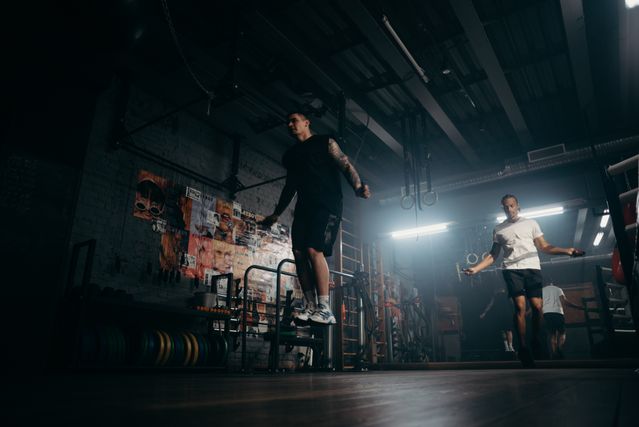
High-intensity exercise can be an effective part of a fitness routine. Activities such as sprint intervals, demanding resistance training, circuit workouts and intense cycling sessions can challenge the cardiovascular system and muscles while supporting improvements in physical performance. However, the suitability of an intense workout does not depend only on a person’s fitness goals or weekly exercise schedule. It can also depend on sleep quality, recent physical activity, stress, nutrition, hydration and the amount of recovery the body has received.
A workout that feels manageable after a restful night may feel considerably more difficult after several hours of physical work, insufficient sleep or a demanding day. Despite these differences, many people follow fixed exercise schedules without considering how their daily condition has changed. They may complete a high-intensity session simply because it appears on their fitness calendar, even when their energy, concentration or movement quality suggests that a lighter activity could be more appropriate.
Artificial intelligence could make exercise planning more responsive through the concept of AI-powered movement safety windows. This approach would analyse a person’s daily routine, activity patterns and recovery indicators to estimate when high-intensity exercise may be suitable and when a lower-intensity alternative might be a better choice.
Rather than treating every day as an identical training opportunity, an AI system could identify periods when physical readiness appears relatively favourable and periods when additional demands may be less appropriate. The objective would not be to predict injuries with certainty or prevent people from exercising. It would be to help individuals make better-informed decisions about workout intensity by considering the wider context of their daily lives.
Understanding AI-Powered Movement Safety Windows
A movement safety window can be understood as a period when an individual’s available information suggests that a particular level of physical activity may be reasonably appropriate. In an AI-powered system, this window would be estimated by analysing several factors that influence exercise readiness.
For example, a person who has slept adequately, maintained their usual activity pattern and recovered from previous training may be in a better position to attempt a demanding workout than someone who has experienced poor sleep, unusually high physical activity and persistent tiredness. These factors do not guarantee how the person will perform, but they can provide useful context.
AI could organise this information into a dynamic daily profile. Instead of displaying only a general readiness score, the system might explain whether the user’s recent routine suggests that high-intensity training, moderate exercise or gentle movement is the more suitable option to consider.
The word window does not necessarily refer to a specific hour of the day. It can represent a period of relative readiness that changes as new information becomes available. A person might feel ready for a workout in the morning but experience increased fatigue later after a physically demanding workday. Another individual may prefer evening exercise because their daily schedule allows sufficient time for rest beforehand.
A responsible system would therefore avoid treating readiness as a fixed timetable. It would update its assessment according to recent activity, reported symptoms and changes in the user’s routine.
Why Daily Routines Influence Exercise Readiness
Exercise readiness is influenced by more than the previous workout. Daily responsibilities can create physical and mental demands that affect how a person feels when they reach the gym or begin an outdoor activity.
Someone working in an office may spend several hours sitting, concentrating and attending meetings. Although this routine may involve limited physical exertion, it can still contribute to mental fatigue and reduced motivation. A person working in a physically demanding role may already have completed substantial lifting, walking, standing or repetitive movement before their planned workout begins.
Sleep is another important factor. Inadequate sleep can affect concentration, reaction time, mood and exercise performance. A person who repeatedly sleeps for shorter periods may find demanding training more difficult, particularly when insufficient recovery is combined with high training volume.
Stress can also influence the exercise experience. Prolonged emotional or occupational pressure may affect sleep, energy and the ability to recover comfortably. Similarly, irregular meals and insufficient hydration can make physical activity more challenging, particularly during demanding sessions or in hot environments.
An AI-powered system could examine these factors together instead of relying on a single indicator. This broader understanding may help users recognise that their daily routine contributes to their overall physical demands, even when they do not consider those activities to be exercise.
How AI Could Analyse Daily Activity Patterns
The first step in creating movement safety windows would be collecting relevant information about the user’s daily routine. AI could use self-reported details, wearable sensors and activity records to develop an overview of physical and lifestyle demands.
A smartwatch or fitness tracker may provide information about step counts, movement duration, heart rate and sleep estimates. Some devices also offer measurements such as resting heart rate and heart-rate variability. These indicators can provide useful trends, but they have limitations and should not be interpreted as direct measurements of muscle recovery or injury risk.
The system could also examine the user’s exercise history. It might record recent workout duration, training intensity, resistance levels and the frequency of demanding sessions. If a person has completed several high-intensity workouts within a short period, the system could highlight the accumulated training demands for review.
Daily activity records could add another layer of context. For example, a person who walks extensively during work, climbs stairs frequently or performs repetitive physical tasks may already be experiencing considerable physical activity before their planned workout.
Self-reported information would remain important because wearable devices cannot understand every aspect of a person’s condition. A short check-in about tiredness, soreness, motivation and perceived stress could help the system interpret sensor data more carefully.
By combining these sources, AI could develop a changing picture of daily activity and exercise readiness. The quality of the assessment would depend on the accuracy of the information, the reliability of the devices and the system’s ability to account for individual differences.
Identifying When High-Intensity Exercise May Be a Poor Choice
High-intensity exercise is not inherently unsafe, but it may be less appropriate under certain circumstances. An AI system could identify combinations of indicators that suggest a person should reconsider a demanding session.
For instance, imagine someone who slept poorly, completed an intense workout the previous day and reports persistent muscle soreness. If their movement patterns also appear less consistent than usual, the system could suggest reviewing the planned workout rather than automatically encouraging the person to continue.
Another example involves a person who has spent the day performing physically demanding work. Their fitness application may show relatively few formal exercise sessions, but their overall activity records could reveal extensive walking, lifting or standing. A movement safety system could consider these demands before recommending another intense session.
Similarly, someone experiencing unusually high stress and low energy may benefit from adjusting the intensity of their planned workout. The system could suggest a moderate activity or a rest period, depending on the available information and the user’s reported condition.
However, no single signal should automatically determine whether a person can exercise. A higher resting heart rate, poor sleep estimate or reduced step count does not independently establish that high-intensity exercise is unsafe. The system should evaluate patterns, communicate uncertainty and allow users to consider how they actually feel.
The Role of Sleep and Recovery in Safety Windows
Sleep is a central part of recovery because it supports normal physical and cognitive functions. When sleep is consistently insufficient, people may experience reduced concentration, slower reactions, changes in mood and difficulty maintaining their usual exercise performance.
An AI-powered movement safety system could examine sleep duration, bedtime consistency and changes in reported sleep quality. If the user regularly experiences short or disrupted sleep, the platform might identify a pattern that deserves attention before scheduling demanding workouts.
For example, a person who has slept poorly for several nights may receive a recommendation to avoid increasing workout intensity until their routine becomes more stable. The system might also encourage a consistent sleep schedule and sufficient time for rest.
Recovery should not be reduced to a single number. A wearable device may estimate sleep duration or provide a recovery score, but these measurements cannot fully describe the body’s condition. The system should combine available data with personal feedback and avoid presenting a device-generated score as a medical assessment.
Persistent sleep problems or excessive daytime sleepiness may require professional evaluation. AI can help identify patterns, but it cannot independently diagnose sleep disorders or determine every reason behind poor recovery.
Understanding the Difference Between Physical and Mental Fatigue
Physical fatigue and mental fatigue can influence exercise decisions in different ways. Physical fatigue may follow demanding exercise, repetitive work or prolonged physical activity. It can appear as reduced muscular performance, heaviness, soreness or difficulty maintaining normal movement quality.
Mental fatigue may develop after sustained concentration, complex decision-making, studying or prolonged screen-based work. A person experiencing mental tiredness may have less motivation to exercise or may find it difficult to maintain attention during technically demanding movements.
An AI system could attempt to distinguish between these experiences through self-reported information and activity patterns. If someone reports mental exhaustion after a long working day but has not completed significant physical activity, the system might suggest a manageable workout rather than automatically recommending complete rest.
In contrast, if a person reports substantial muscular soreness after a demanding training session, the system could suggest considering a lighter activity or allowing additional recovery time.
The distinction is important because mental tiredness does not always mean the body is physically unable to exercise, while physical exhaustion may make demanding movement less appropriate. The system should avoid treating all forms of fatigue as identical and should recognise that both can occur together.
Movement Quality as an Indicator of Changing Readiness
One of the more advanced applications of AI could involve analysing how a person’s movement changes across different days. Readiness information based on sleep and activity records can provide context, but movement analysis may help show how an individual performs during an actual exercise session.
Computer vision could examine movements such as squats, lunges, push-ups and walking. It might estimate joint angles, movement speed, balance and consistency across repetitions. Wearable motion sensors could provide additional information about acceleration and body orientation.
Suppose a person normally performs controlled squats with consistent movement depth and balance. During a later session, the system notices that repetitions have become less consistent and movement speed has changed. These observations could prompt the user to reassess the planned intensity, particularly if they also report fatigue.
However, movement variation does not automatically indicate danger. Exercise technique differs naturally between individuals, and a person’s movement may change because of camera position, footwear, surface conditions or other factors. AI should focus on meaningful changes relative to an individual’s usual pattern rather than comparing every person with a single ideal movement model.
Movement analysis may be particularly useful when it is combined with human feedback. A trainer or physiotherapist can help interpret unusual movement patterns and determine whether an exercise modification is appropriate.
Creating Dynamic Workout Recommendations
Once the system has analysed daily activity and recovery information, it could translate its findings into practical exercise options. The goal would be to make workout planning more flexible without removing the user’s control over their training routine.
If the available information suggests favourable readiness, the system might indicate that the planned high-intensity session appears consistent with the user’s recent routine. If the system identifies several possible recovery concerns, it could suggest reducing the intensity, shortening the session or choosing a lower-impact activity.
For example, a person who planned an intense interval-running session might be offered a moderate cycling session as an alternative. Someone who intended to perform heavy resistance training could consider a lighter technique-focused workout, depending on their training goals and physical condition.
The system could also identify when a rest day may be appropriate. Rest should not be presented as a failure to follow a fitness plan. It is an important part of managing training demands, particularly when physical activity has increased or recovery has been limited.
A good recommendation system would explain why it is suggesting a change. Instead of simply displaying a low readiness score, it could indicate that the user has reported poor sleep, completed several demanding sessions recently or experienced unusual fatigue. This explanation would make the recommendation easier to understand and evaluate.
Personalising Movement Safety Windows for Different Individuals
A major advantage of AI could be its ability to learn from an individual’s normal routines. Exercise readiness is not identical across people because physical capacity, training experience, lifestyle and recovery requirements vary.
A beginner who exercises twice a week may need a different approach from an experienced athlete who follows a structured training programme. Similarly, someone with a physically demanding occupation may accumulate considerable activity outside formal exercise sessions.
An AI system could establish a personal baseline by observing regular sleep patterns, typical activity levels and responses to different training sessions. Over time, it could compare current information with that baseline and identify meaningful changes.
For example, if an individual usually feels energetic after a particular workout but repeatedly reports unusual exhaustion when the same session follows a poor night’s sleep, the system may recognise this relationship. It could then provide more relevant suggestions when similar circumstances occur.
Personalisation should also account for age, mobility, training history and user-stated limitations where appropriate. However, the platform should not assume that demographic information alone can determine exercise suitability. A person’s actual condition, symptoms and professional advice remain important.
Vegetarian Nutrition and Exercise Readiness
Nutrition contributes to energy availability, muscle function and recovery. A vegetarian diet can support regular physical activity when it provides sufficient energy, protein and essential nutrients through a balanced variety of foods.
An AI-powered exercise planning system could help users review broad dietary habits alongside their activity patterns. For example, it might identify that someone frequently skips meals before demanding workouts or does not regularly include protein-rich foods in their meals. It could then provide general educational suggestions.
Vegetarian protein sources include lentils, chickpeas, kidney beans, soybeans, tofu, paneer, milk, yoghurt, nuts and seeds. These foods can contribute to the protein intake needed for muscle maintenance and recovery. Whole grains, fruits and vegetables also provide carbohydrates, fibre and micronutrients that support a varied diet.
Iron, vitamin B12, calcium, vitamin D and magnesium are important considerations in an active vegetarian diet. Pulses, beans, seeds and green vegetables provide several nutrients, while dairy products and fortified alternatives can contribute calcium. People who consume limited animal-derived foods should pay particular attention to vitamin B12 and discuss fortified foods or supplementation with a qualified professional when necessary.
Hydration also matters, especially during intense exercise or in hot weather. A system could remind users to consider fluid intake and environmental conditions, but it should not assume that nutrition or hydration alone can resolve unusual fatigue or make every workout appropriate.
Environmental Conditions and Exercise Timing
Movement safety windows could become more useful if AI also considered the environment in which exercise takes place. Temperature, humidity, air quality and sunlight exposure can influence the demands of outdoor physical activity.
A high-intensity outdoor workout may feel substantially more demanding during hot and humid conditions than a similar session in a cooler environment. An AI system could combine weather information with activity duration and the user’s reported condition to suggest a different workout time or reduced intensity.
For example, if a person plans to run outdoors during extreme heat, the platform might suggest considering an indoor alternative or moving the session to a cooler part of the day. It could also encourage appropriate hydration and caution.
Air quality is another relevant factor. Poor air quality may make strenuous outdoor activity less suitable, particularly for people with respiratory or cardiovascular conditions. The system should communicate environmental warnings clearly and encourage users to follow local public health guidance.
These recommendations would need reliable, location-relevant environmental data. They should also avoid claiming that an activity is safe simply because the weather or air-quality indicators appear favourable.
Applications in Gyms, Sports and Everyday Fitness
AI-powered movement safety windows could support several types of exercise environments. In gyms, the technology could help users compare their planned training intensity with recent activity and recovery patterns. It might encourage a person to review a demanding workout after several consecutive high-volume sessions.
Sports teams could use similar systems to examine training schedules and identify periods when athletes report unusually high fatigue or changes in movement consistency. Coaches and sports science professionals could use this information as one part of a broader assessment rather than relying on automated scores to make training decisions.
For people exercising at home, the system could help adapt workouts around work commitments, sleep patterns and available time. Someone who has had a demanding day might receive a suggestion to shorten the session or choose a more manageable activity.
Older adults and people returning to exercise may also benefit from flexible planning, although recommendations for people with medical conditions, mobility limitations or previous injuries should be developed with appropriate professional guidance.
Technical Limitations and Risks of AI Predictions
Despite its potential, AI cannot determine with certainty whether a specific workout will cause an injury or whether an individual is completely ready for high-intensity exercise. Wearable devices provide estimates, and their accuracy can vary depending on the device, sensor placement, activity and individual characteristics.
A person may have an elevated heart rate because of heat, stress, dehydration, illness or other factors. Similarly, poor sleep data does not always mean that the individual cannot exercise. AI models may misunderstand these signals if they rely on limited information or fail to account for personal circumstances.
There is also a risk of creating unnecessary anxiety through constant readiness monitoring. If users become overly dependent on daily scores, they may avoid normal activity whenever the system produces an unfavourable result. This could undermine confidence and create an unhealthy relationship with exercise tracking.
A responsible system should therefore present recommendations as guidance, not absolute instructions. It should explain the information behind its assessment, communicate uncertainty and encourage users to consider their own symptoms and experience.
Chest pain, fainting, unusual breathlessness, severe dizziness or other concerning symptoms should never be treated as ordinary readiness problems. Exercise should be stopped when serious symptoms occur, and urgent medical assessment should be sought when appropriate. Persistent pain, unusual fatigue or unexplained changes in exercise tolerance also deserve professional attention.
Privacy and Responsible Use of Personal Data
Movement safety systems may collect detailed information about sleep, activity, exercise routines and daily schedules. This information can reveal sensitive aspects of a person’s lifestyle and health, making data protection essential.
Users should understand what information is collected, how it is analysed and whether it is shared with other platforms. Connecting a smartwatch, calendar or fitness application should require clear permission, and users should have control over which sources they choose to share.
The system should collect only information necessary for its stated purpose and provide suitable controls for reviewing or deleting personal records where supported. Recommendations should also be explainable, so users can understand why a particular workout adjustment has been suggested.
Employers, gyms and other organisations should not use personal readiness scores to penalise individuals or make unsupported judgements about their health. The purpose of the technology should be to support individual decision-making, not create another form of continuous surveillance.
The Future of AI-Powered Movement Safety
Future systems may combine wearable sensors, computer vision, sleep analysis, environmental information and personalised training records to develop more detailed exercise recommendations. They could identify how a person’s readiness changes throughout the week and how different combinations of work, sleep and exercise influence perceived recovery.
An advanced system might eventually compare planned training sessions with recent physical demands and suggest adjustments before the workout begins. It could also help users understand why a demanding session feels different on certain days and identify recurring patterns in their routines.
Integration with digital fitness coaching could make these insights more practical. A trainer might review selected reports to understand how a client responds to changes in training volume. A physiotherapist could use movement records as supporting information when assessing a person’s progress, where appropriate and with the individual’s consent.
The most valuable systems will not attempt to eliminate every physical challenge. Exercise involves effort, and progressive training is necessary for many fitness goals. Instead, AI should help people distinguish between productive training demands and situations in which adjusting intensity may be a sensible decision.
Conclusion
AI-powered movement safety windows could change how people plan high-intensity exercise by connecting workout decisions with the realities of their daily routines. By analysing sleep, physical activity, stress, movement patterns and recovery information, AI may help identify periods when demanding exercise appears more suitable and periods when a lower-intensity alternative deserves consideration.
The approach recognises that exercise readiness is dynamic. A person’s physical demands do not begin and end at the gym, and everyday responsibilities can influence how they respond to training. Personalised analysis could make fitness planning more flexible and encourage people to consider recovery as an important part of progress.
However, AI predictions cannot guarantee safety or diagnose injury risk. Wearable measurements are estimates, individual responses vary and symptoms must always be taken seriously. The technology should support personal judgement and professional guidance rather than replace them.
Ultimately, the purpose of movement safety windows is not to discourage high-intensity exercise. It is to help people choose when and how to challenge themselves more thoughtfully. With responsible data use, accurate communication and appropriate human oversight, AI could make daily workout planning more responsive to individual needs and support a more sustainable approach to long-term fitness.
Online Internship with Certificate
You may be interested

Health Improvement Is Temporary Rather Than a Genuine Long-Term Change
Anshika Jain - November 26, 2026A noticeable improvement in health can be encouraging. Someone may experience better energy after changing their breakfast, sleep more comfortably after following a new evening routine, or…

AI-Based Medication and Meal Coordination Intelligence: Avoid Conflicting Daily Health Routines
Anshika Jain - November 26, 2026Managing everyday health involves more than remembering to take medication or choosing nutritious food. People often follow several routines simultaneously, including prescribed medicines, breakfast and dinner schedules,…

Self-Care Response Simulator: Recovery Activity Is Appropriate for Particular Type of Fatigue
Anshika Jain - November 26, 2026Self-care is often discussed as a collection of activities that help people feel better, maintain their health and manage everyday pressure. However, not every recovery activity is…
Most from this category
Personal Health Measurement Reliability AI: Device Is Producing Misleading Readings
Anshika Jain - November 26, 2026
Personal Symptom Interaction Graph: Connections Between Unrelated Health Changes
Anshika Jain - November 26, 2026
Exercise Quality Score: Workout Was Effective Rather Than Just Counting Repetitions
Anshika Jain - November 25, 2026
AI Predict When Increasing Gym Weight Will Reduce Exercise Quality Instead of Improving Strength
Anshika Jain - November 25, 2026
Personal Health Measurement Reliability AI: Device Is Producing Misleading Readings
Anshika Jain - November 26, 2026Personal Symptom Interaction Graph: Connections Between Unrelated Health Changes
Anshika Jain - November 26, 2026Exercise Quality Score: Workout Was Effective Rather Than Just Counting Repetitions
Anshika Jain - November 25, 2026



.png)
Leave a Comment
You must be logged in to post a comment.