
Micro-Injury Risk Intelligence: Repeated Low-Level Physical Stress

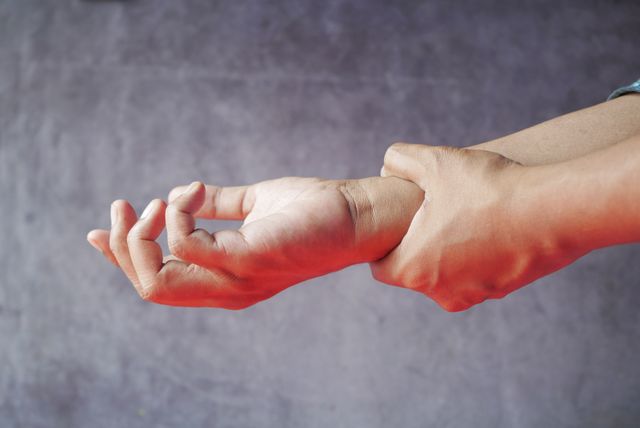
Physical injuries do not always begin with a sudden accident, an incorrect movement or an unusually heavy workload. In some situations, discomfort and tissue problems develop gradually after repeated exposure to physical stress. A person may perform the same exercise hundreds of times, spend several hours using a computer, repeatedly lift objects at work or maintain an uncomfortable posture throughout the day. Each individual movement may appear harmless, but the repeated demand can gradually exceed the body’s ability to recover and adapt.
This creates a challenge for conventional approaches to injury prevention. People often recognise a problem only after discomfort becomes noticeable or performance begins to decline. By that stage, the underlying issue may have developed over several days or weeks. Although not every repeated movement leads to injury, understanding how physical stress accumulates could help people make more informed decisions about exercise, work habits and recovery.
Artificial intelligence could contribute through a developing concept called Micro-Injury Risk Intelligence. Such a system would analyse repeated movement patterns, physical workload, recovery information and changes in individual performance to identify patterns that may indicate increasing musculoskeletal stress. Rather than waiting for a major injury or relying entirely on a person’s memory of discomfort, it could monitor gradual changes and provide early decision-support information.
The idea is not to predict every injury or diagnose microscopic tissue damage through a wearable device. It is to recognise potentially concerning patterns before they become persistent problems and encourage appropriate changes in activity, technique or professional assessment.
Understanding Micro-Injury and Repeated Physical Stress
The term micro-injury is often used informally to describe small-scale tissue damage or stress associated with repeated physical loading. It is important to distinguish this concept from a formal medical diagnosis. Not every instance of muscle soreness, fatigue or temporary discomfort represents an actual tissue injury. The body regularly experiences mechanical stress during exercise and everyday activity, and many normal training adaptations involve a process of loading followed by recovery.
Problems may arise when repeated demands become greater than the person’s capacity to tolerate and recover from them. This can happen when training volume increases too quickly, when repetitive work continues without sufficient breaks, when recovery is inadequate or when a person repeatedly performs movements under unfavourable conditions. Tendons, muscles, joints and other structures may respond differently depending on the type, intensity and duration of the stress.
For example, a runner who suddenly increases weekly distance may experience a change in the demands placed on the lower limbs. An office worker who performs repetitive wrist movements for extended periods may experience increasing discomfort. A person who repeatedly performs overhead exercises without appropriate progression may notice changes in shoulder comfort or movement quality. These examples involve different physical mechanisms, but all demonstrate why cumulative exposure matters.
The important distinction is that physical stress is not automatically harmful. The objective of an AI system would be to understand patterns of exposure and recovery, not to label every demanding activity as dangerous.
What Is Micro-Injury Risk Intelligence?
Micro-Injury Risk Intelligence is a proposed AI-based monitoring approach designed to identify patterns associated with repeated low-level physical stress. It would combine information about movement, workload, activity frequency, recovery and user-reported symptoms to estimate whether a person’s physical demands may be becoming difficult to tolerate.
Traditional activity trackers mainly record information such as steps, distance, exercise duration and heart rate. These measurements can provide useful context, but they do not necessarily explain how a particular body region is being loaded. Two people may complete the same number of steps while experiencing different physical demands because of differences in walking speed, terrain, footwear, movement patterns and previous activity.
A more advanced system could examine repeated exposure at a more detailed level. It might identify that a user has performed similar wrist movements for several hours each day, increased running volume over successive weeks or repeatedly experienced a change in movement consistency after demanding exercise sessions.
The system could then compare these patterns with the user’s previous activity and reported recovery. Instead of making a definitive medical prediction, it could generate a contextual warning that a particular activity pattern deserves attention. Its recommendations might include reviewing workload, taking an appropriate break, checking technique or consulting a qualified professional when symptoms persist.
How AI Could Monitor Cumulative Physical Stress
The first major requirement would be continuous or repeated data collection. An AI system could obtain movement information from wearable devices, smartphone sensors, connected exercise equipment and, where appropriate, computer vision. Each source would provide a different view of physical activity.
Inertial measurement units, commonly found in wearable devices, can measure acceleration and rotational movement. These signals may help identify movement frequency, duration, speed and changes in movement patterns. For example, a sensor placed appropriately on a limb could help monitor repeated movement during a training session or workplace task.
Computer vision could estimate body position and joint movement from video. It might help identify repeated postural patterns, changes in movement range or differences between successive exercise repetitions. However, camera-based systems cannot directly measure internal tissue stress. Their estimates depend on camera position, visibility, lighting, body orientation and the accuracy of the underlying model.
Other sources could include heart-rate information, exercise logs, training duration and user-reported discomfort. Combining these inputs could provide a broader understanding of physical demands than relying on one measurement alone. The system would need to record the source, reliability and limitations of each signal so that estimates are not presented as direct measurements of tissue damage.
Recognising Repeated Movement Patterns
One of the most useful capabilities of AI could be identifying repeated movement patterns that are difficult for individuals to notice. People often remember their main exercise sessions but may overlook smaller physical demands throughout the day. Repeated typing, lifting, gripping, reaching, bending or standing can contribute to an individual’s overall activity exposure.
Machine learning models could classify movement patterns and examine how frequently particular actions occur. Over time, the system might recognise that a person performs a similar wrist movement throughout the working day or repeatedly uses one side of the body during a particular task. It could also identify changes in movement duration or frequency compared with the person’s normal routine.
For example, an individual who begins a new job involving repetitive packaging tasks may perform similar shoulder and wrist movements for several hours daily. A monitoring system could compare the frequency and duration of these actions across different working days. If the workload increases significantly and the person begins reporting discomfort, the system could flag the combination for review.
However, identifying repeated movement does not establish that an injury is developing. Some repetitive tasks are well tolerated, while other activities may create problems even when performed less frequently. The meaning of a movement pattern depends on its intensity, duration, technique, recovery opportunities and individual circumstances.
Detecting Changes in Movement Quality Before Symptoms Increase
Another potential application would involve identifying subtle changes in movement quality. When people become tired or experience discomfort, they may unconsciously alter how they perform an activity. These changes could include reduced movement range, slower execution, altered joint coordination or increased reliance on another body region.
AI systems could compare current movement patterns with an individual’s established baseline. If a person usually performs a particular exercise with consistent movement characteristics but begins showing repeated changes across several sessions, the system could identify the difference. It might also compare left and right movement patterns when such comparisons are relevant to the activity.
Consider a person who performs repeated lifting tasks at work. During the early part of a shift, their movement may remain relatively consistent. Later, they might begin changing trunk position or using a different movement strategy. A sensor-based system could potentially identify these changes and prompt a review of task demands, fatigue and work organisation.
Nevertheless, movement differences should not automatically be classified as harmful. People naturally use different movement strategies, and asymmetry is not always a sign of injury. An effective system would need to understand the person’s normal variation and avoid applying universal movement standards to every individual.
Combining Workload, Recovery and Personal Baselines
A central challenge in micro-injury risk monitoring is understanding the relationship between physical workload and recovery. A demanding activity may be manageable when followed by sufficient recovery, while a smaller repeated demand may become difficult to tolerate when it continues without adequate rest.
An AI system could examine the user’s activity history across different time periods. It might compare daily workload with longer-term patterns, identify sudden increases in activity and examine whether recovery opportunities have changed. In sports, this could include training duration, exercise intensity, competition exposure and previous injury history. In workplaces, it could involve task repetition, time spent in particular postures, lifting frequency and opportunities for breaks.
The system could also use personal feedback about sleep, fatigue, soreness and discomfort. These reports would provide context that movement sensors cannot capture independently. If a user repeatedly reports discomfort after a particular activity, the system could examine whether the same workload or movement pattern appears before those reports.
Individual baselines would be particularly important. A physical workload that is manageable for an experienced athlete may be excessive for someone who has recently returned to exercise. Similarly, a worker’s tolerance may change following illness, an extended break or a change in job responsibilities. AI could help identify changes relative to a person’s own history rather than assuming that one workload threshold is appropriate for everyone.
A Practical Example: Monitoring Repeated Shoulder Stress
Imagine a person who works at a desk during the day and attends strength-training sessions in the evening. Their job involves frequent computer use and occasional overhead reaching, while their gym programme includes shoulder presses and other upper-body exercises.
A conventional fitness tracker might record the workout duration and general activity level, but it may not capture the full pattern of shoulder-related demands. A micro-injury risk intelligence system could potentially combine exercise records, movement estimates and user feedback to understand the broader exposure.
Over several weeks, the system might identify that the user has increased overhead training volume while also spending more time performing repetitive reaching tasks at work. It could notice that shoulder movement becomes less consistent towards the end of some sessions and that the user has repeatedly reported discomfort afterwards.
Rather than declaring that a shoulder injury is developing, the system could identify a pattern that deserves attention. It might suggest reviewing the training schedule, checking exercise technique and discussing persistent discomfort with a qualified professional. If appropriate workplace adjustments or changes in task organisation are needed, those decisions could involve an occupational health professional or ergonomist.
This example demonstrates how AI could connect information that is usually recorded in separate places. Its value would come from recognising the combined pattern, not from claiming to detect microscopic damage directly.
The Role of Wearable Sensors, Computer Vision and Biomechanical Analysis
Different technologies could contribute to the system in complementary ways. Wearable sensors could monitor movement frequency, acceleration and changes in activity patterns. Computer vision could estimate posture and joint movement during selected tasks. Connected exercise equipment could provide information about resistance, repetitions and training duration.
Surface electromyography, or sEMG, could offer another source of information in specialised settings. It measures electrical activity associated with muscle activation and can help researchers examine muscle activity patterns. However, sEMG is not a direct measurement of muscle force, tissue damage or injury. Its readings can be affected by electrode placement, skin conditions, movement artefacts and other technical factors.
Biomechanical analysis could help interpret how movement characteristics relate to physical demands. For example, researchers might examine joint angles, movement speed, external load and task repetition to understand exposure patterns. Combining these measurements with individual history could support more detailed monitoring.
The challenge would be integrating data from devices that use different measurement methods and accuracy levels. A practical system would need consistent sensor placement, appropriate calibration and clear explanations of uncertainty. Without these safeguards, AI could identify patterns that are caused by measurement errors rather than meaningful changes in physical activity.
Machine Learning Models for Early Risk Identification
Machine learning could help analyse large amounts of repeated activity data and identify combinations of factors associated with increasing physical stress. Models such as random forests, gradient boosting and neural networks could examine relationships between workload, movement characteristics, recovery information and reported symptoms.
Time-series analysis could be particularly useful because repeated physical stress develops across time rather than appearing as a single isolated event. Instead of examining one workout or one working day, the system could analyse how activity patterns change across several weeks. It might identify repeated increases in workload, changes in movement consistency or recurring discomfort after specific tasks.
An explainable AI component would also be important. If the system produces a warning, users and professionals should be able to understand the factors contributing to it. For example, the warning might be associated with a recent increase in training volume, repeated movement exposure and several reports of discomfort. It should not simply display a mysterious risk score without explaining its limitations.
The model would also need to distinguish between detecting an unusual pattern and predicting a confirmed injury. A system may successfully identify changes in movement or workload without proving that those changes will lead to a medical condition. This distinction is essential for responsible use.
Applications in Fitness, Sports and Everyday Work
In fitness environments, micro-injury risk intelligence could support more informed training decisions. It might help users and trainers recognise when repeated loading patterns deserve review, especially when training volume increases or movement characteristics change. This could be useful for people following structured strength programmes, endurance training or repetitive exercise routines.
Sports organisations could explore the technology as part of athlete monitoring. Training exposure, competition schedules, previous injury history and recovery information could be analysed together to help practitioners understand changing demands. However, any decisions about training participation or return to sport should involve qualified medical and performance professionals.
Workplaces could also benefit from systems that examine repetitive tasks and ergonomic exposure. A 2025 review of wearable technology for occupational biomechanical risk assessment discussed how sensors may support the evaluation of work-related musculoskeletal risks. Such systems could help identify tasks that involve repeated postures or movement patterns and support workplace assessments.
For everyday users, the concept could provide greater awareness of physical habits that extend beyond formal exercise. Prolonged sitting, repetitive household activities and sudden changes in walking or lifting demands could become part of a broader picture of physical exposure. The purpose would be to encourage sensible activity management rather than make people anxious about normal movement.
Current Research and What It Can Actually Support
Research into AI-based injury monitoring is expanding, particularly in sports medicine and occupational health. A 2026 scoping review of AI and sensor-based injury prediction in team sports identified workload measures, previous injury history and physiological or recovery indicators among the commonly examined predictors. However, the review also reported substantial differences between studies and limited external validation, meaning that current findings cannot be treated as proof that these systems reliably predict injuries across different populations.
A 2025 review published in ACS Sensors examined wearable technologies for biomechanical risk assessment and work-related musculoskeletal disorder prevention. It discussed the potential of sensor systems to quantify movement and support workplace risk assessment. This research is relevant to repeated physical stress because occupational tasks often involve prolonged or repetitive movement patterns.
These developments provide a foundation for further investigation, but they do not establish that a consumer wearable can detect microscopic tissue damage before symptoms appear. Most current technologies are better understood as tools for monitoring movement, workload or risk-related patterns. The ability to translate these signals into reliable individual injury predictions remains a separate and more demanding scientific challenge.
Limitations, False Alarms and Responsible Use
The greatest limitation of micro-injury risk intelligence is the complexity of human tissue response. Injury risk depends on multiple factors, including the type of activity, intensity, duration, recovery, health history, age, anatomy and environmental conditions. A sensor may detect repeated movement, but it cannot independently determine whether a tendon, muscle or joint is becoming damaged.
False alarms could also become a serious problem. If a system repeatedly labels ordinary movement variation as dangerous, users may become unnecessarily concerned or reduce beneficial physical activity. On the other hand, a system that fails to identify a meaningful change could create false reassurance. Both outcomes demonstrate why predictive systems require careful testing and transparent uncertainty reporting.
Data quality is another major concern. Sensors may be positioned incorrectly, devices may be removed during certain activities and users may forget to report symptoms. AI models trained on limited groups may also perform poorly when applied to people with different occupations, movement patterns or physical characteristics.
Privacy must be addressed as well. Continuous monitoring of workers or athletes could expose sensitive information about health, performance and daily habits. Users should understand what information is collected, how it is used and who can access it. Monitoring should support the individual’s well-being rather than become an unexplained system for judging productivity or athletic performance.
Most importantly, the system should not diagnose injuries or replace medical assessment. Persistent pain, swelling, weakness, loss of function or worsening symptoms should be evaluated by an appropriate healthcare professional rather than managed solely through automated alerts.
The Future of Predictive Physical Stress Monitoring
Future systems could move towards more integrated monitoring environments in which wearable devices, exercise platforms, workplace sensors and personal activity records contribute to a shared understanding of physical exposure. Instead of generating alerts from isolated measurements, the system could examine longer-term patterns and distinguish between normal training adaptation, temporary fatigue and changes that deserve professional attention.
Digital models of an individual’s movement and workload could potentially support this process. Such models might represent how activity demands change over time and allow professionals to examine alternative training or work arrangements. However, these models would need reliable measurements and validation before being used to guide important health decisions.
Another possible development would be more personalised recommendations. A system could help a runner review a sudden increase in training volume, help an office worker identify repeated periods without movement breaks or help a trainer examine changes in exercise execution. Recommendations would need to remain proportionate to the evidence, with clear distinctions between general wellness suggestions and clinical advice.
The most valuable future development may not be a device that claims to predict every injury. It may be a system that helps people recognise cumulative physical demands earlier, understand why those demands have changed and make informed decisions before a minor concern becomes a persistent limitation.
Conclusion
Micro-Injury Risk Intelligence offers an interesting direction for the future of AI-powered fitness, sports monitoring and occupational health. By examining repeated movement patterns, workload changes, recovery information and personal feedback, AI could help identify physical stress patterns that might otherwise remain unnoticed.
Its central advantage would be the ability to connect information across time. Instead of examining one exercise session or one working day, the system could evaluate how physical demands accumulate and how an individual’s movement and reported experience change in response. This could support more informed conversations about training progression, workplace ergonomics and recovery.
However, recognising repeated physical stress is not the same as detecting microscopic tissue damage or predicting a confirmed injury. Current research provides promising tools for monitoring movement and risk-related indicators, but reliable individual-level prediction and proven injury prevention require further validation.
Ultimately, AI could become a valuable decision-support tool for understanding how everyday physical demands affect the body. Its success would depend not on generating alarming injury predictions, but on providing accurate, transparent and useful information that helps people manage physical activity responsibly and seek professional guidance when necessary.
Online Internship with Certificate
You may be interested
Exercise Quality Score: Workout Was Effective Rather Than Just Counting Repetitions
Anshika Jain - November 25, 2026For many people, workout progress is measured through numbers. A fitness application records how many repetitions they complete, how much weight they lift, how many sets they…
AI Predict When Increasing Gym Weight Will Reduce Exercise Quality Instead of Improving Strength
Anshika Jain - November 25, 2026Increasing the weight lifted during a gym workout is commonly viewed as a sign of progress. When someone can complete a planned number of repetitions with a…
AI-Powered Movement Substitution for Crowded Gyms: Rebuild Entire Workout
Anshika Jain - November 25, 2026A crowded gym can disrupt even the most carefully planned workout. Someone may be using the squat rack, every adjustable bench may be occupied, and the cable…
Most from this category
AI Develop a Recovery Scheduling Engine That Finds Different Forms of Self-Care
Anshika Jain - November 25, 2026
AI Detect Muscle Group Imbalance Through Everyday Movement Instead of Only Gym Tests
Anshika Jain - November 25, 2026
Nutritional Redundancy Detector: When Your Diet Repeatedly Depends on the Same Nutrients
Anshika Jain - November 24, 2026
Can AI Identify Hidden Nutritional Trade-Offs When You Replace One Food With Another
Anshika Jain - November 24, 2026
AI Develop a Recovery Scheduling Engine That Finds Different Forms of Self-Care
Anshika Jain - November 25, 2026AI Detect Muscle Group Imbalance Through Everyday Movement Instead of Only Gym Tests
Anshika Jain - November 25, 2026Nutritional Redundancy Detector: When Your Diet Repeatedly Depends on the Same Nutrients
Anshika Jain - November 24, 2026




.png)
Leave a Comment
You must be logged in to post a comment.