
Subclinical Health Transition Detection: AI Recognise Disease Development

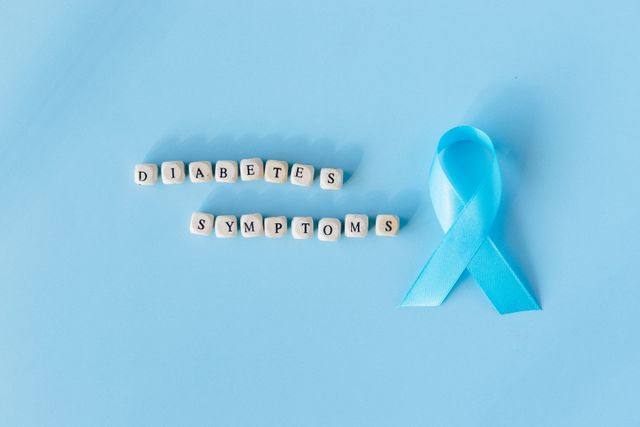
Disease does not always begin when a person first experiences noticeable symptoms. In many conditions, biological changes develop gradually before an individual feels unwell or receives a clinical diagnosis. Cells may begin functioning differently, inflammatory pathways may become activated, metabolic regulation may change, or subtle structural abnormalities may emerge. During this period, conventional health assessments may still appear relatively normal, even though the body is moving away from its previous physiological state.
This interval represents an important opportunity for preventive medicine. If early biological changes can be identified before symptoms become noticeable, healthcare professionals may be able to investigate risk factors, monitor disease progression and consider appropriate preventive measures. However, recognising this transition is challenging because early changes are often small, inconsistent and distributed across several biological systems.
Subclinical Health Transition Detection explores how artificial intelligence could recognise these early changes by analysing patterns in medical records, laboratory measurements, imaging, molecular biomarkers and continuous physiological data. Rather than waiting for a disease to become clinically apparent, AI models could examine how an individual’s health measurements evolve over time and identify patterns associated with an emerging pathological process.
The concept is related to predictive and precision medicine, but its focus is particularly on the transition between an apparently healthy state and an early disease state. It does not assume that every small biological change represents disease. Instead, it seeks to distinguish normal physiological variation from persistent changes that may indicate developing health problems.
What Happens During the Subclinical Phase?
The subclinical phase describes a period in which a disease-related process may already be developing without producing noticeable symptoms or meeting the usual criteria for clinical diagnosis. Its duration varies considerably depending on the disease, the individual and the biological mechanisms involved.
In type 2 diabetes, for example, changes in insulin sensitivity and glucose regulation can develop gradually before blood glucose measurements reach diagnostic thresholds. The pancreas may compensate by producing more insulin, helping maintain glucose levels for a period. As metabolic regulation becomes less effective, this compensation may no longer be sufficient.
A similar pattern can occur in cardiovascular disease. Changes in blood vessels, lipid metabolism, inflammation and vascular function may develop over time before a person experiences chest discomfort, breathlessness or another recognisable symptom. In some neurological conditions, changes in brain structure, protein accumulation or neural function can precede noticeable cognitive or movement-related difficulties.
The important distinction is that subclinical disease is not necessarily the same as having a high statistical risk of developing disease. Risk prediction estimates the likelihood of a future condition based on available information. Subclinical detection attempts to identify biological changes that may already be occurring, even though the person has not developed recognisable symptoms.
A 2025 conceptual framework published in BMJ Health & Care Informatics argues that measurable molecular and cellular changes can precede symptomatic disease and that multimodal AI may help identify these changes. The authors discuss the potential to move from reactive diagnosis towards predictive health monitoring, while emphasising the need for prospective validation and actionable preventive interventions.
Why Conventional Health Assessments May Miss Early Changes
Conventional diagnostic tests are designed to identify specific abnormalities, assess organ function and support clinical decisions. They are essential to modern healthcare, but many measurements become clearly abnormal only after a biological process has progressed sufficiently.
For example, blood glucose and glycated haemoglobin are important tools for identifying diabetes and monitoring glucose regulation. However, changes in insulin sensitivity and pancreatic function may begin before these measurements reach diagnostic thresholds. A person may therefore experience early metabolic changes without meeting the criteria for diabetes.
The same issue appears in kidney health. Serum creatinine and estimated glomerular filtration rate provide valuable information about kidney function, but they may not capture every early change in renal tissue or functional reserve. Similarly, certain neurological diseases can involve molecular and structural changes before symptoms become sufficiently noticeable to trigger conventional assessment.
Another challenge is that many tests are interpreted independently. A mildly altered inflammatory marker, a small change in body composition and a gradual shift in a physiological measurement may each appear insignificant. When considered together and examined over time, however, they may provide a different picture.
AI could help identify these relationships by analysing multiple measurements simultaneously. The aim would not be to replace established diagnostic tests, but to investigate whether patterns across different data sources provide earlier evidence of meaningful biological change.
How AI Could Recognise a Health Transition
AI-based Subclinical Health Transition Detection would depend on identifying changes in an individual’s biological patterns over time. This requires more than classifying a person as healthy or diseased based on one examination. The model must examine how measurements evolve and whether their combined behaviour suggests a transition towards a particular pathological state.
The process could begin with longitudinal health data collected through routine clinical assessments, laboratory testing, medical imaging and digital monitoring. These records may include blood pressure, glucose measurements, lipid profiles, inflammatory markers, body weight, heart rate, sleep patterns, activity levels and relevant medical history. More advanced research systems could incorporate genomic, proteomic, metabolomic and immune-related information.
Machine learning models could then establish an individual’s usual physiological pattern. When new measurements become available, the system could compare them with the person’s previous data and identify persistent deviations. A gradual change in several connected measurements might receive more attention than an isolated fluctuation.
Time-series models are particularly relevant because disease development is often a process rather than a single event. They can examine the direction, speed and consistency of changes. For example, an algorithm might detect that glucose regulation, body composition and certain metabolic markers have been changing together over several months. It could then estimate whether the pattern resembles trajectories associated with developing metabolic disease.
However, a model detecting a deviation does not establish a diagnosis. It identifies a pattern that may justify further assessment. Clinical interpretation is necessary to determine whether the change reflects disease development, medication effects, temporary illness, ageing or ordinary biological variation.
The Importance of Multimodal Biomarkers
A major opportunity for early disease detection lies in combining different types of biomarkers. A biomarker is a measurable biological characteristic that can provide information about a physiological process, disease state or response to an intervention.
Traditional biomarkers often focus on a particular biological function. Multimodal analysis brings together measurements from different biological levels to create a broader picture. Blood tests may reveal biochemical changes, imaging may identify structural differences, and molecular measurements may provide information about cellular activity.
Transcriptomics, for example, examines patterns of gene expression, while proteomics measures proteins and metabolomics studies small molecules involved in biological processes. Genomic information may help identify inherited susceptibility, while immune profiling can reveal changes in immune-cell activity.
AI could integrate these sources to identify combinations that are associated with early pathological change. A model might find that a particular molecular pattern becomes detectable before a conventional clinical marker changes substantially. In another situation, imaging and laboratory data together may provide more informative predictions than either source alone.
The value of multimodal analysis depends on whether the data sources contribute complementary information. Combining several highly similar measurements does not necessarily improve prediction. Researchers must establish that each additional data type provides meaningful information and that the resulting model performs reliably in different populations.
A 2026 review in Annual Review of Pharmacology and Toxicology, titled Early Detection of Wellness-to-Disease Transitions in the AI Era, examines how longitudinal and multimodal biological information could support the identification of early health changes. It discusses the potential role of integrated biomarkers in understanding transitions from wellness to disease, including implications for preventive medicine and pharmacology.
Detecting Disease Through Longitudinal Health Patterns
One of AI’s most important advantages is its ability to analyse longitudinal data. A conventional assessment often provides information about a person’s condition at one particular moment. Longitudinal analysis examines measurements collected repeatedly, making it possible to identify gradual changes that may otherwise remain unnoticed.
Electronic health records are particularly valuable for this purpose. They contain information about previous diagnoses, laboratory results, prescriptions, procedures and clinical observations. Machine learning models can analyse these records to identify combinations of changes associated with future disease onset.
A 2024 scoping review published in the Journal of Medical Internet Research examined machine learning and deep learning approaches using longitudinal electronic health records for early disease detection and prevention. The included studies investigated conditions such as diabetes, kidney disease, circulatory disorders and mental or behavioural conditions. The review found that longitudinal health records could support earlier detection and preliminary screening, although the clinical benefits and implementation requirements still need further evaluation.
A particularly interesting development is the use of generative transformer models to study disease progression across multiple conditions. The Delphi-2M model, described in a 2025 Nature study, was trained using health information from 402,799 UK Biobank participants and learned patterns of disease progression involving more than 1,000 conditions. It demonstrated the ability to predict future disease patterns at the population level and was evaluated using data from Danish disease registries. The researchers also cautioned that its predictions should not be interpreted as proof of causal relationships.
This type of research suggests that AI can learn complex patterns from long-term health records. However, predicting a future diagnosis from medical history is not identical to detecting a biological transition before symptoms. Stronger approaches will need to combine clinical histories with biological measurements that provide evidence of early pathological activity.
AI Applications Across Different Diseases
Metabolic disorders are a promising area for subclinical transition detection because biological changes can develop over extended periods. AI could analyse glucose patterns, insulin-related measurements, lipid profiles, body composition and other metabolic indicators to identify individuals whose physiology is gradually changing. Such analysis may help identify people who need further evaluation before conventional diagnostic thresholds are reached.
Neurological disorders offer another important application. Alzheimer’s disease, for example, can involve biological changes long before noticeable memory difficulties emerge. Research into blood-based biomarkers, brain imaging and cognitive measurements is expanding the possibilities for identifying early disease-related patterns. AI could combine these different sources to estimate individual risk and identify people who may benefit from more specialised testing. Nevertheless, screening asymptomatic populations requires particular care because an early risk estimate is not equivalent to a confirmed diagnosis.
Cancer research also investigates the possibility of identifying disease before symptoms appear. Changes in circulating DNA, proteins, immune activity and imaging characteristics may provide information about early pathological processes. AI could potentially combine these measurements to identify patterns that require further investigation. However, early cancer detection must be evaluated carefully to avoid false-positive results, unnecessary procedures and overdiagnosis.
Cardiovascular research may benefit from analysing subtle changes in blood pressure, heart-rate patterns, lipid metabolism, vascular imaging and other risk indicators. A longitudinal model could identify changes that are not individually diagnostic but may collectively suggest an evolving cardiovascular risk profile.
These applications illustrate that there is no single universal subclinical biomarker. Each disease has a different biological development pathway, and AI systems must be designed and validated for the particular condition they aim to detect.
Digital Biomarkers and Continuous Health Monitoring
Wearable devices and digital health technologies are creating new opportunities to observe physiological changes outside conventional clinical settings. Smartwatches, activity trackers and other sensors can record measurements such as heart rate, movement, sleep duration and, in some devices, oxygen saturation or other physiological indicators.
These measurements may help establish an individual’s usual patterns and identify changes that persist over time. For example, a sustained change in resting heart rate, sleep behaviour or activity levels may provide a reason to investigate an individual’s health more closely. When combined with clinical information, digital measurements could contribute to a broader assessment of physiological change.
However, digital signals must be interpreted carefully. A change in sleep or activity does not necessarily indicate disease. Travel, stress, medication, exercise, work schedules and device measurement errors can all influence the readings.
A 2026 review on digital biomarker terminology highlights an important distinction: a digital measurement should not be described as a biological disease marker simply because it correlates with symptoms or clinical diagnoses. To establish its validity, researchers need evidence that it measures a meaningful biological characteristic and can detect relevant changes reliably over time.
This distinction is essential for subclinical detection. If a wearable-based algorithm claims to identify disease before symptoms appear, researchers must demonstrate that its predictions correspond to genuine biological changes rather than behavioural differences or indirect associations.
Distinguishing Normal Variation From Early Disease
Not every deviation from an individual’s previous health pattern is a warning sign. Human physiology changes naturally throughout the day and across different stages of life. Hormonal fluctuations, sleep quality, physical activity, diet, environmental exposure and temporary infections can all influence health measurements.
AI systems must therefore learn to distinguish meaningful changes from normal variation. One approach is to establish personalised baselines using repeated measurements. Instead of comparing every reading only with a population reference range, the model can examine whether the individual’s measurements are changing consistently relative to their own historical pattern.
Another approach involves identifying multiple related changes. A single elevated measurement may be caused by temporary conditions, whereas a persistent pattern involving several independent biomarkers may provide stronger evidence that further investigation is needed.
Models also need to account for uncertainty. Rather than issuing a definitive disease label, a responsible system could estimate the likelihood of a particular transition and explain which measurements contributed to the prediction. This would allow healthcare professionals to decide whether additional tests or monitoring are appropriate.
Scientific Challenges and Risks of Premature Detection
Despite its potential, Subclinical Health Transition Detection faces several major challenges. One is the lack of consistent definitions for early disease states. Researchers must distinguish between normal ageing, increased susceptibility, early biological dysfunction and disease that has already begun but remains undiagnosed. These categories can overlap, making model development and evaluation difficult.
False positives are another concern. When a disease is uncommon in an apparently healthy population, even a model with strong sensitivity and specificity may produce a considerable number of incorrect alerts. Such results can lead to unnecessary investigations, anxiety and potentially harmful interventions.
Lead-time bias also requires attention. Detecting a condition earlier increases the time between diagnosis and an eventual outcome, but this does not necessarily mean that the person’s life has been extended or the disease has been prevented. Clinical studies must demonstrate that earlier detection leads to meaningful improvements in health outcomes.
Generalisation is equally important. An algorithm trained on one population may perform differently in another because of differences in age, ancestry, healthcare access, lifestyle, environmental exposure and data collection practices. Models must undergo external and prospective validation before being used to guide clinical decisions.
Privacy and data governance also matter. Combining electronic health records, genomic data, wearable measurements and lifestyle information creates sensitive personal profiles. Secure storage, informed consent, transparent data use and appropriate access controls are essential.
Most importantly, identifying an early disease-related pattern is useful only when an effective and safe response is available. Researchers must establish which early changes are reversible, which interventions are appropriate and whether acting on an AI prediction improves outcomes.
The Future of Predictive and Preventive Healthcare
Subclinical Health Transition Detection represents a shift in how healthcare could approach disease development. Instead of focusing exclusively on symptoms and established diagnostic abnormalities, researchers can investigate the biological processes that occur before clinical disease becomes apparent.
AI could support this shift by integrating longitudinal records, molecular biomarkers, imaging, physiological measurements and digital health signals. Advanced models may help identify when an individual’s health trajectory begins to depart from their previous pattern and whether the change resembles a known disease-development pathway.
The next stage will require prospective clinical studies that follow individuals over time and establish whether AI predictions correspond to genuine biological transitions. Researchers must also demonstrate that early identification leads to appropriate interventions and better health outcomes without creating unnecessary medical testing or treatment.
Ultimately, the goal is not to predict every possible illness or label ordinary physiological changes as disease. It is to recognise meaningful biological changes early enough to create an opportunity for informed prevention. If supported by reliable biomarkers, transparent algorithms and effective clinical pathways, AI could help healthcare move towards a more proactive model in which disease development is investigated before it becomes noticeable through symptoms.
Online Internship with Certificate
You may be interested
Personal Biological Variability Fingerprinting: Distinguish Health Changes From Physiological Fluctuations
Anshika Jain - November 12, 2026The human body is constantly changing. Heart rate rises during physical activity, body temperature shifts throughout the day, hormone levels respond to sleep and stress, and blood…

Tissue-Level Communication Failures: AI Identify Hidden Disruptions in the Signals
Anshika Jain - November 12, 2026The human body functions as an interconnected biological network in which individual tissues continuously exchange information. The skin, muscles, brain, liver, heart, kidneys, immune system and other…

Human Physiology Under Resource Competition: Body’s Prioritisation of Energy
Anshika Jain - November 12, 2026The human body performs thousands of biological activities simultaneously. The brain processes information, the heart maintains circulation, the lungs exchange gases, the kidneys regulate fluid balance, the…
Most from this category
Biological Redundancy Analysis: Which Body Systems Compensate When Another System Begins to Fail
Anshika Jain - November 12, 2026
Cellular Stress Communication Networks: Stressed Cells Influence Neighbouring Healthy Cells
Anshika Jain - November 12, 2026
Gut Virome Intelligence: Infect Bacteria Influence the Human Gut Ecosystem
Anshika Jain - November 6, 2026
Human–Environment Health Interaction Maps: AI Connect Indoor Lighting
Anshika Jain - November 6, 2026
Biological Redundancy Analysis: Which Body Systems Compensate When Another System Begins to Fail
Anshika Jain - November 12, 2026Cellular Stress Communication Networks: Stressed Cells Influence Neighbouring Healthy Cells
Anshika Jain - November 12, 2026Gut Virome Intelligence: Infect Bacteria Influence the Human Gut Ecosystem
Anshika Jain - November 6, 2026




.png)
Leave a Comment
You must be logged in to post a comment.