
The Inflammaging Hypothesis: Biological Connection Between Inflammation and Aging

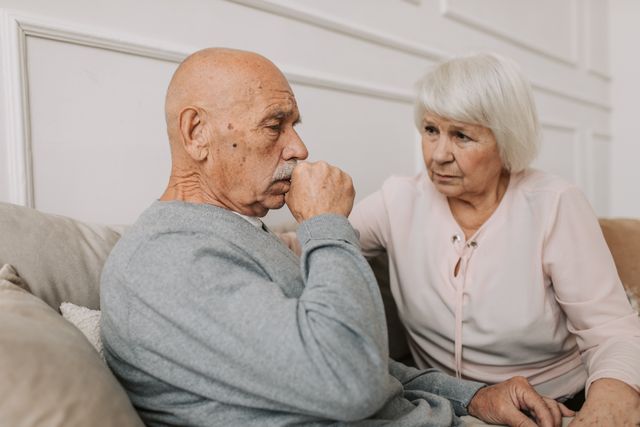
Aging is often described as a gradual decline in the body’s ability to maintain and repair itself. As people grow older, the risk of cardiovascular disease, metabolic disorders, neurodegenerative conditions, frailty, cancer and other chronic diseases generally increases. For decades, researchers have investigated the biological mechanisms that connect aging with these conditions. One of the concepts that has gained increasing attention is inflammaging, a term used to describe the persistent, low-grade inflammatory state that commonly accompanies aging.
Inflammation itself is not inherently harmful. It is one of the body’s essential protective mechanisms. When an infection occurs or tissue is injured, the immune system activates inflammatory pathways to eliminate threats and initiate repair. Once the problem is resolved, inflammatory activity is normally reduced. In inflammaging, however, inflammatory signaling can remain chronically elevated or become improperly regulated without the presence of a conventional acute infection.
Recent research increasingly views inflammaging not as a single abnormal pathway but as a complex interaction among immune aging, cellular senescence, mitochondrial dysfunction, metabolic changes, altered tissue communication and impaired resolution of inflammation. A 2026 review in the Journal of Allergy and Clinical Immunology describes inflammaging as a multifactorial process involving both immune and non-immune cells, while highlighting cellular senescence and ineffective handling of inflammatory cellular waste as important contributors.
The concept is consequently becoming important within geroscience, the field that investigates the biological mechanisms of aging and their relationship to healthspan. Rather than viewing inflammation as merely a symptom of aging-related disease, researchers are increasingly asking whether persistent inflammatory activity may itself contribute to the biological processes that make aging less resilient.
What Is Inflammaging?
Inflammaging generally refers to chronic, systemic and relatively low-grade inflammation associated with advancing age. It differs from the intense inflammatory response that occurs during an acute infection or injury. Instead of appearing suddenly and resolving relatively quickly, inflammaging can involve a persistent shift in the body’s inflammatory environment.
The phenomenon is not defined by a single molecule or laboratory measurement. Researchers have studied inflammatory mediators including cytokines and acute-phase proteins, but recent work increasingly emphasizes that no single biomarker can fully capture the biological complexity of inflammaging. A 2026 review in Nature Aging highlighted substantial heterogeneity between individuals and argued that inflammaging reflects the cumulative influence of genetics, lifestyle, environmental exposures, infections and socioeconomic conditions over the life course.
This individual variability is important. Not every older person experiences the same degree or pattern of chronic inflammation. Some people maintain relatively good immune regulation and physical function into advanced age, while others develop substantial inflammatory and immune dysfunction earlier.
Consequently, the inflammaging hypothesis is not simply the claim that “older people have more inflammation.” It is a broader proposition that age-related changes in immune regulation and tissue biology can create an inflammatory environment that interacts with multiple other mechanisms of aging.
The Immune System Changes With Age
The immune system is central to the inflammaging hypothesis because aging changes both the quantity and behaviour of immune cells.
One component is immunosenescence, a broad term describing age-associated changes in immune function. The aging immune system may become less effective at responding to new threats while simultaneously becoming more prone to persistent inflammatory signaling.
A 2026 review in Nature Reviews Immunology described the aging immune system as a potential driver of systemic aging. It highlighted changes in immune cells that can produce chronic inflammation, reduced pathogen defense and impaired organ function.
Another 2026 review described immune aging as a systems-level reorganization rather than a collection of isolated cellular defects. Aging can affect inflammatory activation, resolution, tissue repair, immune metabolism and interactions between immune cells and surrounding tissues.
This creates an apparent paradox. The aging immune system can become less effective at certain protective functions while simultaneously contributing to excessive inflammatory activity.
Understanding this paradox is essential because simply suppressing immunity could potentially interfere with beneficial immune functions. The challenge is to distinguish harmful chronic inflammation from the protective inflammatory responses that remain necessary for survival.
Cellular Senescence and the SASP
One of the strongest connections between aging and chronic inflammation involves cellular senescence.
A senescent cell is a cell that has entered a state of durable growth arrest. Senescence can serve useful biological purposes, particularly in preventing damaged cells from continuing to divide. However, senescent cells do not necessarily disappear immediately. They can remain within tissues and release a range of signaling molecules collectively referred to as the senescence-associated secretory phenotype, or SASP.
The SASP can contain inflammatory cytokines, chemokines and other factors that influence neighbouring cells and the surrounding tissue environment.
This creates a potential feedback mechanism. Aging can increase the accumulation of senescent cells, while the inflammatory environment produced by these cells can affect surrounding tissues and immune responses. A 2026 Communications Biology review described this relationship as a potentially self-reinforcing cycle in which persistent SASP activity promotes chronic inflammation and contributes to age-related pathology.
Recent research therefore increasingly considers senescent cells not simply as inactive cells that have stopped dividing, but as biologically active components of aging tissues.
This has contributed to interest in senolytics, which are designed to selectively eliminate certain senescent cells, and senomorphics, which aim to modify harmful senescent-cell signaling without necessarily eliminating the cells. These approaches remain an active area of research, and evidence from experimental models does not automatically establish that a particular intervention will safely extend human healthspan.
Mitochondria and the Inflammatory Aging Connection
Mitochondria are another important component of the inflammaging network.
These cellular structures are best known for producing energy, but they also participate in signaling, metabolism, cellular stress responses and immune regulation. Aging can alter mitochondrial function, potentially affecting energy production, oxidative balance and cellular signaling.
A 2026 review in npj Aging examined mitochondrial mechanisms linking stem-cell aging with inflammaging. The authors described mitochondria as regulators of bioenergetics, redox control, stem-cell fate and innate immune signaling, while discussing how age-related mitochondrial changes may contribute to stem-cell exhaustion and inflammatory processes.
Damaged mitochondria can also contribute molecular signals that activate immune pathways. This creates another possible connection between cellular damage and chronic inflammation.
The relationship is therefore potentially circular. Mitochondrial dysfunction can contribute to inflammatory signaling, while persistent inflammation can further disturb tissue metabolism and cellular function. Over time, these interactions may reduce the body’s capacity to maintain tissue homeostasis.
The Gut, Metabolism and Inflammaging
Inflammaging does not originate exclusively from immune cells. Tissues throughout the body can influence the inflammatory environment.
The gut microbiome is one area of particular interest. Aging is associated with changes in microbial composition and ecosystem stability, although the nature and consequences of these changes vary substantially between individuals. Alterations in the relationship between intestinal microorganisms and the host may influence immune signaling and metabolic processes.
Metabolic dysfunction is also connected to inflammatory activity. Changes in adipose tissue, insulin signaling, nutrient sensing and cellular metabolism can influence immune pathways.
Recent reviews increasingly describe inflammaging as a network involving immune cells, metabolic pathways, senescent cells, mitochondria and tissue-specific processes rather than a single linear pathway. A 2026 review identified several interconnected signaling hubs, including NF-κB, NLRP3 inflammasome, cGAS-STING, JAK/STAT and p38 MAPK pathways, as areas of interest in understanding the molecular architecture of inflammaging.
This systems-level perspective may be particularly important for future therapies because targeting one inflammatory pathway may not be sufficient if several interconnected mechanisms are sustaining the inflammatory state.
Why Inflammaging Matters for Age-Related Diseases
The importance of inflammaging comes from its potential relationship with multiple age-associated conditions.
Chronic inflammatory signaling can influence blood vessels, metabolic tissues, the nervous system, muscles and other organs. Persistent inflammatory activity may contribute to tissue damage, altered repair processes and changes in cellular function.
Research has consequently examined relationships between inflammaging and cardiovascular disease, metabolic disorders, neurodegenerative conditions, frailty and cancer. A 2026 review in the European Journal of Immunology described inflammaging as a potential contributor to cardiovascular dysfunction, neurodegeneration, metabolic disease and frailty while emphasizing mechanisms including cellular senescence, mitochondrial dysfunction, immune-cell aging and defective inflammatory resolution.
However, association should not automatically be interpreted as proof that inflammaging directly causes every disease associated with aging. Many age-related diseases have multiple interacting causes, and chronic inflammation can sometimes be a consequence of disease rather than its initiating factor.
This distinction is important because it determines how the field approaches intervention. If inflammation is merely a downstream marker, suppressing it may have limited effects. If particular inflammatory mechanisms actively contribute to disease progression, selectively modifying those mechanisms could potentially influence health outcomes.
The Importance of Resolving Inflammation
A major development in the field is the recognition that healthy immune regulation requires not only the ability to initiate inflammation but also the ability to turn it off.
Inflammation is useful when appropriately timed. Once an infection or injury has been controlled, the immune system needs to transition toward resolution and tissue repair.
A 2026 review of immune aging emphasized that aging can impair inflammatory resolution, including changes in efferocytosis, responsiveness to pro-resolving signals and regenerative capacity. These defects can help sustain inflammatory environments in aging tissues.
This perspective changes the therapeutic question. Instead of asking only how to suppress inflammatory molecules, researchers can also ask how to restore the body’s natural mechanisms for resolving inflammation.
This distinction could be important for future therapies because broad immunosuppression may reduce inflammation while also weakening beneficial immune responses. Precision approaches could instead attempt to restore balance between inflammatory activation, resolution and tissue repair.
Measuring Inflammaging Is More Difficult Than It Appears
One of the major challenges in the field is determining how inflammaging should be measured.
Researchers commonly study inflammatory biomarkers such as C-reactive protein and various cytokines. However, a single blood measurement provides only limited information about a highly dynamic biological system.
Inflammatory activity can vary between tissues and can change in response to infections, exercise, medications, metabolic state and environmental exposures. Two individuals can therefore have similar circulating biomarker levels while having substantially different inflammatory processes occurring in specific tissues.
A 2026 review explicitly argued that conventional inflammatory biomarkers alone cannot adequately capture the complexity, tissue specificity and causal structure of inflammaging. It proposed greater attention to mechanisms and interconnected signaling pathways rather than relying exclusively on circulating measurements.
This challenge is also important for clinical trials. Researchers need reliable measurements to determine whether a therapy is actually changing immune aging or simply changing one laboratory value.
A 2026 Nature Medicine framework for immune-aging biomarkers proposed multidimensional measures, inflammaging scores and functional immune assays as potentially useful approaches for evaluating immune aging in clinical trials.
Inflammaging Is Not Identical Across Individuals
Perhaps one of the most important insights emerging from current research is that inflammaging is heterogeneous.
People age at different rates and through different biological pathways. Genetics, infections, nutrition, physical activity, environmental exposures, socioeconomic conditions, chronic diseases and medication history can all influence inflammatory biology.
Research involving exceptionally long-lived individuals also complicates the idea that aging necessarily produces an unavoidable, uniform inflammatory decline. A 2026 review of centenarian immunity described divergent immune-aging trajectories and highlighted evidence that exceptional longevity may involve preserved immune equilibrium and mechanisms that limit the harmful consequences of inflammatory signaling.
This suggests that the important question may not simply be whether inflammation increases with age. It may be whether an individual’s immune system can maintain appropriate regulation despite the biological pressures associated with aging.
The future of inflammaging research is consequently moving toward a more individualized understanding of immune aging.
Wearable Technology and the Search for New Signals
The growing availability of wearable devices is also creating new opportunities to investigate the relationship between inflammation and everyday physiology.
Wearables can continuously capture information about movement, sleep, activity rhythms and other physiological patterns. Researchers are beginning to investigate whether these patterns can provide indirect information about biological aging and inflammatory states.
A 2026 npj Aging study examined wrist-derived activity rhythms in relation to inflammation-driven biological aging, illustrating how wearable data can potentially contribute to research on the relationship between everyday physiological behaviour and aging biology.
This does not mean that a smartwatch can currently diagnose inflammaging. Rather, it illustrates a broader transition in aging research: scientists are increasingly combining conventional biomarkers with longitudinal behavioural and physiological measurements.
In the future, a more comprehensive picture of inflammatory aging could potentially combine laboratory biomarkers, immune-cell measurements, metabolic information, microbiome data, wearable signals and clinical history.
Can Inflammaging Be Modified?
The possibility of modifying inflammaging has become an important area of geroscience research.
Several strategies are being investigated, including senolytic approaches, interventions targeting inflammatory signaling, metabolic interventions, immune rejuvenation and approaches designed to improve the resolution of inflammation.
The scientific objective is not necessarily to eliminate inflammation. Doing so would be biologically undesirable because inflammatory responses are essential for immune defense and tissue repair.
Instead, researchers are interested in restoring an appropriate balance. The 2026 review on immunosenescence and inflammaging described emerging approaches involving senescent-cell targeting, thymic and hematopoietic rejuvenation, and metabolic or epigenetic interventions.
However, much of this field remains experimental. Evidence from laboratory models, early clinical studies and biomarker research needs to be distinguished from evidence demonstrating improved health outcomes in humans.
This distinction is especially important because aging is a complex biological process. An intervention that successfully changes one marker of inflammation may not necessarily extend healthy lifespan or prevent disease.
From Inflammaging to Precision Geroscience
The growing understanding of inflammaging is contributing to a broader change in geroscience: the movement from describing aging toward identifying specific biological processes that might be measured and modified.
Instead of treating chronological age as the primary explanation for age-related decline, researchers can investigate biological mechanisms such as cellular senescence, mitochondrial dysfunction, immune remodeling, altered nutrient sensing and chronic inflammation.
Inflammaging is particularly interesting because it intersects with many of these processes. Cellular senescence can influence inflammation. Mitochondrial dysfunction can activate inflammatory signaling. Metabolic changes can alter immune function. Aging immune cells can influence tissue environments.
This interconnectedness makes inflammaging both scientifically promising and therapeutically complicated.
Future research may therefore focus less on a single “inflammaging drug” and more on individualized combinations of interventions aimed at specific mechanisms.
The Future of Inflammaging Research
The next phase of inflammaging research is likely to become increasingly longitudinal, multi-omic and individualized.
Researchers need to understand how inflammatory biology changes within individuals over decades rather than relying only on comparisons between young and old groups. Longitudinal studies can reveal whether inflammatory changes precede disease, accompany it or result from it.
Single-cell and spatial technologies may help identify which cells and tissues are responsible for specific inflammatory signals. Multi-omics can connect immune activity with metabolism, gene regulation and tissue function.
At the same time, researchers will need better standards for defining inflammaging and evaluating interventions. The 2026 National Institute on Aging-associated workshop report identified important gaps in mechanisms, biomarkers and intervention strategies, demonstrating that the field is still developing rather than having reached a settled clinical framework.
Conclusion
The inflammaging hypothesis provides an important framework for understanding why aging is accompanied by changes in immune function and increased vulnerability to chronic disease. Rather than viewing inflammation as an isolated consequence of aging, modern research increasingly examines it as part of a complex network involving immune-cell remodeling, cellular senescence, mitochondrial dysfunction, metabolic changes, altered tissue communication and impaired resolution.
Research published in 2026 has further strengthened the systems-level perspective. Studies and reviews have explored how aging immune networks become reprogrammed, how senescent cells contribute to inflammatory environments, how mitochondria influence immune signaling and how researchers might develop more comprehensive measures of immune aging.
Yet inflammaging should not be interpreted as a single disease process or a universal explanation for aging. Its intensity and biological consequences vary between individuals, and many of the mechanisms remain under investigation.
The most important shift may therefore be conceptual. Aging research is increasingly moving away from asking why the body simply becomes “older” and toward identifying the interacting biological processes that change across the lifespan.
Inflammaging is one of those processes. Understanding it may eventually help researchers distinguish between inflammation that protects the aging body and inflammation that contributes to its decline.
Online Internship with Certificate
You may be interested

Computational Gastronomy: How AI Is Decoding the Molecular Architecture of Flavour
Anshika Jain - October 22, 2026Flavour is one of the most complex experiences produced by food. A dish may contain hundreds or thousands of chemical compounds that interact with one another, change…

Hyperspectral Imaging in Food Safety: Detecting Hidden Quality Changes
Anshika Jain - October 22, 2026Food safety inspection has traditionally relied on visual examination, laboratory testing, and established chemical and microbiological methods. Colour, shape, texture, and visible defects can provide useful information…

Toward a Systems Biology of Eating: Integrating Food Chemistry and Environmental Context
Anshika Jain - October 22, 2026Eating is one of the most fundamental human behaviours, yet its underlying mechanisms are remarkably complex. The decision to eat, the selection of a particular food, the…
Most from this category


From Ingredient Chemistry to Clinical Outcomes: Evidence-Based Architecture
Anshika Jain - October 22, 2026
Environmental Trade-Offs of Alternative Proteins: Evaluating Systems Together
Anshika Jain - October 21, 2026
From Ingredient Chemistry to Clinical Outcomes: Evidence-Based Architecture
Anshika Jain - October 22, 2026



Computational Food–Human Interface: Biological Regulation
October 22, 2026
Limits of Algorithmic Eating: Human Nutrition
October 22, 2026 .png)
Leave a Comment
You must be logged in to post a comment.