
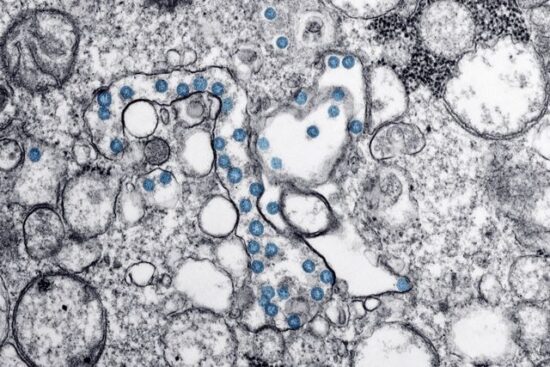
Organelle-Level Disease Intelligence: Dysfunction in Cellular Structures
Anshika Jain - November 19, 2026Many complex diseases develop through biological changes that begin long before their symptoms become noticeable. Some of these changes occur inside individual cells, where specialised structures known…

Behavioural Adaptation Under Uncertainty: People maintain health routines
Anshika Jain - November 19, 2026Maintaining healthy habits is often more challenging than beginning them. People may feel motivated to exercise regularly, improve their eating patterns, follow a consistent sleep schedule or…

Wellness Decision Overload Architecture: Conflicting health information changes
Anshika Jain - November 18, 2026Access to health information has expanded significantly through digital platforms, healthcare applications, social media, online communities and search engines. Individuals can now explore information about nutrition, exercise,…

Health Behaviour Switching Costs: Mental effort replace unhealthy routines
Anshika Jain - November 18, 2026Changing an unhealthy habit is often more complicated than simply understanding why it should be changed. People may recognise the importance of regular exercise, balanced nutrition, adequate…

Physiological Self-Regulation Capacity: Individuals Maintain Biological Stability
Anshika Jain - November 18, 2026The human body continuously responds to changes in its internal and external environment. Everyday activities such as walking, working, exercising, eating, sleeping, experiencing emotional pressure and adapting…

Food Fermentation Metabolite Competition: Microorganisms compete to produce compounds
Anshika Jain - November 18, 2026Food fermentation is a complex biological process in which microorganisms transform food ingredients into products with different flavours, aromas, textures, nutritional characteristics and storage properties. Bacteria, yeasts…

Plant Pigment Stability Prediction: Cooking and storage influence anthocyanins
Anshika Jain - November 18, 2026The natural colours found in fruits, vegetables, grains and other plant-based foods are more than visual characteristics. They are produced by specialised compounds known as plant pigments,…
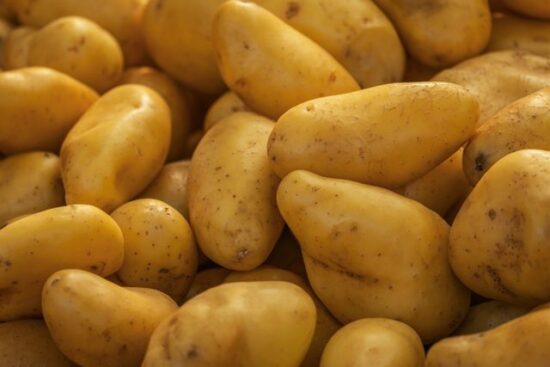
Starch Retrogradation Intelligence:Cooling and reheating change properties of cooked starch
Anshika Jain - November 18, 2026Starch is one of the most important components of everyday foods, forming the structural foundation of rice, potatoes, wheat products, corn-based foods, pasta and numerous other carbohydrate-rich…

Biological Response Reproducibility Intelligence: Same health intervention produces inconsistent results
Anshika Jain - November 17, 2026A health intervention may produce promising results in one scientific experiment but show weaker, different or even contradictory effects in another. A nutritional compound may improve a…
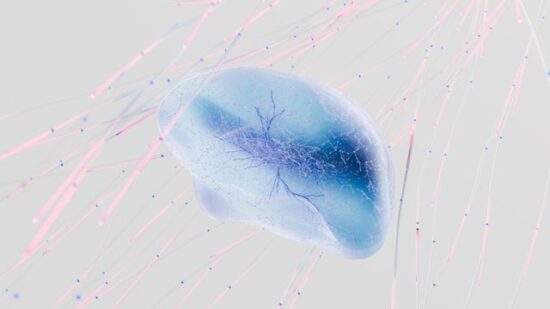
Physiological Compensation Cascades: Body Attempts to Correct Biological Imbalance
Anshika Jain - November 17, 2026The human body constantly adjusts its internal processes to maintain stable physiological conditions. When blood glucose rises, hormonal signals help bring it back towards a normal range.…
.png)