
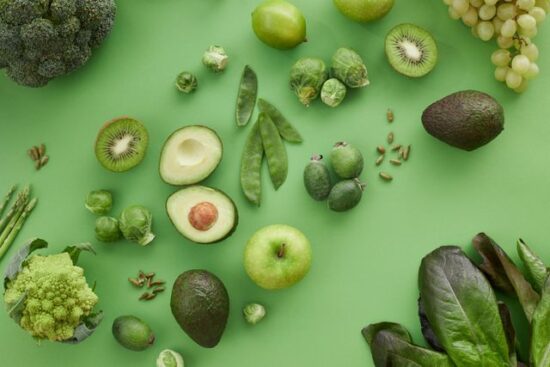
Nutrient Release Kinetics: Can AI Predict When Food Actually Makes Its Nutrients Available?
Anshika Jain - October 27, 2026Food labels tell us how much protein, carbohydrate, fat, vitamins, and minerals a food contains, but they do not fully explain when those nutrients become available during…

Metabolic Resilience Mapping: Some Bodies Recover Faster From the Same Dietary Stress?
Anshika Jain - October 27, 2026Two people can eat the same meal, consume similar amounts of energy and follow comparable diets, yet experience different metabolic responses. One person's glucose and triglyceride levels…
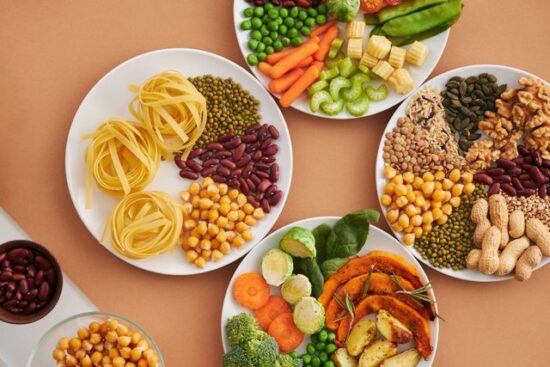
Protein Quality Under Physiological Stress: AI Predict When Dietary Protein Is Less Effectively Used?
Anshika Jain - October 27, 2026Protein is essential for maintaining muscle, repairing tissues, producing enzymes and hormones, supporting immune function and sustaining numerous biological processes. However, the amount of protein consumed does…

Microvascular Nutrition Mapping: AI Detect When Nutrients Reach Tissues
Anshika Jain - October 27, 2026The human body depends on a complex transport system to deliver oxygen, glucose, amino acids, fatty acids, vitamins, minerals and other essential substances to its tissues. After…
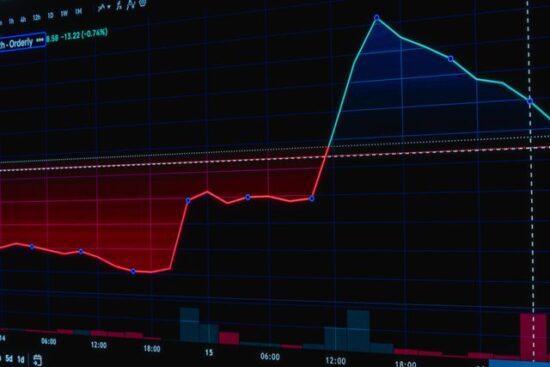
Mitochondrial Reserve Intelligence: AI Predict When Cellular Energy Flexibility
Anshika Jain - October 27, 2026Every cell in the human body requires energy to maintain its structure, perform specialised functions and respond to changing demands. Mitochondria, commonly known as the cell's energy-producing…
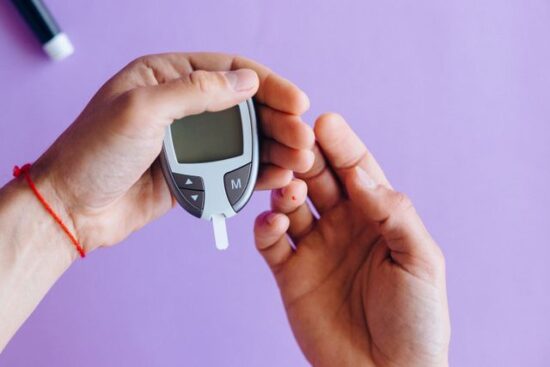
Metabolic State Reconstruction: Can AI Infer What the Body Is Doing Between Blood Tests?
Anshika Jain - October 27, 2026Blood tests provide important information about the body's internal condition, but they capture only a limited moment in a continuously changing biological system. Glucose levels fluctuate after…
Health Data Blind Spot: Medical AI Cannot Learn From Missing Biological Measurements
Anshika Jain - October 26, 2026Artificial intelligence is increasingly being used to analyse medical images, interpret clinical records, estimate disease risks, and support healthcare decisions. These systems can identify patterns across large…

Nutrient Timing Paradox: Sequence of Eating Matter Independently of the Meal Itself
Anshika Jain - October 26, 2026Nutrition research has traditionally focused on what people eat, how much they consume, and how different foods affect health over time. Calories, protein, carbohydrates, fats, dietary fibre,…
Biological Bottleneck Theory: When One Weak Link Limits an Entire Health System
Anshika Jain - October 26, 2026The human body operates as an interconnected network of biological systems rather than a collection of independent organs. The brain coordinates movement and cognition, the cardiovascular system…

Treatment Response Map: AI Discover the Same Intervention
Anshika Jain - October 26, 2026In healthcare, one of the most persistent challenges is that the same treatment can produce remarkably different outcomes in different people. Two patients may receive the same…
.png)