
Preventive Action Timing Intelligence: Small health intervention may be more useful

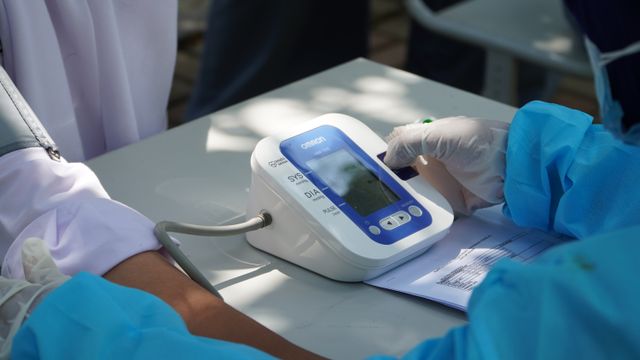
Preventive healthcare is often discussed in terms of major lifestyle changes, comprehensive health programmes and long-term treatment strategies. However, many health-related difficulties develop gradually rather than appearing suddenly. A person may begin sleeping less consistently, reduce daily physical activity, skip balanced meals or rely increasingly on highly processed snacks. Each change may appear insignificant when considered independently. When these patterns continue, however, they can contribute to a more complicated health and wellbeing challenge that requires greater effort to address.
This creates an important question for the future of preventive healthcare: could a small intervention at the right moment be more useful than a much larger intervention introduced after a problem has developed? Preventive Action Timing Intelligence explores this possibility by combining artificial intelligence, behavioural data and predictive modelling to identify when an individual may benefit from an early, proportionate action.
Instead of waiting until a person’s routine has significantly deteriorated, an AI-supported system could monitor gradual changes and recognise opportunities for timely support. For example, it might suggest a short walk after several unusually inactive days, recommend preparing a balanced vegetarian meal when meal patterns become irregular, or encourage a consistent bedtime when sleep schedules begin shifting. These suggestions would not replace medical care. Their purpose would be to support everyday preventive behaviour before manageable difficulties become more demanding.
The World Health Organization recognises healthy eating, physical activity and adequate sleep as important elements of self-care and health promotion. These behaviours provide a practical foundation for exploring how preventive intelligence could support everyday wellbeing.
Understanding Preventive Action Timing Intelligence
Preventive Action Timing Intelligence refers to an AI-supported approach that evaluates not only what health-related action may be useful, but also when that action should be introduced and how intensive it needs to be. Traditional digital wellness systems frequently provide general recommendations, such as exercising regularly, eating more vegetables or maintaining a consistent sleep schedule. Although these suggestions may be useful, they do not always account for an individual’s current circumstances.
A recommendation can be appropriate in principle but poorly timed in practice. Someone experiencing a demanding workweek may not be ready to follow an intensive exercise programme. A person whose meals have become irregular may benefit more from a simple meal-planning adjustment than from an extensive dietary transformation. Similarly, someone experiencing occasional sleep disruption may need support with bedtime consistency rather than a complicated wellness routine.
AI could make these recommendations more responsive by analysing changes in an individual’s usual patterns. The system would establish a baseline from available information, identify meaningful deviations and estimate whether a small action could help address the emerging pattern. It would also consider whether the person is likely to be able to follow the recommendation at that particular time.
The central idea is proportionality. The system should not automatically recommend the largest possible intervention. It should identify the least burdensome reasonable action that may help, while recognising when professional assessment or a more substantial intervention is necessary.
Why the Timing of a Small Intervention Matters
Health behaviours are connected to daily routines, available resources and personal circumstances. A small disruption can sometimes be corrected relatively easily when it is first noticed. If the same disruption continues, it may become more difficult to address because additional behaviours and responsibilities become involved.
Consider a person who usually prepares breakfast at home but begins skipping it several times a week because of an increasingly busy morning schedule. An early intervention might involve preparing a simple vegetarian breakfast the previous evening or keeping convenient options such as fruit, unsweetened yoghurt, nuts or whole-grain foods available. If the pattern continues, the person may begin relying on less balanced convenience foods throughout the day. Correcting the entire routine could then require more planning and effort.
A similar pattern can occur with physical activity. Someone who normally takes short walks may gradually spend longer periods sitting because of changes in work responsibilities. A timely reminder to take a brief movement break could help maintain an existing routine. Waiting until inactivity becomes firmly established may make returning to regular movement more challenging.
Sleep provides another example. A gradual shift in bedtime may initially be corrected through a consistent evening routine and reduced late-night screen use. If irregular sleep becomes persistent, however, the individual may need a more comprehensive assessment of lifestyle factors and possible underlying causes.
These examples illustrate why preventive timing matters. The value of an intervention may depend not only on its content but also on the stage of a behavioural change, the person’s ability to act and the barriers present at that moment.
How AI Could Recognise Early Health-Related Changes
Establishing an Individual Behavioural Baseline
An AI system cannot identify meaningful changes accurately without understanding what is normal for the individual. A person who regularly walks for twenty minutes each day has a different activity baseline from someone whose usual routine involves longer periods of exercise. Similarly, sleep duration, meal timing and daily energy patterns vary across individuals.
The system could establish a baseline using information voluntarily shared through a health application, activity tracker, food diary, sleep record or personal wellness questionnaire. It might examine usual meal frequency, daily movement, bedtime consistency and the frequency of planned physical activity.
Once sufficient information is available, the system could compare recent behaviour with the individual’s historical patterns. A single missed walk would not necessarily indicate a problem. However, a gradual reduction in movement over several weeks could represent a meaningful change worth discussing with the user.
This personalised approach is important because universal thresholds may overlook individual differences. AI should identify deviations from a person’s established pattern rather than treating every difference as evidence of deteriorating health.
Detecting Behavioural Drift
Behavioural drift describes the gradual movement away from an established routine. Unlike a sudden disruption, it may develop through small changes that are difficult to notice individually.
Time-series analysis could help AI systems examine how behaviours change across days and weeks. Machine learning models could identify recurring patterns, such as increasingly late meals, declining walking frequency, irregular sleep schedules or reduced consumption of fruit and vegetables.
For example, a system may observe that an individual has gradually stopped preparing lunch at home. It could connect this change with longer working hours and an increase in skipped meals. Rather than immediately recommending a complete dietary programme, it might suggest preparing a simple vegetarian lunch in advance on selected days.
Such a recommendation would be based on an observed pattern, not an assumption that the individual has developed a medical condition. The system should communicate uncertainty and allow the user to explain circumstances that the available data cannot capture.
Estimating the Right Intervention Window
Recognising a behavioural change is only the first stage. The next challenge is estimating when an intervention may be useful.
AI could examine the duration of a pattern, its direction of change, previous responses to recommendations and the user’s current circumstances. A system might learn that a person is more likely to take a short walk during an afternoon break than immediately after waking up. It could therefore offer an activity suggestion during a suitable period rather than sending repeated reminders throughout the day.
Research into digital behaviour-change interventions has explored how machine learning and AI can support personalised health-related behaviour. However, identifying a useful intervention window requires more than predicting behaviour. Systems must also determine whether a recommendation is appropriate, practical and acceptable to the individual.
Vegetarian Nutrition as an Application of Early Intervention
Nutrition offers a particularly useful setting for Preventive Action Timing Intelligence because eating patterns can change gradually through work schedules, food availability, stress and convenience.
An AI-supported nutrition system could monitor voluntarily recorded meal patterns and identify changes that may deserve attention. For instance, if a person regularly eats pulses, vegetables, whole grains and fruit but begins replacing balanced meals with packaged snacks, the system could identify the shift and suggest a manageable adjustment.
A small intervention might involve adding a bowl of dal to lunch, including seasonal vegetables with a regular meal, choosing fruit instead of a frequently consumed sugary snack or preparing roasted chana for a convenient option. The system could also suggest combining familiar vegetarian foods to make balanced meals easier to prepare.
For someone whose diet contains limited variety, AI might recommend rotating between lentils, chickpeas, beans, vegetables, whole grains, nuts and seeds. It could consider food preferences, budget, cooking time and locally available ingredients instead of presenting an impractical meal plan.
The World Health Organization identifies adequacy, balance, moderation and diversity as important principles of a healthy diet. It also highlights the role of minimally processed foods, whole grains, vegetables, fruits and pulses. These principles can inform AI-generated nutrition suggestions, provided that recommendations account for individual needs and cultural food practices.
AI should not independently prescribe supplements, restrictive diets or therapeutic nutrition plans. Its more appropriate preventive role is to make everyday food choices easier and help users recognise when professional dietary guidance may be necessary.
Physical Activity and the Value of Small Corrections
Physical activity is another area in which early, proportionate interventions may help maintain an established routine. People often reduce movement because of long working hours, travel, weather conditions or changes in personal responsibilities. A decline may happen gradually, making it easy to overlook.
An AI system could compare current movement patterns with an individual’s usual activity. If it detects several days of reduced movement, it might recommend a short walk, gentle stretching or a brief movement break. The recommendation could be adjusted according to the person’s schedule and previous preferences.
For example, an individual who normally walks after lunch may begin missing those walks because meetings have become more frequent. Instead of recommending an intensive fitness programme, the system could suggest a short walk before dinner or a few minutes of movement between work sessions.
The aim would be to preserve continuity rather than demand immediate transformation. A small action may be easier to complete and may help the individual return to a familiar routine.
The World Health Organization identifies regular physical activity as beneficial for physical and mental health and recommends that adults accumulate at least 150 minutes of moderate-intensity activity throughout the week, or an equivalent amount of vigorous activity. It also emphasises that some physical activity is better than none.
AI recommendations must nevertheless account for age, disability, pregnancy, existing health conditions and physical limitations. New or worsening symptoms such as chest pain, fainting or unusual breathlessness require appropriate medical assessment rather than an automated exercise suggestion.
Sleep Patterns and Timely Preventive Support
Sleep-related changes can also provide opportunities for early intervention. A person may begin going to bed later, experience inconsistent waking times or reduce the amount of time available for rest. These changes may be associated with work demands, late-night screen use, travel or changes in daily responsibilities.
AI could examine sleep records and compare recent patterns with an individual’s usual schedule. If bedtime has gradually shifted later, the system might suggest moving the evening routine slightly earlier, reducing stimulating activities before bed or maintaining a more consistent waking time.
The timing of such a recommendation could be important. A reminder delivered during a suitable evening period may be more useful than a notification sent during working hours. The system could also learn whether the user responds better to a simple reminder, a suggested routine or a weekly progress summary.
However, consumer sleep trackers do not provide a complete clinical assessment of sleep quality or sleep disorders. Estimates of sleep stages and other proprietary wellness scores may have limitations, and they should not be treated as diagnostic results.
Persistent sleep difficulties, severe daytime sleepiness or symptoms that interfere with daily functioning should be discussed with a qualified healthcare professional. AI can support awareness and routine management, but it cannot determine the underlying cause of a sleep problem on its own.
The Technology Behind Preventive Action Timing Intelligence
Several AI technologies could contribute to this approach. Predictive analytics could estimate the likelihood that an existing behavioural pattern will continue or become more difficult to change. Time-series models could examine how sleep, activity and nutrition records evolve over time. Anomaly detection could identify deviations from an individual’s established baseline, while recommendation systems could select an appropriate action based on previous responses.
A further possibility is the use of just-in-time adaptive interventions. These systems aim to deliver support when a person may need it and when acting on it is practical. Instead of following a fixed reminder schedule, an adaptive system could consider the user’s current context, recent behaviour and availability before presenting a suggestion.
For example, if an individual has been inactive for several hours and has a usual afternoon walking routine, the system might offer a brief movement reminder during an available break. If the person indicates that they are busy, the recommendation could be postponed rather than repeated immediately.
The process would become more useful if the system also evaluated what happened after the intervention. Did the person follow the suggestion? Was it too difficult? Did the timing interfere with another responsibility? Did the same recommendation help previously? These responses could help the system adjust future suggestions.
Recent research on adaptive health coaching describes temporal modelling, anomaly detection and context-aware intervention as important elements of personalised support. It also highlights a significant distinction: predicting a health-related pattern is not the same as successfully selecting and delivering an effective intervention.
From Small Intervention to Larger Preventive Strategy
Preventive Action Timing Intelligence should not assume that small interventions are always sufficient. Its purpose is to identify when a modest action may be appropriate and when the situation requires a different level of support.
A useful system could organise recommendations according to the level of concern and the nature of the observed pattern. A minor change in meal preparation might justify a practical food suggestion. A repeated decline in physical activity might call for a more structured routine. Persistent fatigue, unexplained weight changes or recurring physical symptoms should prompt professional evaluation rather than increasingly intensive automated advice.
This distinction is essential because lifestyle patterns can be influenced by medical conditions, medication effects, psychological difficulties and social circumstances. A person who is unable to exercise because of pain should not receive repeated reminders to increase activity without an assessment of the reason.
The system should therefore provide an escalation pathway. It could explain when a pattern appears persistent, recommend discussing it with a qualified professional and avoid presenting a lifestyle suggestion as a substitute for diagnosis or treatment.
The objective is not to prevent every future health problem through automated reminders. It is to support informed decisions and make appropriate preventive actions easier to take.
Challenges in Implementing AI-Based Preventive Timing
One major challenge is data reliability. Activity trackers may miss movement, food diaries may contain incomplete entries and sleep estimates may differ between devices. If an AI system interprets inaccurate information as a meaningful behavioural change, it may recommend unnecessary interventions.
Another challenge is false alarms. A temporary change in sleep or meal timing may be caused by travel, a family event or an unusually demanding week. An AI system that responds to every deviation with a warning could create unnecessary concern. It must distinguish short-term variation from patterns that deserve attention.
Personalisation also requires careful design. The same recommendation may not suit people with different schedules, financial resources, physical abilities or food preferences. A vegetarian meal suggestion should consider affordability and local availability, while an activity recommendation should account for the user’s capabilities and environment.
Privacy is equally important. Health applications may process sensitive information about food habits, sleep, movement and personal routines. Users should understand what information is collected, why it is used and whether it is shared. Data minimisation, secure storage, clear consent and meaningful user control should be fundamental requirements.
Finally, predictive accuracy alone does not demonstrate that an intervention improves health. Systems need evaluation in real-world settings to determine whether recommendations are followed, whether they improve relevant behaviours and whether they create unintended consequences. Research on AI-supported preventive care identifies both the potential of personalised prevention and the technical, ethical and organisational barriers to implementation.
The Future of Preventive Healthcare
The future of preventive healthcare may increasingly involve systems that understand the timing and context of everyday decisions. Rather than providing identical recommendations to every user, AI could help identify when a person is beginning to move away from a healthy routine and offer a practical action suited to that moment.
For vegetarian nutrition, this could mean recognising reduced meal variety and suggesting an easy way to include pulses or vegetables. For physical activity, it could involve identifying a decline in regular movement and recommending a manageable activity break.
The next stage may involve combining behavioural information with professional healthcare guidance. A preventive platform could help users maintain everyday habits while providing appropriate routes to qualified support when persistent patterns or concerning symptoms appear. Such systems would need transparent recommendations, reliable evidence and careful evaluation before being trusted for consequential health decisions.
Conclusion
Preventive Action Timing Intelligence introduces an important perspective on AI-supported self-care: the usefulness of a health intervention may depend on when it is delivered, not simply on how comprehensive it is. A small, practical adjustment introduced while a behavioural change is still manageable may be easier to follow than a demanding programme introduced after the pattern has become established.
By analysing individual baselines, detecting behavioural drift and considering personal circumstances, AI could help people make timely adjustments to vegetarian nutrition, physical activity and sleep routines. Its greatest value may lie in making preventive support more relevant, proportionate and practical.
However, AI should remain a support system rather than an independent medical authority. Its predictions must be reliable, its recommendations must respect individual needs and persistent health concerns must receive professional attention. When designed responsibly, Preventive Action Timing Intelligence could help shift preventive care towards earlier awareness and more manageable action, supporting healthier routines before larger interventions become necessary.
Online Internship with Certificate
You may be interested

Behavioural Adaptation Saturation: Health reminders stop producing improvements
Anshika Jain - November 13, 2026Digital healthcare platforms increasingly use reminders, notifications and personalised recommendations to encourage healthier daily routines. A nutrition application may remind someone to eat more vegetables, a fitness…

Cognitive Resource Depletion and Eating Decisions: Mental effort changes food choices
Anshika Jain - November 13, 2026Food choices are often influenced by more than hunger, nutritional knowledge or personal preferences. The amount of mental effort a person has already invested in work, study,…

Behavioural Recovery Architecture: AI Design Different Recovery Strategies
Anshika Jain - November 13, 2026Maintaining healthy routines is rarely a perfectly consistent process. People may establish regular habits around vegetarian nutrition, physical activity, sleep, hydration and stress management, but these routines…
Most from this category

Preventive Behaviour Decay Modelling: Healthy Routines Gradually Disappear
Anshika Jain - November 13, 2026
Personal Biological Variability Fingerprinting: Distinguish Health Changes From Physiological Fluctuations
Anshika Jain - November 12, 2026
Tissue-Level Communication Failures: AI Identify Hidden Disruptions in the Signals
Anshika Jain - November 12, 2026

Self-Care Dependency Mapping: Can AI Reveal How One Neglected Daily Health behaviour Creates Additional difficulties in other areas of wellbeing
Anshika Jain - November 13, 2026Preventive Behaviour Decay Modelling: Healthy Routines Gradually Disappear
Anshika Jain - November 13, 2026Personal Biological Variability Fingerprinting: Distinguish Health Changes From Physiological Fluctuations
Anshika Jain - November 12, 2026




.png)
Leave a Comment
You must be logged in to post a comment.