
Protein Quality Under Physiological Stress: AI Predict When Dietary Protein Is Less Effectively Used?

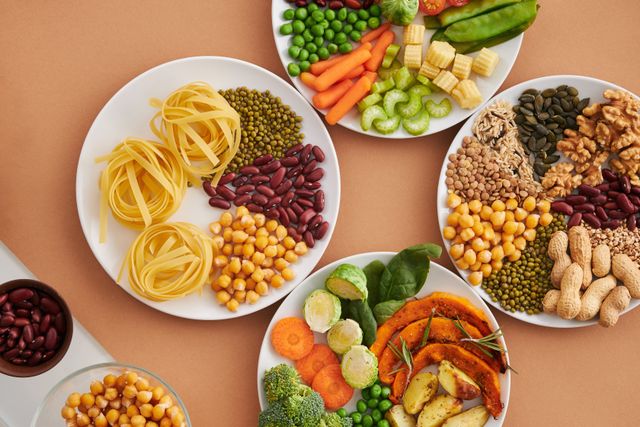
Protein is essential for maintaining muscle, repairing tissues, producing enzymes and hormones, supporting immune function and sustaining numerous biological processes. However, the amount of protein consumed does not tell the complete story of how effectively the body can use it. The nutritional value of a protein depends on its amino acid composition, digestibility, absorption and metabolic availability, as well as the body’s changing requirements.
These factors become especially important during physiological stress. Infection, inflammation, surgery, prolonged inactivity, strenuous exercise, ageing and inadequate energy intake can alter protein metabolism. During these conditions, the body may change how it breaks down proteins, transports amino acids, builds new tissue and allocates nutrients between competing biological priorities. A diet that supports maintenance under ordinary circumstances may not produce the same physiological response during illness or recovery.
This creates an important question for nutritional science: can artificial intelligence predict when dietary protein is being used less effectively, even when reported protein intake appears adequate?
The emerging idea of protein utilisation intelligence would combine dietary information, amino acid availability, metabolic biomarkers, physical activity, inflammation and other physiological signals to estimate how effectively the body uses dietary protein under changing conditions. Rather than evaluating food quality or protein quantity in isolation, AI could investigate the interaction between what a person consumes, what their body can absorb and what their tissues need.
This remains a research opportunity rather than an established clinical capability. Nevertheless, developments in nutritional modelling, metabolomics and personalised health data could eventually help researchers distinguish inadequate protein intake from impaired utilisation, increased protein breakdown or a temporary mismatch between nutritional supply and physiological demand.
Understanding Protein Quality Beyond the Nutrition Label
Protein Quantity and Protein Quality Are Different
Protein quality describes how effectively that protein meets the body’s requirements for indispensable amino acids and nitrogen. Nine amino acids are considered indispensable in the human diet because the body cannot synthesise them in sufficient quantities to meet its needs.
Protein quality depends partly on the amount and balance of these amino acids and on how effectively they are digested and absorbed. A food can contain a substantial amount of protein while providing relatively little of one indispensable amino acid compared with the body’s requirements. Conversely, a protein source with a favourable amino acid profile may contribute only a small amount of total protein in a typical serving.
The Digestible Indispensable Amino Acid Score (DIAAS) is one established method for evaluating protein quality. It considers the digestibility of individual indispensable amino acids and compares their digestible quantities with a reference amino acid requirement pattern. Unlike a simple measurement of total protein, this approach recognises that amino acids differ in their availability and nutritional contribution.
However, even DIAAS has limitations. It is primarily a measure of protein quality based on amino acid composition and digestibility, not a complete prediction of how a particular person’s body will use protein during illness, ageing or recovery. A 2025 critical review emphasises that protein-quality scores do not fully capture the metabolic activity of food-derived amino acids.
From Digestion to Metabolic Availability
After a protein-containing meal, digestive enzymes break proteins into smaller peptides and amino acids. The amount absorbed is not necessarily identical to the amount available for a specific biological purpose. Food processing, the structure of the food matrix, digestive function and chemical changes during cooking can influence the availability of individual amino acids. The body’s subsequent use of absorbed amino acids depends on metabolic conditions, tissue demand and the regulation of protein synthesis and breakdown.
Research published in 2024 on the metabolic availability of amino acids in humans explains why digestibility alone may overestimate the usable supply of some amino acids, particularly when processing affects their chemical availability. It also describes methods such as indicator amino acid oxidation for investigating amino acid utilisation and the effects of combining complementary protein sources.
AI could eventually combine these different stages into a more complete estimate of protein utilisation. Yet each stage requires appropriate evidence, and a model cannot directly infer every step of amino acid metabolism from a food diary or a single blood test.
How Physiological Stress Changes Protein Utilisation
Inflammation and Acute Illness
During infection, injury and other inflammatory conditions, the body changes its priorities. Immune responses require energy and amino acids, while damaged tissues may need additional resources for repair. At the same time, inflammatory signalling can alter muscle protein turnover, appetite, digestive function and the body’s response to feeding.
Under some circumstances, muscle protein breakdown increases and the net balance between protein synthesis and breakdown becomes negative. This can contribute to the loss of muscle tissue, particularly when illness is severe or prolonged. The effect cannot be explained by dietary intake alone because the body’s metabolic requirements and its ability to use incoming nutrients may also change.
Protein utilisation is especially complex in critically ill patients. A 2025 review examining amino acid absorption and muscle protein synthesis in healthy adults and critically ill patients reported that illness can alter absorption kinetics and reduce the muscle protein synthesis response after feeding. The review also noted that increasing amino acid availability does not automatically translate into a practical or effective clinical intervention.
AI could help researchers investigate whether combinations of inflammation markers, dietary intake, amino acid measurements and clinical indicators predict a reduced response to protein feeding. Such a system might identify patterns associated with greater nutritional risk and help determine which patients require more detailed assessment. It would not, however, establish a diagnosis or prescribe a protein intervention without clinical validation.
Ageing and Anabolic Resistance
Ageing can change the body’s response to dietary protein and physical activity. One relevant concept is anabolic resistance, in which muscle protein synthesis responds less strongly to a given nutritional or exercise stimulus than it would under other conditions. This response varies between individuals and can be influenced by physical activity, overall health, energy intake and the distribution of protein across meals.
The implications are important because two people may consume similar amounts of protein but experience different changes in muscle mass and function. Protein intake must be considered alongside the body’s capacity to respond, its activity level and its need for repair and maintenance.
AI could analyse longitudinal information on dietary intake, strength, physical activity, body composition and relevant biomarkers to identify patterns associated with a reduced response to nutritional support. If combined with appropriately designed studies measuring muscle protein synthesis or turnover, these models might help researchers investigate which factors best explain individual differences.
However, strength and body composition are indirect indicators of protein utilisation. Changes in either may reflect activity, hydration, illness or other factors. A model would need to distinguish these influences before claiming to predict impaired protein use.
Exercise, Recovery and Energy Availability
Exercise creates a changing demand for tissue maintenance and adaptation. Resistance training stimulates processes involved in muscle protein synthesis, while prolonged or intense activity can increase the need for recovery. The final response depends on training status, exercise characteristics, amino acid availability, energy intake and rest.
Insufficient energy availability adds another layer of complexity. When energy intake does not adequately support physiological requirements, the body may alter its use of amino acids and other substrates. This means that a high-protein diet does not automatically compensate for every consequence of inadequate energy intake or poor recovery.
AI could combine training logs, food records, sleep data and repeated performance measurements to estimate when protein intake may be poorly aligned with recovery demands. For example, it might detect recurring periods of high training load alongside inadequate recorded energy intake and declining performance.
How AI Could Predict Changes in Protein Utilisation
Integrating Dietary and Physiological Data
A useful protein utilisation model would need more than a record of daily protein grams. It could combine the types and quantities of protein consumed with meal timing, energy intake, food preparation, activity, sleep, illness history and relevant laboratory measurements. Where available, amino acid profiles and indicators of inflammation or metabolic function could provide additional evidence.
The model would first need to estimate the protein and indispensable amino acids supplied by the diet. It could then consider factors affecting digestibility and availability, followed by physiological indicators that may reflect the body’s response. These layers would help separate the nutritional properties of the food from the changing conditions of the person consuming it.
For instance, two people might consume similar amounts of protein from comparable foods, yet one could be recovering from surgery while the other is healthy and physically active. Their requirements, metabolic responses and outcomes may differ. A model trained on appropriate clinical data could investigate whether these differences help predict a reduced response to nutritional support.
Nevertheless, combining data sources does not guarantee a valid estimate. The model must represent these limitations instead of converting uncertain inputs into a falsely precise utilisation score.
Learning From Amino Acid and Metabolic Patterns
Amino acids and related metabolites offer a possible window into protein metabolism. Their circulating concentrations reflect several interacting processes, including dietary absorption, tissue uptake, protein breakdown, protein synthesis and amino acid oxidation. Therefore, a high or low concentration cannot be interpreted as a direct measurement of how efficiently dietary protein is being used.
AI could analyse patterns across multiple amino acids rather than focusing on one measurement. When paired with dietary information and clinical context, these patterns might help researchers distinguish different metabolic responses to feeding or physiological stress.
Stable isotope techniques can provide more direct information about amino acid metabolism by tracing labelled compounds through biological pathways. Research uses these methods to investigate protein turnover, amino acid availability and the response of protein synthesis to nutritional interventions.
In the future, machine-learning models could integrate stable isotope results with more accessible measurements to investigate whether reliable surrogate indicators can be developed. Such indicators would require validation against the underlying metabolic processes. Without that validation, AI could identify statistical associations but could not confidently determine the rate of protein synthesis or breakdown.
Predicting Responses Rather Than Assigning a Fixed Score
A major opportunity is to predict how protein utilisation may change when physiological conditions change. Instead of assigning a permanent score to a person, an AI system could estimate how their likely response differs during recovery, ageing, periods of inactivity or changes in exercise.
This dynamic approach is more consistent with human physiology. Protein requirements and metabolic responses are not identical across all circumstances, and a person’s response at one point in time may not describe their condition several weeks later.
A research model might compare predicted responses under different feeding conditions, then test those predictions against controlled measurements. If the model consistently identifies people whose response to protein feeding differs from expectations, it could help researchers design more targeted nutritional studies. However, a prediction about response is not proof that a particular food or intervention will improve health.
Can AI Identify When Protein Is Present but Not Fully Used?
Distinguishing Inadequate Intake From Impaired Utilisation
One of the most useful potential applications is differentiating between insufficient protein intake and a reduced physiological response to an otherwise adequate intake. These situations can produce overlapping outcomes, including muscle loss, poor recovery or reduced physical function, but they do not necessarily have the same underlying cause.
A person may consume too little protein to meet their needs. Another may consume an adequate amount but experience increased protein breakdown during severe illness. A third may have difficulty digesting or absorbing nutrients because of an underlying gastrointestinal condition. These possibilities require different assessments, and they cannot reliably be distinguished by protein intake records alone.
AI could compare dietary estimates with indicators of inflammation, digestion, physical function and metabolic response to identify patterns consistent with different explanations. The model could also indicate when its evidence is insufficient to distinguish between them. This would make it a tool for prioritising further investigation rather than a substitute for clinical assessment.
Understanding the Effect of Food Processing
Protein utilisation can also be influenced by how food is processed and prepared. Heat treatment can improve digestibility in some foods by changing protein structure, while excessive heating or prolonged exposure to high temperatures can reduce the availability of certain amino acids. Storage conditions and the food matrix may also influence nutritional quality.
AI could connect food-composition databases with information about cooking methods, storage and meal composition to improve estimates of amino acid availability. Such a model might be especially useful in food science, where researchers are developing new plant-based proteins, alternative protein ingredients and processing techniques.
However, nutritional databases do not always contain detailed information about preparation or amino acid availability after processing. Any model would need experimentally measured data for the relevant foods and conditions before making reliable comparisons.
The Challenges of Building a Reliable Protein Utilisation Model
Biological Complexity and Data Limitations
Protein metabolism involves many interacting pathways. Amino acids may be used for muscle protein synthesis, immune function, enzyme production, tissue repair or energy metabolism. Their fate depends on the availability of other nutrients, hormonal signals, organ function and the body’s immediate requirements.
This complexity creates an identification problem: several different biological processes can produce similar observable patterns. For example, a change in circulating amino acid concentrations may reflect altered dietary absorption, increased tissue uptake, increased protein breakdown or changes in amino acid oxidation. Without additional evidence, AI may not be able to distinguish these mechanisms. Data quality creates another challenge.
Researchers should also distinguish between predicting a measurable outcome and explaining its cause. An algorithm might predict muscle loss with reasonable accuracy without identifying whether the main driver is insufficient protein, inflammation, inactivity or another factor. That prediction could still be useful, but its interpretation must remain limited to what the evidence supports.
Clinical Validation and Ethical Use
Before AI-based protein utilisation estimates could guide clinical decisions, researchers would need to compare them with established measures of protein metabolism and nutritional status. These could include stable isotope studies, assessments of body composition and function, and carefully designed studies of responses to feeding. Validation should establish whether the model adds value beyond conventional nutritional assessment.
False predictions could have practical consequences. Overestimating protein utilisation might delay an appropriate nutritional assessment, while underestimating it could cause unnecessary concern or lead to unsuitable dietary changes. Recommendations also need to consider individual circumstances, including kidney or liver disease, gastrointestinal disorders and other conditions that can affect nutritional management. The safest role for early systems is therefore to support research and professional decision-making, with transparent uncertainty estimates and clear limits on interpretation.
The Future of Personalised Protein Nutrition
The next generation of protein research may combine dietary modelling, metabolomics, stable isotope measurements, clinical records and longitudinal observations to create more dynamic models of amino acid metabolism. Rather than evaluating protein solely by its quantity or standardised quality score, these systems could investigate how food composition interacts with the person’s physiological condition.
An important development would be models that learn from repeated measurements. Researchers could use these models to study how protein utilisation responds to recovery, ageing, physical training and nutritional interventions.
Another promising direction is the development of models that explain their uncertainty. A system might estimate that a person is at risk of an inadequate protein response while identifying whether the uncertainty arises from incomplete dietary records, a lack of metabolic measurements or an unfamiliar clinical condition. This could help determine when additional testing is worthwhile.
Ultimately, personalised protein nutrition will require collaboration between nutrition scientists, clinicians, food researchers and AI developers. The objective should not be to replace established protein-quality methods but to extend them with information about the body’s changing metabolic needs and responses.
Conclusion: Can AI Predict When Dietary Protein Is Less Effectively Used?
AI could eventually help researchers predict when dietary protein is less effectively used by combining protein intake, amino acid availability, metabolic biomarkers, inflammation, physical activity and other physiological data. Such models may reveal patterns that are difficult to identify from dietary records or isolated laboratory measurements.
However, protein utilisation is a complex biological process rather than a single measurable quantity. A high-quality protein score does not guarantee an identical response in every individual, and an unusual metabolic marker does not automatically indicate inefficient protein use. The most reliable systems will need to distinguish the quality of the food, the availability of amino acids and the body’s response to those amino acids.
If validated against direct measurements and meaningful health outcomes, AI could help researchers understand why people respond differently to similar diets and support more context-sensitive approaches to nutritional assessment.
Online Internship with Certificate
You may be interested

Nutrient Release Kinetics: Can AI Predict When Food Actually Makes Its Nutrients Available?
Anshika Jain - October 27, 2026Food labels tell us how much protein, carbohydrate, fat, vitamins, and minerals a food contains, but they do not fully explain when those nutrients become available during…

Metabolic Resilience Mapping: Some Bodies Recover Faster From the Same Dietary Stress?
Anshika Jain - October 27, 2026Two people can eat the same meal, consume similar amounts of energy and follow comparable diets, yet experience different metabolic responses. One person's glucose and triglyceride levels…

Microvascular Nutrition Mapping: AI Detect When Nutrients Reach Tissues
Anshika Jain - October 27, 2026The human body depends on a complex transport system to deliver oxygen, glucose, amino acids, fatty acids, vitamins, minerals and other essential substances to its tissues. After…
Most from this category
Mitochondrial Reserve Intelligence: AI Predict When Cellular Energy Flexibility
Anshika Jain - October 27, 2026
Metabolic State Reconstruction: Can AI Infer What the Body Is Doing Between Blood Tests?
Anshika Jain - October 27, 2026
Health Data Blind Spot: Medical AI Cannot Learn From Missing Biological Measurements
Anshika Jain - October 26, 2026
Nutrient Timing Paradox: Sequence of Eating Matter Independently of the Meal Itself
Anshika Jain - October 26, 2026
Mitochondrial Reserve Intelligence: AI Predict When Cellular Energy Flexibility
Anshika Jain - October 27, 2026Metabolic State Reconstruction: Can AI Infer What the Body Is Doing Between Blood Tests?
Anshika Jain - October 27, 2026Health Data Blind Spot: Medical AI Cannot Learn From Missing Biological Measurements
Anshika Jain - October 26, 2026




.png)
Leave a Comment
You must be logged in to post a comment.