
Fitness Without Equipment: Can Everyday Movement Keep You Active?

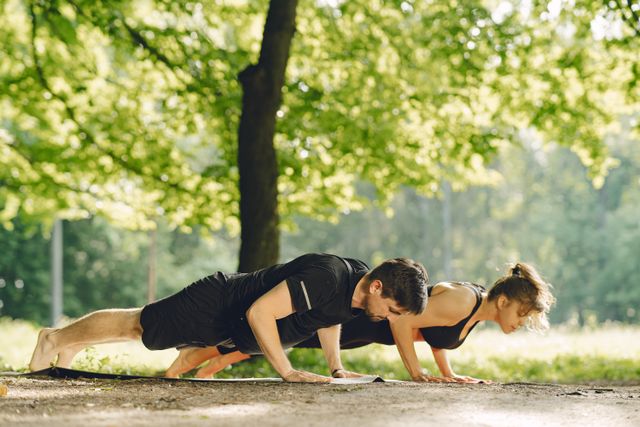
Fitness is often associated with gyms, treadmills, dumbbells, resistance machines and carefully structured workout plans. While these tools can be useful, they are not the only way to stay physically active. Everyday movement can also play an important role in maintaining an active lifestyle. Walking to nearby places, taking the stairs, cleaning the house, gardening, stretching between work sessions or simply standing up regularly can add meaningful movement to an otherwise sedentary day.
This idea has become increasingly relevant as modern lifestyles have become more dependent on desks, vehicles and digital devices. Many people spend long periods sitting at work, studying, travelling or relaxing at home. At the same time, busy schedules can make it difficult to dedicate an uninterrupted hour to exercise. As a result, people are increasingly exploring ways to incorporate movement into activities they already perform every day.
Fitness without equipment does not mean that structured exercise is unnecessary. Instead, it highlights the importance of viewing physical activity as something broader than a gym workout. Everyday movement can help people become more active, reduce long periods of inactivity and build healthier routines without requiring expensive equipment or specialised facilities.
What Is Everyday Movement?
Everyday movement refers to physical activity that occurs as part of normal daily life rather than as a formal exercise session. It can include walking while commuting, climbing stairs, doing household chores, carrying groceries, playing with children, gardening or moving around during work breaks.
Some everyday activities may be light, while others can require considerable physical effort. The amount of energy used depends on the activity, duration, intensity and individual characteristics. What makes everyday movement different from a traditional workout is that it is usually integrated into existing routines.
For example, a person might walk to a local shop instead of driving, stand while speaking on the phone or take the stairs instead of an elevator. None of these activities requires a gym membership, but they create additional opportunities for movement throughout the day.
The concept encourages people to look at their entire day rather than judging their activity level solely by whether they completed a formal workout.
Why Movement Matters in a Sedentary Lifestyle
Sedentary lifestyles have become increasingly common. Computers and smartphones allow people to work, study, communicate and entertain themselves while remaining in one position for extended periods. Even jobs that once required frequent movement have become more stationary as digital tools have transformed workplaces.
The challenge is that completing one workout does not necessarily eliminate the effects of spending most of the remaining day sitting. Someone might exercise for thirty minutes and then spend several hours at a desk. This is one reason everyday movement has become an important part of conversations about healthy lifestyles.
Regularly breaking up long periods of sitting with movement can make the day more active. Standing up, walking around or performing simple mobility movements creates opportunities to change position and use the body rather than remaining stationary.
The goal is not to make every moment physically demanding. Instead, it is to reduce the amount of uninterrupted inactivity and create a natural rhythm of movement throughout the day.
Walking: The Simplest Form of Equipment-Free Fitness
Walking is perhaps the most accessible form of everyday physical activity. It requires no specialised equipment and can often be incorporated into commuting, errands, social activities or leisure time.
A short walk can be used as a break from work or study, while longer walks can become a more deliberate form of physical activity. Walking speed and duration can be adjusted according to an individual’s fitness level and circumstances.
Walking also provides flexibility because it can happen almost anywhere. People can walk outdoors, around their workplace, inside a shopping area or at home. This makes it particularly useful for people who do not enjoy traditional gym-based exercise.
The most important factor is consistency. A single long walk may be enjoyable, but regularly finding opportunities to walk can make movement a more natural part of daily life.
Household Chores as Physical Activity
Household tasks are another example of movement that often goes unnoticed. Sweeping, mopping, cleaning, washing clothes, organising rooms and carrying household items all involve physical movement.
These activities should not necessarily be treated as substitutes for every form of exercise, but they demonstrate that physical activity can occur outside traditional workouts. Someone who spends an hour cleaning the house is not physically inactive during that period.
Household movement can become particularly valuable for people who have difficulty finding separate exercise time. Rather than sitting continuously after work, completing household responsibilities can provide opportunities to stand, walk, bend, carry and move.
The intensity varies considerably depending on the task and the person performing it, but the broader lesson remains the same: daily life contains many opportunities to move.
The Power of Taking the Stairs
Choosing stairs instead of an elevator is a small decision that can introduce additional physical activity into a routine. Stair climbing involves the lower-body muscles and can become more demanding as the number of flights increases.
For someone who normally uses an elevator several times each day, occasionally taking the stairs can create a simple movement habit. It can also be incorporated into office routines, shopping trips and other everyday activities.
However, stair use should be appropriate for the individual’s fitness level and physical circumstances. People with injuries, mobility limitations or certain health conditions may need alternative forms of movement and professional guidance.
The broader principle is not specifically about stairs. It is about identifying everyday choices that provide opportunities to move rather than automatically choosing the most sedentary option.
Bodyweight Exercise Without a Gym
Everyday movement can also include simple bodyweight exercises. Movements such as squats, lunges, wall push-ups, modified push-ups and gentle mobility exercises can be performed without machines or weights.
Bodyweight exercise can be adapted to different fitness levels. Beginners may use easier variations and fewer repetitions, while experienced individuals can gradually increase difficulty through technique, range of motion or exercise variations.
A major advantage is accessibility. A small amount of open space may be enough for many movements. This can make bodyweight exercise practical for people working from home, travelling or living in environments where access to fitness facilities is limited.
However, good technique remains important. Exercise should be performed within comfortable limits, and people should avoid forcing movements that cause pain.
Stretching and Mobility During the Day
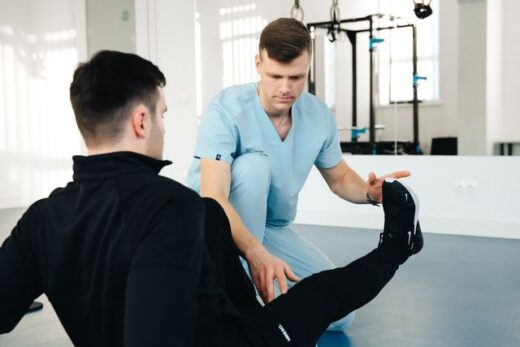
Not every movement needs to be a workout. Stretching and mobility exercises can provide opportunities to move joints and muscles during periods of prolonged sitting.
Desk workers, for example, can take short breaks to stand, walk and perform comfortable shoulder, neck, back, hip or ankle movements. Students can use study breaks for similar activities.
These short movement periods can be particularly useful because they interrupt long periods of sitting. They also create a mental transition between tasks, giving people a reason to step away from a screen.
Mobility work should be gentle and controlled rather than aggressive. People with existing injuries or medical concerns should choose exercises appropriate to their circumstances.
Can Everyday Movement Replace a Workout?
This is one of the most important questions surrounding equipment-free fitness. The answer depends on what someone means by “replace.”
Everyday movement can contribute significantly to total physical activity, but it may not provide all the benefits associated with structured exercise. A formal workout can be designed specifically to develop cardiovascular fitness, muscular strength, endurance, flexibility or sport-specific skills.
For example, a person who wants to progressively develop strength may benefit from a structured resistance-training program. Someone preparing for a running event may require planned running sessions. Everyday walking alone may not provide the same training stimulus.
At the same time, structured exercise does not make everyday movement irrelevant. Both can exist together. A person can complete planned workouts while also walking more, taking movement breaks and staying active through daily responsibilities.
The most useful approach is therefore not to think of everyday movement and exercise as competing choices. They can complement each other.
Fitness Without Equipment and Busy Schedules
Time is one of the most common barriers to regular exercise. People may have demanding jobs, family responsibilities, academic commitments or unpredictable schedules.
Equipment-free movement offers flexibility because it can be divided into smaller periods. A person may walk for ten minutes in the morning, use the stairs during the workday and spend another ten minutes moving in the evening.
This approach removes the expectation that all physical activity must happen in one continuous session. While structured exercise remains valuable, small movement opportunities can make an otherwise sedentary day more active.
The flexibility can also help people maintain activity during travel or particularly busy periods. A hotel room, office corridor or nearby street can provide opportunities for movement without requiring access to fitness equipment.
The Role of Active Commuting
Transportation choices can significantly influence daily movement. Walking or cycling for appropriate journeys can turn commuting into an opportunity for physical activity.
Not everyone lives close enough to work or school to walk or cycle, and safety, weather, infrastructure and accessibility must be considered. However, partial active commuting can sometimes be possible. Someone might park farther from a destination, walk part of a journey or choose to walk for short errands.
The principle is to identify realistic opportunities rather than impose unrealistic expectations. Even modest changes can increase movement compared with spending the entire journey seated.
Making Workplaces More Active
The modern workplace provides many opportunities to rethink movement. Employees can use suitable breaks to walk, stand during certain activities or move between tasks. Meetings that do not require constant computer use may sometimes be conducted while walking, depending on the workplace and circumstances.
Employers can also support active habits by creating environments where movement is practical rather than discouraged. Accessible stairways, comfortable common areas and reasonable break policies can make it easier for workers to step away from their desks.
The objective should not be to pressure employees into exercising during working hours. Instead, workplace design can make healthy movement easier and more socially acceptable.
Everyday Movement and Mental Well-Being
Physical activity is often discussed in terms of muscles, endurance and cardiovascular health, but movement can also influence how people experience their day.
Stepping away from a desk for a short walk can provide a change of environment. Moving outdoors can create a break from screens and work-related tasks. Physical activity can also become a social experience when people walk with friends, family members or colleagues.
These simple changes can make movement feel less like another obligation and more like part of a balanced lifestyle.
The psychological advantage of everyday movement is also connected to accessibility. People who dislike gyms or feel uncomfortable in fitness environments may find walking, household activities or recreational movement more approachable.
Technology Can Encourage Equipment-Free Fitness
Although equipment is not necessary for everyday movement, technology can help people become more aware of their activity. Smartphones and wearable devices can track steps, walking distance, active time and other measurements.
Movement reminders can also encourage users to stand or walk after long periods of inactivity. Fitness applications may provide guided bodyweight workouts, walking programs and mobility routines that require little or no equipment.
Technology can therefore support a simple philosophy: use digital tools not only to monitor activity but also to encourage people to move away from the screen.
However, activity tracking should not become a source of unnecessary pressure. Numbers are useful indicators, but they are not the complete definition of health or fitness.
Creating a Sustainable Equipment-Free Fitness Routine
The easiest way to make everyday movement sustainable is to connect it with activities that already exist in the daily schedule. Someone who drinks tea in the afternoon could take a short walk afterward. A remote worker could stand and move between meetings. A student could walk during study breaks.
These habits are more sustainable when they are realistic. Trying to suddenly add hours of exercise to an already busy day may be difficult to maintain. Smaller changes can become routine without dramatically disrupting responsibilities.
Variety can also make movement more enjoyable. Walking, household activities, recreational games, stretching, bodyweight exercises, dancing and outdoor activities can all provide different forms of physical activity.
The aim is not perfection. It is to gradually create a lifestyle in which movement occurs naturally and regularly.
The Importance of Listening to Your Body
Equipment-free fitness can be accessible, but that does not mean every activity is suitable for every person. Fitness levels, age, previous injuries, mobility and health conditions can influence what types of movement are appropriate.
Pain should not be ignored simply because an exercise uses bodyweight rather than equipment. Similarly, people beginning a new activity should increase intensity gradually rather than immediately attempting demanding movements.
Anyone with a medical condition, significant injury or specific exercise-related concern should consider professional advice before starting a new fitness program.
A sustainable fitness routine should challenge the body appropriately while respecting individual limitations.
A Broader Definition of an Active Lifestyle
The rise of equipment-free fitness reflects a broader change in how physical activity is understood. Fitness does not have to exist only inside a gym. It can be present in the walk to the market, the stairs at work, the household chores completed in the evening, the game played with children or the short mobility break between meetings.
This does not make formal exercise unnecessary. Instead, it expands the number of ways people can stay active.
For someone who already exercises regularly, everyday movement can provide additional activity between workouts. For someone who struggles to exercise consistently, everyday movement can become a starting point. And for someone who dislikes traditional fitness environments, it can offer a more comfortable way to become active.
Conclusion: Move More, Without Making Fitness Complicated
Fitness without equipment is not about discovering a shortcut around exercise. It is about recognising that physical activity can take many forms. Everyday movement can help people spend less time sitting, create more opportunities to walk and build activity into routines that already exist.
Walking, climbing stairs, household chores, bodyweight exercises, stretching, active commuting and recreational activities can all contribute to a more active lifestyle. These activities may not replace every form of structured exercise, particularly when specific fitness goals require planned training, but they can complement formal workouts and make daily life more physically engaging.
The most important lesson is that fitness does not always need to be complicated. A healthier relationship with movement can begin with small choices repeated consistently. Instead of waiting for the perfect time, place or equipment, people can look at their existing day and identify where movement naturally fits.
In a world where work, education and entertainment increasingly happen through screens, everyday movement offers a simple reminder that staying active does not always require a gym. Sometimes, becoming more active begins with something as ordinary as standing up, taking a walk or choosing to move a little more than before.
Online Internship with Certificate
You may be interested
From Meditation to Breathwork: The New Language of Everyday Wellness
Anshika Jain - September 16, 2026Wellness has gradually moved beyond the traditional idea of simply exercising regularly and eating nutritious food. Today, people are paying greater attention to how they manage stress,…
Desk Yoga: Simple Movement Ideas for People Who Sit All Day
Anshika Jain - September 16, 2026Modern work and study routines have made sitting for long periods a normal part of everyday life. Office employees may spend most of their working hours at…
Why More Young People Are Choosing Outdoor Fitness
Anshika Jain - September 16, 2026For a generation that spends a significant part of its day connected to smartphones, laptops, social media, and digital entertainment, stepping outside has become an increasingly attractive…
Most from this category

The Rise of the Quantified Self: Why People Are Measuring Everything About Their Health
Anshika Jain - September 15, 2026

Your Plate Has Data: How AI Is Turning Food Into Health Information
Anshika Jain - September 15, 2026
The Rise of the Quantified Self: Why People Are Measuring Everything About Their Health
Anshika Jain - September 15, 2026
From Meditation to Breathwork: The New Language of Everyday Wellness
September 16, 2026
Desk Yoga: Simple Movement Ideas for People Who Sit All Day
September 16, 2026
Why More Young People Are Choosing Outdoor Fitness
September 16, 2026
Why Recovery Is Becoming as Important as Exercise
September 16, 2026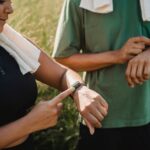
.png)
Leave a Comment
You must be logged in to post a comment.