
Why Recovery Is Becoming as Important as Exercise

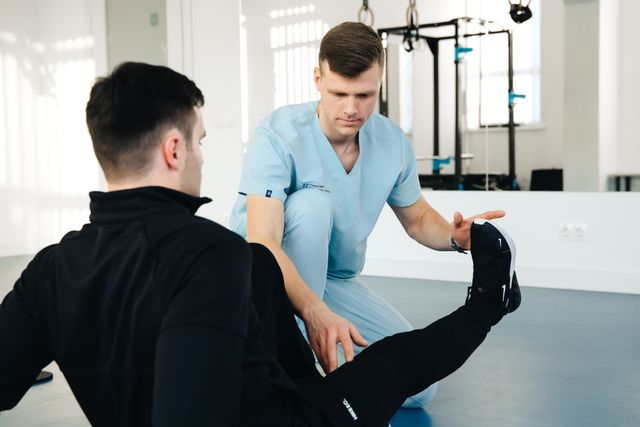
For years, fitness culture has focused heavily on training harder, exercising more frequently, and pushing the body beyond its comfort zone. Whether the goal is building muscle, losing weight, improving endurance, or simply becoming healthier, exercise has traditionally been presented as the central part of the fitness journey. However, as people become more informed about health and wellness, another part of fitness is receiving greater attention: recovery.
Recovery is no longer being viewed simply as time spent away from the gym. It is increasingly understood as an active and essential part of physical performance and overall wellbeing. Sleep, rest days, hydration, nutrition, mobility work, stretching, stress management, and appropriate training intensity all contribute to the body’s ability to recover. Without sufficient recovery, even a well-designed exercise routine can become difficult to sustain.
The growing emphasis on recovery reflects a broader change in the way people understand fitness. Instead of measuring success only by how much exercise someone can complete, modern fitness increasingly considers how effectively the body can adapt, repair, and prepare for the next challenge. This shift is particularly relevant as more people combine exercise with demanding jobs, academic responsibilities, family commitments, and increasingly busy lifestyles.
Understanding What Recovery Really Means
Recovery refers to the processes through which the body and mind return to a balanced state after physical or mental stress. Exercise places stress on muscles, connective tissues, the cardiovascular system, and the nervous system. This stress is not necessarily harmful. In appropriate amounts, it is part of how the body becomes stronger and more capable. However, adaptation requires time and resources.
During exercise, muscles experience fatigue and small amounts of tissue damage. Energy stores are also used, fluids are lost, and the body experiences a temporary increase in physiological stress. Recovery gives the body an opportunity to restore energy, repair tissues, regulate physiological systems, and adapt to the demands placed upon it.
Recovery is therefore not the opposite of training. It is one of the processes that allows training to produce meaningful results. A person may spend hours exercising each week, but if they consistently neglect sleep, nutrition, rest, and stress management, their ability to benefit from that exercise may be reduced.
Why More Exercise Does Not Always Mean Better Results
One of the most important changes in modern fitness thinking is the recognition that more exercise is not automatically better. Exercise produces benefits when the amount and intensity of training are appropriate for an individual’s condition, goals, experience, and ability to recover.
Training continuously without adequate recovery can lead to persistent fatigue, declining performance, muscle soreness, reduced motivation, and difficulty maintaining a routine. When people interpret these signs as a reason to exercise even harder, they may create a cycle in which the body never receives enough time to adapt.
This does not mean that exercise should be avoided whenever the body feels tired. Normal training fatigue is expected, and some discomfort can occur after unfamiliar or demanding activity. The important distinction is between ordinary fatigue and persistent signs that the body may need additional recovery.
A sustainable fitness routine therefore requires balance. Training provides the stimulus, while recovery provides the opportunity for adaptation.
The Growing Importance of Sleep in Fitness
Sleep is one of the most important components of recovery, yet it is often overlooked in fitness discussions. People may carefully plan their workouts and meals while treating sleep as something that can be sacrificed when life becomes busy.
During sleep, the body carries out numerous processes involved in physical and mental restoration. Adequate sleep supports normal immune function, cognitive performance, emotional regulation, and the body’s ability to respond to physical demands. Poor sleep can make exercise feel more difficult and may affect motivation, concentration, coordination, and perceived energy.
For people who exercise regularly, sleep can therefore be considered part of the training process rather than simply a period of inactivity. A demanding workout followed by consistently inadequate sleep creates a mismatch between physical stress and recovery capacity.
This is one reason recovery-focused fitness encourages people to consider their entire lifestyle rather than looking only at the number of workouts completed. A well-planned training schedule becomes more effective when it is supported by sufficient and consistent sleep.
Nutrition as a Foundation for Recovery
Recovery also depends on providing the body with the nutrients and energy it needs. Exercise increases the body’s demand for fuel and nutrients, while balanced nutrition supports normal tissue repair and replenishment of energy stores.
Protein is particularly important for maintaining and repairing muscle tissue, while carbohydrates can help replenish energy used during physical activity. Dietary fats also have important physiological roles, and vitamins, minerals, fibre, and fluids contribute to overall health.
Recovery nutrition does not necessarily mean complicated supplements or highly restrictive meal plans. For many people, a balanced diet based on varied whole foods can provide an important foundation. The appropriate nutritional approach can vary considerably depending on training intensity, age, health status, dietary preferences, and individual goals.
Hydration is equally important. Fluid losses during exercise can become significant, particularly during prolonged activity or exercise in hot and humid conditions. Replacing fluids is therefore an important part of returning the body to normal after physical activity.
Rest Days Are Not Wasted Days
The traditional idea that a productive fitness routine requires exercising every day is gradually being challenged by a more balanced approach. Rest days can provide valuable opportunities for recovery, particularly after demanding training sessions.
A rest day does not necessarily mean spending the entire day physically inactive. Depending on an individual’s training plan, light walking, gentle mobility exercises, easy stretching, or other low-intensity activities may be appropriate. The objective is to reduce training stress while maintaining comfortable movement.
Rest also has a psychological role. Constantly thinking about workouts, calories, performance, and physical goals can make fitness feel like an obligation rather than a healthy lifestyle. Planned periods of reduced activity can help people maintain a healthier relationship with exercise and prevent the routine from becoming unnecessarily demanding.
Active Recovery and Gentle Movement
Active recovery has become increasingly popular because it provides an alternative to complete inactivity. It generally involves low-intensity movement that is significantly easier than the individual’s normal training.
Walking, gentle cycling, mobility exercises, light swimming, and relaxed stretching can all be incorporated into recovery-focused routines when appropriate. Such activities may help people remain mobile while reducing the overall physical demand compared with a hard workout.
The key is intensity. Active recovery should not become another demanding training session. If a supposedly easy recovery session leaves someone exhausted, it may no longer be serving its intended purpose.
This approach also reflects an important principle of modern fitness: recovery does not have to mean doing nothing. It means managing physical demands intelligently.
Mobility, Stretching and Movement Quality
Recovery has also expanded beyond simply waiting for muscle soreness to disappear. Mobility and movement quality are becoming more important parts of fitness routines.
Mobility exercises can help people move joints through comfortable ranges of motion, while stretching may be used as part of a broader flexibility routine. These practices can complement strength, cardiovascular, and recreational activities by encouraging people to pay attention to how their bodies move.
However, recovery practices should not be treated as guaranteed solutions for preventing every injury or eliminating all soreness. Individual responses vary, and persistent pain should not simply be ignored or treated as normal exercise fatigue.
The broader value of mobility work is that it encourages people to develop awareness of their movement patterns and physical limitations rather than focusing exclusively on workout intensity.
The Role of Stress in Recovery
Physical recovery cannot be separated completely from mental wellbeing. Modern lifestyles often expose people to multiple sources of stress, including work, studies, financial responsibilities, social pressures, and constant digital connectivity.
The body responds to psychological stress as well as physical stress. When someone is already dealing with significant life stress, adding frequent high-intensity exercise without adequate recovery may increase the overall burden placed on the body.
This does not mean that exercise is harmful during stressful periods. In fact, physical activity can be an important part of a healthy lifestyle. The important consideration is matching exercise intensity with the person’s overall circumstances.
A recovery-focused approach therefore considers both the workout and everything happening outside the workout. A demanding week at work, poor sleep, travel, or emotional stress may influence how much training a person can comfortably handle.
Technology Is Changing the Way People Recover
Technology is also contributing to the growing interest in recovery. Wearable devices can track measurements such as heart rate, activity levels, sleep patterns, and other physiological indicators. Fitness applications can use this information to help users monitor training and understand patterns over time.
Artificial intelligence is increasingly being incorporated into fitness platforms to analyse personal data and provide recommendations about training schedules, activity levels, and recovery. These systems can make recovery more visible because users are no longer looking only at workout statistics.
However, technology should be viewed as a tool rather than an unquestionable authority. Wearable measurements are estimates and may not always accurately represent an individual’s complete physiological condition. A recovery score or sleep measurement should therefore be considered alongside how a person actually feels and performs.
The most useful role of technology may be helping people identify patterns rather than encouraging them to obsess over individual numbers.
Recovery Is Becoming More Personalised
Another reason recovery is receiving greater attention is the growing recognition that there is no single recovery formula that works for everyone.
A professional athlete, a recreational runner, an office worker beginning an exercise routine, and an older adult returning to physical activity may have completely different recovery requirements. Even two people following similar workouts can respond differently depending on sleep, nutrition, fitness level, age, stress, and previous training experience.
This makes personalised fitness increasingly important. Instead of automatically following the same workout schedule every day, people can learn to adjust training according to their circumstances.
For example, a person who feels energetic after a good night’s sleep may be comfortable completing a planned workout, while someone experiencing unusual fatigue after several stressful days may benefit from reducing intensity. This approach does not eliminate discipline. Instead, it combines consistency with awareness.
Recovery and Injury Prevention
Appropriate recovery can also form part of a broader strategy for reducing the risk of training-related problems. Repeatedly placing high demands on the same muscles and tissues without sufficient rest can contribute to excessive physical stress.
This is particularly relevant for people who suddenly increase their exercise volume. Someone who has been inactive for months may attempt to follow an advanced workout schedule because they are highly motivated at the beginning. The enthusiasm may be positive, but the sudden increase in physical demand can be difficult for the body to handle.
Gradual progression allows the body time to adapt. Recovery then becomes part of the progression rather than an interruption to it.
At the same time, recovery should not be used as a substitute for professional assessment when someone experiences persistent or severe pain. Injuries and medical conditions require appropriate guidance from qualified healthcare or sports professionals.
The Changing Culture of Fitness
The growing focus on recovery represents a broader cultural shift in fitness. Social media has often promoted images of intense workouts, dramatic transformations, long training sessions, and highly disciplined lifestyles. While these images can motivate some people, they can also create unrealistic expectations.
Modern fitness increasingly recognises that sustainable health is not built through intensity alone. Someone who exercises moderately but consistently for years may develop a more sustainable routine than someone who trains extremely hard for a few weeks and then stops because of exhaustion or injury.
This shift also makes fitness more accessible. People do not necessarily need to spend every day in a gym to improve their health. Walking, recreational sports, home workouts, mobility exercises, adequate sleep, and balanced nutrition can all contribute to a healthier lifestyle.
Recovery fits naturally into this broader definition because it recognises that health includes what happens between workouts as well as during them.
Recovery for Different Types of Exercise
The importance of recovery can look different depending on the type of exercise a person performs. Strength training may create substantial muscular fatigue, making rest and appropriate nutrition particularly relevant. Endurance activities can place significant demands on energy systems and overall fatigue levels. High-intensity interval training can be demanding because of its combination of cardiovascular and muscular stress.
Even lower-intensity activities can require recovery when performed frequently or for long periods. The appropriate balance depends on training frequency, intensity, duration, individual fitness, and lifestyle factors.
The goal is not to categorise one form of exercise as more demanding than another. Instead, people should understand that different activities create different recovery needs.
Building Recovery Into a Fitness Routine
A recovery-focused fitness routine begins with realistic planning. Instead of filling every available day with demanding workouts, people can create a weekly schedule that includes training, lighter movement, rest, sleep, and adequate nutrition.
Listening to the body can also become part of the process. Persistent fatigue, unusual drops in performance, prolonged soreness, changes in sleep, or declining motivation may indicate that training demands need to be reassessed.
Consistency remains important, but consistency does not mean repeating the same intensity every day. It means maintaining healthy habits over time while adjusting individual components when necessary.
This approach can make fitness more sustainable because it recognises the reality of everyday life. Work deadlines, exams, travel, family responsibilities, illness, and other circumstances can affect recovery. A flexible routine is often better equipped to survive these changes than an extremely rigid one.
The Future of Fitness May Be About Balance
As fitness technology becomes more sophisticated and people become more aware of the relationship between exercise and overall wellbeing, recovery is likely to remain an important part of the conversation.
Future fitness platforms may increasingly combine workout information with sleep, activity, nutrition, stress, and lifestyle data. Artificial intelligence may help users identify patterns and adjust training plans according to changing circumstances. Wearable technology may also make it easier to understand how individuals respond to different training loads.
However, the future of fitness does not necessarily depend on collecting more data. The larger opportunity lies in using information intelligently. Technology should help people understand their bodies rather than make them feel pressured to achieve perfect numbers every day.
The most sustainable approach is likely to combine technology with human judgement, practical knowledge, and awareness of individual needs.
Conclusion
Recovery is becoming as important as exercise because people are beginning to understand that physical progress does not happen only while the body is working. Exercise provides a stimulus, but the body needs adequate sleep, nutrition, hydration, rest, and appropriate movement to respond to that stimulus.
This does not mean exercise is becoming less important. Instead, the definition of effective exercise is becoming more complete. A successful fitness routine is not simply the one that demands the most effort. It is one that a person can perform consistently while giving the body enough opportunity to adapt.
The growing recovery movement represents a shift from an intensity-first approach toward a more balanced understanding of health. As people become more aware of sleep, nutrition, stress, mobility, and personalised training, recovery is moving from the sidelines to the centre of the fitness conversation.
Online Internship with Certificate
You may be interested

From Meditation to Breathwork: The New Language of Everyday Wellness
Anshika Jain - September 16, 2026Wellness has gradually moved beyond the traditional idea of simply exercising regularly and eating nutritious food. Today, people are paying greater attention to how they manage stress,…

Desk Yoga: Simple Movement Ideas for People Who Sit All Day
Anshika Jain - September 16, 2026Modern work and study routines have made sitting for long periods a normal part of everyday life. Office employees may spend most of their working hours at…

Why More Young People Are Choosing Outdoor Fitness
Anshika Jain - September 16, 2026For a generation that spends a significant part of its day connected to smartphones, laptops, social media, and digital entertainment, stepping outside has become an increasingly attractive…
Most from this category


The Rise of the Quantified Self: Why People Are Measuring Everything About Their Health
Anshika Jain - September 15, 2026

Your Plate Has Data: How AI Is Turning Food Into Health Information
Anshika Jain - September 15, 2026
Fitness Without Equipment: Can Everyday Movement Keep You Active?
Anshika Jain - September 16, 2026The Rise of the Quantified Self: Why People Are Measuring Everything About Their Health
Anshika Jain - September 15, 2026
From Meditation to Breathwork: The New Language of Everyday Wellness
September 16, 2026
Desk Yoga: Simple Movement Ideas for People Who Sit All Day
September 16, 2026
Why More Young People Are Choosing Outdoor Fitness
September 16, 2026
Fitness Without Equipment: Can Everyday Movement Keep You Active?
September 16, 2026
.png)
Leave a Comment
You must be logged in to post a comment.