
Why More Young People Are Choosing Outdoor Fitness

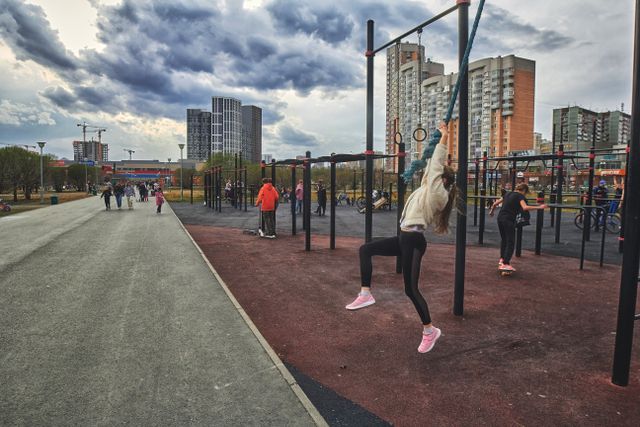
For a generation that spends a significant part of its day connected to smartphones, laptops, social media, and digital entertainment, stepping outside has become an increasingly attractive way to stay active. Outdoor fitness is gaining attention among young people who are looking for exercise experiences that feel less repetitive, more social, and more connected to everyday life. From running and cycling to outdoor yoga, hiking, walking groups, bodyweight workouts, and recreational sports, fitness is increasingly moving beyond traditional gym walls.
The growing interest in outdoor fitness is not simply about exercising in a different location. It reflects a broader change in how younger generations think about health, leisure, social interaction, and wellbeing. Instead of viewing exercise only as a structured workout that must happen inside a fitness centre, many young people are incorporating movement into parks, neighbourhoods, trails, beaches, sports grounds, and open public spaces.
Outdoor fitness can also make physical activity feel more accessible. A pair of comfortable shoes may be enough for walking or running, while parks and public spaces can provide opportunities for bodyweight exercises without expensive equipment or memberships. At the same time, being outdoors can add variety to exercise and create opportunities for social interaction.
As fitness culture continues to evolve, outdoor activity is becoming part of a wider movement toward practical, flexible, and experience-based approaches to health.
From Gym-Centred Fitness to Outdoor Movement
Traditional gyms remain an important part of the fitness industry, but younger people are increasingly exploring alternatives. The modern fitness landscape now includes home workouts, digital fitness platforms, recreational sports, running communities, outdoor boot camps, cycling groups, hiking clubs, and walking challenges.
One reason outdoor fitness appeals to younger people is its flexibility. A person does not necessarily need to plan an entire gym session to become physically active. They can walk to a nearby destination, go for a run in the morning, cycle in the evening, practise yoga in a park, or join friends for a game of football or badminton.
This flexibility changes the perception of exercise. Instead of treating physical activity as a separate obligation, people can incorporate movement into their lifestyle. The result is a more varied understanding of what it means to be fit.
Outdoor exercise can also reduce some of the psychological barriers associated with traditional gym environments. Not everyone enjoys crowded fitness centres, fixed machines, mirrors, or highly structured workout routines. Open spaces can provide a different atmosphere in which people can move at their own pace.
Why Young People Are Looking for More Flexible Fitness
Young adults often balance education, work, commuting, social commitments, and digital responsibilities. A rigid exercise schedule can therefore be difficult to maintain. Outdoor activities can fit more naturally into changing routines.
A student might walk between classes instead of spending additional time travelling to a gym. A young professional might go for a short run before work or take an evening walk after finishing the day’s responsibilities. Friends can meet in a park for a workout or recreational game rather than meeting exclusively in restaurants or cafés.
This flexibility is particularly relevant to people who do not want fitness to dominate their schedules. Short outdoor sessions can still provide opportunities for movement without requiring extensive preparation.
The emphasis is shifting from asking, “How long can I spend exercising?” to “How can I include more movement in my day?” That change can make physical activity feel more realistic and sustainable.
The Appeal of Exercising in Open Spaces
The environment itself is an important part of the outdoor fitness experience. Exercising in a park, on a trail, or along a quiet road can provide a different sensory experience from exercising indoors.
Natural surroundings can make a workout feel less repetitive. A familiar route can change with the weather, season, light, and surroundings. Walking or running outdoors can also combine exercise with exploration, giving people a reason to discover different areas of their neighbourhood or city.
For young people who spend many hours indoors, outdoor exercise can also provide a physical change of environment. Moving from a desk or bedroom to an open space creates a clear separation between sedentary activities and physical activity.
However, outdoor exercise is not automatically better for everyone. Weather conditions, air quality, traffic, safety, accessibility, and availability of public spaces can influence whether outdoor activity is practical. The value of outdoor fitness comes from making movement enjoyable and sustainable rather than treating it as a universal replacement for indoor exercise.
Social Media Is Changing the Outdoor Fitness Culture
Social media has played an important role in the visibility of outdoor fitness. Running routes, hiking experiences, cycling trips, outdoor yoga sessions, fitness challenges, and group workouts are frequently shared online, making these activities more visible to younger audiences.
This can create a sense of community. Someone who sees friends participating in a weekend run or a local fitness challenge may become interested in joining. Digital platforms can also help people discover running groups, cycling communities, sports clubs, hiking routes, and outdoor events.
The relationship between social media and outdoor fitness is therefore interesting. Digital technology, which is often associated with sedentary behaviour, can also encourage people to leave their screens and participate in physical activities.
At the same time, social media can create unrealistic expectations. Carefully edited photographs and highly active lifestyles may make fitness appear more glamorous or effortless than it really is. Young people can benefit from treating online fitness content as inspiration rather than as a standard they must constantly match.
Outdoor Fitness Can Make Exercise More Social
One of the strongest attractions of outdoor fitness is its social potential. Many outdoor activities naturally encourage participation with other people.
Running groups, cycling clubs, hiking communities, outdoor sports teams, and group yoga sessions can turn exercise into a shared experience. Friends can organise informal games, walking sessions, or weekend activities without requiring expensive facilities.
This social dimension can make physical activity more enjoyable. When exercise is connected with friendship and community, people may have additional reasons to participate beyond physical results.
For some young people, the social experience may be just as important as the workout itself. Meeting others, exploring new places, participating in challenges, and spending time outside can make fitness feel like part of a lifestyle rather than a repetitive task.
The Rise of Running and Walking Communities
Running and walking have become particularly accessible forms of outdoor fitness because they require relatively little equipment and can be adapted to different fitness levels.
A beginner can start with short walks and gradually introduce faster walking or jogging. More experienced runners can increase distance, explore different routes, or participate in organised events. Walking groups can also provide a lower-pressure environment for people who are uncomfortable with high-intensity exercise.
The simplicity of these activities is part of their appeal. There are no complicated machines to learn and no requirement to follow a particular workout format. People can adjust pace and duration according to their individual abilities.
For younger people who want fitness to fit around unpredictable schedules, walking and running can be particularly convenient. A short session can be completed near home, around a college campus, or during a break from work.
Outdoor Fitness and Mental Wellbeing
Physical activity is widely recognised as an important part of overall health, and outdoor movement can add environmental and social dimensions to the experience. Spending time outside, moving the body, and temporarily stepping away from screens can create a useful break from sedentary routines.
For young people dealing with academic pressure, workplace demands, and constant digital communication, an outdoor walk or run can provide a change of pace. The activity can create time away from notifications, social media feeds, and computer screens.
Outdoor fitness should not be presented as a solution to every mental health concern. However, incorporating regular physical activity and time outdoors can be part of a broader healthy lifestyle.
The growing popularity of outdoor fitness therefore reflects a wider interest in holistic wellbeing, where physical activity, social connection, environment, and everyday habits are considered together.
Technology Is Still Part of the Outdoor Fitness Experience
Although outdoor fitness takes people away from indoor spaces, technology has not disappeared from the experience. Smartphones, smartwatches, fitness trackers, GPS applications, and digital communities are frequently used to monitor outdoor activities.
Runners can track distance and pace, cyclists can record routes, and walkers can monitor daily activity. Fitness applications can also help users set goals and maintain consistency.
Technology can make outdoor exercise more engaging for people who enjoy measurable progress. However, there is a potential downside when every activity becomes a competition against previous statistics.
A healthy relationship with fitness requires room for both measurement and enjoyment. Not every walk needs to produce a record-breaking distance, and not every run needs to improve on the previous one. Sometimes the value of outdoor movement is simply that it encourages someone to be active.
Outdoor Fitness Can Be More Affordable
Cost is another factor influencing interest in outdoor exercise. Gym memberships, personal training sessions, specialised equipment, and fitness classes can become expensive over time. Outdoor activities can offer lower-cost alternatives.
Walking, running, basic bodyweight exercises, and many forms of recreational movement require minimal equipment. Public parks, walking paths, and open spaces can provide free or relatively inexpensive environments for physical activity.
This does not mean outdoor fitness is completely free. Cycling may require a bicycle and safety equipment, hiking may involve appropriate footwear, and organised activities can involve fees. Nevertheless, many forms of outdoor exercise have relatively low entry barriers.
For students and young adults managing limited budgets, accessibility can make a meaningful difference.
Outdoor Workouts and Bodyweight Training
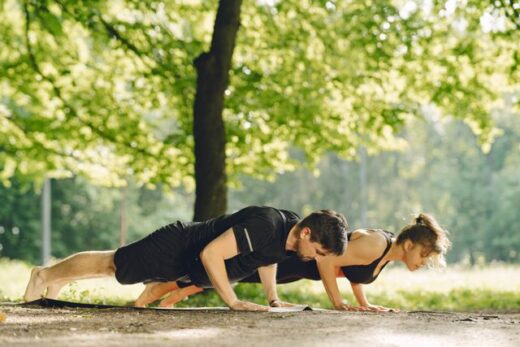
Bodyweight training has also contributed to the growth of outdoor fitness. Exercises such as squats, lunges, push-ups, planks, step-ups, and other movements can be performed in suitable outdoor spaces without large amounts of equipment.
Public fitness parks in some communities provide additional options, including bars and simple exercise structures. These spaces can allow people to develop strength and mobility while enjoying an outdoor environment.
The popularity of bodyweight training also reflects a broader shift toward practical fitness. Instead of believing that effective exercise requires sophisticated equipment, many people are discovering how basic movements can form part of a complete routine.
As with any exercise programme, technique and progression matter. Beginners should start with movements appropriate for their current abilities and gradually increase difficulty rather than attempting advanced exercises immediately.
Adventure and Experience Are Becoming Part of Fitness
Young people are also increasingly interested in fitness experiences that combine exercise with exploration. Hiking, trekking, cycling trips, kayaking, climbing, trail running, and other outdoor activities can turn physical activity into an adventure.
This approach changes the motivation behind exercise. Instead of exercising only to improve appearance or performance, someone may hike because they want to explore a landscape, cycle because they enjoy discovering new routes, or participate in a recreational sport because they enjoy the activity itself.
This experience-based approach can create a stronger connection between movement and everyday enjoyment. Fitness becomes something people do as part of living rather than something they do only as preparation for a particular physical goal.
The Role of Cities and Public Spaces
The growth of outdoor fitness is also connected to the availability and quality of public spaces. Parks, walking paths, cycling infrastructure, sports grounds, and open recreational areas can make active lifestyles easier.
When communities have safe and accessible spaces for movement, people have more opportunities to incorporate physical activity into their routines. Urban design can therefore influence fitness behaviour without requiring individuals to join a gym.
For young people, especially those living in cities, nearby public spaces can become informal fitness environments. A park can function as a walking route, a running track, a yoga space, or a meeting point for a sports group.
This makes outdoor fitness not only an individual lifestyle trend but also a community and urban-planning issue.
Weather and Safety Still Matter
Outdoor fitness has clear advantages, but it also comes with practical challenges. Extreme heat, heavy rain, poor air quality, cold conditions, unsafe roads, and inadequate lighting can affect outdoor exercise.
These factors are particularly important in regions where temperatures can become very high. Exercising during cooler parts of the day, staying hydrated, choosing appropriate clothing, and paying attention to weather conditions can help people make more sensible decisions.
Safety should also remain a priority. People should select appropriate routes, follow traffic rules, use visibility equipment when necessary, and consider exercising with others in unfamiliar or isolated areas.
Outdoor fitness works best when enthusiasm is combined with practical awareness.
A More Sustainable Approach to Fitness
The popularity of outdoor exercise may also reflect a growing interest in sustainable lifestyles. Walking and cycling can serve both as physical activities and as forms of transportation. Choosing active travel for appropriate journeys can integrate movement into everyday routines.
This creates a useful connection between personal health and daily life. Instead of finding extra time for exercise, people can sometimes build movement into activities they already need to complete.
However, sustainability should not become another source of pressure. Not every person has access to safe cycling routes or walkable destinations. Individual circumstances vary, and the goal should be to identify realistic opportunities for movement.
What the Outdoor Fitness Trend Says About Modern Health
The growth of outdoor fitness suggests that the definition of health is becoming broader. Fitness is increasingly connected to social interaction, mental wellbeing, environmental experiences, affordability, convenience, and lifestyle design.
Young people are not necessarily rejecting traditional gyms. Instead, many are expanding their choices. A person may strength-train indoors during the week, go for a weekend hike, play a sport with friends, and walk regularly as part of daily life.
This mixed approach can provide variety and reduce the pressure to rely on a single form of exercise.
The future of fitness may therefore be less about choosing between indoor and outdoor exercise and more about creating routines that combine different forms of movement according to personal preferences and circumstances.
Conclusion
The growing popularity of outdoor fitness among young people reflects a significant shift in how exercise is experienced. Walking, running, cycling, hiking, outdoor yoga, recreational sports, and bodyweight workouts offer alternatives to traditional gym-based routines while creating opportunities for social connection, exploration, flexibility, and time away from screens.
Outdoor fitness is attractive because it can be simple and adaptable. A person does not always need expensive equipment or a complex programme to become more active. A nearby park, walking route, sports ground, or open space can provide an opportunity to move.
At the same time, outdoor fitness is not a universal solution, and factors such as weather, safety, accessibility, air quality, and individual preferences must be considered. The most useful approach is to view outdoor movement as another valuable option within a balanced fitness lifestyle.
For a generation growing up in an increasingly digital world, choosing to move outdoors represents more than a change in workout location. It reflects a desire to make fitness more flexible, social, enjoyable, and connected to everyday life. As this mindset continues to develop, the future of fitness may increasingly take place not only inside gyms, but also on streets, trails, parks, sports grounds, and the many open spaces where people live and connect.
Online Internship with Certificate
You may be interested
From Meditation to Breathwork: The New Language of Everyday Wellness
Anshika Jain - September 16, 2026Wellness has gradually moved beyond the traditional idea of simply exercising regularly and eating nutritious food. Today, people are paying greater attention to how they manage stress,…
Desk Yoga: Simple Movement Ideas for People Who Sit All Day
Anshika Jain - September 16, 2026Modern work and study routines have made sitting for long periods a normal part of everyday life. Office employees may spend most of their working hours at…
Why Recovery Is Becoming as Important as Exercise
Anshika Jain - September 16, 2026For years, fitness culture has focused heavily on training harder, exercising more frequently, and pushing the body beyond its comfort zone. Whether the goal is building muscle,…
Most from this category

The Rise of the Quantified Self: Why People Are Measuring Everything About Their Health
Anshika Jain - September 15, 2026

Your Plate Has Data: How AI Is Turning Food Into Health Information
Anshika Jain - September 15, 2026
Fitness Without Equipment: Can Everyday Movement Keep You Active?
Anshika Jain - September 16, 2026The Rise of the Quantified Self: Why People Are Measuring Everything About Their Health
Anshika Jain - September 15, 2026
From Meditation to Breathwork: The New Language of Everyday Wellness
September 16, 2026
Desk Yoga: Simple Movement Ideas for People Who Sit All Day
September 16, 2026
Why Recovery Is Becoming as Important as Exercise
September 16, 2026
Fitness Without Equipment: Can Everyday Movement Keep You Active?
September 16, 2026
.png)
Leave a Comment
You must be logged in to post a comment.