
Desk Yoga: Simple Movement Ideas for People Who Sit All Day

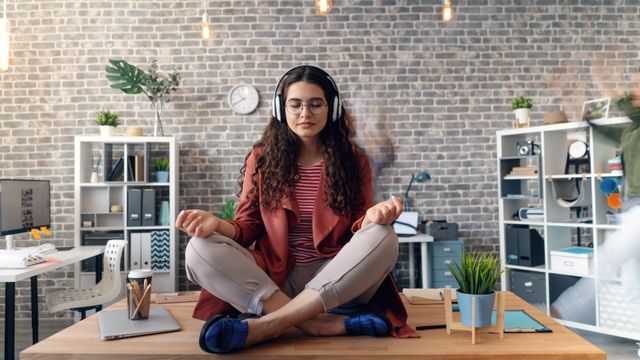
Modern work and study routines have made sitting for long periods a normal part of everyday life. Office employees may spend most of their working hours at a desk, while students can remain seated for lectures, assignments, online classes, and screen-based study. Remote workers and freelancers may also spend extended periods in front of computers without realizing how little they move throughout the day. Although sitting itself is not necessarily harmful when balanced with regular movement, prolonged periods of inactivity can contribute to stiffness, discomfort, poor posture, and a feeling of physical fatigue.
This is where desk yoga can offer a practical approach to movement. Desk yoga refers to simple yoga-inspired stretches, mobility exercises, breathing practices, and posture-focused movements that can be performed during the working or study day. Many of these movements require very little space and do not require a yoga mat or special equipment. The goal is not to replace a complete fitness routine but to introduce small periods of movement into otherwise sedentary schedules.
For people who sit for several hours each day, desk yoga can become a simple way to interrupt long periods of stillness. A few minutes of movement between tasks can encourage people to change position, move their joints, relax tense muscles, and become more aware of how they are sitting. When practiced consistently and comfortably, these small habits can become part of a healthier daily routine.
Why Sitting for Long Periods Can Affect the Body
The human body is designed to move in many different directions rather than remain in one position for hours. When someone sits at a desk for an extended period, the hips and knees remain bent, the spine may stay in a relatively fixed position, and the shoulders can gradually move forward while working at a computer. Over time, this can create feelings of tightness, particularly around the neck, shoulders, upper back, hips, and lower back.
The problem is often not one specific sitting position but the lack of movement. Even a relatively comfortable posture can become uncomfortable when maintained for too long. People may become so focused on work, studying, meetings, or screen activities that they do not notice how much time has passed since they last stood up or changed position.
Long periods of sitting can also influence how energetic a person feels during the day. When work becomes associated with remaining in one position for several hours, movement may be postponed until the end of the day. Desk yoga provides an opportunity to introduce movement before discomfort becomes a reason to stop working.
What Is Desk Yoga?
Desk yoga is a workplace- or study-friendly adaptation of simple yoga movements and principles. It can include seated stretches, standing movements, gentle spinal mobility, shoulder exercises, breathing techniques, and short moments of mindful relaxation. The emphasis is on accessibility rather than advanced yoga postures.
Unlike a traditional yoga session, desk yoga does not require a dedicated workout environment. A person can perform several movements while sitting in a stable chair or standing beside a desk. Some exercises take less than a minute, while a short sequence can take five to ten minutes.
The most important principle is comfort. Desk yoga should involve gentle movement rather than forcing the body into deep stretches. The objective is to move areas that have remained still and create opportunities to reset posture and physical awareness during the day.
Neck and Shoulder Release for Screen Users
The neck and shoulders are among the areas that can become tense during prolonged computer use. People often lean toward screens, raise their shoulders unconsciously, or keep their head in one position while reading. Gentle neck and shoulder movements can provide a useful break from this static posture.
A simple seated neck stretch can begin with sitting upright and allowing the shoulders to relax. Slowly tilt the head toward one shoulder without lifting the opposite shoulder. The movement should remain gentle, with no pulling or forcing. After returning to the centre, the movement can be repeated on the other side. Slow head turns can also encourage comfortable neck mobility.
Shoulder rolls are another easy movement. While sitting or standing, gently roll the shoulders upward, backward, and downward before returning them to a relaxed position. Repeating this movement several times can provide a simple physical break from keyboard and mouse work.
The purpose of these movements is not to stretch as deeply as possible. Gentle mobility performed regularly is generally more appropriate for a desk environment than aggressive stretching.
Seated Cat-Cow for Spinal Mobility
A seated version of cat-cow can be adapted for people who want to introduce movement into the spine without leaving their chair. Sit toward the front or middle of a stable chair with the feet comfortably placed on the floor. On a slow inhale, gently lengthen the spine and open the chest. On the exhale, gently round the upper back and allow the head and shoulders to move naturally with the spine.
The movement can be repeated slowly for several breaths. It encourages awareness of the spine and provides a change from maintaining one fixed posture.
This exercise should be performed within a comfortable range. People with existing spinal problems, recent injuries, or pain should avoid movements that aggravate their symptoms and consider professional guidance before starting new exercises.
Seated Side Stretch
A seated side stretch can help introduce movement into the sides of the torso after prolonged desk work. Begin by sitting upright with both feet supported. Raise one arm overhead and gently lean toward the opposite side while keeping the movement controlled. The stretch should be felt comfortably along the side of the body rather than as a sharp sensation.
Return to the centre and repeat on the other side. This simple movement can be incorporated into a short break between emails, study sessions, or meetings.
The value of the side stretch comes partly from changing the position of the torso. Desk work often involves repetitive forward-facing movements, so introducing gentle side-to-side mobility can make a short movement break feel more varied.
Wrist and Hand Movements for Keyboard Users
Desk movement should not focus only on large muscle groups. People who spend hours typing, writing, designing, coding, or using a mouse also rely heavily on their hands and wrists.
Simple wrist circles can be performed slowly in both directions. Opening and closing the hands gently can also provide movement after extended typing. Another option is to extend one arm forward with the palm facing upward and gently move the fingers or wrist within a comfortable range.
These movements should never be forced. If someone experiences persistent wrist pain, numbness, tingling, weakness, or other concerning symptoms, stretching should not be treated as a substitute for professional assessment.
Seated Hip Stretch
The hips remain in a bent position while sitting, which can contribute to a feeling of tightness for some people. A gentle seated hip stretch can provide a change of position without requiring much space.
One simple variation involves sitting upright and placing one ankle over the opposite thigh, provided this position is comfortable and stable. The person can maintain an upright spine and gently lean forward until a comfortable stretch is felt around the hip. The position should not cause pain, and the movement should be avoided if it feels unstable or uncomfortable.
For people who find this position difficult, simply standing up and taking a short walk can be an easier alternative. Desk yoga should remain adaptable rather than forcing everyone to perform the same movement.
Standing Forward Fold
A standing forward fold can provide a transition from sitting to standing while gently moving the back and legs. Stand with the feet comfortably positioned and slowly hinge forward from the hips, allowing the upper body to move downward only as far as feels comfortable.
There is no need to touch the floor. People can keep the knees slightly bent and allow the arms to relax. After a few comfortable breaths, slowly return to a standing position.
Because the head moves downward during this movement, people who experience dizziness or balance problems should be cautious. A supported or seated alternative may be more appropriate.
Gentle Standing Backbend
After hours of leaning toward a computer, a gentle standing chest-opening movement can provide a different posture. Stand comfortably with the feet stable and place the hands on the hips or allow the arms to rest by the sides. Slowly lengthen through the upper body and gently draw the shoulders back without compressing the lower back.
The movement should be subtle rather than a dramatic backbend. The objective is to open the front of the body and change the position that has been maintained during desk work.
This type of movement can be especially useful as a transition between a long period of screen work and another activity.
Seated Spinal Twist
A gentle seated twist can introduce rotational movement into a routine dominated by forward-facing activity. Sit upright with both feet on the floor. Place one hand on the opposite thigh and gently rotate the upper body toward that side while keeping the movement controlled.
The twist should come primarily from the comfortable movement of the torso rather than from pulling aggressively with the arms. Return to the centre and repeat on the other side.
The movement should remain within a pain-free range. People with spinal injuries or specific medical conditions should seek professional advice before adding twisting exercises to their routine.
Ankle and Leg Movements
The lower body can easily be overlooked during desk work. Simple ankle movements can help break up periods of inactivity. While seated, a person can lift one foot slightly and slowly move the ankle through a comfortable range before changing sides.
Standing calf raises are another straightforward option. Hold the desk or another stable surface if needed and slowly rise onto the balls of the feet before lowering the heels. The movement can be repeated comfortably without rushing.
These exercises are particularly easy to integrate into short breaks because they require little space and minimal preparation.
Desk Yoga and Breathing
Desk yoga does not have to involve movement all the time. Breathing practices can also provide a short mental and physical pause during a busy day.
One simple approach is to sit comfortably, relax the shoulders, and take slow, comfortable breaths while paying attention to the movement of the abdomen and rib cage. Rather than trying to force extremely deep breaths, focus on breathing smoothly and without rushing.
Combining breathing with gentle movement can make a short desk break feel more intentional. A person might perform a few shoulder rolls, follow them with several slow breaths, and then return to work with greater awareness of posture and tension.
Creating a Five-Minute Desk Yoga Routine
A desk yoga routine does not need to be complicated. A five-minute break can begin with several slow shoulder rolls and gentle neck movements. This can be followed by seated spinal movement, a side stretch, wrist mobility, and a comfortable seated twist. The person can then stand up, stretch the legs, and take a few slow breaths before returning to the desk.
The exact sequence is less important than consistency. Someone who performs a few simple movements several times during the day may find the habit easier to maintain than someone who attempts a long routine once and then forgets about movement for the rest of the week.
The routine can also be adapted according to the demands of the day. A student might use movement breaks between study chapters, while an office worker could use them between meetings. Remote workers can associate short movement sessions with natural transitions such as completing a task, taking a break from a screen, or preparing for lunch.
The Importance of Movement Breaks
Desk yoga works best when it is part of a broader movement strategy. Stretching for a few minutes does not completely offset spending the remainder of the day sitting. Regularly standing, walking, changing positions, and participating in physical activity outside work are also important parts of an active lifestyle.
Small movement breaks can therefore be viewed as interruptions to sedentary behaviour rather than replacements for exercise. Walking to another room, using stairs when appropriate, taking a short walk during a break, or standing while speaking on the phone can all contribute to a more varied day.
The larger goal is to avoid thinking about movement as something that can happen only during a dedicated workout. Everyday activity can be distributed throughout the day.
Making Desk Yoga a Sustainable Habit
One of the biggest challenges is remembering to move. Work and study can easily absorb attention, causing people to postpone breaks. Creating simple environmental reminders can make the habit easier. A person might associate movement with specific activities, such as completing a meeting, finishing a chapter, drinking water, or taking a screen break.
It is also useful to keep the routine realistic. If an exercise requires moving furniture or changing clothes, it may be difficult to perform regularly in a busy workplace. Movements that can be performed safely beside a desk are more likely to become part of a daily routine.
Consistency matters more than complexity. Desk yoga should fit into real life rather than becoming another demanding task on an already crowded schedule.
Desk Setup Still Matters
Movement cannot completely compensate for an uncomfortable workstation. Desk yoga works alongside good ergonomic habits rather than replacing them. A suitable chair, comfortable screen position, appropriate keyboard and mouse placement, and adequate lighting can make prolonged computer work more manageable.
The body should also not be expected to remain perfectly still in a supposedly ideal posture. Even a well-arranged workstation benefits from regular changes in position. A person can sit upright for a period, shift comfortably, stand briefly, walk around, and return to the desk.
This combination of a sensible workspace and regular movement is more practical than attempting to maintain one rigid posture throughout the entire day.
Who Can Try Desk Yoga?
Desk yoga can be useful for a wide range of people who spend substantial portions of their day sitting. Office employees, students, programmers, writers, designers, teachers, remote workers, freelancers, and people working in administrative roles may all find simple movement breaks practical.
However, individual physical abilities vary. People with injuries, chronic pain, balance problems, recent surgery, or other medical concerns should consider professional guidance before beginning unfamiliar exercises. Pain should not be ignored or treated as evidence that a stretch is working.
Desk yoga should also not be presented as a treatment for a medical condition. Its primary role is to encourage gentle movement, posture awareness, and regular breaks from prolonged sitting.
The Bigger Idea Behind Desk Yoga
The popularity of desk yoga reflects a broader change in how people think about everyday fitness. Physical activity does not always have to involve a gym, a long workout, or specialised equipment. Movement can also happen in small amounts throughout the day.
For people who sit for work or study, this perspective can be particularly useful. A five-minute movement break may seem insignificant compared with a full exercise session, but repeated movement opportunities can make a sedentary day more active and varied.
Desk yoga also encourages people to pay attention to their bodies. Tight shoulders, a stiff back, tired legs, or discomfort after hours of screen use can serve as reminders that the body needs a change of position. Responding to those signals with gentle movement can become a healthier workplace or study habit.
Conclusion
Desk yoga offers a simple way to bring movement into routines dominated by sitting. Gentle neck stretches, shoulder rolls, seated spinal movements, side stretches, wrist exercises, hip mobility, standing movements, and breathing practices can all be adapted to a desk environment. Most require little space and can be performed without specialised equipment.
The real value of desk yoga lies in making movement easier to include in everyday life. Instead of waiting until the end of a long workday to become active, people can create small opportunities to stand, stretch, walk, breathe, and change position throughout the day.
Online Internship with Certificate
You may be interested
From Meditation to Breathwork: The New Language of Everyday Wellness
Anshika Jain - September 16, 2026Wellness has gradually moved beyond the traditional idea of simply exercising regularly and eating nutritious food. Today, people are paying greater attention to how they manage stress,…
Why More Young People Are Choosing Outdoor Fitness
Anshika Jain - September 16, 2026For a generation that spends a significant part of its day connected to smartphones, laptops, social media, and digital entertainment, stepping outside has become an increasingly attractive…
Why Recovery Is Becoming as Important as Exercise
Anshika Jain - September 16, 2026For years, fitness culture has focused heavily on training harder, exercising more frequently, and pushing the body beyond its comfort zone. Whether the goal is building muscle,…
Most from this category

The Rise of the Quantified Self: Why People Are Measuring Everything About Their Health
Anshika Jain - September 15, 2026

Your Plate Has Data: How AI Is Turning Food Into Health Information
Anshika Jain - September 15, 2026
Fitness Without Equipment: Can Everyday Movement Keep You Active?
Anshika Jain - September 16, 2026The Rise of the Quantified Self: Why People Are Measuring Everything About Their Health
Anshika Jain - September 15, 2026
From Meditation to Breathwork: The New Language of Everyday Wellness
September 16, 2026
Why More Young People Are Choosing Outdoor Fitness
September 16, 2026
Why Recovery Is Becoming as Important as Exercise
September 16, 2026
Fitness Without Equipment: Can Everyday Movement Keep You Active?
September 16, 2026
.png)
Leave a Comment
You must be logged in to post a comment.