
From Meditation to Breathwork: The New Language of Everyday Wellness

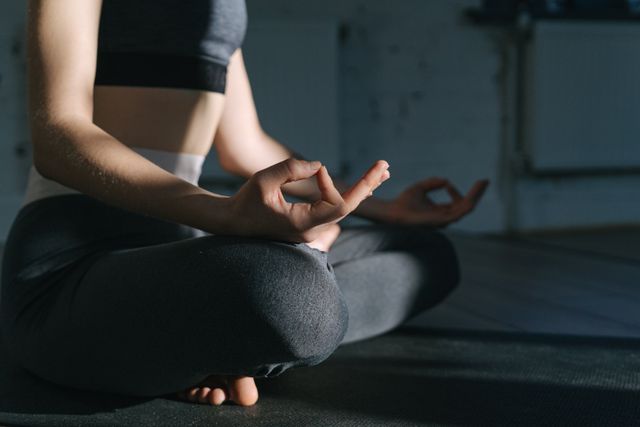
Wellness has gradually moved beyond the traditional idea of simply exercising regularly and eating nutritious food. Today, people are paying greater attention to how they manage stress, process emotions, sleep, focus, recover, and create moments of calm in increasingly demanding routines. As work, education, digital communication, and social responsibilities continue to occupy more of everyday life, practices such as meditation, breathwork, mindfulness, stretching, yoga, and relaxation are becoming part of the broader conversation around everyday wellness.
Among these practices, meditation and breathwork have received particular attention because they can be practiced almost anywhere and require very little equipment. A person does not necessarily need a gym membership, a dedicated room, or an extensive schedule to spend a few minutes sitting quietly or focusing on their breathing. This accessibility has helped transform these practices from activities associated primarily with spiritual or formal settings into tools that many people now consider part of their everyday self-care routines.
The growing interest is also changing the language of wellness. Instead of focusing exclusively on physical appearance, weight, or athletic performance, people are increasingly discussing concepts such as nervous-system regulation, mindful breathing, emotional balance, mental clarity, recovery, presence, and sustainable habits. This shift does not mean that traditional exercise and nutrition have become less important. Rather, it reflects a broader understanding that wellbeing involves several interconnected dimensions of daily life.
The Changing Meaning of Everyday Wellness
For many years, wellness was often presented through a relatively narrow set of ideas. Exercise programs, weight-management plans, diet trends, and beauty routines dominated much of the popular conversation. While physical health remains an essential part of wellbeing, the modern wellness conversation increasingly recognizes that people also need ways to manage the mental demands of everyday life.
A busy professional may be physically inactive during a long workday but mentally exhausted from meetings and deadlines. A student may spend hours studying while dealing with academic pressure and uncertainty about the future. Parents may have limited opportunities for uninterrupted personal time. Even people who exercise regularly can experience stress, poor sleep, or difficulty switching off from constant digital stimulation.
This has created demand for practices that can fit into ordinary routines. Meditation and breathwork appeal to many people because they can be adapted to short periods of time. A few minutes of deliberate breathing or quiet attention can become a transition between work and rest, study and recreation, or a demanding activity and the next part of the day.
Meditation Moves Into Everyday Life
Meditation is not a single technique. It encompasses a range of practices involving attention, awareness, concentration, contemplation, or observation. Some forms involve focusing attention on breathing, while others involve noticing thoughts without immediately reacting to them. Guided meditation may use spoken instructions, while other approaches encourage periods of quiet observation.
The growing popularity of meditation has made it increasingly common in everyday settings. People may meditate after waking up, during a lunch break, before sleeping, or after completing work. Mobile applications and online platforms have also made guided sessions widely accessible, allowing beginners to experiment with different approaches without attending a formal class.
One reason meditation can fit easily into modern routines is that it does not necessarily require a long session. Someone beginning a practice may choose a few minutes of quiet attention rather than attempting a lengthy session immediately. The emphasis can be on developing consistency and familiarity rather than treating meditation as another demanding task.
What Makes Breathwork Different?
Breathwork generally refers to intentional breathing practices in which the rhythm, depth, pace, or awareness of breathing is deliberately changed or observed. Different traditions and modern approaches use different breathing patterns for different purposes. Some involve slow, gentle breathing, while others use more structured or vigorous patterns.
At its simplest, breath awareness can involve noticing the natural breath without attempting to change it. A person can sit comfortably and pay attention to the sensation of inhaling and exhaling. This creates a straightforward way of bringing attention away from distractions and toward a physical process that is continuously happening.
Other breathing exercises may deliberately slow or structure the breath. Because breathing is closely connected with the body’s physiological processes, people often use breathing exercises as part of relaxation, preparation, or mindful transitions. However, breathwork is not universally suitable in every form, and more intense techniques should be approached carefully, particularly by people with relevant health conditions.
Why Breathing Has Become a Wellness Conversation
Breathing is unusual among bodily functions because it happens automatically while also being something people can consciously influence. This makes it a convenient focus for practices involving attention and relaxation.
During a busy day, people may barely notice how they are breathing. They may move rapidly from one task to another while remaining mentally engaged with emails, notifications, conversations, deadlines, or social media. Taking a deliberate pause to notice the breath can create a moment of separation from that constant stream of information.
This does not mean that breathing exercises solve every source of stress. Rather, they can provide a simple behavioural tool for creating intentional pauses. The value may come partly from the act of stopping, sitting, paying attention, and stepping away from immediate distractions.
From Performance to Presence
One of the most interesting changes in wellness culture is the growing emphasis on presence rather than performance. Traditional fitness often involves measurable outcomes such as distance, repetitions, strength, speed, or calories. These measurements can be useful, but not every wellness activity needs to produce a performance score.
Meditation introduces a different framework. The objective is often not to achieve a physical milestone but to develop awareness of the present moment. Similarly, gentle breathing practices are generally not about competing with another person or achieving a particular physical appearance.
This creates space for a less competitive understanding of wellness. A person can practice for a few minutes simply because they want to create a pause in their day. The activity becomes less about proving what the body can accomplish and more about noticing how the person is experiencing the moment.
The Role of Mindfulness
Mindfulness is another term that has become common in modern wellness discussions. In general, mindfulness involves intentionally paying attention to present experiences with awareness rather than automatically reacting to them.
Meditation and breathwork can both be used as ways of practicing mindfulness. A person focusing on breathing may notice physical sensations, distractions, sounds, or thoughts and then gently return attention to the breath. This repeated process can make the practice less about eliminating thoughts and more about becoming aware of where attention goes.
This distinction is important because beginners sometimes assume that successful meditation means having a completely empty mind. In reality, thoughts and distractions are normal. The practice can involve noticing them and returning attention to the chosen focus without becoming frustrated by their presence.
Wellness in the Workplace
The workplace has become an important environment for the expansion of everyday wellness practices. Long periods of screen use, meetings, deadlines, and sedentary work can create a routine in which employees move from one task to another without meaningful pauses.
Some workplaces have introduced wellness initiatives involving mindfulness sessions, quiet spaces, breathing exercises, yoga, or other activities. Individuals may also develop personal routines without formal workplace programs. A short breathing exercise before a meeting, a few moments of mindfulness after completing a difficult task, or a brief meditation during a break can become a practical transition.
However, workplace wellness should not become another source of pressure. Employees may have different beliefs, preferences, schedules, and physical needs. Wellness activities are most useful when participation is practical and voluntary rather than presented as another performance expectation.
Students Are Discovering Mindful Practices Too
Students also face increasingly complex routines. Academic work, examinations, digital learning, social expectations, career preparation, and constant online communication can make it difficult to establish periods of uninterrupted attention.
Meditation and breathing practices may offer students a simple way to introduce intentional pauses into study schedules. A short period of quiet breathing before studying can become a transition into focused work, while a brief relaxation practice after studying can mark the end of an academic session.
The broader lesson is that wellness does not have to be separated from education. Learning requires attention, energy, rest, and sustainable routines. Practices that encourage students to pause and become aware of their physical and mental state can complement broader approaches to healthy study habits.
Digital Wellness Meets Mindfulness
The rise of meditation and breathwork is happening alongside another major wellness trend: digital wellbeing. Smartphones and digital platforms have made information, entertainment, communication, and work available almost continuously. This convenience can also make it difficult for people to experience genuine periods without notifications or stimulation.
Mindfulness can provide a counterbalance to this environment. A meditation session may create a period in which the phone is placed aside and attention is deliberately redirected toward the present moment. Similarly, breathing exercises can be performed without a screen once the technique has been learned.
This creates an interesting relationship between technology and wellness. Technology can encourage distraction, but it can also provide tools for meditation timers, guided sessions, breathing reminders, and educational resources. The challenge is to use technology intentionally rather than allowing wellness itself to become another source of continuous screen engagement.
The Rise of Short Wellness Practices
Modern lifestyles have encouraged the popularity of shorter wellness practices. People who believe they cannot dedicate thirty or sixty minutes to meditation may be more willing to try a five-minute session. Someone who cannot attend a yoga class every day may still find time for a few stretches and breathing exercises.
This trend reflects an important principle of sustainable habits: activities that fit naturally into existing routines may be easier to maintain. A short practice can be performed before breakfast, during a work break, after returning home, or before bedtime.
The goal should not be to assume that shorter is always better. Longer practices can have their own value for people who enjoy them. The important point is that wellness does not have to be all-or-nothing. A small amount of intentional practice can be a starting point for people who otherwise do nothing.
Wellness Is Becoming More Personal
Another defining feature of modern wellness is personalization. People are increasingly recognizing that the same routine does not work equally well for everyone. One person may enjoy running, another may prefer walking, and someone else may find yoga or strength training more enjoyable.
The same applies to meditation and breathwork. Some people prefer guided meditation, while others prefer silence. Some may enjoy structured breathing exercises, while others find simple breath awareness more comfortable. Personal schedules, cultural backgrounds, physical abilities, and individual preferences all influence which practices feel sustainable.
This personalization can make wellness more realistic. Instead of following every trend, people can identify practices that genuinely fit their lives. A routine that can be repeated consistently is often more practical than an ambitious program that becomes difficult to maintain.
The Importance of Scientific Awareness
As meditation and breathwork become more popular, it is also important to distinguish evidence-based information from exaggerated wellness claims. Popular wellness content sometimes presents breathing techniques or meditation as solutions for a wide range of physical and psychological problems. Such claims should be approached carefully.
Research has explored meditation, mindfulness, breathing practices, and related interventions in various contexts, but outcomes can differ depending on the technique, individual, duration, and circumstances. These practices should not automatically be presented as substitutes for medical or mental healthcare when professional treatment is needed.
A responsible approach to wellness combines curiosity with realistic expectations. Meditation and breathwork can be considered supportive habits, but people should seek qualified medical or mental-health guidance for persistent or serious concerns.
Breathwork Requires Appropriate Boundaries
The popularity of breathwork has also produced a wide range of techniques, from simple slow breathing to more intensive practices involving prolonged or rapid breathing patterns. These approaches are not interchangeable.
Gentle breathing awareness is generally straightforward for many people, but more intense breathwork can produce strong physical sensations such as light-headedness or tingling. Individuals with certain health conditions may need to avoid particular techniques or seek professional advice before practicing them.
This is why wellness content should avoid presenting every breathwork method as universally safe. Beginners can start with simple, comfortable breathing awareness rather than experimenting immediately with advanced techniques. The focus should remain on safety, comfort, and appropriate guidance.
Building a Modern Wellness Routine
A modern wellness routine does not need to consist entirely of meditation or breathwork. These practices can exist alongside movement, nutritious food, sleep, social connection, outdoor activity, and regular breaks from screens.
For example, someone might begin the morning with a few minutes of quiet breathing, take movement breaks during work, walk outdoors in the evening, and use a short meditation before bed. Another person might prefer a completely different structure.
The key is to think of wellness as a collection of sustainable behaviours rather than one perfect routine. Physical activity supports the body, rest allows recovery, nutritious food provides essential resources, and mindfulness practices can create opportunities for awareness and intentional pauses.
The Future of Everyday Wellness
The language of wellness is likely to continue evolving. As people become more aware of the connections between physical activity, sleep, stress, attention, environment, and digital behaviour, wellness may become less focused on individual trends and more focused on the overall quality of daily life.
Meditation and breathwork are part of this broader evolution. Their growing popularity demonstrates that many people are looking for accessible practices that can be incorporated into ordinary routines. The appeal is not necessarily about achieving a perfect state of calm. It can simply be about creating moments in which people stop, breathe, notice, and reconnect with the present.
Technology will also continue to influence this space. Wearable devices, meditation applications, digital coaching platforms, and AI-based wellness tools may provide increasingly personalized recommendations. At the same time, the most valuable wellness practices may remain remarkably simple and human: breathing slowly, walking outside, stretching, resting, talking to someone, and taking a genuine break.
Conclusion
From meditation to breathwork, everyday wellness is developing a broader vocabulary. The conversation is moving beyond exercise and diet to include attention, breathing, recovery, mindfulness, emotional balance, digital wellbeing, and the ability to create meaningful pauses during busy days.
Meditation can encourage people to observe their experiences, while breathwork can provide a simple way to bring deliberate attention to breathing. Neither needs to become a complicated lifestyle project. For many people, their value lies in how easily they can be adapted to everyday life.
The modern approach to wellness is ultimately less about finding one perfect technique and more about developing sustainable habits that support a balanced life. A few minutes of mindful breathing, a short meditation, a walk away from the screen, or a quiet moment between tasks may seem small, but these practices can change how people approach the rhythm of their day. As wellness continues to evolve, the ability to pause, pay attention, and care for both body and mind is likely to remain at the centre of the conversation.
Online Internship with Certificate
You may be interested
Desk Yoga: Simple Movement Ideas for People Who Sit All Day
Anshika Jain - September 16, 2026Modern work and study routines have made sitting for long periods a normal part of everyday life. Office employees may spend most of their working hours at…

Why More Young People Are Choosing Outdoor Fitness
Anshika Jain - September 16, 2026For a generation that spends a significant part of its day connected to smartphones, laptops, social media, and digital entertainment, stepping outside has become an increasingly attractive…

Why Recovery Is Becoming as Important as Exercise
Anshika Jain - September 16, 2026For years, fitness culture has focused heavily on training harder, exercising more frequently, and pushing the body beyond its comfort zone. Whether the goal is building muscle,…
Most from this category


The Rise of the Quantified Self: Why People Are Measuring Everything About Their Health
Anshika Jain - September 15, 2026

Your Plate Has Data: How AI Is Turning Food Into Health Information
Anshika Jain - September 15, 2026
Fitness Without Equipment: Can Everyday Movement Keep You Active?
Anshika Jain - September 16, 2026The Rise of the Quantified Self: Why People Are Measuring Everything About Their Health
Anshika Jain - September 15, 2026
Desk Yoga: Simple Movement Ideas for People Who Sit All Day
September 16, 2026
Why More Young People Are Choosing Outdoor Fitness
September 16, 2026
Why Recovery Is Becoming as Important as Exercise
September 16, 2026
Fitness Without Equipment: Can Everyday Movement Keep You Active?
September 16, 2026
.png)
Leave a Comment
You must be logged in to post a comment.