
Why Your Bedroom Is Becoming a Wellness Space


The modern bedroom is changing from a place used primarily for sleeping into a personal environment designed to support physical health, mental relaxation, emotional balance, and overall well-being. As people become more aware of the relationship between their surroundings and their health, the bedroom is increasingly being treated as a wellness space. Comfortable furniture, calming lighting, better air quality, natural materials, smart devices, and mindful routines are influencing how individuals design and use their bedrooms.
In the past, bedroom design often focused on appearance, storage, and convenience. Today, many people are paying greater attention to how their bedrooms make them feel and how effectively the space supports rest and recovery. Long working hours, digital screen exposure, stress, irregular schedules, and limited personal time have encouraged people to create private spaces where they can disconnect from daily pressures.
The wellness bedroom trend is not limited to luxury homes or expensive interior designs. It can include simple changes such as reducing clutter, improving ventilation, choosing comfortable bedding, controlling light, and creating boundaries around work and technology. The purpose is to make the bedroom more supportive of healthy habits while recognizing that wellness involves more than decoration. A thoughtfully designed bedroom can encourage better sleep, relaxation, and personal routines, although the environment must work alongside broader lifestyle and health practices.
The Changing Meaning of a Bedroom
A bedroom has traditionally been associated with sleeping, dressing, and storing personal belongings. However, modern lifestyles have expanded its purpose. Many people now use their bedrooms for reading, meditation, stretching, remote work, journaling, and relaxation. This multifunctional use has made bedroom design more important because the same environment may influence productivity during the day and rest at night.
The increasing interest in wellness reflects a wider shift in how people understand health. Wellness is no longer considered only a matter of exercise and nutrition. It also includes emotional well-being, stress management, sleep quality, environmental comfort, and the ability to create healthy routines. Since individuals spend a significant amount of time in their bedrooms, the space has become a natural focus for these concerns.
The COVID-19 pandemic also influenced the way people viewed their homes. Remote work, online education, and reduced outdoor activities caused many individuals to spend more time indoors. Bedrooms sometimes became temporary offices, classrooms, and personal retreats. This experience encouraged people to reconsider how their living environments could support different needs without compromising rest and privacy.
Sleep as the Foundation of Bedroom Wellness
Sleep is one of the main reasons why bedrooms are becoming wellness-focused spaces. Adequate and consistent sleep supports physical recovery, concentration, memory, emotional regulation, and daily performance. However, sleep can be affected by environmental conditions such as noise, temperature, light, mattress comfort, and air quality.
A wellness-oriented bedroom aims to create conditions that make restful sleep easier. Comfortable bedding, suitable room temperature, reduced noise, and limited exposure to bright light can help establish a sleep-supportive environment. These changes do not guarantee perfect sleep, but they may reduce common environmental distractions.
The bedroom should also communicate a sense of rest. When people associate the space with work, stress, entertainment, or constant notifications, it may become harder to mentally transition into sleep. Creating a clear separation between rest and other activities can help reinforce healthier habits. For example, using a dedicated workspace outside the bedroom, when possible, may prevent professional responsibilities from dominating the sleeping environment.
The Influence of Lighting on Well-Being
Lighting plays an important role in the atmosphere of a bedroom and can influence daily routines. Bright light during the day can support alertness, while lower and warmer lighting in the evening may create a calmer environment. Natural daylight is particularly valuable because it helps people maintain awareness of the difference between daytime and nighttime.
Many wellness-focused bedrooms use layered lighting instead of relying on a single bright ceiling light. Bedside lamps, adjustable fixtures, and dimmable lights allow individuals to modify the environment according to their needs. Softer lighting in the evening can support a relaxing routine, especially when combined with reduced screen exposure.
Blackout curtains or blinds may be useful for individuals who are sensitive to outside light or work schedules that require daytime sleep. However, complete darkness is not necessary for every person. The ideal arrangement depends on individual preferences, location, lifestyle, and sleeping habits. The goal is to create a lighting environment that supports comfort and a consistent sleep schedule.
The Role of Comfortable Bedding and Furniture
Furniture and bedding directly influence physical comfort. A mattress that does not provide appropriate support, an unsuitable pillow, or uncomfortable bedding may contribute to disturbed sleep or morning discomfort. Wellness-focused bedroom design therefore places greater emphasis on choosing products according to personal needs rather than selecting them only for appearance.
Mattress preferences vary considerably. Some people prefer a firm sleeping surface, while others find a medium or softer option more comfortable. Sleeping position, body structure, personal preference, and existing physical concerns may influence the choice. There is no single mattress type that works equally well for everyone.
Bedding materials can also affect comfort, particularly in regions with warm or humid climates. Breathable fabrics may help manage heat, while suitable blankets can provide comfort during colder weather. Regularly washing bedding and maintaining a clean sleeping surface are important parts of bedroom hygiene.
Furniture arrangement matters as well. A bedroom with enough space to move around can feel less crowded and easier to maintain. Clear pathways, practical storage, and appropriate furniture placement can reduce inconvenience and contribute to a calmer environment.
Decluttering and Mental Relaxation
Clutter can influence how people experience their personal surroundings. A room filled with unused objects, scattered clothing, unfinished work, and excessive decorations may create a sense of disorder. Although the psychological effect of clutter varies between individuals, many people find that organized spaces make daily routines easier and more comfortable.
Decluttering does not require creating an empty or highly minimalistic bedroom. Instead, it involves deciding which items are useful, meaningful, or necessary. Storage solutions such as drawers, shelves, baskets, and organizers can help keep frequently used objects accessible without making the room feel crowded.
A well-organized bedroom may also reduce the number of decisions a person needs to make before sleeping. When clothing, books, electronic accessories, and personal items have designated places, the process of preparing for bed can become simpler. This supports a more predictable nighttime routine and may help reduce unnecessary stress.
The objective is not to follow a specific interior design trend but to create a space that feels manageable and comfortable. Personal preferences should guide the arrangement, because a wellness space must reflect the needs of the person using it.
Indoor Air Quality and Bedroom Health
Air quality is another important part of bedroom wellness. People spend several hours in their bedrooms, often with windows closed and limited ventilation. Dust, allergens, humidity, cleaning products, and indoor pollutants can influence the comfort of the environment, particularly for individuals who are sensitive to airborne irritants.
Regular ventilation, when outdoor air quality permits, can help refresh indoor air. Cleaning surfaces, washing bedding, and maintaining air-conditioning or filtration systems according to manufacturer guidance can support a cleaner environment. Excessive moisture should also be managed because persistent dampness may encourage mould growth.
Air purifiers may be useful in certain environments, especially where indoor particles or outdoor pollution are concerns. However, their effectiveness depends on the device, room size, filter maintenance, and type of pollutant. Houseplants are often promoted as natural air-cleaning solutions, but they should not be considered a replacement for proper ventilation or effective filtration.
A wellness bedroom should prioritize practical environmental improvements rather than relying only on decorative products or unverified health claims.
Natural Materials and Biophilic Design
Many people are incorporating natural materials and biophilic design elements into their bedrooms. Biophilic design refers broadly to approaches that connect indoor spaces with aspects of nature. Wooden textures, natural fabrics, indoor plants, views of greenery, and nature-inspired colours are common examples.
Natural elements may create a visually calming atmosphere and help people feel more connected to the outdoors. A bedroom with wooden furniture, cotton bedding, natural textures, and soft colours can appear warm and welcoming. Plants may also add visual interest, although they should be selected according to available light, maintenance requirements, and household safety considerations.
Biophilic design does not require expensive renovations. A small plant, a view of natural surroundings, nature-themed artwork, or the use of natural textures can introduce similar design ideas. The most important consideration is whether these elements contribute to comfort and enjoyment.
It is also important to distinguish between aesthetic benefits and medical claims. Natural materials may influence the look and feel of a room, but they should not automatically be described as treatments for stress, insomnia, or other health conditions.
Technology in the Wellness Bedroom
Technology has become a significant part of modern bedroom design. Smart lighting, sleep trackers, air-quality monitors, temperature controls, white-noise machines, and automated curtains are increasingly used to personalize the bedroom environment. These tools can offer convenience and help individuals understand certain aspects of their routines.
Smart lighting systems allow users to adjust brightness and colour temperature according to the time of day. Temperature-control devices can help maintain a comfortable sleeping environment. Sleep-tracking wearables may provide information about sleep duration and patterns, although their measurements are not always equivalent to clinical sleep assessments.
Technology can be beneficial when it reduces effort and supports healthy habits. However, excessive reliance on digital devices may create new challenges. Notifications, phone use, bright screens, and the pressure to monitor sleep scores can interfere with relaxation. Some people may become anxious when a device reports a poor sleep result, even if they feel reasonably rested.
A wellness-oriented approach should therefore focus on intentional technology use. Devices should support comfort rather than become another source of distraction or pressure.
Creating a Screen-Free Zone
As screen use becomes a major part of daily life, many people are attempting to make their bedrooms less dependent on digital entertainment. Smartphones and laptops are often used in bed for watching videos, browsing social media, answering messages, or completing work. These habits can delay bedtime and make it harder to create a clear transition toward sleep.
A screen-free period before bedtime may help some individuals relax. Reading a printed book, listening to calm audio, practising gentle breathing, or preparing clothing for the next day can provide alternatives to digital activity. Keeping a phone away from the bed may also reduce the temptation to check notifications.
However, a completely screen-free bedroom may not be practical for everyone. Some people use devices for accessibility, relaxation, medical monitoring, or essential communication. The aim should be to reduce unnecessary stimulation and establish boundaries that suit personal circumstances.
The bedroom can become a wellness space when technology is used deliberately rather than automatically. Small changes in device placement, notification settings, and nighttime habits can support a calmer environment.
Bedrooms as Spaces for Mindfulness
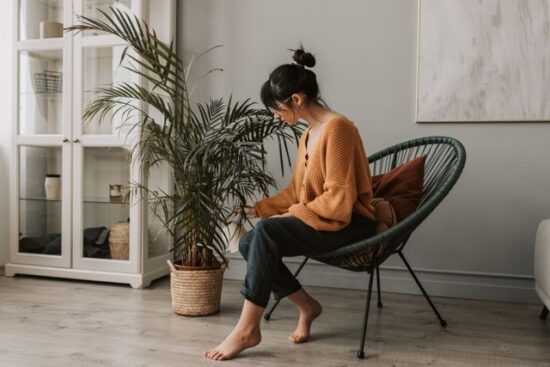
Mindfulness involves paying attention to the present moment with greater awareness. Although it can be practised in many environments, a bedroom may provide a convenient location for short periods of reflection, breathing exercises, or meditation. A comfortable chair, floor cushion, or clear area can make it easier to include these practices in a daily routine.
Mindfulness does not require expensive equipment or a specially designed room. Individuals can sit comfortably, focus on their breathing, notice physical sensations, or spend a few minutes observing their thoughts without immediately reacting to them. These practices may support relaxation for some people, although they should not replace professional treatment when someone is experiencing significant mental health difficulties.
A consistent location can make a routine easier to remember. If the bedroom is used for mindfulness, it may become associated with calm activities in addition to sleep. However, people should be careful not to turn wellness practices into strict performance goals. The purpose is to encourage awareness and relaxation, not to create another source of pressure.
The Growing Interest in Personal Wellness Rituals
Wellness bedrooms are often connected to personal rituals. These may include stretching after waking, journaling before bed, reading, skincare, meditation, or preparing a cup of caffeine-free tea. Rituals create structure and can help people transition between different parts of the day.
A nighttime routine may involve dimming lights, organizing the room, putting away devices, and completing personal care activities. A morning routine might include opening curtains, making the bed, practising gentle movement, or spending a few minutes in natural light. These actions are simple, but repeating them can provide a sense of stability.
The most effective ritual is one that is realistic. A routine that requires too much time, money, or effort may be difficult to maintain. Wellness should not become dependent on purchasing numerous products or following complicated trends. Consistency, comfort, and personal suitability are more important than creating a visually perfect bedroom.
Wellness Bedrooms and Small Living Spaces
The growth of wellness-focused design is not limited to large homes. People living in apartments, hostels, rented rooms, or shared accommodations can also make practical improvements. Limited space may require multifunctional furniture and careful organization, but even small changes can improve comfort.
Using vertical storage, selecting furniture that fits the room, and maintaining clear surfaces can make a compact bedroom feel more functional. Portable lighting, comfortable bedding, curtains, and removable organizers may be useful for renters who cannot make permanent changes.
Noise can be a challenge in shared or urban environments. Earplugs, white-noise devices, or appropriate sound-reducing measures may help some people, provided they are safe and comfortable. Individuals should also consider ventilation and avoid blocking necessary airflow.
A wellness space is defined by how effectively it supports the person’s needs, not by its size or cost. A small, organized room can be just as meaningful as a large bedroom with expensive furnishings.
The Commercialization of Bedroom Wellness
The growing popularity of wellness has created a large market for sleep products, aromatherapy items, smart devices, weighted blankets, specialized lighting, and premium bedding. Some products may improve comfort or convenience, but consumers should evaluate claims carefully.
Marketing sometimes suggests that a particular product can solve complex sleep or health problems. However, no single item can guarantee better sleep or eliminate the effects of stress. The usefulness of a product depends on its design, quality, suitability, and the individual’s circumstances.
Consumers should prioritize essential improvements before spending money on expensive accessories. A supportive mattress, clean bedding, suitable temperature, reduced noise, and consistent sleep habits may be more important than decorative wellness products. Reading reliable product information and avoiding exaggerated health promises can support informed purchasing decisions.
Wellness should remain accessible. People should not feel that they need a luxury bedroom or costly technology to protect their health. Practical, low-cost changes can often provide meaningful improvements in comfort and routine.
How to Design a More Supportive Bedroom
Creating a wellness bedroom begins with identifying the environmental factors that affect comfort and rest. Some people may need better lighting, while others may benefit from improved organization, reduced noise, or a more comfortable mattress. The process should be based on personal experience rather than following every popular design trend.
The next step is to introduce changes gradually. Individuals do not need to redesign the entire room at once. Small adjustments can make it easier to understand what works and prevent unnecessary spending. It is also useful to review the room regularly as lifestyle needs change.
A bedroom should remain comfortable, personal, and functional. The best design is one that supports rest and relaxation while fitting the user’s budget, space, cultural preferences, and daily routine.
Conclusion
The bedroom is becoming a wellness space because people are increasingly recognizing the connection between their surroundings and their overall well-being. Sleep quality, mental relaxation, environmental comfort, digital habits, and personal routines all influence how individuals experience their private spaces. As modern lifestyles become more demanding, the bedroom offers an opportunity to create a calmer environment that supports recovery and balance.
Wellness-focused bedroom design does not depend on luxury furniture, expensive technology, or complicated routines. Comfortable bedding, appropriate lighting, improved organization, cleaner air, reduced digital distractions, and consistent nighttime habits can contribute to a more supportive space. Natural materials, plants, mindfulness practices, and smart devices may also be useful when selected thoughtfully.
Ultimately, a wellness bedroom should reflect the needs of the person using it. Its purpose is not to follow a perfect design standard but to encourage healthy habits and a sense of comfort. By treating the bedroom as more than a place to sleep, individuals can create an environment that supports physical rest, mental calmness, and everyday well-being.
You may be interested
The Rise of Slow Living: Can Doing Less Become a Healthier Lifestyle?
Anshika Jain - September 18, 2026Modern life often encourages people to stay busy. Professional responsibilities, academic goals, social commitments, digital communication, and personal ambitions can create schedules filled with constant activity. Many…

Work, Screens and Stress: Why Modern Life Is Changing How People Rest
Anshika Jain - September 18, 2026Rest has always been an important part of human well-being, but modern lifestyles are changing how people experience it. In earlier generations, the end of a working…

From Step Counters to AI Coaches: The Evolution of Digital Fitness
Anshika Jain - September 18, 2026Fitness has always been an important part of personal well-being, but the way people exercise and monitor their progress has changed significantly over time. Earlier, individuals often…
Most from this category


Health Apps Are Everywhere: How Smartphones Are Becoming Personal Wellness Tools
Anshika Jain - September 18, 2026
The Anti-Sitting Movement: Why Experts Are Paying More Attention to Everyday Inactivity
Anshika Jain - September 17, 2026

Health Apps Are Everywhere: How Smartphones Are Becoming Personal Wellness Tools
Anshika Jain - September 18, 2026The Anti-Sitting Movement: Why Experts Are Paying More Attention to Everyday Inactivity
Anshika Jain - September 17, 2026
The Rise of Slow Living: Can Doing Less Become a Healthier Lifestyle?
September 18, 2026
Work, Screens and Stress: Why Modern Life Is Changing How People Rest
September 18, 2026
From Step Counters to AI Coaches: The Evolution of Digital Fitness
September 18, 2026
Can Your Smartphone Encourage You to Move More?
September 18, 2026
.png)
Leave a Comment
You must be logged in to post a comment.