
Can Your Smartphone Encourage You to Move More?

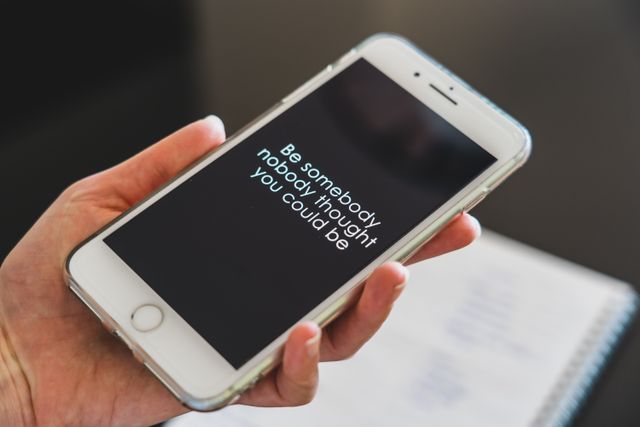
Smartphones have become an important part of everyday life. People use them for communication, education, professional work, entertainment, shopping, and managing personal responsibilities. Although smartphones are often associated with extended screen time and sedentary behaviour, they can also encourage people to become more physically active. With the help of fitness applications, movement reminders, step counters, wearable integrations, and personalised activity goals, smartphones are increasingly being used as personal movement tools.
Modern lifestyles often involve long hours of sitting. Students spend considerable time attending online classes and completing assignments, while professionals may remain at desks throughout the working day. Commuting, digital entertainment, and household responsibilities can further reduce opportunities for regular movement. In this environment, smartphones can provide small reminders and practical suggestions that encourage people to stand up, walk, stretch, or complete short workouts.
However, a smartphone cannot automatically create a healthy lifestyle. Its effectiveness depends on how people respond to reminders, whether their goals are realistic, and how comfortably physical activity fits into their daily routines. When used thoughtfully, smartphones can help transform movement from an occasional activity into a more consistent part of everyday life.
The Growing Problem of Sedentary Lifestyles
A sedentary lifestyle involves spending significant amounts of time sitting or engaging in activities that require very little physical movement. Office work, online learning, extended television viewing, gaming, and frequent smartphone use can all contribute to long periods of inactivity.
People may not always recognise how much time they spend sitting. An individual might walk in the morning but remain seated for several hours while working. Similarly, a student may complete a workout but spend the rest of the day studying at a desk. These patterns demonstrate why movement throughout the day is important, rather than focusing only on a single exercise session.
Regular physical activity supports several aspects of well-being, including cardiovascular health, muscular strength, mobility, balance, and mood. Even small amounts of movement can provide an opportunity to interrupt long periods of inactivity. Smartphones can assist by making these moments more visible and reminding users to include movement in their schedules.
How Smartphones Track Everyday Movement
One of the simplest ways smartphones encourage activity is through step-counting and movement-tracking features. Many phones use built-in sensors to estimate the number of steps a person takes during the day. Some applications also record walking distance, active minutes, and estimated energy expenditure.
Seeing movement data can increase awareness. A person who assumes they are active throughout the day may discover that most of their movement happens during a short period. Another individual may use step tracking to observe how daily routines change on working days, weekends, or holidays.
Movement data can also help users establish realistic goals. Someone who currently walks very little may begin by adding a short walk rather than immediately setting an ambitious target. Gradual progress can make activity more manageable and reduce the pressure associated with unrealistic expectations.
Nevertheless, step counts are only one measure of physical activity. They do not fully represent strength training, stretching, cycling, swimming, or other forms of exercise. A healthy movement routine should include different activities according to personal needs, ability, and preferences.
The Influence of Movement Reminders
Movement reminders are designed to interrupt long periods of sitting. A smartphone application may notify a user to stand, walk for a few minutes, stretch, or take a short break after a period of inactivity.
These reminders can be useful for people working at computers or studying for extended periods. A short break may involve walking around the room, performing gentle stretches, filling a water bottle, or moving between tasks. Such actions can help people avoid remaining in the same position for too long.
The effectiveness of reminders depends on their timing and frequency. Too many notifications may become irritating, causing users to ignore or disable them. Personalised reminders are more likely to be useful when they match a person’s schedule and environment.
For example, an office worker may benefit from a reminder between meetings, while a student may prefer movement breaks after completing a study session. The objective should be to encourage activity without interrupting important responsibilities unnecessarily.
Gamification: Turning Movement into a Challenge
Many health applications use gamification to make physical activity more engaging. Gamification involves incorporating elements such as goals, achievements, progress bars, challenges, badges, and rewards into an experience.
A step-counting application might allow users to complete weekly walking challenges or track progress toward a personal target. Some platforms offer friendly competitions between family members, friends, or colleagues. These features can make movement feel more interactive and encourage consistency.
Gamification may be especially appealing to younger users who are familiar with digital rewards and progress systems. A person who finds traditional exercise routines repetitive may become more interested when activity is connected to achievable challenges.
However, competition is not suitable for everyone. Comparing step counts or workout performance can create unnecessary pressure, particularly when users have different schedules, abilities, and health needs. Personal progress should remain more important than outperforming someone else.
The most effective digital challenges are encouraging rather than demanding. They should support enjoyment, consistency, and gradual improvement instead of making users feel unsuccessful when they miss a target.
Smartphones and Short Home Workouts
Smartphones have made short home workouts easier to access. Users can find guided sessions focused on stretching, mobility, strength, yoga, dance, bodyweight exercises, and cardiovascular activity. These workouts may be designed for different experience levels and time requirements.
Short sessions can be useful for people who believe they do not have enough time to exercise. A ten-minute movement routine may be easier to fit between work responsibilities than a long gym session. Over time, small sessions can help users develop a regular exercise habit.
Home workout applications also provide flexibility. People can exercise without travelling to a fitness centre, purchasing expensive equipment, or following a fixed class schedule. This can make physical activity more accessible to students, remote workers, parents, and individuals with limited time.
At the same time, users should select routines appropriate to their abilities. Beginners should focus on correct technique, controlled movements, and gradual progress. Exercises that cause pain, dizziness, or discomfort should be stopped, and professional advice may be necessary for people with specific health concerns.
Walking: The Simplest Form of Digital Encouragement
Walking is one of the most accessible ways to increase everyday movement. It generally requires minimal equipment and can be incorporated into daily activities. Smartphones can encourage walking by tracking steps, suggesting goals, recording routes, and reminding users to take short walks.
Some people use walking applications to explore new routes in their neighbourhoods or monitor their progress over time. Others may use music, podcasts, or educational audio content to make walking more enjoyable. However, users should remain aware of their surroundings and avoid unsafe phone use while walking.
Walking can also become a practical alternative to unnecessary short-distance travel by vehicle, where circumstances allow. Choosing stairs, walking during a lunch break, or taking a short evening walk can add movement without requiring a separate workout session.
The purpose of using technology should be to support these everyday decisions rather than make walking dependent on constant tracking. A walk can still be valuable even when the phone is not recording every step.
Personalised Activity Goals and Artificial Intelligence
Some modern health applications use artificial intelligence and data analysis to offer personalised movement suggestions. These systems may consider information such as previous activity levels, preferred exercise types, available time, and completed workouts.
For example, an application might recommend a short stretching routine after several hours of inactivity. It could also suggest a lighter workout following a period of reduced activity or provide reminders based on a user’s usual schedule.
Personalisation may make exercise planning more convenient. Instead of searching for a new routine every day, users may receive suggestions aligned with their preferences. This can reduce decision-making and help people maintain consistency.
However, AI-generated recommendations have limitations. Automated systems may not understand a user’s full medical history, physical limitations, injury status, or emotional condition. Their suggestions should therefore be treated as general guidance rather than professional medical or fitness advice.
Users should also check the reliability of the application and avoid following recommendations that feel unsafe or unsuitable. Technology can support decision-making, but personal awareness and professional guidance remain important.
Integrating Movement into Work and Study
Smartphones can encourage movement without requiring people to completely change their schedules. This is particularly relevant for individuals who spend most of the day working or studying.
Calendar applications can be used to schedule short movement breaks between tasks. Reminder tools can encourage users to stand during phone calls, walk while listening to audio, or stretch after completing a lengthy assignment. These small adjustments can help reduce the amount of uninterrupted sitting.
For remote workers, movement reminders can create boundaries between professional tasks. A short walk after a meeting may provide a mental transition before the next responsibility. Students may benefit from brief breaks that allow them to move and return to studying with renewed attention.
The goal is not to interrupt productivity constantly but to recognise that movement and work can support one another. A balanced routine includes focused work, rest, physical activity, and sufficient recovery.
The Psychological Impact of Digital Encouragement
Smartphones can influence behaviour by making progress visible and providing regular encouragement. A person may feel motivated after observing a gradual increase in walking distance or completing several days of planned activity.
Digital feedback can also help people develop a stronger sense of accountability. Recording a workout or receiving a reminder may encourage users to follow through with an intention they might otherwise postpone.
However, motivation based entirely on notifications and rewards may not remain consistent. Users can become dependent on external encouragement or feel disappointed when they miss a goal. Sustainable activity requires developing internal motivation, such as enjoying movement, improving energy, spending time outdoors, or supporting overall well-being.
A healthy relationship with fitness technology should allow flexibility. Missing a workout or recording fewer steps on a busy day does not mean that progress has failed. People should be able to adjust their goals without guilt.
The Importance of Accessibility and Inclusion
Smartphone-based fitness tools can make movement resources available to people who may not have access to gyms or specialised programmes. Free or low-cost applications can offer guided exercises, walking plans, and educational information from home.
Accessibility also depends on design. Applications should ideally include different exercise levels, clear instructions, adjustable session lengths, and options for people with varying mobility needs. Captions, audio guidance, readable interfaces, and regional-language content may further improve usability.
Nevertheless, not everyone has the same access to smartphones, reliable internet, wearable devices, or safe spaces for exercise. Digital wellness should not be treated as the only solution to inactivity. Public parks, accessible walking areas, community programmes, and inclusive physical education remain important.
Technology can support broader wellness opportunities, but it should be developed with different social and physical circumstances in mind.
Privacy, Accuracy, and Digital Well-Being
Although movement-tracking apps can be useful, they collect personal information that users should manage carefully. Activity records, location data, routines, and health-related information may reveal details about a person’s daily life.
Before using an application, individuals should review its permissions and privacy policies. They should understand whether data is stored locally, shared with third parties, or connected to other services. Users should also secure their smartphones with passwords and regular software updates.
Accuracy is another consideration. Smartphone sensors and wearable devices estimate movement and activity, and their results may differ depending on device placement, walking style, and technical limitations. Users should not interpret these measurements as perfectly precise.
Digital well-being also involves knowing when to put the phone away. If tracking becomes stressful or interferes with enjoying physical activity, users may benefit from reducing notifications or taking breaks from monitoring.
How to Build a Healthier Movement Routine with a Smartphone
A smartphone can become more useful when it supports clear and achievable goals. Users may begin by observing their current movement patterns instead of immediately adopting demanding targets. This helps them understand when they are most inactive and where small changes may be possible.
Movement can then be integrated into existing routines. A person might walk for a few minutes after lunch, stretch between study sessions, use stairs when appropriate, or complete a short home workout several times a week. Smartphone reminders can support these actions without controlling the entire schedule.
It is also important to combine different forms of activity. Walking may support endurance, while strength exercises help develop muscular capacity. Stretching and mobility work can complement other activities, and rest days allow the body to recover.
Users should review their routines periodically and make adjustments based on energy, time, comfort, and personal circumstances. A sustainable routine is one that can be maintained over time rather than followed intensely for only a few days.
The Future of Smartphones and Everyday Movement
As mobile technology develops, smartphones may offer increasingly integrated movement experiences. Applications could combine activity tracking, personalised planning, wearable data, digital coaching, and reminders in a single platform.
Future systems may also focus more on context. Instead of simply counting steps, applications could encourage movement according to a user’s schedule, environment, and preferences. For example, a platform might suggest a short indoor routine during bad weather or recommend a walking break during a long period of desk work.
However, technological progress should be accompanied by responsible design. Developers must consider privacy, data accuracy, accessibility, and the risk of creating unhealthy dependence on digital scores. Wellness tools should encourage informed and flexible choices rather than constant monitoring.
The future of movement technology will be most useful when it supports real-life behaviour instead of replacing personal judgement.
Conclusion: Can Your Smartphone Help You Move More?
A smartphone can encourage people to move more through step tracking, activity reminders, guided workouts, walking challenges, personalised suggestions, and progress monitoring. These features can help users become more aware of sedentary habits and identify practical opportunities for movement during busy days.
However, technology alone cannot guarantee a healthier lifestyle. The benefits of a fitness application depend on realistic goals, consistent effort, suitable activities, and a balanced relationship with digital tracking. Users should not feel pressured to meet every target or compare their progress with others.
When used thoughtfully, smartphones can act as supportive wellness partners. They can remind people to stand, encourage short walks, provide access to home workouts, and make everyday movement easier to organise. The most important goal is not achieving a perfect activity score but building habits that support physical health, mental well-being, and long-term personal balance.
You may be interested

The Rise of Slow Living: Can Doing Less Become a Healthier Lifestyle?
Anshika Jain - September 18, 2026Modern life often encourages people to stay busy. Professional responsibilities, academic goals, social commitments, digital communication, and personal ambitions can create schedules filled with constant activity. Many…
Work, Screens and Stress: Why Modern Life Is Changing How People Rest
Anshika Jain - September 18, 2026Rest has always been an important part of human well-being, but modern lifestyles are changing how people experience it. In earlier generations, the end of a working…
From Step Counters to AI Coaches: The Evolution of Digital Fitness
Anshika Jain - September 18, 2026Fitness has always been an important part of personal well-being, but the way people exercise and monitor their progress has changed significantly over time. Earlier, individuals often…
Most from this category

Health Apps Are Everywhere: How Smartphones Are Becoming Personal Wellness Tools
Anshika Jain - September 18, 2026
The Anti-Sitting Movement: Why Experts Are Paying More Attention to Everyday Inactivity
Anshika Jain - September 17, 2026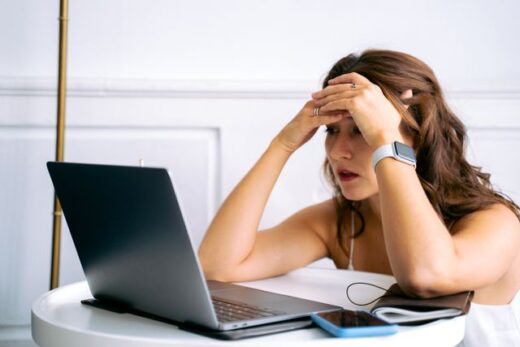

The 10-Minute Break Movement: Why Short Breaks Matter in Busy Lives
Anshika Jain - September 17, 2026
Health Apps Are Everywhere: How Smartphones Are Becoming Personal Wellness Tools
Anshika Jain - September 18, 2026The Anti-Sitting Movement: Why Experts Are Paying More Attention to Everyday Inactivity
Anshika Jain - September 17, 2026Why Digital Overload Is Creating a New Conversation About Rest
Anshika Jain - September 17, 2026
The Rise of Slow Living: Can Doing Less Become a Healthier Lifestyle?
September 18, 2026
Work, Screens and Stress: Why Modern Life Is Changing How People Rest
September 18, 2026
From Step Counters to AI Coaches: The Evolution of Digital Fitness
September 18, 2026

.png)
Leave a Comment
You must be logged in to post a comment.