
Gut Virome Intelligence: Infect Bacteria Influence the Human Gut Ecosystem

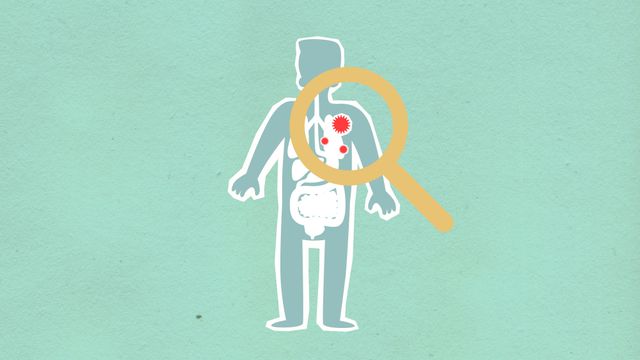
The human gut is home to a complex ecosystem containing bacteria, fungi, archaea and viruses. While gut bacteria have received considerable attention in research on digestion, immunity and metabolic health, another important group of microorganisms has remained comparatively underexplored: bacteriophages. These are viruses that infect bacteria rather than human cells. They can influence which bacterial populations survive, how microbial communities develop and how genetic information moves through the gut ecosystem.
The collection of viruses present in the gastrointestinal tract is known as the gut virome. It includes bacteriophages, viruses that infect human or other eukaryotic cells, and other viral genetic elements. Bacteriophages are particularly important because they interact directly with gut bacteria, potentially changing microbial populations and the biological processes those populations perform. Their activity may influence the availability of nutrients, the production of microbial metabolites and interactions between microorganisms and the human immune system.
Understanding these relationships is difficult because the gut virome is highly diverse, dynamic and individual-specific. Many viral sequences discovered in gut samples cannot yet be confidently identified or connected to their bacterial hosts. Artificial intelligence could help address this challenge by analysing viral genomes, bacterial populations, microbial metabolites and longitudinal health data together.
This emerging field can be described as Gut Virome Intelligence: an AI-supported approach to understanding how bacteriophages influence bacterial communities and how those changes may relate to the wider human gut ecosystem. Although the science is still developing, combining computational biology with experimental microbiology could reveal microbial interactions that conventional bacteria-focused analysis often overlooks.
Understanding the Gut Virome and Bacteriophages
Bacteriophages, commonly called phages, are viruses that infect bacterial cells. They attach to specific bacterial hosts and introduce their genetic material into them. Depending on the phage and environmental conditions, infection may follow different biological pathways.
In a lytic infection, a phage uses the bacterial cell’s machinery to produce new viral particles. The infected cell eventually breaks open, releasing newly formed phages. This process can reduce the abundance of particular bacterial populations and release cellular material into the surrounding environment.
Some bacteriophages follow a lysogenic pathway. Instead of immediately destroying the bacterial cell, their genetic material can become integrated into the bacterial chromosome or remain associated with the host through other mechanisms. In this state, the viral genome is known as a prophage. It may remain relatively inactive for extended periods before becoming activated under certain conditions.
These different infection strategies make phages important participants in microbial ecology. They can influence bacterial population sizes, alter microbial genetic characteristics and affect competition between different organisms. Their effects are not always destructive. Research has also identified more complex relationships in which phages and bacteria coexist in ways that may benefit both partners under particular ecological conditions.
A 2025 review in the Journal of Bacteriology describes the gut phageome as a major component of the intestinal microbial ecosystem and examines its interactions with bacterial and mammalian hosts. It highlights the role of phages in bacterial predation, microbial transformation and interactions with the human host.
Why Bacteriophages Matter to the Human Gut Ecosystem
Regulating Bacterial Population Balance
The gut microbiome contains many bacterial species that perform different biological functions. Some participate in fibre fermentation, others contribute to vitamin production, and several influence immune signalling or the transformation of dietary compounds. The relative abundance of these organisms can change in response to diet, medication, illness and environmental conditions.
Bacteriophages may contribute to these changes by infecting particular bacterial hosts. When a phage targets a bacterial population, it can influence how abundant that population becomes and how it competes with other microorganisms. This process may alter the overall structure of the microbial community.
The ecological consequences depend on the specificity of the phage, the availability of susceptible bacteria, bacterial defence mechanisms and the surrounding microbial environment. A phage that reduces one bacterial population may indirectly create opportunities for another population to expand. Consequently, the influence of phages may extend beyond the bacteria they directly infect.
AI could help researchers investigate these relationships by identifying recurring patterns between viral abundance and bacterial population changes. Instead of analysing phages and bacteria separately, computational models could examine them as connected components of one ecological network.
Influencing Bacterial Metabolism
Gut bacteria transform dietary fibres, amino acids, bile acids and other compounds into metabolites that participate in intestinal and systemic biological processes. Bacteriophages can indirectly influence these metabolic activities by changing which bacterial populations are present and how they behave.
For example, if a phage reduces a bacterial population involved in producing a particular short-chain fatty acid, the overall metabolic output of the microbial community may change. However, other bacteria may perform similar functions and compensate for the reduction. The final metabolic outcome therefore depends on the structure and functional redundancy of the ecosystem.
Some phages can also influence bacterial characteristics through genes carried within their genomes. In certain circumstances, prophage-associated genes may alter bacterial traits, although the effects depend on the specific virus and host. These interactions create additional complexity that cannot be understood by measuring bacterial abundance alone.
AI could combine viral genome information, bacterial gene expression and metabolomics data to investigate whether particular phage–bacteria relationships are associated with changes in microbial metabolism.
Interacting With the Human Immune System
The gut immune system continuously interacts with microorganisms and their biological products. Bacteriophages may influence this environment indirectly by changing bacterial populations and directly through interactions with immune cells or other host components.
Research has investigated how phage particles and their components interact with intestinal barriers, immune signalling and inflammatory responses. However, these relationships are complex and may differ according to the phage, its location, the condition of the intestinal barrier and the surrounding microbial community.
It is therefore important not to assume that all bacteriophages are beneficial or harmful. Their effects depend on specific biological circumstances. AI could help researchers identify patterns linking viral communities, bacterial composition and immune-related measurements, but experimental studies are necessary to establish the mechanisms behind those associations.
How AI Could Decode the Gut Virome
Viral Metagenomics and Genome Identification
One of the first steps in Gut Virome Intelligence is identifying which viruses are present in a sample. Researchers can use viral metagenomic sequencing to analyse genetic material obtained from stool or other biological samples. Unlike studies that focus on a single cultured microorganism, metagenomics can investigate many viral sequences within a complex community.
However, identifying viral genomes is challenging. Many gut viral sequences have no close match in existing reference databases. Researchers often describe this poorly characterised portion of viral diversity as viral dark matter.
AI and bioinformatics tools can help classify viral sequences, identify possible genome structures and predict biological characteristics. Machine-learning systems may recognise patterns associated with viral genomes even when their sequences do not closely resemble previously characterised viruses.
A 2026 review in mSystems examined the experimental and computational methods used to study the human gut virome. It discussed viral enrichment, sequencing, genome assembly, viral identification and computational annotation, while highlighting the challenges created by viral diversity and incomplete reference databases.
Predicting Which Bacteria a Virus Can Infect
Knowing that a viral sequence exists in the gut is not enough to understand its ecological role. Researchers also need to determine which bacterial species or strains it can infect. This is known as host prediction.
AI can support host prediction by examining similarities between viral and bacterial genetic sequences. Researchers may look for matching CRISPR spacer sequences, shared genetic patterns, sequence composition and other molecular signals that indicate possible relationships.
Machine-learning approaches can combine these features to estimate potential phage hosts. Tools such as RaFaH and integrated computational workflows such as iPHoP illustrate how computational methods can help connect previously uncharacterised viral sequences with candidate bacterial hosts.
Nevertheless, a predicted host is not necessarily a confirmed host. A phage may appear genetically compatible with a bacterial species but fail to infect it under actual laboratory conditions. Experimental validation using cultured bacteria and isolated phages remains essential.
Reconstructing Phage–Bacteria Interaction Networks
The gut ecosystem contains many simultaneous interactions. A single bacterial species may be targeted by several phages, while one phage may have a host range that includes multiple related bacterial strains. These relationships can change over time as bacteria develop resistance and phages adapt.
AI could represent these interactions as ecological networks. In such a network, bacterial populations and viral entities would form connected nodes, while predicted or experimentally confirmed infections would represent relationships between them.
Researchers could use network analysis to investigate which bacterial populations are targeted by several phages, which viral communities are associated with particular microbial structures and how changes in one population may influence other parts of the ecosystem.
This approach could reveal ecological relationships that remain hidden when researchers study only the abundance of individual microorganisms. It may also help identify important microbial interactions that deserve closer laboratory investigation.
Understanding Viral Evolution and Bacterial Defence
The relationship between bacteriophages and bacteria is shaped by continuous evolutionary interaction. Bacteria have developed several defence mechanisms that can prevent or limit viral infection. These include restriction-modification systems, CRISPR-Cas immunity, receptor modification and other antiviral defence pathways.
Phages, in turn, can evolve mechanisms that help them overcome bacterial resistance. This creates an ongoing evolutionary process in which both organisms influence each other’s survival.
AI could analyse viral and bacterial genomes to identify patterns associated with these defence and counter-defence systems. For example, computational models may identify bacterial genes linked to resistance against particular phage groups or viral genes associated with overcoming specific defence mechanisms.
Longitudinal sequencing could make this analysis more informative. If researchers collect samples from the same individuals over several months or years, they may be able to observe how viral populations and bacterial hosts change together.
A 2025 study published in Nature used long-read metagenomics to investigate prophage dynamics in the human gut over a two-year period in six individuals. The research demonstrated how long-read sequencing can help connect integrated phages with their bacterial hosts and examine the stability and activity of prophages over time.
Could AI Connect the Gut Virome With Human Health?
Investigating Inflammatory Conditions
Changes in gut viral communities have been reported in studies involving inflammatory bowel diseases and other inflammatory conditions. Researchers are investigating whether particular phage patterns are associated with changes in bacterial populations, intestinal immune responses or microbial metabolites.
AI could analyse viral sequences alongside bacterial profiles, inflammatory biomarkers and clinical information to identify recurring patterns. It may help distinguish viral features associated with particular disease groups from those that are common across healthy individuals.
However, finding a viral signature associated with a condition does not establish that the virus caused the disease. Changes in inflammation, medication use, diet and intestinal conditions may themselves alter the gut virome. Longitudinal studies and experimental models are needed to understand the direction of these relationships.
Exploring Metabolic Health
The gut virome may also influence metabolic processes through its effects on bacterial communities. Changes in phage activity could alter the abundance of bacteria involved in carbohydrate fermentation, bile acid transformation and other metabolic pathways.
AI could integrate viral metagenomics with metabolomics and dietary information to investigate these connections. For example, researchers might examine whether particular phage–bacteria networks are associated with differences in short-chain fatty acid profiles or bile acid composition.
Such analysis could help identify possible relationships between viral ecology and metabolic health. Nevertheless, these findings should be interpreted as research evidence rather than as established diagnostic indicators.
Studying Early-Life Gut Development
The gut microbiome and virome change substantially during early life. Birth conditions, feeding patterns, diet, antibiotic exposure and immune development can influence how microbial communities become established.
Research suggests that the early-life gut virome may participate in the development of microbial and immune relationships that continue to change throughout childhood. AI could help analyse longitudinal samples to investigate how viral populations develop alongside bacterial communities and how these changes relate to environmental exposures.
A 2025 review in Nature Reviews Gastroenterology & Hepatology highlighted the importance of gut virome dynamics in health and disease, including the potential influence of early-life viral communities on longer-term microbial and immune development. It also emphasised the need to distinguish causal mechanisms from disease-associated correlations.
The Role of AI in Discovering New Phage-Based Therapies
One potential application of gut virome research is the development of bacteriophage-based therapies. Because some phages can selectively infect particular bacteria, researchers are investigating whether they could help target harmful or antibiotic-resistant bacterial populations.
AI may support this research by predicting phage–host compatibility, analysing viral genome characteristics and identifying possible candidates for laboratory testing. It could also help researchers examine how bacterial resistance might develop and whether combinations of phages could provide broader coverage against a target population.
However, phage therapy is not a simple method of removing unwanted bacteria. The gut is a complex ecosystem, and targeting one bacterial population may influence other microorganisms. Phages may also be neutralised by bacterial defence mechanisms or fail to reach the intended location in sufficient quantities.
Another emerging area is faecal virome transplantation, which involves transferring viral communities from a donor to a recipient. This approach remains experimental and requires further investigation into safety, consistency, donor selection and long-term outcomes. AI could potentially help characterise viral communities and assess candidate preparations, but it cannot replace clinical trials or regulatory evaluation.
Challenges Facing Gut Virome Intelligence
Incomplete Viral Reference Databases
A major limitation is that many gut viruses remain poorly characterised. AI models trained on incomplete reference databases may produce inaccurate classifications or assign incorrect bacterial hosts. Improving these databases requires continued sequencing, viral isolation and experimental characterisation.
Difficulty Culturing Gut Bacteria and Their Phages
Many important gut bacteria are obligate anaerobes, meaning they require environments with very little or no oxygen to grow. Their phages can be equally difficult to isolate and study. Laboratory cultivation is therefore a major bottleneck in confirming computational predictions.
Individual Variation and Changing Environments
Gut virome composition differs considerably between individuals and can change with diet, medication, age, illness and environmental exposures. A model trained on one population may not accurately describe another population with different dietary patterns or microbial characteristics.
Distinguishing Prediction From Biological Proof
AI can identify patterns, classify viral sequences and estimate possible interactions, but these outputs do not independently prove that a phage influences a particular health condition. Researchers need laboratory experiments, appropriate animal or organoid models where relevant, and carefully designed human studies to establish biological mechanisms.
Data Integration and Interpretation
Combining viral genomes, bacterial genomes, gene expression, metabolomics, immune measurements and clinical information creates substantial computational complexity. These datasets may differ in quality, sampling frequency and analytical methods. AI systems must be carefully validated to avoid interpreting technical differences as biological discoveries.
The Future of Gut Virome Intelligence
Future research could develop integrated platforms that connect viral metagenomics, bacterial host prediction, metabolomics and longitudinal clinical information. Such systems may help researchers investigate how phage communities change following dietary shifts, antibiotic exposure or other environmental influences.
Another promising direction is personalised virome analysis. Instead of treating all individuals as having the same healthy viral profile, researchers could examine how each person’s viral community interacts with their bacterial ecosystem. This may eventually help identify individual differences in microbial stability and responses to particular interventions.
AI could also support the design of more targeted experimental studies. When a model identifies a potentially important phage–bacteria relationship, researchers could prioritise that interaction for isolation, cultivation and laboratory testing. This would create a feedback process in which computational predictions guide experiments and new experimental findings improve the models.
However, personalised gut virome testing is not yet an established routine method for diagnosing digestive or metabolic conditions. More research is required to determine which viral features are clinically meaningful, how stable they are over time and whether modifying them can improve human health.
Conclusion
Gut Virome Intelligence represents an emerging opportunity to understand a less explored part of the human microbiome. Bacteriophages can influence bacterial populations, microbial metabolism, genetic interactions and relationships between the gut ecosystem and the immune system. Their effects may extend beyond the bacteria they infect, making them important participants in intestinal microbial ecology.
AI could help reveal these relationships by analysing viral genomes, predicting bacterial hosts, reconstructing interaction networks and connecting microbial changes with metabolic and immune measurements. It may also support research into phage-based therapies and personalised microbiome science.
Nevertheless, the gut virome remains only partially understood. Incomplete viral databases, limited experimental validation, individual variation and difficulties in distinguishing causation from correlation continue to restrict the field. The most valuable future systems will combine computational intelligence with experimental microbiology and carefully designed clinical research.
By moving beyond bacteria-focused analysis, Gut Virome Intelligence could help researchers develop a more complete understanding of the human gut ecosystem. It may reveal that the health of the microbiome depends not only on which bacteria are present, but also on the viruses that continuously influence their survival, behaviour and biological relationships.
Online Internship with Certificate
You may be interested

Human–Environment Health Interaction Maps: AI Connect Indoor Lighting
Anshika Jain - November 6, 2026Human health is influenced not only by genetics, nutrition, physical activity and medical care but also by the environments in which people spend their everyday lives. Homes,…
AI Predict Which Preventive Health Interventions Will Remain Effective
Anshika Jain - November 6, 2026Preventive healthcare traditionally focuses on identifying risk factors and recommending interventions that can reduce the likelihood of disease. However, a life-course approach recognises that health is shaped…

Science of Medical Device Fatigue: People Stop Using Health Technologies
Anshika Jain - November 6, 2026Medical device fatigue describes the gradual physical, cognitive or emotional exhaustion that can develop when people repeatedly interact with health technologies as part of their care. It…
Most from this category

AI Model How Food Packaging Chemicals Migrate Into Different Types of Food
Anshika Jain - November 6, 2026
Biological Tissue Aging Maps: AI Distinguish Functional Aging From Changes in Appearance
Anshika Jain - November 6, 2026
Retinal Microvascular Intelligence: Early Signs of Changes Beyond Eye Health
Anshika Jain - November 5, 2026
Hair Follicle Biology AI: Machine Learning Distinguish Nutritional Factors
Anshika Jain - November 5, 2026
AI Model How Food Packaging Chemicals Migrate Into Different Types of Food
Anshika Jain - November 6, 2026Biological Tissue Aging Maps: AI Distinguish Functional Aging From Changes in Appearance
Anshika Jain - November 6, 2026Retinal Microvascular Intelligence: Early Signs of Changes Beyond Eye Health
Anshika Jain - November 5, 2026




.png)
Leave a Comment
You must be logged in to post a comment.