
From Step Counters to AI Coaches: The Evolution of Digital Fitness

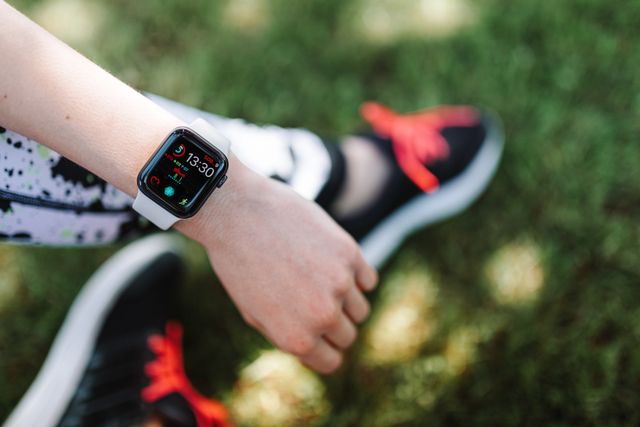
Fitness has always been an important part of personal well-being, but the way people exercise and monitor their progress has changed significantly over time. Earlier, individuals often depended on traditional gyms, personal trainers, printed workout plans, and manual fitness records. Today, digital technology has introduced new ways to track physical activity, plan workouts, monitor progress, and receive personalised guidance.
The journey from basic step counters to artificial intelligence-powered fitness coaches reflects the rapid development of digital wellness. What began as a simple method of counting daily steps has gradually evolved into a connected fitness ecosystem involving smartphones, wearable devices, mobile applications, smart equipment, and intelligent digital assistants.
Digital fitness tools have made exercise more accessible and convenient. People can now follow workout programmes at home, monitor heart rate through connected devices, receive reminders to move, and explore routines designed around their individual preferences. These developments have also changed expectations about fitness, making data, personalisation, and flexibility important parts of modern exercise habits.
However, technology is not a substitute for professional advice, personal awareness, or consistent effort. Digital fitness tools are most valuable when they support healthy habits without creating unrealistic expectations or excessive dependence on numbers.
The Early Era of Step Counters
The evolution of digital fitness began with relatively simple devices designed to count steps. Traditional pedometers used mechanical or electronic mechanisms to estimate the number of steps a person took during the day. These devices helped people become more aware of their physical activity without requiring complex technology.
Step counters introduced a straightforward concept: everyday movement could be measured and converted into an understandable number. Users could set personal goals and observe whether they were walking more or less than usual. This approach encouraged people to think about physical activity beyond formal workouts.
The popularity of step counting also introduced the idea of daily targets. Individuals began using step goals as motivation to walk during breaks, choose stairs, or take evening walks. Although step counts do not represent every form of exercise, they provided an accessible starting point for people who wanted to become more active.
The main limitation of early pedometers was their restricted functionality. They generally focused on steps and sometimes distance, offering little information about exercise intensity, sleep, heart rate, or recovery. Nevertheless, they established the foundation for the more advanced fitness technologies that followed.
The Arrival of Smartphone Fitness Applications
The growth of smartphones transformed digital fitness by bringing activity tracking and workout guidance into a device that people already carried every day. Mobile applications expanded fitness tracking beyond step counting and introduced features such as distance monitoring, calorie estimates, exercise records, and goal setting.
Smartphone fitness apps also made guided workouts more accessible. Users could explore yoga, stretching, strength training, running, dance, and bodyweight exercises without visiting a gym. Many applications offered different workout lengths, allowing people to select routines according to their schedules and fitness levels.
This flexibility became particularly relevant for students, professionals, and individuals working from home. Instead of depending on fixed class timings, users could exercise whenever it was convenient. Smartphones also allowed people to record their progress and revisit workout instructions whenever needed.
However, the quality of fitness applications varies. Some provide carefully structured programmes, while others may offer incomplete instructions or unrealistic claims. Users should consider the credibility of the content and select routines that match their abilities and physical needs.
Wearable Devices and Continuous Activity Monitoring
Wearable devices such as fitness bands and smartwatches introduced another major stage in digital fitness. Unlike smartphones, which may not always be carried during exercise, wearable devices can remain attached to the body throughout the day. They can collect information about movement, heart rate, workout duration, and other activity-related measurements.
Wearables have made fitness tracking more continuous. Instead of checking activity only after a walk or workout, users can review information throughout the day. Many devices provide notifications when users have remained inactive for long periods, encouraging them to stand or move.
Smartwatches have also expanded the range of available exercise modes. Depending on the device, users may be able to record running, cycling, swimming, strength training, and other activities. Some devices offer estimated recovery information and reminders based on previous activity.
These features can support awareness and consistency, but wearable measurements are not always perfectly accurate. Sensor quality, device placement, movement patterns, and individual circumstances can influence results. Users should treat the information as an estimate rather than a complete medical assessment.
The Rise of Connected Fitness Ecosystems
Digital fitness has developed from individual devices into connected ecosystems. Smartphones, wearables, fitness applications, smart scales, and exercise equipment can now work together through shared platforms. This allows users to view different types of information in one place.
For example, a person may record a workout through a smartwatch, review the session on a smartphone, and monitor long-term progress through a fitness application. Connected systems can make fitness management more convenient by reducing the need to enter information manually.
These ecosystems also create opportunities for broader personalisation. Applications may use activity history and user preferences to recommend workouts, establish goals, or display progress over time. Some platforms provide dashboards that show exercise frequency, active minutes, and other measurements.
However, connected fitness systems raise questions about data privacy. Health and activity information may reveal details about a person’s routines, location, and lifestyle. Users should review privacy policies, manage application permissions, and understand how their information is collected and shared.
Personalised Workout Programmes
Traditional workout plans often followed a standard structure, with limited adjustment for individual needs. Digital fitness applications have made personalised workout programmes more common. Users may select goals such as improving endurance, building strength, increasing flexibility, or developing general fitness.
Many applications allow users to enter information about their experience level, available equipment, preferred workout duration, and activity interests. Based on this information, the platform may suggest routines that appear more relevant to the user.
Personalisation can make exercise more practical. A beginner may receive basic movements, while an experienced user may explore more challenging routines. Someone with limited time may select short workouts, whereas another person may prefer longer sessions.
Despite these advantages, automated personalisation is not always comprehensive. An application may not understand a person’s full medical history, previous injuries, physical limitations, or changing energy levels. Users should adapt routines when necessary and seek qualified guidance for specialised fitness requirements.
The Role of Data in Modern Fitness
Data has become a central part of digital fitness. Applications and wearable devices collect information that can help users understand their activity patterns. This may include workout frequency, distance, pace, heart rate estimates, active minutes, and recovery trends.
Data can help individuals identify habits that are difficult to notice without tracking. A person may discover that they exercise consistently on weekdays but remain inactive during weekends. Another user may observe that sleep patterns influence energy during workouts.
Progress records can also support realistic goal setting. Instead of relying only on memory, users can review previous activity and make gradual adjustments. This may encourage consistency and help people recognise improvement over time.
However, an excessive focus on data can create problems. Users may feel disappointed when they fail to achieve a particular score or become anxious about daily fluctuations. Fitness is influenced by rest, stress, nutrition, environment, and individual circumstances. Numbers should support understanding rather than become the only measure of success.
Artificial Intelligence Enters Digital Fitness
Artificial intelligence is introducing a new stage in the evolution of fitness technology. AI-powered tools can analyse user information, identify patterns, generate workout suggestions, and provide conversational guidance. These features are designed to make digital fitness experiences more responsive and personalised.
An AI fitness assistant may help users organise weekly exercise schedules, suggest different workouts, or answer basic questions about movement techniques. Some systems may adjust recommendations based on completed sessions, reported difficulty, or available time.
The appeal of AI coaches lies in their convenience. Users can interact with a digital assistant without waiting for a scheduled appointment. They may receive suggestions at different times of the day and explore information according to their immediate needs.
Nevertheless, AI systems have limitations. They rely on the quality of the information provided and may produce suggestions that are unsuitable for particular health conditions or physical abilities. AI-generated guidance should not be treated as a replacement for a qualified personal trainer, physiotherapist, doctor, or other healthcare professional.
From Recorded Workouts to Interactive Coaching
Earlier fitness applications mainly recorded activities after they were completed. Modern digital platforms increasingly aim to provide interactive coaching during the workout itself. Some applications offer audio instructions, visual demonstrations, performance feedback, and reminders to adjust pace or technique.
Interactive coaching can help users feel supported when exercising alone. A digital instructor may guide a warm-up, explain movements, count repetitions, or encourage users to maintain a steady pace. These features can be particularly helpful for beginners who need structure.
However, digital coaching cannot always observe movement as accurately as an experienced professional. Camera-based systems may attempt to analyse posture or exercise form, but lighting, camera position, and movement complexity can affect the results.
Users should therefore prioritise safety and avoid assuming that digital feedback is always correct. When learning technically demanding exercises, professional supervision may be more appropriate.
Virtual Fitness Communities and Social Motivation
Digital fitness has also changed the social experience of exercise. Many platforms allow users to participate in online communities, group challenges, shared workout sessions, and virtual events. These features can help people feel connected even when they exercise independently.
Virtual communities may encourage accountability and provide opportunities to exchange experiences. Users can share progress, discuss routines, and motivate one another. For individuals who feel uncomfortable in traditional gym environments, online communities may offer an alternative way to participate.
At the same time, social comparison can have negative effects. People may compare their bodies, performance, or progress with carefully presented images and records shared online. Different users have different abilities, schedules, resources, and health circumstances.
Digital fitness communities should therefore encourage inclusion and realistic expectations. Motivation is most helpful when it supports confidence and consistency rather than competition or appearance-based pressure.
Digital Fitness at Home
The development of digital fitness has made home-based exercise increasingly convenient. Users can access workout videos, live classes, virtual trainers, and personalised programmes from their living spaces. This can reduce barriers associated with travel, membership fees, and fixed schedules.
Home fitness is particularly useful for individuals who prefer privacy or have limited access to fitness centres. People can choose activities according to their available space and equipment. Some routines require no equipment, while others use resistance bands, dumbbells, or connected exercise machines.
However, home workouts require attention to safety and environment. Users should create sufficient space, check equipment, and follow appropriate instructions. It is also important to avoid exercising through pain or selecting advanced routines without the necessary preparation.
Digital fitness should not imply that every person must exercise at home. Outdoor walking, community sports, gyms, and group activities remain valuable options. Technology simply expands the range of available choices.
The Impact on Fitness Professionals
The rise of digital fitness does not necessarily eliminate the need for human fitness professionals. Instead, it is changing how trainers and coaches deliver their services. Many professionals now use digital platforms to communicate with clients, share workout plans, monitor progress, and provide remote guidance.
Hybrid fitness models combine in-person training with digital support. A client may attend occasional sessions with a trainer while completing independent workouts through an application. This approach can provide flexibility while maintaining access to professional feedback.
Digital tools may also help trainers organise information and track client progress more efficiently. However, human professionals offer qualities that automated systems may not fully reproduce, including personal observation, emotional encouragement, contextual judgement, and real-time adjustments.
The future of fitness may therefore involve cooperation between technology and professionals rather than complete replacement. Digital tools can manage certain tasks while trainers focus on personalised support and safety.
Challenges of AI-Powered Fitness Coaching
Although AI coaches offer convenience, their development presents several challenges. The first is accuracy. An AI system may provide recommendations based on incomplete or incorrect information. If users misunderstand these suggestions, they may select unsuitable exercises or set unrealistic goals.
The second concern is privacy. AI-powered platforms may process sensitive data, including activity patterns, body measurements, and personal preferences. Clear data policies and strong security measures are essential for protecting users.
Another challenge is emotional dependence. Some individuals may begin to rely heavily on automated encouragement, scores, or daily feedback. A healthy fitness routine should allow people to exercise without feeling that they must constantly satisfy an algorithm.
AI fitness tools must also become more inclusive. Recommendations should account for different ages, body types, physical abilities, cultural preferences, and access to equipment. Responsible development requires attention to both technological performance and human needs.
Building a Balanced Relationship with Digital Fitness
Digital fitness can be beneficial when users approach it with realistic expectations. The first step is to choose technology that supports a specific purpose. Someone may need a simple step counter, while another person may benefit from guided workouts or a training calendar.
Users should avoid downloading multiple applications without understanding their purpose. Too many notifications and overlapping goals can create confusion. A simple system that is easy to follow may be more effective than a complex platform with numerous features.
It is also important to combine digital information with personal awareness. Users should consider their energy, comfort, stress, recovery, and enjoyment rather than relying only on performance scores. Rest days and flexible adjustments are essential parts of sustainable fitness.
Technology should encourage movement and healthy habits, not turn exercise into a constant obligation. People should feel free to disconnect from tracking when they want to enjoy a walk, play a sport, or participate in physical activity without recording every detail.
The Future of Digital Fitness
The future of digital fitness is likely to involve greater integration between artificial intelligence, wearable devices, virtual reality, connected equipment, and healthcare platforms. Fitness applications may become more responsive and capable of adapting to users’ preferences and routines.
Virtual and augmented reality may offer immersive exercise experiences, allowing users to participate in interactive environments. Smart equipment may provide real-time performance information, while AI assistants may help organise personalised training schedules.
Future platforms may also place greater emphasis on preventive wellness, recovery, sleep, stress management, and everyday movement rather than focusing only on intense workouts. This broader approach could encourage people to understand fitness as part of overall well-being.
However, innovation must be accompanied by responsible design. Developers should prioritise privacy, accuracy, accessibility, and user safety. Digital fitness should support informed decisions and healthy behaviour rather than promote unrealistic physical standards.
Conclusion: From Measurement to Intelligent Support
The evolution of digital fitness has moved from simple step counters to sophisticated platforms that combine activity tracking, wearable technology, personalised programmes, and artificial intelligence. Each stage has made fitness tools more accessible, connected, and responsive to individual needs.
Step counters introduced awareness of everyday movement. Smartphone applications expanded access to workouts and progress tracking. Wearable devices enabled continuous monitoring, while AI-powered systems began offering personalised suggestions and interactive support.
Despite these developments, technology remains a tool rather than a complete fitness solution. Consistency, balanced nutrition, recovery, professional guidance, and personal judgement continue to play essential roles in long-term well-being.
The future of fitness will likely combine digital convenience with human understanding. When used responsibly, AI coaches and connected fitness tools can help people build healthier routines, understand their progress, and stay motivated. The real success of digital fitness will not be measured only by the sophistication of its technology, but by how effectively it helps people live healthier, more active, and balanced lives.
You may be interested

The Rise of Slow Living: Can Doing Less Become a Healthier Lifestyle?
Anshika Jain - September 18, 2026Modern life often encourages people to stay busy. Professional responsibilities, academic goals, social commitments, digital communication, and personal ambitions can create schedules filled with constant activity. Many…

Work, Screens and Stress: Why Modern Life Is Changing How People Rest
Anshika Jain - September 18, 2026Rest has always been an important part of human well-being, but modern lifestyles are changing how people experience it. In earlier generations, the end of a working…
Can Your Smartphone Encourage You to Move More?
Anshika Jain - September 18, 2026Smartphones have become an important part of everyday life. People use them for communication, education, professional work, entertainment, shopping, and managing personal responsibilities. Although smartphones are often…
Most from this category

Health Apps Are Everywhere: How Smartphones Are Becoming Personal Wellness Tools
Anshika Jain - September 18, 2026
The Anti-Sitting Movement: Why Experts Are Paying More Attention to Everyday Inactivity
Anshika Jain - September 17, 2026

The 10-Minute Break Movement: Why Short Breaks Matter in Busy Lives
Anshika Jain - September 17, 2026
Health Apps Are Everywhere: How Smartphones Are Becoming Personal Wellness Tools
Anshika Jain - September 18, 2026The Anti-Sitting Movement: Why Experts Are Paying More Attention to Everyday Inactivity
Anshika Jain - September 17, 2026Why Digital Overload Is Creating a New Conversation About Rest
Anshika Jain - September 17, 2026
The Rise of Slow Living: Can Doing Less Become a Healthier Lifestyle?
September 18, 2026
Work, Screens and Stress: Why Modern Life Is Changing How People Rest
September 18, 2026
Can Your Smartphone Encourage You to Move More?
September 18, 2026

.png)
Leave a Comment
You must be logged in to post a comment.