
The Rise of Quiet Hobbies: Why Reading, Gardening and Crafting Are Returning

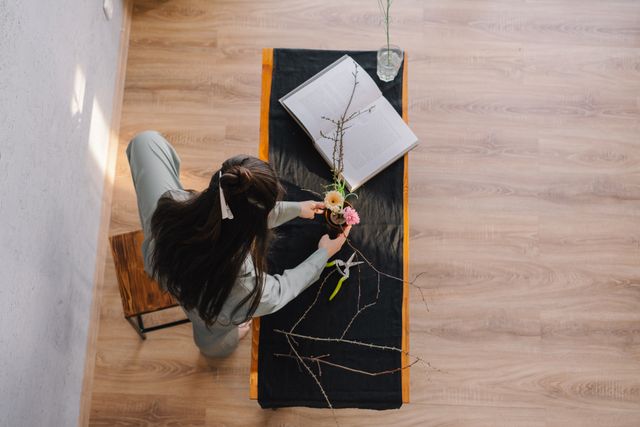
Modern life has become increasingly fast, connected and screen-driven. Smartphones, social media, streaming platforms, online shopping and instant messaging have changed the way people spend their free time. A few minutes of waiting can now be filled with scrolling, a quiet evening can quickly become several hours of streaming, and conversations can continue through notifications long after the working day has ended. While digital entertainment offers convenience and endless choices, a growing interest in slower and quieter activities is beginning to emerge alongside it.
Reading, gardening and crafting are examples of hobbies that do not depend on constant notifications or rapid digital stimulation. They encourage people to spend time with a book, care for a plant, work with their hands or create something at their own pace. These activities have existed for generations, but their appeal is being rediscovered in a world where much of everyday life takes place through screens.
The renewed interest in quiet hobbies is not necessarily a rejection of technology. Instead, it reflects a desire for balance. People are increasingly looking for activities that provide a break from digital demands, encourage concentration and create a sense of progress without requiring constant productivity. A book can be read without checking notifications. A plant can be cared for without opening an application. A handmade object can be created without competing with an algorithm.
Quiet hobbies are therefore becoming part of a broader conversation about how people want to spend their attention. Their popularity raises an interesting question: why are activities that once seemed ordinary becoming attractive again in a highly connected world?
What Are Quiet Hobbies?
Quiet hobbies are activities that can generally be performed at a relaxed pace and with relatively low levels of external stimulation. They often involve concentration, creativity, observation or repetitive physical activity rather than constant interaction with digital platforms.
Reading, gardening and crafting fit naturally into this category, although they are not the only examples. Drawing, painting, knitting, journaling, cooking, pottery, puzzles, calligraphy and collecting can also provide similar experiences. What connects these activities is not simply that they are quiet. Their value often comes from the fact that they allow people to become absorbed in one activity without continuously switching between sources of information.
This characteristic is particularly relevant in an environment where multitasking has become normal. A person may listen to a video while replying to messages and checking social media. Quiet hobbies offer a different rhythm. They create opportunities to focus on one thing and allow the activity itself to become the main experience.
Reading Is Finding Its Way Back
Reading is one of the simplest examples of a quiet hobby, yet its role has changed considerably over time. Books have traditionally been associated with education, entertainment and personal development, but digital media has introduced countless alternatives for consuming information and stories.
Despite this transformation, physical books, e-readers and audiobooks continue to attract readers. Part of the appeal lies in the focused nature of reading. A novel asks readers to remain with a story for longer than the average social media post. A nonfiction book can require sustained attention to understand an argument or idea. This slower pace can feel refreshing when much of online content is designed to be consumed quickly.
Reading can also provide an alternative form of entertainment that does not require constant visual movement. Instead of rapidly moving from one piece of content to another, readers build an experience through pages and chapters. The sense of progression is gradual, which can make completing a book feel different from finishing a stream of short-form content.
For younger generations in particular, reading is also becoming part of a broader lifestyle culture. Book clubs, reading challenges, literary communities and online discussions have helped books remain socially relevant even when the actual reading experience takes place away from a screen.
The Appeal of Gardening in Urban Life
Gardening might seem difficult to reconcile with modern urban lifestyles, particularly for people living in apartments or cities with limited outdoor space. Yet gardening has adapted to these environments through balcony plants, indoor gardens, terrace gardens, kitchen herbs and small container gardens.
One reason gardening remains attractive is that it introduces a connection with natural processes. Plants grow according to their own timelines. They cannot be refreshed with a button or accelerated simply because someone wants immediate results. Caring for a plant requires observation, consistency and patience.
This can provide a useful contrast to digital environments, where information and entertainment arrive almost instantly. A seed may take days or weeks to develop. A new leaf appears gradually. A vegetable garden produces results according to seasons rather than notifications.
Gardening can also make everyday spaces feel more personal. A small balcony filled with plants can become a place to sit, observe nature and take a break from screens. For some people, growing herbs or vegetables also creates a stronger connection between food and the process of producing it.
Crafting and the Return of Making Things by Hand
Crafting has experienced a renewed cultural interest as people rediscover the satisfaction of making physical objects. Knitting, embroidery, crochet, pottery, woodworking, paper crafts, painting and handmade decorations are examples of activities that allow people to transform materials through their own effort.
One of the strongest attractions of crafting is the visible connection between effort and result. A person can begin with yarn, fabric, clay, paper or wood and gradually turn it into something recognizable. The final object carries evidence of the time and attention invested in creating it.
This experience is different from many digital activities in which the result can disappear as quickly as it appears. A handmade object can remain physically present. It can be used, displayed, gifted or kept as a reminder of the experience.
Crafting also provides room for imperfection. Handmade work does not necessarily need to look identical to something produced commercially. Small differences can become part of its character. In a culture where polished digital images are common, this acceptance of imperfection can be particularly appealing.
Why People Are Seeking Less Stimulation
The renewed interest in quiet hobbies is closely connected with the experience of digital overload. Modern consumers are exposed to an enormous amount of information every day. Messages, news updates, advertisements, videos, social media posts and workplace communications compete for attention.
Continuous stimulation can make genuine rest difficult. Even when a person is physically inactive, their attention may remain occupied by rapidly changing information. Quiet hobbies provide a different form of engagement. Reading requires following a narrative. Gardening requires observing and caring.
Crafting requires manipulating materials and solving small creative problems. These activities can be absorbing without being continuously stimulating. This distinction matters because rest does not always mean doing nothing. Sometimes rest can mean switching from a demanding form of attention to a slower and more intentional one.
Quiet Hobbies and the Need for Digital Balance
The growing popularity of quiet hobbies should not be interpreted as evidence that people need to abandon technology. Digital tools have made hobbies more accessible in many ways. People can discover gardening tutorials online, join virtual book clubs, learn knitting techniques through videos or find communities interested in painting and crafts.
Technology can therefore act as a gateway to offline activities. A beginner might discover a new hobby through social media and then spend hours practicing it away from the screen. In this situation, the digital environment becomes a starting point rather than the final destination.
The important distinction is whether technology supports the hobby or replaces the experience. Watching ten videos about gardening is not the same as planting something. Saving hundreds of craft ideas does not produce a handmade object.
Reading reviews about books is different from actually reading one. The return of quiet hobbies may therefore represent a shift from passive consumption toward active participation.
The Satisfaction of Visible Progress
Another reason quiet hobbies are attractive is that they offer visible and tangible progress. A reader can see the number of completed chapters. A gardener can observe new growth. A person learning embroidery can compare an early attempt with later work.
This kind of progress can feel meaningful because it is connected to time and effort. It does not necessarily involve grades, rankings, followers or public approval. Modern digital platforms often measure engagement through numbers such as views, likes, followers and comments.
Quiet hobbies offer alternative measures of achievement. Finishing a difficult book, growing a healthy plant or completing a handmade project can be personally satisfying even when nobody else sees the result. This makes these hobbies particularly relevant to people who want activities that are rewarding without being competitive.
The Social Side of Quiet Activities
Quiet hobbies may appear solitary, but they can also create meaningful social connections. Reading groups bring people together around books. Gardening communities exchange knowledge about plants and growing conditions. Crafting groups share techniques, patterns and creative ideas.
In many cases, the social experience develops around the activity rather than replacing it. People can work on separate projects while talking, attend workshops or exchange handmade creations. This can provide a different type of social interaction from social media.
Instead of constantly presenting personal updates to a large audience, hobby communities often revolve around shared interests and practical participation. Online communities can also support these offline connections. A person can discover a local gardening group through a digital platform or learn about a craft workshop through an online community. The physical activity and digital connection can complement one another.
Quiet Hobbies and Younger Generations
The return of traditional hobbies is particularly interesting among younger people who have grown up surrounded by digital technology. For many younger users, online communication is not an unusual addition to everyday life; it is a normal part of education, entertainment and social interaction.
As a result, offline experiences can sometimes feel distinctive. Reading a physical book, growing plants or creating something manually can provide an experience that is noticeably different from everyday digital routines.
This does not mean that younger generations are abandoning technology. Instead, many are combining digital and physical experiences. A person may use a smartphone to find a recipe, watch a tutorial and then spend an hour cooking without using the phone again. This combination demonstrates how hobbies can evolve rather than simply return in their original form.
The Role of Slow Creativity
Quiet hobbies are also connected to the growing interest in slow creativity. Unlike content creation designed for immediate online attention, slow creative activities allow people to work without necessarily publishing the result.
Crafting, painting, writing and gardening can all become personal creative practices. The purpose does not have to be building an audience. The process itself can be enough. This shift is important because social media has made public sharing a common part of creative activity.
People often create with the expectation that the finished work will be photographed, posted and evaluated. Quiet creativity allows the possibility of making something simply because the process is enjoyable. It brings creativity back to a personal space where experimentation and mistakes are acceptable.
Quiet Hobbies in a Busy Lifestyle
One might assume that quiet hobbies require large amounts of free time, but many can be adapted to busy schedules. A person does not need an entire afternoon to read. A few plants can be maintained in a small space. A small craft project can be completed gradually over several days.
The key is not the amount of time but the quality of attention given to the activity. Even a short period of focused reading or caring for plants can create a meaningful transition between work and rest.
For students, professionals and parents, these activities can become small rituals within everyday routines. They can mark the end of a workday, provide a break between responsibilities or create a screen-free part of the evening.
Quiet Hobbies and Consumer Culture
There is also an interesting contradiction in the modern revival of quiet hobbies. Activities that once required very little equipment can now generate entire markets of specialised products. Gardening has premium tools, crafting has extensive supplies, and reading has accessories, subscriptions and specialised devices.
This commercialisation can be useful because it makes hobbies more accessible, but it can also create the impression that people need expensive equipment to participate. The fundamental appeal of quiet hobbies does not require constant purchasing.
Reading can begin with a library book. Gardening can start with a few plants. Crafting can begin with basic materials. Keeping the focus on the activity rather than the consumption surrounding it can make these hobbies more accessible and sustainable.
The Future of Quiet Hobbies
The return of quiet hobbies is unlikely to mean a return to a completely pre-digital lifestyle. Instead, the future is likely to involve a combination of digital convenience and offline experience. Technology will continue to help people discover books, identify plants, learn crafting techniques and connect with communities.
At the same time, the actual experience of reading, gardening and making things can provide valuable time away from constant digital stimulation. This balance may become increasingly important as technology becomes more deeply integrated into work, education and entertainment.
As artificial intelligence and digital services become capable of delivering information instantly, activities that require patience and physical participation may become even more distinctive. The appeal of quiet hobbies may therefore grow not because people are becoming less interested in technology, but because they are becoming more conscious of how they spend their attention.
Conclusion
The renewed interest in reading, gardening and crafting reflects more than nostalgia for traditional pastimes. These activities offer something that can be difficult to find in a highly connected world: slower attention, tangible progress and opportunities to create without constant digital interruption.
Reading encourages sustained engagement with ideas and stories. Gardening introduces patience and a connection with natural processes. Crafting turns time and materials into something physical and personal. None of these activities requires constant notifications, algorithms or public approval to be meaningful.
Their return also highlights an important change in how people think about leisure. Free time does not always need to be filled with more information or entertainment. Sometimes it can be used to read a chapter, care for a plant, make something by hand or simply concentrate on one activity without interruption.
The future of healthy leisure may not involve choosing between digital and offline life. Instead, it may involve learning how to use both intentionally. In a world where screens increasingly compete for attention, quiet hobbies offer a reminder that slowing down can itself be a meaningful way to spend time.
Online Internship with Certificate
You may be interested

Sleep Debt: What Happens When Short Nights Become a Routine?
Anshika Jain - September 22, 2026Sleep is often treated as something that can be postponed when life becomes busy. A late-night work assignment, an early morning class, a long commute, social media…

Digital Overload and Emotional Fatigue: When Screens Start Affecting Mood
Anshika Jain - September 22, 2026Screens have become a constant part of modern life. People use smartphones to communicate, computers to work, tablets to study, televisions to relax, and social media platforms…

The Psychology of Doomscrolling: Why People Keep Reading Negative News
Anshika Jain - September 22, 2026A person opens their smartphone to check one news update before going to bed. A few minutes later, they are reading about another crisis, then another alarming…
Most from this category


Millets Are Back: Why Traditional Grains Are Finding a Place on Modern Plates
Anshika Jain - September 22, 2026
Smartwatches and Fitness: Are People Becoming More Aware of Their Daily Activity?
Anshika Jain - September 21, 2026
AI Nutrition vs Human Nutritionists: How Technology Is Entering Personal Diet Planning
Anshika Jain - September 21, 2026
Why People Are Moving From Crash Diets to Sustainable Eating
Anshika Jain - September 22, 2026Millets Are Back: Why Traditional Grains Are Finding a Place on Modern Plates
Anshika Jain - September 22, 2026Smartwatches and Fitness: Are People Becoming More Aware of Their Daily Activity?
Anshika Jain - September 21, 2026
Sleep Debt: What Happens When Short Nights Become a Routine?
September 22, 2026

The Psychology of Doomscrolling: Why People Keep Reading Negative News
September 22, 2026
Why People Are Moving From Crash Diets to Sustainable Eating
September 22, 2026
.png)
Leave a Comment
You must be logged in to post a comment.