
Remote Patient Monitoring: How Healthcare Is Extending Into the Home

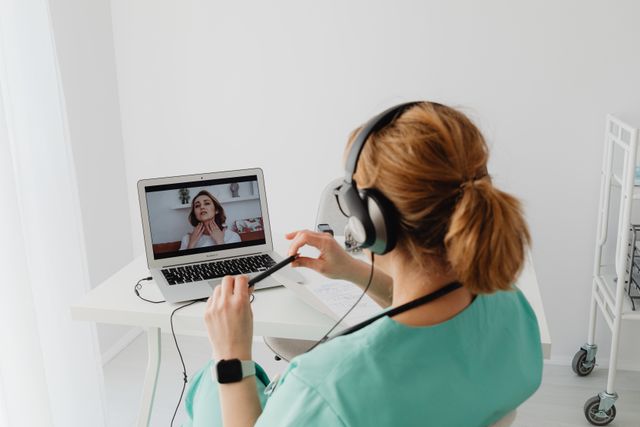
For decades, healthcare has largely depended on patients visiting hospitals, clinics, and diagnostic centres to receive medical attention. Doctors examine symptoms during consultations, review test results, prescribe treatments, and schedule follow-up appointments. Although this model remains essential, it can leave significant gaps between medical visits, particularly for people living with chronic diseases, older adults, and patients recovering from hospitalisation.
Remote patient monitoring is changing this traditional approach by allowing healthcare professionals to collect and review selected health information while patients remain at home. Through connected medical devices, wearable sensors, mobile applications, and digital communication platforms, information such as blood pressure, heart rate, blood glucose, oxygen saturation, and body weight can be shared with healthcare teams without requiring every measurement to take place in a medical facility.
This approach represents an important development in digital healthcare. Instead of relying exclusively on occasional consultations, clinicians may be able to identify meaningful changes in a patient’s condition between appointments and determine whether further assessment or treatment adjustments are necessary. Patients can also become more involved in managing their health because they can observe certain measurements and understand how daily activities may relate to their condition.
However, remote patient monitoring is not simply a matter of connecting a medical device to the internet. It requires accurate equipment, reliable data transmission, appropriate clinical oversight, secure information systems, and clear procedures for responding to concerning results. Without these elements, digital monitoring may create additional work or provide information that does not improve care.
As healthcare systems explore more flexible models of treatment, remote patient monitoring is becoming an important way to extend selected healthcare services into the home. Its long-term value will depend on whether it improves clinical outcomes, makes care more accessible, and supports patients without replacing essential human interaction.
What Is Remote Patient Monitoring?
Remote patient monitoring, commonly known as RPM, is the use of digital technologies to collect health-related information from patients outside traditional clinical settings and transmit that information to healthcare professionals for assessment. It may form part of a wider telehealth programme, a chronic disease management plan, or a recovery pathway following hospital discharge.
The devices used depend on the patient’s condition and the purpose of monitoring. A person with hypertension may use a connected blood pressure monitor, while someone managing diabetes may use a glucose monitoring device. Patients with selected cardiovascular or respiratory conditions may be asked to record weight, heart rate, oxygen saturation, or other measurements relevant to their treatment.
Information may be transmitted automatically through a connected device or entered manually into a secure application. Healthcare professionals can review the readings, compare them with previous measurements, and assess whether the patient’s condition appears stable or requires further investigation.
Remote patient monitoring differs from a routine video consultation because it can provide repeated measurements between appointments. It also differs from general fitness tracking because clinical RPM programmes are designed around specific healthcare objectives and should use suitable devices, monitoring protocols, and professional oversight.
Not every patient requires remote monitoring, and not every measurement needs to be collected continuously. The appropriate frequency depends on the condition, the treatment plan, the reliability of the equipment, and the decisions the information is intended to support.
How Remote Patient Monitoring Works
Selecting the Right Patients and Measurements
Remote patient monitoring usually begins with a clinical assessment to determine whether monitoring is appropriate for a particular patient. Healthcare professionals consider the person’s diagnosis, medical history, treatment requirements, ability to use the equipment, and access to suitable technology.
The clinical team then identifies which measurements are relevant. A patient with high blood pressure may be asked to take readings at specific times, while someone with diabetes may require more frequent glucose monitoring. For a patient recovering from certain illnesses, the programme may include symptom reporting and measurements related to recovery.
Establishing a clear purpose is essential. Monitoring should focus on information that can support a clinical decision rather than collecting large amounts of data without a defined use. Patients should understand what they need to measure, how to operate their devices, and when they should contact a healthcare professional.
Collecting and Transmitting Health Data
Once the programme begins, patients use the prescribed equipment according to the care plan. Some devices transmit measurements automatically to a digital platform, while others require patients to enter readings through an application or online portal.
Connected systems can reduce the need for manual data entry and help clinicians review information over time. However, reliable transmission depends on factors such as device compatibility, internet connectivity, battery life, and correct use of the equipment.
Healthcare providers must also establish procedures for missing or inconsistent readings. A sudden absence of data may indicate a technical problem, difficulty using the device, or a change in the patient’s circumstances. It should not automatically be interpreted as evidence that the patient’s health has worsened or improved.
Clinical Review and Follow-Up
The information collected through remote monitoring must be reviewed according to an agreed clinical workflow. Depending on the programme, healthcare professionals may examine readings during scheduled reviews, receive alerts when measurements cross predefined thresholds, or prioritise patients whose trends suggest a need for further assessment.
An abnormal reading does not automatically indicate an emergency. Clinicians may need to repeat the measurement, ask about symptoms, review medication, or arrange an in-person examination. In other situations, concerning symptoms may require urgent care regardless of what a monitoring device reports.
A reliable programme therefore establishes who reviews the information, how quickly different alerts require a response, and how patients can access help outside scheduled monitoring periods. Technology supports the process, but clinical judgement determines what action is appropriate.
The Role of Technology in Home-Based Healthcare
Connected Medical Devices and Wearables
Connected medical devices form the foundation of many remote patient monitoring programmes. Blood pressure monitors, glucose sensors, digital weighing scales, pulse oximeters, and other devices can collect measurements that would otherwise require a clinic visit or manual reporting.
Wearable technologies can provide additional information about selected physiological indicators and daily activity patterns. When used for an appropriate purpose, these measurements may help healthcare professionals understand changes that occur during ordinary daily life.
However, not all consumer wearables are designed or validated for clinical decisions. Device accuracy can vary, and readings may be affected by movement, positioning, environmental conditions, or user error. Healthcare providers should select equipment suitable for the clinical task and explain its limitations to patients.
Artificial Intelligence and Predictive Analytics
Artificial intelligence can help organise and analyse the information generated by remote monitoring systems. Algorithms may identify patterns across repeated measurements, flag deviations from a patient’s usual readings, or help healthcare teams prioritise patients who need further review.
For example, a monitoring platform may highlight a sustained change in weight or blood pressure that deserves attention in the context of a patient’s medical condition. Predictive models may also estimate the likelihood of certain outcomes based on combinations of measurements and historical information.
These systems can support clinical decision-making, but they cannot guarantee that a deterioration will be detected or correctly predicted. False alerts may lead to unnecessary follow-up, while missed alerts can create a false sense of security. Models may also perform differently across patient groups or clinical settings.
AI-generated findings should therefore be validated, interpreted in context, and reviewed through appropriate clinical processes. The responsibility for diagnosis and treatment must remain clearly defined.
Digital Health Records and Integrated Platforms
Remote monitoring becomes more useful when its information can be considered alongside a patient’s wider medical history. Integration with electronic health records can help clinicians review current measurements together with previous diagnoses, prescriptions, laboratory results, and treatment plans.
Without effective integration, healthcare teams may need to access multiple platforms or manually transfer readings between systems. This increases administrative effort and creates opportunities for information to be missed or recorded incorrectly.
Secure data exchange, consistent terminology, and clear access controls are essential for integrating monitoring systems into everyday healthcare. Patients must also understand how their information is collected and shared, and organisations must follow the privacy and security requirements that apply to their services.
How Remote Patient Monitoring Can Improve Patient Care
Supporting Chronic Disease Management
Chronic conditions often require ongoing observation, treatment adjustments, and regular communication between patients and healthcare professionals. Traditional consultations provide important opportunities for assessment, but they may not reveal how a condition changes throughout the weeks between visits.
Remote monitoring can provide additional information for managing conditions such as hypertension and diabetes, as well as selected cardiovascular and respiratory diseases. Repeated measurements may help clinicians assess treatment response, recognise patterns, and determine whether further evaluation is appropriate.
For patients, monitoring can encourage greater awareness of their condition and help them understand the importance of following a treatment plan. Nevertheless, devices should not encourage patients to change medication independently unless they have received specific instructions from their healthcare team.
Reducing Unnecessary Travel and Clinic Visits
Travelling to a healthcare facility can be difficult for people with limited mobility, demanding work schedules, caregiving responsibilities, or long distances between home and medical services. Remote patient monitoring can reduce the need for some routine measurement visits and make follow-up more convenient.
For older adults and people managing long-term conditions, avoiding unnecessary travel may reduce physical strain and the time spent arranging appointments. Healthcare professionals may also gain more flexibility in reviewing suitable patients remotely.
However, remote monitoring cannot replace every in-person consultation. Physical examinations, diagnostic procedures, treatment administration, and certain clinical assessments still require direct contact. The aim is to choose the appropriate setting for each part of the care pathway rather than eliminate face-to-face healthcare.
Improving Care After Hospital Discharge
The period following hospital discharge can be particularly important because a patient’s condition may change as they return to everyday activities. Some people may be uncertain about which symptoms are expected during recovery and which require medical attention.
Remote monitoring can support selected patients during this period by allowing care teams to review relevant measurements and reported symptoms. Depending on the condition, this may help identify changes that require a follow-up call, medication review, or further examination.
Effective post-discharge monitoring requires more than a device. Patients need clear discharge instructions, an appropriate treatment plan, access to professional advice, and a reliable pathway for urgent assessment. Monitoring should strengthen these arrangements rather than substitute for them.
Encouraging Patient Participation
Remote monitoring can make certain aspects of healthcare more visible to patients. Reviewing blood pressure readings, glucose trends, or other relevant measurements may help people understand how their condition responds to daily routines and treatment.
This can support more informed discussions between patients and clinicians. Instead of relying entirely on memory during a consultation, patients may have a record of measurements and symptoms that helps explain what has happened between appointments.
However, frequent tracking can also create anxiety, particularly when normal fluctuations are misunderstood. Healthcare professionals should explain which changes matter, what the measurements can and cannot reveal, and when patients should seek advice.
Remote Patient Monitoring and the Changing Role of Healthcare Professionals
The expansion of remote monitoring changes how healthcare professionals obtain information and organise follow-up. Instead of depending exclusively on measurements collected during appointments, clinicians may have access to a more detailed record of a patient’s condition over time.
This can support more targeted consultations. A doctor may use monitoring data to identify questions that need further investigation, while nurses may contact patients whose readings suggest that additional assessment is appropriate. Multidisciplinary teams can also use shared information to coordinate selected aspects of care.
At the same time, remote monitoring creates new responsibilities. Someone must review alerts, respond to patient questions, address device problems, and document decisions. If these responsibilities are not clearly assigned, information may accumulate without timely clinical action.
Healthcare organisations must therefore redesign workflows to match the volume and urgency of the data being collected. They need realistic staffing arrangements, defined response times, appropriate escalation procedures, and systems for identifying patients who have stopped transmitting information.
The purpose is not to make clinicians available for every measurement at every moment. It is to create a reliable process through which clinically important information receives the right level of attention.
Challenges and Risks of Remote Patient Monitoring
Data Privacy and Cybersecurity
Remote patient monitoring involves transmitting sensitive health information through devices, applications, communication networks, and healthcare platforms. Every connection must be managed carefully to reduce the risk of unauthorised access or disclosure.
Healthcare providers should use appropriate authentication, encryption, access controls, secure data storage, and incident-response procedures. They should also evaluate the security practices of device manufacturers and technology providers involved in the monitoring process.
Patients need understandable information about what data is collected, how it is used, who can access it, and how long it is retained. Monitoring should serve a clear healthcare purpose, with privacy protections and consent arrangements appropriate to the applicable legal framework.
Technical Problems and Inaccurate Readings
Remote monitoring depends on reliable equipment and accurate measurements. Devices may malfunction, connectivity may fail, batteries may run out, or patients may use equipment incorrectly. These problems can result in incomplete or misleading information.
Healthcare programmes should provide training, clear instructions, technical support, and procedures for checking unusual readings. Where necessary, clinicians may ask patients to repeat measurements or arrange confirmation through another method.
The limitations of each device must also be understood. A normal reading does not rule out every serious condition, and an isolated abnormal result does not necessarily mean that a patient is deteriorating. Symptoms and clinical context remain important.
Alert Fatigue and Excessive Data
Monitoring systems can generate large numbers of notifications, particularly when thresholds are too sensitive or measurements naturally fluctuate. If clinicians receive too many low-value alerts, they may find it harder to prioritise the results that require immediate attention.
Patients can also become overwhelmed by repeated notifications and may worry about minor variations in their readings. In some cases, excessive monitoring can encourage unnecessary testing or create a sense that every measurement must be perfect.
Effective programmes should define clinically meaningful thresholds, prioritise alerts according to urgency, and explain expected variation to patients. Monitoring should reduce uncertainty where possible, not create continuous anxiety.
Unequal Access and Digital Literacy
Not every patient has access to a suitable smartphone, reliable internet connection, or the skills required to operate connected medical devices. Language barriers, disabilities, financial constraints, and limited technical support can make remote monitoring more difficult for some groups.
If healthcare services depend too heavily on digital access, patients who cannot use the technology may receive fewer opportunities for follow-up. This could widen existing inequalities rather than improve access.
Inclusive programmes may need to provide devices, training, technical assistance, accessible interfaces, and alternatives for patients who cannot participate digitally. Remote monitoring should be selected according to clinical suitability and patient circumstances, not treated as a universal requirement.
Remote Patient Monitoring in India
India’s healthcare system includes large hospital networks, independent clinics, community health services, and rural facilities with varying levels of infrastructure. Remote patient monitoring may create opportunities to support people who need regular observation but face difficulties travelling frequently to medical facilities.
In urban areas, connected devices and digital consultations may support follow-up for selected patients with chronic conditions or those recovering after treatment. In rural and remote regions, remote monitoring could help local healthcare professionals obtain additional information for clinical review, provided that devices, connectivity, staffing, and referral pathways are available.
However, technology cannot replace essential healthcare infrastructure. An abnormal reading is useful only if a qualified professional can interpret it and arrange appropriate treatment. Rural programmes may therefore require reliable connectivity, local clinical support, diagnostic access, and clear procedures for emergencies.
Affordability is another important consideration. Patients may face costs associated with devices, internet access, consultations, and ongoing monitoring. Healthcare providers must evaluate whether these costs are sustainable and whether remote services are reaching patients who could benefit most.
India’s digital health initiatives may support better coordination and information exchange when implemented with suitable privacy safeguards and interoperability standards. Nevertheless, successful remote monitoring depends on practical delivery, patient education, and integration with existing healthcare services.
A sustainable approach should evaluate clinical outcomes, patient experience, response times, affordability, and access across different communities. The number of devices distributed or measurements recorded is not enough to establish that a programme is improving health.
The Future of Healthcare at Home
Remote patient monitoring is likely to become a more integrated part of healthcare as connected devices, digital health platforms, and clinical analytics continue to develop. Future systems may combine patient-reported symptoms, home measurements, medical history, and selected wearable data to provide clinicians with a clearer view of changes over time.
Artificial intelligence may help prioritise information and identify patterns that require review, while improved integration with electronic health records may reduce fragmentation between providers. These developments could support more flexible follow-up and allow healthcare teams to focus attention where it is most useful.
However, the future of remote monitoring should not be defined by technology alone. Healthcare providers must ensure that systems are clinically validated, secure, accessible, and supported by adequate staffing. Patients should also retain access to in-person assessment when it is needed.
The most successful models will combine remote information with professional judgement and human communication. Technology can bring selected aspects of healthcare into the home, but safe treatment still depends on a reliable clinical system that responds when patients need assistance.
Conclusion: Extending Healthcare Beyond Traditional Settings
Remote patient monitoring is changing how healthcare providers observe and support patients outside hospitals and clinics. By collecting relevant health information at home, it can support chronic disease management, improve selected follow-up pathways, reduce some unnecessary visits, and help patients participate more actively in their care.
Its effectiveness depends on more than the availability of connected devices. Accurate measurements, secure information exchange, trained professionals, clear clinical workflows, and timely responses are essential to ensuring that monitoring produces meaningful benefits.
The model also requires careful attention to privacy, digital access, technical reliability, and the risk of overwhelming clinicians and patients with excessive information. Remote monitoring should complement physical examinations and conventional medical services rather than attempt to replace them universally.
As healthcare becomes more connected, the home may increasingly become an important setting for selected forms of medical observation and follow-up. The objective is not simply to move technology into patients’ homes, but to make appropriate healthcare more responsive, accessible, and continuous.
Ultimately, remote patient monitoring will succeed when the information it collects leads to better decisions, safer care, and improved patient experiences. Technology provides the connection, but clinical expertise and patient-centred care give that connection its real value.
Online Internship with Certificate
You may be interested
Quantified Human: When Health Becomes a Stream of Biological Data
Anshika Jain - October 14, 2026Human health has traditionally been understood through occasional medical examinations, laboratory investigations, physical symptoms and consultations with healthcare professionals. A person might visit a doctor when experiencing…

Architecture of Human Resilience: How Genetics and Behaviour Interact
Anshika Jain - October 14, 2026Human resilience is often described as the ability to recover from adversity, adapt to challenges, and maintain health despite difficult circumstances. However, resilience is not simply a…
From Reactive Medicine to Predictive Biology: Computational Transformation of Healthcare
Anshika Jain - October 14, 2026For much of modern medical history, healthcare has operated through a largely reactive model. Patients develop symptoms, consult clinicians, undergo diagnostic tests, and receive treatment after a…
Most from this category

From Biomarkers to Biological Signatures: Comprehensive Measures of Human Health
Anshika Jain - October 14, 2026
Virtual Wards: Could Digital Monitoring Reduce the Need for Traditional Hospitalization?
Anshika Jain - October 14, 2026
Extreme Heat and Human Physiology: How the Body Responds to a Warming World
Anshika Jain - October 13, 2026
Exposome and Urban Health: How Air, Noise, Chemicals and Lifestyle Interact
Anshika Jain - October 13, 2026
From Biomarkers to Biological Signatures: Comprehensive Measures of Human Health
Anshika Jain - October 14, 2026Virtual Wards: Could Digital Monitoring Reduce the Need for Traditional Hospitalization?
Anshika Jain - October 14, 2026Extreme Heat and Human Physiology: How the Body Responds to a Warming World
Anshika Jain - October 13, 2026


.png)
Leave a Comment
You must be logged in to post a comment.