
Exposome and Urban Health: How Air, Noise, Chemicals and Lifestyle Interact

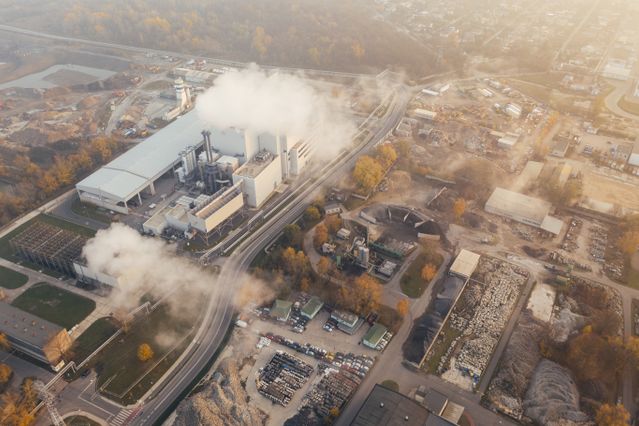
Urban life offers access to education, employment, healthcare, transportation, and modern infrastructure. However, living in a city also exposes people to a complex combination of environmental conditions that can influence physical and mental health. Air pollution, traffic noise, chemical contaminants, limited green spaces, irregular sleep, sedentary routines, and dietary patterns can interact throughout daily life. Understanding these influences requires looking beyond individual pollutants or lifestyle choices and examining the broader environment in which people live.
This perspective has led to growing interest in the exposome, a scientific concept that describes the totality of environmental exposures a person experiences throughout life and how these exposures interact with biological processes. Unlike research that examines a single pollutant or health risk in isolation, exposome research considers multiple external and internal influences together. It explores how environmental conditions, personal behaviours, social circumstances, and biological responses may combine to shape the risk of disease.
In rapidly growing cities, the exposome provides a useful framework for understanding why two people living in the same urban area may experience different health outcomes. Their exposure levels, housing conditions, occupations, daily routines, genetics, and access to healthcare may differ substantially. Studying these differences can help researchers identify preventable risks and develop more comprehensive approaches to urban public health.
What Is the Exposome?
The term exposome refers to the collection of environmental exposures experienced by an individual from conception throughout life. These exposures include physical, chemical, biological, social, and behavioural factors that may affect health. The concept complements the study of genetics by examining how the surrounding environment contributes to biological changes and disease development.
The exposome is not a fixed measurement. It changes as people move between locations, change occupations, adopt different habits, experience new social circumstances, and age. A person may encounter air pollution while commuting, noise while working, household chemicals during cleaning, artificial light at night, and dietary exposures through food and drinking water. Each exposure may have a different intensity, duration, and biological effect.
Researchers often describe the exposome through three broad dimensions. The general external exposome includes large-scale environmental and social conditions, such as climate, urban design, neighbourhood deprivation, and access to public services. The specific external exposome includes exposures more directly encountered by individuals, such as air pollutants, chemicals, tobacco smoke, diet, physical activity, and occupational hazards. The internal exposome encompasses the biological responses occurring within the body, including inflammation, hormonal changes, metabolic alterations, and changes in cellular activity.
These dimensions are closely connected. For example, living near a busy road may increase exposure to traffic-related air pollution and noise. If the surrounding neighbourhood also lacks safe walking areas, residents may experience lower physical activity. Together, these conditions can influence sleep, stress responses, and cardiometabolic health. The exposome framework helps researchers investigate these overlapping pathways instead of treating every risk factor as an independent problem.
Air Pollution: A Major Component of the Urban Exposome
Air pollution is among the most widely studied environmental influences on urban health. Cities may contain a mixture of particulate matter, nitrogen dioxide, ground-level ozone, carbon monoxide, and other pollutants released by vehicles, industries, construction activities, power generation, and household fuel combustion. The composition and concentration of pollution vary according to traffic patterns, weather, geography, land use, and local regulations.
Fine particulate matter, particularly PM2.5, is of special concern because its small size allows it to penetrate deep into the respiratory system. Some particles and associated compounds can contribute to inflammation and oxidative stress, while inhaled pollutants may also influence cardiovascular and other bodily systems. Long-term exposure to polluted air has been associated with increased risks of respiratory disease, cardiovascular disease, and premature mortality. Air pollution may also aggravate existing conditions such as asthma and chronic obstructive pulmonary disease.
The effects of air pollution are not limited to the moment of exposure. Repeated exposure over months or years may contribute to persistent biological stress. The health impact depends on the type of pollutant, concentration, exposure duration, individual susceptibility, and the presence of other risk factors. Children, older adults, outdoor workers, and people with pre-existing heart or lung conditions may face greater risks in certain circumstances.
Urban exposure also varies within a city. People living close to major roads, industrial areas, construction zones, or poorly ventilated environments may experience different pollution levels from residents in less congested neighbourhoods. Indoor conditions matter as well. Cooking emissions, tobacco smoke, cleaning products, and inadequate ventilation can add to the pollution people encounter outdoors.
Understanding the exposome therefore requires evaluating air pollution alongside housing quality, commuting habits, occupational conditions, and access to cleaner environments. Improving public transport, reducing vehicle emissions, strengthening industrial controls, expanding green infrastructure where appropriate, and improving indoor ventilation can help reduce exposure at its source.
Urban Noise and Its Effects on the Body
Noise pollution is another important but sometimes overlooked component of the urban exposome. Road traffic, railways, aircraft, construction, industrial activity, and dense neighbourhoods can create continuous or intermittent noise. Even when sound levels are not immediately perceived as harmful, repeated exposure can interfere with sleep, concentration, communication, and relaxation.
Noise affects health through both direct disruption and physiological stress responses. Sudden or persistent unwanted sounds can activate the body’s stress systems, increasing alertness and potentially influencing heart rate, blood pressure, and stress-related hormonal activity. Night-time noise may interrupt sleep or change its structure, even when a person does not fully awaken or remember the disturbance.
Sleep disruption can then affect other aspects of health. Insufficient or fragmented sleep may impair attention, emotional regulation, and daytime functioning. Over time, sleep problems can interact with stress, reduced physical activity, and metabolic changes. Research has linked chronic environmental noise exposure with cardiovascular risks, although the strength of the evidence varies by outcome and exposure type.
The interaction between noise and air pollution is particularly relevant in cities. Major roads often produce both traffic-related emissions and elevated sound levels. Residents near these roads may therefore experience several exposures at once. Studying air pollution without accounting for noise, or examining noise without considering the wider neighbourhood environment, can provide an incomplete picture of the health effects.
Urban planning can help address these risks through quieter road surfaces, better traffic management, building insulation, thoughtful placement of residential developments, and the protection of quiet public spaces. Green spaces may provide opportunities for recreation and perceived relief from noise, although vegetation alone cannot eliminate exposure to high traffic noise. Effective noise reduction generally requires attention to the source, the transmission pathway, and the places where people live and sleep.
Chemical Exposures in Everyday Urban Life
Chemical exposures are present in many aspects of modern urban living. They may originate from industrial emissions, vehicle exhaust, contaminated soil, drinking water, food packaging, household products, pesticides, paints, building materials, and personal-care products. The term chemical exposure covers a broad range of substances with different properties, levels of toxicity, and potential effects.
Some chemicals can persist in the environment for long periods, while others break down more rapidly. Certain substances may accumulate in living organisms, and others may be metabolised and eliminated relatively quickly. Exposure can occur through inhalation, ingestion, or contact with the skin. The health implications depend on the specific substance, dose, route of exposure, duration, and characteristics of the exposed person.
Examples studied in environmental health include lead, certain pesticides, some volatile organic compounds, and particular persistent industrial chemicals. Lead exposure can harm neurological development, especially in children. Some volatile organic compounds released by solvents, fuels, furnishings, or building materials can irritate the respiratory system or produce other effects depending on the compound and exposure level. Certain persistent chemicals have been investigated for their possible influence on hormone regulation, immune function, and metabolic health.
It is important not to assume that every chemical is equally dangerous or that detecting a substance automatically means that it will cause disease. Risk assessment must consider the chemical’s characteristics and the amount of exposure. Scientific evaluation also distinguishes between a hazard, which describes a substance’s potential to cause harm, and risk, which depends partly on the likelihood and extent of exposure.
Reducing harmful chemical exposure requires reliable monitoring, effective product and industrial regulations, safe handling practices, adequate ventilation, clean water infrastructure, and transparent public information. These measures are often more effective when they prevent contamination before it occurs rather than relying exclusively on individuals to avoid exposure after it has become widespread.
Lifestyle, Stress and the Built Environment
Lifestyle is a major part of the exposome, but lifestyle choices do not occur independently of the surrounding environment. Physical activity, diet, sleep, smoking, alcohol consumption, and daily stress are influenced by personal preferences as well as by housing, employment, income, transportation, neighbourhood safety, and the availability of services.
For example, a person may want to walk or cycle regularly but live in an area with unsafe roads, limited footpaths, extreme heat, or heavy pollution. Another person may struggle to prepare balanced meals because of long working hours, limited food access, or financial constraints. Shift work and long commutes can make it difficult to maintain regular sleep and meal schedules. These conditions demonstrate why urban health cannot be explained solely through individual responsibility.
Chronic psychological stress can also connect environmental conditions with biological responses. Financial insecurity, crowded housing, workplace pressure, discrimination, traffic congestion, and persistent noise may contribute to ongoing stress. When stress is prolonged, it can affect sleep, mood, appetite, hormonal regulation, and cardiovascular functioning. The effects vary between individuals and depend on the intensity and duration of stress, available social support, and other protective factors.
The built environment can either reduce or intensify these pressures. Accessible parks, reliable public transportation, safe walking routes, community facilities, and well-designed housing can support healthier routines. In contrast, long travel times, limited recreation spaces, unsafe streets, and inadequate housing may make healthy behaviours harder to sustain.
This interaction is central to exposome research because environmental conditions can influence several lifestyle factors simultaneously. A neighbourhood with heavy traffic, poor air quality, limited green space, and high noise levels may affect outdoor activity, sleep, and stress at the same time. Addressing only one behaviour may therefore be less effective than improving the wider conditions that shape everyday life.
How Environmental Exposures Interact Inside the Body
One of the most important questions in exposome research is how multiple exposures interact biologically. The human body responds to environmental influences through interconnected systems rather than isolated pathways. The immune system, nervous system, endocrine system, cardiovascular system, and metabolism continuously exchange signals that help maintain internal stability.
Oxidative stress is one possible pathway linking certain environmental exposures with biological changes. It occurs when the production of reactive molecules exceeds the body’s ability to neutralise them and repair resulting damage. Some air pollutants and chemical exposures can contribute to oxidative stress under particular conditions. Persistent oxidative stress may affect cellular structures and signalling processes.
Inflammation is another relevant pathway. Inflammatory responses are essential for defending the body against infection and repairing injury, but persistent or inappropriate inflammation can contribute to disease processes. Exposure to certain pollutants may trigger inflammatory responses in the respiratory system, while broader biological effects are being investigated across different health outcomes.
Metabolic disruption is also an active area of research. Scientists are investigating whether certain chemical exposures, sleep disturbances, and environmental stressors may influence insulin sensitivity, lipid regulation, or energy balance. However, the evidence differs considerably among exposures, and associations do not always establish causation. Researchers must account for diet, physical activity, socioeconomic circumstances, medical history, and other potential confounding factors.
The exposome approach is valuable because it encourages scientists to study these mechanisms together. Instead of asking whether a single pollutant causes a particular outcome, researchers can examine whether combinations of exposures have additive, synergistic, or modifying effects. Such interactions may help explain why the same exposure does not produce identical outcomes in every person.
Measuring the Exposome: From Environmental Monitoring to Personal Data
Measuring the exposome is challenging because exposures vary across time and place. A single blood test, air-quality reading, or questionnaire cannot capture every environmental influence experienced throughout a person’s life. Researchers therefore combine different methods to build a more comprehensive exposure profile.
Environmental monitoring provides information about pollution levels, noise intensity, temperature, and other external conditions. Personal sensors may estimate an individual’s exposure while travelling, working, or spending time indoors. Geographic information systems can connect residential or workplace locations with traffic density, industrial activity, green space, and other neighbourhood characteristics.
Biological measurements add another layer. Biomonitoring examines substances or their breakdown products in samples such as blood, urine, or hair. These measurements can help estimate internal exposure to certain chemicals, although they may reflect only a particular period and do not necessarily indicate whether harm has occurred. Metabolomics, proteomics, and other molecular approaches can help identify biological changes associated with environmental influences.
Wearable devices and digital health tools may provide additional information about sleep, movement, heart rate, and daily routines. When used responsibly, these data can help researchers investigate how environmental conditions correspond with physiological patterns. However, wearable measurements are not equivalent to comprehensive clinical assessments, and they may be affected by device limitations, user behaviour, and measurement errors.
Privacy is another essential concern. Personal location records, biological samples, health information, and wearable data can reveal sensitive details about an individual’s life. Responsible exposome research requires informed consent, data protection, clear governance, and safeguards against discriminatory uses of environmental or health information.
Environmental Inequality and the Urban Exposome
Environmental exposures are not distributed equally across urban populations. Housing costs, neighbourhood development, employment patterns, infrastructure investment, and regulatory enforcement can influence who experiences the greatest exposure. Lower-income communities may be more likely to live near busy roads, industrial areas, waste facilities, or poorly maintained housing, although patterns differ across cities and countries.
Occupational exposure can create further differences. Construction workers, delivery personnel, traffic police, street vendors, sanitation workers, and other outdoor workers may spend substantial periods in environments affected by pollution, heat, and noise. Their ability to reduce exposure may be limited by working conditions and financial needs.
Children face particular concerns because their bodies are developing and they may have different patterns of exposure from adults. Older adults and people with chronic illnesses may also be more vulnerable to certain environmental conditions. At the same time, access to air filtration, quieter housing, healthcare, green spaces, and flexible working arrangements can help some people reduce their exposure more easily than others.
These inequalities show why the exposome is not merely a scientific measurement problem. It is also a public policy issue. Effective responses require environmental monitoring, fair enforcement of standards, safer housing, accessible healthcare, improved transport, and meaningful participation by affected communities. Policies that reduce exposure at the population level can provide broader benefits than interventions that depend entirely on individual purchasing power or behaviour.
Reducing Urban Exposome Risks: What Can Be Done?
Improving urban health requires action at several levels. Governments and city authorities can reduce pollution through cleaner transport systems, emissions controls, effective waste management, safe water infrastructure, and better urban planning. Building standards can improve ventilation and reduce exposure to harmful indoor contaminants. Noise policies and transport planning can help protect residential areas from persistent disturbance.
Employers also have an important role in reducing occupational exposure. Appropriate protective equipment, ventilation, safer materials, exposure monitoring, rest breaks, and enforceable workplace standards can help protect workers. Public health systems can support prevention by communicating environmental risks clearly and providing appropriate guidance for vulnerable populations during periods of poor air quality, extreme heat, or other hazardous conditions.
Individuals can take practical steps where feasible. Checking reliable local air-quality information, avoiding unnecessary exposure during severe pollution episodes, ventilating indoor spaces appropriately, reducing indoor smoke, using chemicals according to product instructions, maintaining regular sleep routines, and making time for physical activity can contribute to healthier living. The best response depends on the exposure involved; for instance, opening windows may improve indoor ventilation in some circumstances but may be unhelpful when outdoor pollution is very high.
Personal strategies, however, cannot replace effective public policy. People cannot independently eliminate traffic emissions, industrial contamination, unsafe housing, or persistent community noise. The greatest benefits are likely to come from combining individual risk reduction with structural improvements that make healthier choices practical and accessible.
Future research may enable more personalised assessments of environmental exposure and susceptibility. Scientists could eventually combine location data, environmental sensors, biological measurements, and health records to identify patterns that warrant earlier intervention. Such approaches must remain evidence-based and should not imply that complex health outcomes can be predicted perfectly from a person’s data.
Conclusion: Seeing Urban Health as a Connected System
The exposome offers a broader way to understand the relationship between modern environments and human health. Air pollution, noise, chemical contaminants, lifestyle patterns, psychological stress, and urban design do not operate in isolation. They can overlap across daily life and influence interconnected biological systems, sometimes increasing health risks over time.
By examining these exposures together, researchers can move beyond single-risk explanations and investigate how environmental conditions interact with personal circumstances and biological responses. This perspective also highlights the importance of environmental inequality, responsible data collection, and public policies that reduce harmful exposures before they cause damage.
As cities continue to grow, improving health will require more than encouraging individuals to adopt healthier habits. It will also require creating neighbourhoods, workplaces, transport systems, and homes that support healthy living. Understanding the exposome can help guide this transition by showing that urban health is shaped not by one isolated factor, but by the combined conditions in which people live, work, travel, and age.
Online Internship with Certificate
You may be interested

Extreme Heat and Human Physiology: How the Body Responds to a Warming World
Anshika Jain - October 13, 2026Extreme heat is becoming an increasingly important public health challenge as global temperatures rise and heatwaves become more frequent or intense in many regions. High temperatures affect…

Chrononutrition: how the timing of food intake interacts with circadian biology
Anshika Jain - October 13, 2026Nutrition is often discussed in terms of calories, protein, carbohydrates, fats, vitamins, and minerals. However, an additional factor is attracting growing scientific attention: the timing of food…

Nutrient Sensing: How Cells Detect and Respond to Energy Availability
Anshika Jain - October 13, 2026Every cell in the human body requires energy and nutrients to survive, grow, repair damage, and perform specialised functions. However, the availability of nutrients is not constant.…
Most from this category

Science of Satiety: How the Brain and Gut Communicate to Regulate Hunger
Anshika Jain - October 13, 2026
Muscle as an Endocrine Organ: Why Skeletal Muscle May Influence More Than Movement
Anshika Jain - October 13, 2026
Autophagy and Cellular Maintenance: Understanding the Body’s Internal Recycling System
Anshika Jain - October 8, 2026
Geroscience: Why Scientists Are Studying Aging as a Modifiable Biological Process
Anshika Jain - October 8, 2026
Science of Satiety: How the Brain and Gut Communicate to Regulate Hunger
Anshika Jain - October 13, 2026Muscle as an Endocrine Organ: Why Skeletal Muscle May Influence More Than Movement
Anshika Jain - October 13, 2026Autophagy and Cellular Maintenance: Understanding the Body’s Internal Recycling System
Anshika Jain - October 8, 2026




.png)
Leave a Comment
You must be logged in to post a comment.