
Extreme Heat and Human Physiology: How the Body Responds to a Warming World

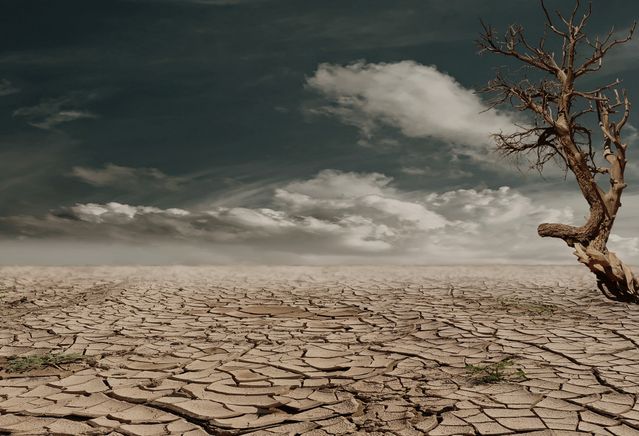
Extreme heat is becoming an increasingly important public health challenge as global temperatures rise and heatwaves become more frequent or intense in many regions. High temperatures affect far more than physical comfort. They place additional demands on the human body’s systems for regulating temperature, maintaining circulation, balancing fluids, and supplying oxygen to vital organs. When these demands exceed the body’s ability to adapt, heat exposure can lead to dehydration, heat exhaustion, heatstroke, and complications involving the cardiovascular, renal, and nervous systems.
The human body functions within a relatively narrow internal temperature range. To maintain this balance, it continuously adjusts heat production and heat loss in response to environmental conditions, physical activity, clothing, hydration, and individual health. Under ordinary circumstances, these mechanisms operate efficiently. However, prolonged exposure to extreme heat, especially when combined with high humidity, intense sunlight, or strenuous activity, can overwhelm the body’s cooling capacity.
Understanding the physiology of extreme heat is essential because the consequences are not experienced equally by everyone. Older adults, young children, outdoor workers, athletes, and people with certain chronic illnesses may face increased risks. Urban residents can also experience additional exposure because buildings, roads, and other surfaces absorb and retain heat, creating warmer conditions than surrounding areas.
Examining how the body responds to heat provides insight into the biological mechanisms behind heat-related illness and explains why prevention, early recognition, and climate adaptation are becoming increasingly important.
Thermoregulation: How the Body Maintains Its Internal Temperature
Thermoregulation is the process through which the body maintains its internal temperature despite changes in the surrounding environment. In healthy adults, core body temperature is generally maintained close to 37°C, although it naturally varies with activity, time of day, and individual characteristics. Maintaining this balance is essential because cellular reactions, enzyme activity, and organ function depend on appropriate temperature conditions.
The hypothalamus, a region of the brain, plays a central role in temperature regulation. It receives information from temperature-sensitive receptors in the skin and deeper tissues, compares this information with the body’s regulatory requirements, and coordinates responses that help preserve thermal balance. When body temperature rises, the nervous system activates mechanisms that promote heat loss. When the body becomes cold, it initiates responses that conserve or generate heat.
The body exchanges heat with its surroundings through radiation, convection, conduction, and evaporation. Radiation involves the transfer of heat between surfaces without direct contact, while convection occurs when moving air or water carries heat away from the body. Conduction involves direct contact with another surface. Evaporation, particularly through sweating, becomes especially important when environmental temperatures are high.
These mechanisms do not operate with equal effectiveness in every environment. When air temperature is lower than skin temperature, convection and radiation can help the body lose heat. When the surrounding air becomes hotter than the skin, however, these processes may instead transfer heat into the body. Under such conditions, evaporation becomes increasingly important.
High humidity creates an additional challenge because the air already contains substantial water vapour, reducing the rate at which sweat can evaporate. Sweating may continue, but if the moisture remains on the skin rather than evaporating, it provides less cooling. This explains why humid heat can be dangerous even when temperatures are lower than those recorded in dry environments.
Sweating and Skin Blood Flow: The Body’s Main Cooling Mechanisms
Sweating is one of the body’s most important responses to rising temperatures. Sweat glands release fluid onto the skin, where evaporation removes heat from the body. The effectiveness of this process depends on humidity, air movement, clothing, hydration, and the amount of sweat produced.
During prolonged heat exposure, the body may produce substantial quantities of sweat. This fluid contains water and electrolytes, including sodium and chloride. If these losses are not adequately replaced, blood volume can decline, making it more difficult to maintain circulation and regulate temperature. Heavy sweating may therefore create a combination of dehydration, electrolyte disturbances, and increased cardiovascular strain.
The body also increases blood flow to the skin through a process called cutaneous vasodilation. Blood vessels near the skin’s surface widen, allowing more warm blood from the body’s core to reach the skin, where heat can be transferred to the environment. This response is useful when environmental conditions allow heat to escape, but it also places additional demands on the cardiovascular system.
Sweating and skin vasodilation work together to regulate temperature, yet both mechanisms have limitations. Severe dehydration can reduce circulating blood volume and compromise the body’s ability to sustain skin blood flow. High humidity can reduce evaporative cooling, while intense environmental heat may limit the effectiveness of other heat-loss pathways. As these challenges accumulate, core temperature can rise despite continued physiological effort.
Acclimatization, which develops through repeated exposure to heat over several days or weeks, can improve these responses. The body may begin sweating earlier, produce sweat more efficiently, and conserve sodium more effectively. Circulatory adjustments may also improve the ability to tolerate heat. However, acclimatization does not provide complete protection against extreme conditions, and its benefits can diminish when regular heat exposure stops.
Cardiovascular Strain: Why the Heart Works Harder in Extreme Heat
The cardiovascular system plays a central role in heat regulation because blood transports heat from the body’s interior to the skin. When temperatures rise, skin blood vessels widen and blood flow to the skin increases. At the same time, sweating reduces fluid volume. These changes require the heart to work harder to maintain circulation.
Heart rate often increases during heat exposure because the cardiovascular system must support both the body’s usual demands and the additional requirements of cooling. As dehydration progresses, reduced blood volume may make it more difficult to maintain blood pressure and deliver sufficient blood to organs. During physical activity, this strain becomes more pronounced because working muscles also require increased blood flow.
People with cardiovascular disease may be particularly vulnerable because their hearts and blood vessels may have less capacity to respond to additional physiological demands. Certain medications can also influence heat tolerance by affecting sweating, fluid balance, blood pressure, or the body’s responses to dehydration. Medication-related risks vary, so individuals should seek advice from a healthcare professional rather than stopping prescribed treatment independently.
Extreme heat can also interact with air pollution and physical exertion. During hot weather, some pollutants may reach higher concentrations under particular atmospheric conditions, while exercise increases breathing rates and cardiovascular workload. The combined effect can place additional stress on people with existing heart or respiratory conditions.
The cardiovascular consequences of heat demonstrate that temperature regulation is not an isolated process. It depends on coordination between the skin, blood vessels, heart, nervous system, and kidneys. When one part of this system becomes less effective, the overall ability to tolerate heat may decline.
Dehydration and Kidney Function: The Cost of Fluid Loss
Water is essential for blood circulation, temperature regulation, cellular function, and waste removal. During extreme heat, sweating increases fluid loss, and inadequate replacement can lead to dehydration. Even relatively modest fluid deficits may contribute to thirst, fatigue, headaches, reduced exercise capacity, and difficulty concentrating.
As fluid loss increases, the body activates mechanisms designed to conserve water. The kidneys reduce the amount of water lost through urine, while hormones such as antidiuretic hormone help regulate fluid retention. The renin-angiotensin-aldosterone system also contributes to maintaining blood pressure and electrolyte balance. These responses can preserve circulation temporarily, but they cannot fully compensate for sustained fluid loss.
The kidneys are especially important because they filter blood, regulate electrolytes, and remove metabolic waste. Reduced circulating blood volume can decrease blood flow to the kidneys, potentially impairing their function. Severe dehydration may contribute to acute kidney injury, particularly when heat exposure is prolonged or accompanied by strenuous physical activity.
Repeated episodes of heat stress may also place cumulative demands on kidney function. Research has investigated the relationship between occupational heat exposure, dehydration, and kidney disease in workers who perform strenuous activities in hot environments. The precise contribution of heat, hydration, workload, and other environmental factors can vary, but adequate protection for workers is an important preventive measure.
Maintaining hydration is therefore essential, although fluid needs differ according to body size, activity, sweating, health status, and environmental conditions. People who sweat heavily for prolonged periods may also need to consider electrolyte replacement. Individuals with kidney disease, heart failure, or medical conditions requiring fluid restrictions should follow personalised medical advice rather than applying general hydration recommendations without modification.
Heat and the Brain: Cognitive Performance and Nervous System Responses
The brain is sensitive to changes in body temperature, hydration, sleep, and circulation. Extreme heat can affect attention, reaction time, memory, decision-making, and the ability to perform complex tasks. These effects are particularly important for people who work outdoors, operate machinery, drive, or make safety-critical decisions.
Heat exposure can increase mental fatigue, while dehydration may contribute to headaches, dizziness, and reduced concentration. Poor sleep during hot nights can further impair cognitive performance the following day. The combination of heat stress and sleep disruption may affect emotional regulation and increase irritability, making daily activities more difficult.
The nervous system also coordinates many of the body’s responses to heat, including sweating, changes in skin blood flow, thirst, and behavioural adjustments. When heat stress becomes severe, the brain’s normal functioning may deteriorate. Confusion, unusual behaviour, loss of coordination, seizures, or reduced consciousness can indicate a medical emergency.
Heatstroke is the most serious form of heat-related illness. It occurs when heat stress overwhelms the body’s regulatory capacity and causes dangerous hyperthermia, often accompanied by central nervous system dysfunction. Heatstroke can damage the brain and other organs and may be fatal without urgent treatment. Although a markedly elevated core temperature is common, symptoms and measured temperatures can vary, especially if cooling has already begun.
Suspected heatstroke requires emergency medical assistance and immediate cooling. A person should not be left alone or given drinks if they are confused, unconscious, or unable to swallow safely. Prompt recognition is critical because delays in treatment can increase the risk of lasting injury.
Hormones, Metabolism and the Physiological Stress Response
Extreme heat affects more than temperature control and fluid balance. It can also influence hormonal regulation, energy use, and the body’s response to physical stress. Heat exposure increases physiological demands, and the body must coordinate several systems to maintain blood pressure, circulation, and internal stability.
Hormones involved in fluid regulation become particularly important during sweating and dehydration. Antidiuretic hormone helps the kidneys conserve water, while aldosterone supports sodium retention. These responses help maintain circulating volume and electrolyte balance. However, prolonged or severe fluid loss can exceed the body’s capacity to compensate.
Heat also changes the energetic cost of physical activity. During exercise in hot conditions, the body must supply energy to working muscles while supporting cooling mechanisms. Cardiovascular strain can increase, perceived exertion may rise, and endurance may decline. When core temperature increases substantially, the risk of heat-related illness rises, particularly if the person continues working or exercising without sufficient recovery.
Cellular stress responses are another area of scientific interest. High temperatures can alter protein structure, membrane function, and cellular signalling. Cells activate protective mechanisms, including the production of heat-shock proteins, which help stabilise or repair damaged proteins. These responses contribute to cellular resilience, but they have limits. Severe heat stress can disrupt normal cell function and contribute to tissue injury.
The relationship between heat and metabolism is complex. Environmental heat may alter appetite, activity patterns, sleep, and glucose regulation, while dehydration can affect circulation and physiological performance. Researchers continue to investigate how repeated heat exposure influences metabolic health, but effects vary according to exposure conditions, individual characteristics, and underlying health.
Why Some People Are More Vulnerable to Extreme Heat
The ability to tolerate heat differs between individuals. Age, physical fitness, acclimatization, hydration, health status, medications, and environmental circumstances all influence physiological responses. This variability explains why the same heatwave may cause relatively mild discomfort for one person but serious illness for another.
Older adults may have reduced sweating responses, altered thirst perception, or chronic conditions that limit cardiovascular and kidney function. They may also take medications that affect fluid balance or thermoregulation. Infants and young children have developing temperature-regulation systems and depend on adults to provide adequate fluids, shade, and cooling.
Outdoor workers and people involved in strenuous physical activity face increased risks because their bodies produce additional metabolic heat. Construction workers, agricultural labourers, delivery personnel, street vendors, and emergency responders may have limited opportunities to rest in cool environments. Protective clothing and equipment can further restrict heat loss, depending on their design and use.
Urban conditions may intensify exposure. Concrete, asphalt, and buildings absorb and retain heat, while limited vegetation and nighttime heat retention can prevent temperatures from falling sufficiently after sunset. Poorly ventilated homes and inadequate access to cooling can prolong exposure even when outdoor activity has stopped.
People experiencing homelessness, social isolation, financial hardship, or inadequate housing may have fewer options for protecting themselves. These circumstances demonstrate that heat vulnerability is not determined by biology alone. Social and environmental conditions influence whether people can access shade, water, cooling facilities, medical assistance, and opportunities to recover.
Climate Change and the Future of Human Heat Tolerance
Climate change is increasing the importance of understanding how human physiology responds to extreme heat. Rising average temperatures can make hot days more frequent, while some regions experience more intense or prolonged heatwaves. Humidity, nighttime temperatures, local geography, and urban development influence the severity of exposure.
One important measure used to assess heat stress is wet-bulb temperature, which incorporates the cooling effect of evaporation under particular humidity conditions. When humidity is high, sweat evaporates less efficiently, limiting the body’s ability to cool itself. However, no single environmental temperature provides a universal threshold for danger. Safe exposure depends on factors such as solar radiation, air movement, clothing, physical activity, acclimatization, and individual health.
The idea of a fixed human survival limit must therefore be treated carefully. Real-world heat tolerance varies considerably, and dangerous conditions can develop below theoretical thresholds, especially during strenuous activity or for vulnerable people. Occupational heat standards and public health guidance increasingly consider combinations of environmental measurements and workload rather than relying on air temperature alone.
Adaptation can reduce some risks. Early-warning systems, accessible cooling centres, shade infrastructure, urban trees, reflective building materials, improved ventilation, and heat-aware work schedules can help protect populations. Employers can reduce workplace risk through acclimatization plans, rest breaks, access to drinking water, appropriate protective equipment, and monitoring for symptoms.
Long-term climate mitigation is also essential because local adaptation alone cannot eliminate the risks associated with continued global warming. Reducing greenhouse gas emissions while improving public health infrastructure can help communities become more resilient to future heat events.
Conclusion: Protecting Human Health in an Era of Extreme Heat
Extreme heat challenges the body’s ability to maintain internal stability. Thermoregulation, sweating, skin blood flow, cardiovascular function, kidney activity, hormonal signalling, and brain function all contribute to the response. When environmental heat exceeds the body’s cooling capacity, these interconnected systems can become overwhelmed, leading to dehydration, heat exhaustion, heatstroke, and potentially serious organ damage.
The risks are shaped by more than temperature alone. Humidity, physical workload, air quality, housing conditions, access to cooling, age, and underlying health conditions all influence the body’s response. Recognising these factors helps explain why heat exposure can produce different outcomes across individuals and communities.
As the climate warms, protecting human health will require coordinated action from healthcare systems, urban planners, employers, policymakers, and communities. Early recognition of heat-related illness, practical hydration and cooling measures, safer working conditions, and improved access to cool environments can reduce immediate risks. At the same time, climate mitigation and long-term adaptation will be essential to protect populations from increasingly challenging heat conditions.
Understanding the physiology of extreme heat is therefore not simply an academic exercise. It provides a scientific foundation for prevention, public health planning, and the development of environments in which people can remain safer as temperatures rise.
Online Internship with Certificate
You may be interested
Exposome and Urban Health: How Air, Noise, Chemicals and Lifestyle Interact
Anshika Jain - October 13, 2026Urban life offers access to education, employment, healthcare, transportation, and modern infrastructure. However, living in a city also exposes people to a complex combination of environmental conditions…

Chrononutrition: how the timing of food intake interacts with circadian biology
Anshika Jain - October 13, 2026Nutrition is often discussed in terms of calories, protein, carbohydrates, fats, vitamins, and minerals. However, an additional factor is attracting growing scientific attention: the timing of food…
Nutrient Sensing: How Cells Detect and Respond to Energy Availability
Anshika Jain - October 13, 2026Every cell in the human body requires energy and nutrients to survive, grow, repair damage, and perform specialised functions. However, the availability of nutrients is not constant.…
Most from this category

Science of Satiety: How the Brain and Gut Communicate to Regulate Hunger
Anshika Jain - October 13, 2026
Muscle as an Endocrine Organ: Why Skeletal Muscle May Influence More Than Movement
Anshika Jain - October 13, 2026
Autophagy and Cellular Maintenance: Understanding the Body’s Internal Recycling System
Anshika Jain - October 8, 2026
Geroscience: Why Scientists Are Studying Aging as a Modifiable Biological Process
Anshika Jain - October 8, 2026
Science of Satiety: How the Brain and Gut Communicate to Regulate Hunger
Anshika Jain - October 13, 2026Muscle as an Endocrine Organ: Why Skeletal Muscle May Influence More Than Movement
Anshika Jain - October 13, 2026Autophagy and Cellular Maintenance: Understanding the Body’s Internal Recycling System
Anshika Jain - October 8, 2026




.png)
Leave a Comment
You must be logged in to post a comment.