
Virtual Wards: Could Digital Monitoring Reduce the Need for Traditional Hospitalization?


Traditional hospitals have long been the centre of acute medical treatment, providing patients with access to doctors, nurses, diagnostic services, medications, and continuous observation. For many conditions, hospitalization remains essential because patients require intensive treatment, frequent clinical assessments, or immediate access to emergency interventions. However, advances in digital health technologies are changing how healthcare professionals think about the location of medical care. Increasingly, some patients can receive hospital-level treatment and monitoring at home through a model known as a virtual ward.
Virtual wards combine remote patient monitoring, digital communication, clinical supervision, and, when necessary, in-person visits to support patients outside conventional hospital settings. Instead of remaining in a hospital bed, eligible patients stay at home while their health is monitored by a clinical team. Devices may measure oxygen saturation, heart rate, blood pressure, temperature, or other relevant indicators, depending on the patient’s condition. Healthcare professionals review the information, assess symptoms, and intervene when a patient’s health begins to deteriorate.
The concept raises an important question for modern healthcare: could digital monitoring reduce the need for traditional hospitalization without compromising patient safety? The answer depends on the patient’s medical condition, the quality of the virtual ward service, the availability of trained professionals, and the system’s ability to identify and respond to warning signs. Virtual wards are not a replacement for every hospital admission, but they may offer a practical alternative for selected patients who need structured medical care without continuous physical presence in a hospital.
What Are Virtual Wards?
A virtual ward is a coordinated healthcare service that allows eligible patients to receive hospital-level assessment, monitoring, and treatment while remaining in their own homes. The term describes a model of care rather than a single device or software platform. Its central purpose is to deliver appropriate clinical oversight beyond the physical boundaries of a hospital.
Unlike a routine teleconsultation, a virtual ward generally involves more structured and continuous care. A patient may be enrolled after an emergency department assessment, following a hospital admission, or when a clinician determines that the patient’s condition can be managed safely at home. The clinical team establishes an individualized care plan, determines which measurements must be collected, schedules reviews, and explains when the patient should seek urgent help.
The exact structure varies across healthcare systems. Some virtual wards provide short-term monitoring for patients recovering from an acute illness, while others support people with conditions that may worsen without regular observation. Depending on the service, care may include video consultations, remote vital-sign measurements, medication management, home visits, diagnostic testing, and coordination with community healthcare providers.
The defining feature is not simply that a patient uses technology at home. It is that the patient remains connected to a clinical service responsible for reviewing relevant information and responding to changes in health. Without this clinical responsibility, a collection of digital readings cannot function as a safe substitute for hospital-based care.
How Digital Monitoring Powers Virtual Wards
Digital monitoring is the technological foundation of many virtual wards. It allows healthcare teams to gather information about a patient’s condition without requiring the patient to travel to a hospital for every assessment. The monitoring process can be tailored to the diagnosis, the patient’s risk level, and the type of treatment being provided.
Devices such as pulse oximeters, digital thermometers, blood pressure monitors, and connected scales can collect physiological measurements. Patients may enter symptoms into a smartphone application, complete structured questionnaires, or report changes in their ability to perform everyday activities. Wearable devices may also provide information about movement, heart rate, or other indicators where clinically appropriate.
Some systems use predefined thresholds to flag measurements that require attention. For example, a change in oxygen saturation, an unusual heart rate, or a worsening symptom score may trigger a review. Digital monitoring becomes most useful when it supports a clear clinical workflow.
A reading that indicates potential deterioration must reach the appropriate professional, be assessed within a suitable timeframe, and lead to a defined response. That response may involve contacting the patient, adjusting treatment, arranging an in-person assessment, or directing the patient to emergency care. Consequently, the effectiveness of a virtual ward depends on more than the accuracy of its devices. It also depends on reliable connectivity, understandable instructions, timely review, escalation procedures, and sufficient clinical staffing.
Which Patients Could Benefit From Virtual Wards?
Virtual wards are most suitable for patients whose conditions require active monitoring but do not necessarily require continuous physical supervision or immediate access to hospital-only interventions. Eligibility must be determined by qualified clinicians after considering the patient’s diagnosis, severity of illness, medical history, home environment, and ability to participate in the care plan.
One potential application is recovery following an acute illness. Patients who have improved sufficiently after hospital treatment may still need regular checks to confirm that their condition is stabilizing. A virtual ward can provide a structured transition from hospital care to home recovery, helping clinicians identify complications while allowing patients to rest in a familiar environment.
Virtual wards may also support selected patients with chronic conditions, including heart failure, when a clinician believes that closer monitoring could help detect deterioration earlier. Changes in weight, symptoms, blood pressure, or other indicators may provide useful information about fluid retention or worsening health. These measurements are most valuable when integrated into an established treatment plan and reviewed by a responsible clinical team.
Postoperative patients may be eligible for certain forms of virtual follow-up when their recovery is progressing appropriately and their care needs can be managed outside the hospital. Remote review may help identify concerns such as worsening pain, fever, wound changes, or reduced mobility. Nevertheless, procedures carrying substantial complication risks may require physical examinations and diagnostic tests that cannot be replaced by video consultations.
The suitability of virtual care also depends on social circumstances. A patient may have a medically manageable condition but lack reliable electricity, internet access, appropriate monitoring equipment, or support at home. These factors must be assessed before enrollment. The safest model is one that adapts to the patient rather than assuming every home offers the same conditions.
Could Virtual Wards Reduce Hospital Admissions?
Virtual wards could reduce some avoidable hospital admissions by providing an alternative for patients who need medical observation but can be treated safely at home. In conventional care, clinicians may admit a patient partly because monitoring is easier to provide in a hospital.
Some patients need intravenous treatments, advanced imaging, emergency procedures, oxygen support beyond what can be safely provided at home, or frequent physical examinations. Others may have unstable vital signs or conditions that can deteriorate quickly. In these circumstances, hospital care remains the appropriate option.
Virtual wards may also help reduce the length of hospital stays. A patient who has completed the most intensive phase of treatment may be able to continue recovery at home while receiving remote supervision. This approach can free hospital beds for patients who need immediate or more complex care, provided that discharge is clinically appropriate and the home-based service is ready to take responsibility.
The impact on admissions depends on how the service is organized. A virtual ward introduced without adequate staffing, reliable equipment, or clear referral criteria may fail to prevent admissions or could delay necessary treatment. Conversely, a well-designed service can create another pathway between emergency assessment, hospital treatment, and community-based recovery.
Healthcare organizations should therefore evaluate virtual wards according to measurable outcomes, including unplanned readmissions, emergency department visits, patient safety, recovery, patient experience, and total cost of care. Reducing the number of hospital beds occupied is not sufficient evidence of success if patients experience worse outcomes or require repeated emergency treatment.
The Potential Benefits for Patients and Healthcare Systems
One of the most important advantages of virtual wards is the opportunity to recover in a familiar environment. Hospital stays can disrupt sleep, daily routines, family responsibilities, and emotional well-being. For some patients, remaining at home can improve comfort and provide easier access to family support. It may also reduce exposure to certain hospital-associated infections, although home care introduces its own risks and does not eliminate the possibility of complications.
Virtual wards can support more personalized monitoring by allowing clinical teams to observe trends rather than relying exclusively on occasional measurements. A series of readings may reveal a gradual change that would otherwise be difficult to identify between appointments. When interpreted alongside symptoms and medical history, these trends can inform decisions about treatment and follow-up.
The model may also improve the use of hospital resources. Beds, nursing time, and specialist attention can be directed toward patients who need intensive physical care. At the same time, remote monitoring may enable healthcare professionals to supervise several suitable patients through a coordinated service, provided caseloads remain manageable and alerts receive appropriate attention.
For healthcare systems facing staff shortages, rising demand, and pressure on hospital capacity, virtual wards may offer another way to organize care. However, the benefits should not be overstated. Remote services require clinicians, monitoring equipment, technical support, and sometimes home visits. They shift some aspects of care beyond the hospital rather than making the work disappear.
From the patient’s perspective, another potential benefit is greater involvement in recovery. Patients who measure their vital signs, report symptoms, and communicate regularly with clinicians may gain a clearer understanding of their condition. This participation can support informed self-management, but only when instructions are accessible and patients understand what their readings mean and what action they should take.
The Risks and Limitations of Virtual Wards
Despite their potential, virtual wards cannot provide every capability available inside a hospital. A digital platform may detect an abnormal reading, but it cannot independently perform a physical examination, administer every form of treatment, or deliver emergency interventions. If a patient’s condition deteriorates rapidly, the time required to contact a clinician and arrange transportation may become clinically significant.
False alarms and missed warning signs are additional concerns. Monitoring devices may produce inaccurate measurements because of poor positioning, movement, technical faults, or incorrect use. Clinicians must therefore interpret readings alongside symptoms, medical history, and professional judgment rather than assuming that normal readings always indicate safety.
Another limitation is the possibility of alert overload. If monitoring systems generate too many notifications, clinical teams may struggle to distinguish urgent changes from minor variations. Poorly designed thresholds can create unnecessary calls and assessments, while insufficient sensitivity may fail to flag meaningful deterioration.
Digital exclusion can create further inequalities. Older adults, people with disabilities, patients with limited digital literacy, and individuals living in areas with unreliable connectivity may encounter difficulties using remote services. Language barriers and limited access to suitable devices can also prevent patients from participating effectively. Offering telephone support, accessible interfaces, translated instructions, caregiver involvement where appropriate, and in-person alternatives can help address these challenges. The central safety concern is that virtual care should never create a false sense of security.
The Role of Artificial Intelligence in Virtual Wards
Artificial intelligence could strengthen virtual ward services by helping clinicians interpret large volumes of patient information. As the number of remotely monitored patients increases, reviewing every reading manually may become difficult. AI-supported systems can help identify unusual trends, prioritize alerts, and highlight patients whose measurements or reported symptoms indicate a possible change in condition.
For example, a monitoring system might identify a pattern of gradually increasing heart rate, changing weight, and worsening reported symptoms. Rather than evaluating each measurement independently, an AI-supported tool could bring the pattern to a clinician’s attention. This may help teams focus on patients who need earlier assessment.
Predictive models may also help estimate which patients are at greater risk of deterioration or readmission. A model developed using one healthcare population may not be equally accurate for another.
AI should support, not replace, clinical responsibility. High-risk alerts need appropriate human review, and patients must not be denied care solely because an algorithm assigns them a low risk score. In the long term, the combination of remote monitoring, interoperable health records, and carefully validated AI tools could help virtual wards become more responsive.
Implementing Virtual Wards in India
Virtual wards could have particular relevance in India, where healthcare access, hospital capacity, and the availability of specialists vary considerably between urban and rural areas. Remote care may help some patients receive structured follow-up without making repeated journeys to distant hospitals. It may also support hospitals that face pressure on inpatient beds, particularly when patients need continued observation after their condition has stabilized.
However, implementation must account for the country’s wide differences in connectivity, household resources, digital literacy, and access to local medical services. A technology-intensive model that works in a well-connected urban household may not be appropriate for a patient living in a remote community without reliable internet or nearby emergency transport.
A practical Indian model could combine digital monitoring with local healthcare workers, community health services, telephone follow-ups, and scheduled home visits. Patients could use simple devices to measure selected vital signs, while clinicians at a hospital or monitoring centre review the results. Local teams could assist patients who have difficulty using devices or require physical assessment.
Virtual ward services should connect patients with the clinicians responsible for their care rather than create isolated technology platforms that do not communicate with other healthcare providers.
Affordability is another key consideration. Healthcare organizations must evaluate the cost of devices, connectivity, clinical staffing, technical support, transportation, and emergency escalation. For virtual wards to expand responsibly in India, healthcare providers need clear eligibility criteria, clinical protocols, training, patient education, and reliable links to emergency services.
What Does the Future Hold for Virtual Wards?
The future of virtual wards is likely to involve more integrated and personalized forms of home-based healthcare. Monitoring devices may become easier to use, clinical platforms may connect more effectively with electronic health records, and AI-assisted tools may help identify changes in a patient’s condition earlier. These developments could improve the coordination of care across hospitals, homes, and community services.
Virtual wards may also become part of a broader shift toward continuous healthcare. Instead of viewing treatment as a series of separate hospital visits, healthcare teams could combine information from consultations, home monitoring, medication records, and recovery assessments to understand how a patient is progressing over time.
However, expansion should be guided by clinical evidence rather than technological enthusiasm. Healthcare organizations need to establish which patients benefit most, which measurements are genuinely useful, how quickly clinicians must respond to alerts, and what level of staffing is necessary to maintain safety. They must also examine whether the model improves outcomes for disadvantaged populations or unintentionally widens existing healthcare inequalities.
The most effective virtual wards will not simply transfer hospital technology into people’s homes. They will redesign care pathways so that the right patients receive the right level of treatment in the most appropriate setting. Some patients will recover safely at home, others will need hospital admission, and some will move between the two as their conditions change.
Conclusion: A New Model of Hospital Care, Not a Complete Replacement
Virtual wards represent an important development in modern healthcare because they challenge the assumption that every patient requiring close medical supervision must remain inside a traditional hospital. By combining remote patient monitoring, clinical oversight, digital communication, and in-person support when necessary, they can allow selected patients to receive structured care at home.
Their potential benefits include more comfortable recovery, earlier identification of certain warning signs, better coordination after discharge, and more efficient use of hospital capacity. However, these advantages depend on appropriate patient selection, reliable technology, trained clinical teams, clear escalation procedures, and equitable access to support.
Digital monitoring cannot replace emergency treatment, complex procedures, or the physical supervision required by many seriously ill patients. Nor can a device guarantee safety simply because it records vital signs. The quality of a virtual ward ultimately depends on how effectively clinical teams interpret information and respond when a patient’s condition changes.
The future of hospitalization may therefore be less about choosing between hospitals and home care and more about building a connected system that uses both intelligently.
Online Internship with Certificate
You may be interested

Quantified Human: When Health Becomes a Stream of Biological Data
Anshika Jain - October 14, 2026Human health has traditionally been understood through occasional medical examinations, laboratory investigations, physical symptoms and consultations with healthcare professionals. A person might visit a doctor when experiencing…

Architecture of Human Resilience: How Genetics and Behaviour Interact
Anshika Jain - October 14, 2026Human resilience is often described as the ability to recover from adversity, adapt to challenges, and maintain health despite difficult circumstances. However, resilience is not simply a…

From Reactive Medicine to Predictive Biology: Computational Transformation of Healthcare
Anshika Jain - October 14, 2026For much of modern medical history, healthcare has operated through a largely reactive model. Patients develop symptoms, consult clinicians, undergo diagnostic tests, and receive treatment after a…
Most from this category

From Biomarkers to Biological Signatures: Comprehensive Measures of Human Health
Anshika Jain - October 14, 2026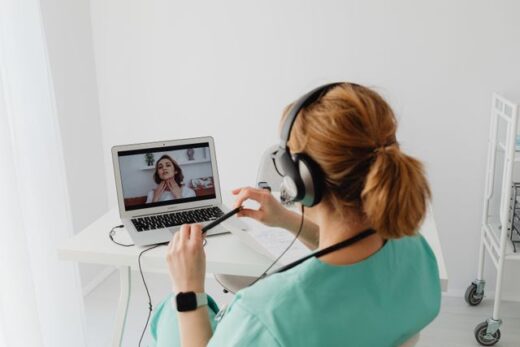

Extreme Heat and Human Physiology: How the Body Responds to a Warming World
Anshika Jain - October 13, 2026
Exposome and Urban Health: How Air, Noise, Chemicals and Lifestyle Interact
Anshika Jain - October 13, 2026
From Biomarkers to Biological Signatures: Comprehensive Measures of Human Health
Anshika Jain - October 14, 2026Remote Patient Monitoring: How Healthcare Is Extending Into the Home
Anshika Jain - October 14, 2026Extreme Heat and Human Physiology: How the Body Responds to a Warming World
Anshika Jain - October 13, 2026




.png)
Leave a Comment
You must be logged in to post a comment.