
From Reactive Medicine to Predictive Biology: Computational Transformation of Healthcare

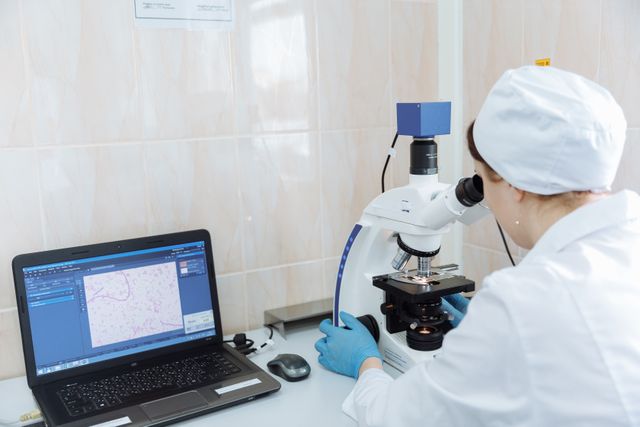
For much of modern medical history, healthcare has operated through a largely reactive model. Patients develop symptoms, consult clinicians, undergo diagnostic tests, and receive treatment after a disease or medical problem has become apparent. This approach has saved countless lives and remains essential for emergencies, infections, injuries, and many other conditions. However, it has limitations when diseases develop gradually, biological changes occur long before symptoms appear, or treatment effectiveness varies significantly between individuals.
Advances in computational biology, artificial intelligence, molecular diagnostics, and health data analysis are creating opportunities to move beyond this model. Researchers can now investigate biological processes at multiple levels, including genetic variation, gene expression, protein activity, metabolism, immune responses, and physiological changes. Computational systems help integrate these measurements, identify patterns, and estimate how biological systems may behave in the future.
This emerging approach is often described as predictive biology. Rather than focusing exclusively on the disease that exists today, predictive biology investigates the biological processes that may contribute to future health outcomes. It seeks to understand how disease develops, which individuals may be at increased risk, how a condition might progress, and which interventions could produce the most beneficial response.
The transformation is not simply about introducing artificial intelligence into hospitals. It represents a deeper change in how medicine interprets evidence and makes decisions. By combining biological knowledge with computational models, healthcare may become more proactive, personalized, and capable of identifying opportunities for intervention before serious disease develops. However, the reliability of this transformation depends on scientific validation, high-quality data, responsible implementation, and continued clinical judgment.
Understanding the Difference Between Reactive Medicine and Predictive Biology
Reactive medicine primarily responds to observable clinical problems. When a patient develops persistent symptoms, a clinician evaluates the available evidence, establishes a diagnosis, and determines an appropriate treatment plan. Diagnostic tests, medical imaging, laboratory measurements, and physical examinations help identify the condition and guide care. In many situations, this approach is highly effective because it directly addresses an existing medical problem.
The limitation appears when the biological processes responsible for disease begin long before symptoms become noticeable. Many chronic conditions develop through gradual changes in metabolism, inflammation, immune function, blood vessels, or cellular activity. By the time a patient experiences obvious symptoms, some of these processes may have progressed considerably.
Predictive biology attempts to identify meaningful changes earlier by analyzing information that may reveal elevated risk or emerging disease processes. Instead of relying on one symptom or isolated measurement, researchers can examine combinations of biomarkers, genetic information, medical history, environmental exposures, and longitudinal health data. Computational models can then estimate the likelihood of particular outcomes under defined conditions.
For example, a conventional clinical assessment may identify diabetes after blood glucose regulation has crossed a diagnostic threshold. A predictive approach may combine established risk factors, repeated glucose measurements, family history, and other relevant information to identify individuals who could benefit from earlier assessment and preventive support. Such predictions do not establish a diagnosis by themselves, but they may help clinicians determine when additional testing or intervention is appropriate.
The two approaches are not mutually exclusive. Reactive treatment remains indispensable, while predictive methods can complement it by helping identify risks, prioritize screening, and support earlier intervention. The goal is to build a healthcare system that can respond effectively to current illness while also recognizing opportunities to prevent future complications.
Computational Biology: The Foundation of Predictive Healthcare
Computational biology uses mathematical models, statistical methods, algorithms, and computing systems to understand biological processes. Modern biological research generates enormous volumes of information, from DNA sequences and molecular measurements to medical imaging and cellular observations. Computational methods make it possible to analyze these datasets and investigate relationships that would be difficult to identify through manual examination alone.
One important application is genomic analysis. Researchers can examine genetic variations associated with disease susceptibility, drug metabolism, or treatment response. Computational tools compare sequences, identify patterns, and help investigate how genetic differences may influence biological functions. However, genetic information must be interpreted carefully because many conditions arise from interactions among multiple genes, environmental factors, and lifestyle influences rather than from a single genetic variant.
Computational biology also supports the study of gene expression, proteins, metabolism, and cellular networks. These systems interact continuously, and changes in one pathway can influence others. By integrating different types of biological measurements, researchers can develop models that describe how a disease-related process may emerge or change over time.
Another important area is systems biology, which examines biological systems as interconnected networks rather than isolated components. A disease may involve several pathways operating simultaneously, making it difficult to understand through a single biomarker. Network-based models can help researchers investigate how these pathways interact and which components may have a significant influence on the overall process.
The combination of computational methods and biological experimentation is essential. Algorithms can identify possible relationships, but laboratory studies, clinical observations, and independent validation are needed to establish whether those relationships reflect meaningful biology. Computational biology therefore functions as a bridge between complex biological data and testable scientific explanations.
How Artificial Intelligence Is Changing Disease Prediction
Artificial intelligence is expanding the ability of healthcare researchers to identify patterns across large and complex datasets. Machine-learning models can analyze relationships among clinical measurements, genetic features, laboratory results, medical history, and other variables to estimate the probability of particular outcomes. These predictions may support screening decisions, risk assessment, and the identification of patients who need closer monitoring.
Traditional statistical models remain valuable, especially when relationships are well understood and the number of variables is manageable. Machine learning can be particularly useful when datasets contain many interacting features or complex patterns. Depending on the task, algorithms may identify combinations of measurements associated with disease progression, complications, or treatment response.
Medical imaging provides one example. AI systems can be trained to recognize patterns in radiological images that may indicate abnormalities or future risk. In other settings, models may examine electronic health records to identify patients who have an elevated probability of hospital readmission or clinical deterioration. Researchers are also investigating AI applications in genomics and molecular diagnostics, where algorithms can help interpret complex biological signals.
However, a model’s ability to make accurate predictions in a research dataset does not guarantee that it will work reliably in routine clinical practice. Differences in patient populations, data collection methods, disease prevalence, and healthcare settings can substantially affect performance. Models may also learn misleading correlations that do not represent causal relationships.
For predictive healthcare to be trustworthy, AI systems need independent testing, ongoing performance monitoring, and evaluation across relevant patient groups. Their predictions should be presented with appropriate uncertainty and used to support, rather than automatically replace, professional medical judgment.
Multi-Omics and the Search for Early Biological Signals
A major development in predictive biology is the integration of multiple omics technologies. Each omics field examines a different layer of biological activity, and combining them can provide a broader view of how the body functions.
Genomics examines DNA and genetic variation, while transcriptomics investigates RNA and patterns of gene expression. Proteomics measures proteins involved in cellular structure, communication, and regulation. Metabolomics examines small molecules that reflect metabolic processes. Epigenomics investigates molecular mechanisms that influence how genes are regulated without altering the underlying DNA sequence.
Each layer answers different questions. Genomic information can reveal inherited susceptibility, but it may not show whether a particular biological pathway is currently active. Gene expression can provide information about cellular activity, while protein and metabolite measurements may reveal downstream functional changes. When combined, these measurements can help researchers investigate how genetic susceptibility, cellular regulation, and environmental influences contribute to disease.
For instance, researchers studying metabolic disease may examine genetic factors, inflammatory markers, patterns of gene expression, and metabolites associated with energy regulation. An integrated model may reveal combinations of features that distinguish different disease trajectories or identify patients who could benefit from more detailed assessment.
Multi-omics analysis also creates substantial technical challenges. Different technologies produce data with different scales, error patterns, and levels of reliability. Biological measurements can vary with age, medication, diet, exercise, infection, and sample-handling conditions. Careful experimental design and statistical adjustment are therefore necessary to avoid interpreting temporary changes or technical noise as meaningful disease signals.
Although multi-omics research is still developing, it offers an important foundation for predictive biology because it helps connect different levels of biological function rather than treating them as independent sources of information.
Digital Twins: Simulating the Future of Human Biology
One of the more ambitious concepts in computational healthcare is the digital twin. In engineering, a digital twin is a computational representation of a physical system that can be updated using information about the real-world object. In healthcare research, the concept involves creating a model of a person’s relevant biological or physiological characteristics to investigate possible changes and responses to interventions.
A medical digital twin does not need to represent the entire human body. It may focus on a particular organ, a disease process, or a specific clinical question. For example, a model might simulate aspects of cardiovascular function using physiological measurements, imaging, and other patient-specific data. Another model might investigate how a tumour could respond to different treatment strategies based on its molecular characteristics.
The potential advantage is the ability to explore scenarios before making a clinical decision. Researchers may use computational models to investigate how changing a treatment dose, modifying a risk factor, or targeting a biological pathway could influence an outcome. Such simulations may help generate hypotheses and guide further testing.
However, a digital model is only as reliable as the evidence and assumptions underlying it. Human biology includes complex interactions that are not fully understood, and models may omit important factors. A simulation that produces a plausible result does not prove that the predicted outcome will occur in a real patient.
For this reason, many healthcare digital-twin applications remain research-oriented or limited to particular use cases. Their future value will depend on whether models can be repeatedly updated, independently validated, and shown to improve decisions compared with existing methods. The long-term ambition is not to replace clinical care with a virtual replica, but to develop better tools for understanding biological possibilities and uncertainty.
Predictive Biology and Personalized Treatment
Patients with the same diagnosis do not always respond to treatment in the same way. Differences in genetics, metabolism, immune activity, age, other medical conditions, and environmental exposures can influence how a therapy works. Predictive biology may help explain some of these differences and support more individualized treatment decisions.
Pharmacogenomics is an established example of using biological information to inform medication decisions. Genetic differences can affect how certain medicines are metabolized or how patients respond to them. For some drugs, validated genetic tests can help clinicians select a medication or dose that reduces the risk of adverse effects or improves the likelihood of benefit.
In cancer care, molecular profiling can identify particular alterations that may make a tumour more likely to respond to a targeted treatment. Other molecular characteristics may help estimate recurrence risk or provide information about disease behaviour. The usefulness of each test depends on the cancer type, the available treatments, and the strength of clinical evidence.
Predictive biology could extend this principle by combining molecular features with clinical history, laboratory results, and other relevant measurements. A computational model might estimate the probability of response to different interventions or identify factors associated with treatment resistance. Such models could help researchers investigate why a therapy works for one group of patients but not another.
Nevertheless, a predicted treatment response is not a guarantee. A model may identify a group-level association without accurately forecasting an individual’s outcome. Clinical decisions must consider the patient’s preferences, existing evidence, treatment risks, affordability, and alternative options. Predictive tools are most valuable when they provide actionable information that improves care beyond what established clinical methods can achieve.
Preventive Medicine and the Identification of Future Risk
Preventive medicine seeks to reduce the likelihood of disease or identify problems early enough to improve outcomes. Predictive biology may strengthen this approach by helping clinicians identify patterns associated with future health risks before a condition becomes clinically apparent.
Chronic diseases such as cardiovascular disease, type 2 diabetes, and some forms of kidney disease often develop over extended periods. Their progression may be influenced by multiple factors, including genetic susceptibility, nutrition, physical activity, sleep, medication use, and environmental conditions. Computational models can combine relevant information to estimate risk and identify individuals who may benefit from closer monitoring or preventive interventions.
Repeated measurements are particularly valuable because they reveal changes over time. A single reading provides information about one moment, while a series of measurements can help distinguish persistent trends from temporary fluctuations. When interpreted alongside established risk factors and clinical assessments, longitudinal data may support more timely intervention.
However, predictive healthcare must avoid turning every statistical risk into a medical problem. A model may identify an increased probability of disease without being able to determine whether or when that disease will develop. Overly sensitive screening can lead to unnecessary tests, anxiety, false-positive results, and treatments that provide little benefit.
The goal should therefore be proportionate prevention. Predictive information should help determine who needs further evaluation, which interventions are supported by evidence, and when monitoring is appropriate. It should not encourage unnecessary testing simply because technology can detect increasingly subtle biological variations.
The Role of Wearables and Continuous Health Data
Wearable devices and connected health technologies are creating new opportunities to observe physiological changes outside traditional clinical settings. Smartwatches, activity trackers, connected blood pressure monitors, and other devices can collect information about movement, heart rate, sleep patterns, and selected physiological indicators. When appropriate and reliable, these data may complement laboratory tests and clinical records.
Continuous or repeated measurements can reveal patterns that occasional appointments might miss. Changes in activity, resting heart rate, sleep, or other indicators may prompt further assessment when they occur alongside symptoms or established risk factors. Remote monitoring can also support patients who need regular observation as part of a clinician-supervised care plan.
Nevertheless, consumer wearables are not equivalent to medical diagnostic devices. Their accuracy varies by measurement and device, and readings can be affected by movement, sensor placement, skin characteristics, and other factors. A change in a wearable measurement may reflect ordinary variation rather than disease.
The interpretation of continuous data also raises questions about privacy and data overload. Healthcare professionals cannot reasonably act on every fluctuation, and excessive alerts may create unnecessary concern. Systems need clear criteria for determining which changes warrant clinical attention and which should be treated as routine variation.
Wearables are therefore most useful when their data address a specific clinical question and are interpreted within an appropriate care pathway. They can contribute to predictive biology, but they should not be treated as comprehensive measures of health or substitutes for medical evaluation.
Challenges: Data Quality, Bias, Privacy, and Clinical Trust
The computational transformation of healthcare depends on access to high-quality data. Biological measurements collected by different laboratories may not be directly comparable, while medical records can contain missing information, inconsistent terminology, and errors. If these limitations are not addressed, a predictive model may generate unreliable results even when its underlying algorithm is technically sophisticated.
Bias is another major concern. A model developed using data from a narrow population may not perform equally well across different ages, sexes, ethnic backgrounds, socioeconomic groups, or geographic regions. Unequal representation can lead to inaccurate risk estimates and reinforce existing healthcare disparities. Developers must evaluate performance across relevant populations and investigate differences rather than assuming that one model works equally well for everyone.
Privacy and data governance are equally important because biological and genomic information can reveal highly personal details. Healthcare organizations need appropriate consent procedures, secure storage, controlled access, and clear policies governing data use. Patients should understand how their information supports care or research and what protections are in place.
Interpretability also affects clinical trust. Healthcare professionals need to know what a model predicts, how reliable that prediction is, and which limitations may affect its use. A system that produces a risk score without adequate context may be difficult to apply safely. Clinicians must retain the ability to question a result, consider information that the model does not include, and make decisions in the patient’s best interests.
Finally, predictive tools must demonstrate clinical utility. A model can achieve impressive statistical performance without improving patient outcomes. Evidence should show whether its use leads to earlier diagnosis, more appropriate treatment, fewer complications, or other meaningful benefits compared with existing practice.
The Future of Computational Healthcare
The future of predictive biology will likely involve closer integration of molecular research, clinical medicine, computational modelling, and longitudinal health monitoring. Instead of relying on a single source of information, researchers may combine laboratory measurements, imaging, electronic health records, genetic data, and selected physiological observations to investigate disease risk and progression.
Computational models may become more specialized and better validated for particular clinical tasks. Advances in biological measurement could help identify previously unrecognized patterns, while improved algorithms may support more accurate interpretation of complex datasets. In some settings, these tools could help clinicians identify patients who need earlier assessment or determine which treatment options deserve closer consideration.
However, the transition will not happen simply by collecting more data or building larger AI models. It requires clinical evidence, transparent evaluation, collaboration between researchers and healthcare professionals, and safeguards that protect patients. Healthcare systems must also consider costs, staff training, workflow integration, and whether predictive technologies are accessible to communities that have historically received fewer healthcare resources.
The most meaningful progress will come from using computational tools to answer clearly defined clinical questions. A prediction that does not change a decision or improve an outcome has limited practical value. By focusing on validated applications, healthcare can use predictive biology to complement established medicine rather than replace proven diagnostic and treatment methods.
Conclusion: Building a More Predictive Model of Healthcare
The movement from reactive medicine to predictive biology represents a significant shift in how healthcare approaches disease. Traditional medicine remains essential for diagnosing and treating existing conditions, but computational methods offer new opportunities to investigate biological changes before they become clinically obvious.
Through computational biology, multi-omics analysis, artificial intelligence, digital modelling, and continuous monitoring, researchers can examine how biological systems interact and how those interactions may influence future health outcomes. These technologies may support earlier risk assessment, more personalized treatment, and better-informed preventive care.
Yet predictive capability must be distinguished from certainty. Biological systems are complex, data can be incomplete, and models may perform differently across populations. Every clinically important prediction requires appropriate validation, transparent communication, and careful consideration of potential harms.
The ultimate purpose of computational healthcare is not to predict every event in the human body. It is to improve the timing and quality of medical decisions. By combining biological insight with reliable computational methods and professional clinical judgment, healthcare can move toward a future in which disease is not only treated when it appears, but increasingly anticipated and managed before it causes preventable harm.
Online Internship with Certificate
You may be interested

Quantified Human: When Health Becomes a Stream of Biological Data
Anshika Jain - October 14, 2026Human health has traditionally been understood through occasional medical examinations, laboratory investigations, physical symptoms and consultations with healthcare professionals. A person might visit a doctor when experiencing…

Architecture of Human Resilience: How Genetics and Behaviour Interact
Anshika Jain - October 14, 2026Human resilience is often described as the ability to recover from adversity, adapt to challenges, and maintain health despite difficult circumstances. However, resilience is not simply a…

From Biomarkers to Biological Signatures: Comprehensive Measures of Human Health
Anshika Jain - October 14, 2026Modern medicine relies heavily on biomarkers to understand what is happening inside the human body. A blood glucose measurement can help identify problems with glucose regulation, cholesterol…
Most from this category

Virtual Wards: Could Digital Monitoring Reduce the Need for Traditional Hospitalization?
Anshika Jain - October 14, 2026

Extreme Heat and Human Physiology: How the Body Responds to a Warming World
Anshika Jain - October 13, 2026
Exposome and Urban Health: How Air, Noise, Chemicals and Lifestyle Interact
Anshika Jain - October 13, 2026
Virtual Wards: Could Digital Monitoring Reduce the Need for Traditional Hospitalization?
Anshika Jain - October 14, 2026Remote Patient Monitoring: How Healthcare Is Extending Into the Home
Anshika Jain - October 14, 2026Extreme Heat and Human Physiology: How the Body Responds to a Warming World
Anshika Jain - October 13, 2026




.png)
Leave a Comment
You must be logged in to post a comment.