
Accessibility-Aware Health AI: Self-Care Systems Adapt to Different Sensory Needs

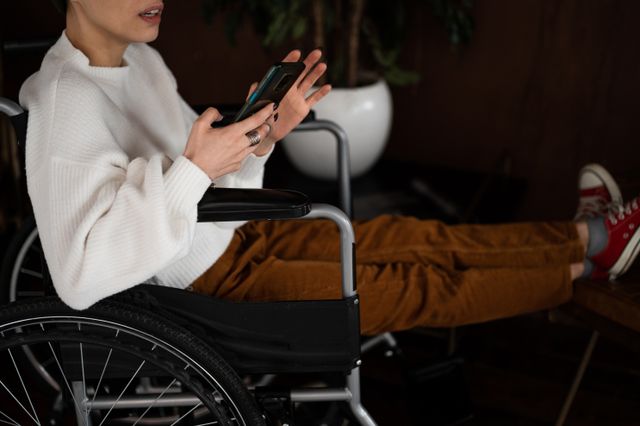
Artificial intelligence is increasingly influencing how people monitor their health, manage daily routines and make lifestyle decisions. Self-care applications can provide personalised suggestions about physical activity, nutrition, sleep, hydration and stress management. Wearable devices can track movement and physiological signals, while AI-powered assistants can analyse behavioural patterns to recommend possible improvements. However, many of these technologies are designed around assumptions about how people see, hear, move, communicate and interact with digital interfaces. These assumptions can unintentionally exclude individuals with disabilities, limited mobility or different sensory needs.
A fitness application that encourages users to walk a certain number of steps may not be suitable for someone who uses a wheelchair. A meditation application that relies entirely on spoken instructions may create difficulties for people with hearing impairments. Similarly, a health platform that uses small text, complex visual charts or colour-based alerts may be difficult to navigate for individuals with visual impairments or colour vision deficiencies. Even when an application offers valuable health information, its design may prevent some users from accessing or acting on that information.
This challenge highlights the importance of accessibility-aware health AI. It refers to intelligent healthcare and self-care systems designed to recognise different abilities, interaction preferences and accessibility requirements. Rather than expecting every individual to adapt to a standard health application, these systems aim to adapt their recommendations, interfaces and communication methods to the person using them.
Accessibility-aware AI is not simply about adding larger text or alternative interface settings. It involves rethinking how health recommendations are generated, how progress is measured and how individuals with different physical and sensory experiences are supported. The goal is to make digital self-care more inclusive, practical and respectful of individual autonomy.
Understanding Accessibility-Aware Health AI
Traditional self-care applications frequently rely on standardised measurements and interaction patterns. They may evaluate physical activity through walking distance, present information through visual dashboards and communicate reminders through sound or vibration. These features work well for some users but may create barriers for others.
Accessibility-aware health AI takes a broader approach. It considers whether a person can interact with a platform, understand its information and realistically follow its recommendations. This requires attention to both the digital interface and the health guidance itself.
For example, an accessible fitness assistant should not assume that physical activity always involves walking or running. It could support wheelchair-based movement, upper-body exercises, adapted strength training or other activities appropriate to an individual’s circumstances. Similarly, a nutrition application should provide information in formats that can be accessed through screen readers, adjustable text and simplified navigation.
The intelligence of such a system lies in its ability to understand that health goals can be achieved through different methods. It should not interpret differences in physical ability or sensory access as a lack of motivation or failure to follow instructions.
Accessibility-aware health AI therefore combines inclusive interface design, adaptive recommendation systems, assistive technologies and responsible personalisation.
Why Traditional Self-Care Systems Can Exclude People
Standardised Fitness Measurements
Many digital fitness platforms use steps, running distance, calories burned and workout duration as primary indicators of activity. Although these measurements can be useful, they do not represent every form of physical movement or physical effort.
For someone using a wheelchair, a step-count target may be irrelevant. A person with limited lower-body mobility may participate in regular upper-body exercise, adapted strength training or physiotherapy activities that are not accurately represented by conventional fitness metrics.
Similarly, individuals with chronic mobility limitations may experience fatigue or pain that affects how much activity they can perform on a particular day. A system that evaluates progress using rigid daily targets may incorrectly classify necessary adjustments as poor performance.
An accessibility-aware platform should recognise multiple forms of physical activity and allow individuals to define meaningful goals according to their abilities and circumstances.
Sensory Barriers in Digital Interfaces
Health applications frequently depend on visual and auditory communication. Charts, colour-coded warnings, spoken instructions and notification sounds are common interface elements. However, these communication methods are not equally accessible to everyone.
People with visual impairments may experience difficulties interpreting small text, low-contrast interfaces or visual-only information. Users with hearing impairments may miss spoken instructions, audio alerts or video-based educational content without captions.
Sensory accessibility also includes differences in how people respond to brightness, movement, sound and complex visual environments. Some individuals may find flashing animations, crowded interfaces or continuous notifications uncomfortable or distracting.
A well-designed system should provide multiple ways to access the same information. Visual alerts should have text alternatives, audio instructions should include captions or transcripts, and important information should not depend on colour alone.
Assumptions About Interaction and Independence
Some applications assume that users can easily hold a smartphone, perform precise touchscreen movements, type detailed information or navigate multiple menus. These expectations can create barriers for people with limited hand mobility, tremors, coordination difficulties or other physical limitations.
A person may understand a recommendation perfectly but still find it difficult to interact with the application that delivers it. Repeatedly entering health information or navigating complicated menus can turn a supposedly convenient service into an additional burden.
Accessibility-aware systems should support alternative interaction methods, including voice control, switch access, keyboard navigation and simplified touch controls. They should also reduce unnecessary steps when users need to complete routine tasks.
How AI Can Adapt Health Recommendations to Different Physical Abilities
Personalised Movement and Exercise Guidance
One of the most important applications of accessibility-aware health AI is the development of more inclusive exercise recommendations. Instead of relying on standard fitness targets, AI systems could consider the types of movement available to an individual and the goals they want to achieve.
For example, a person with limited lower-body mobility may prefer exercises that focus on upper-body strength, flexibility or wheelchair-based movement. Someone recovering from an injury may require a carefully adjusted activity routine that follows professional rehabilitation guidance.
An AI system could organise recommendations around user-defined abilities, available equipment and preferred movement methods. It could also track progress through measurements that are relevant to the selected activity rather than comparing everyone against the same walking or running targets.
However, the system must not independently prescribe rehabilitation exercises or assume that a particular movement is safe for every user with a similar disability. Medical conditions, pain, injury history and individual limitations can differ significantly. Recommendations involving rehabilitation or complex health needs should be developed or reviewed with appropriate healthcare professionals.
Understanding Fluctuating Mobility
Disability and mobility limitations are not always experienced in the same way every day. Some people have conditions that involve fluctuating symptoms, variable energy levels or periods of increased physical difficulty.
A rigid recommendation system may struggle with these variations. If an application expects users to complete the same activity every day, it may fail to account for changes in fatigue, pain or physical capacity.
Context-aware AI could make recommendations more flexible by considering user feedback and historical activity patterns. If someone reports reduced mobility on a particular day, the system could adjust the intensity of optional wellness activities rather than repeatedly displaying an unchanged target.
This approach should preserve user control. AI must not make assumptions about a person’s abilities based on a disability label or a limited set of measurements. Individuals should be able to explain their needs, modify goals and reject recommendations that do not reflect their current circumstances.
Measuring Progress Beyond Conventional Metrics
Accessible fitness systems should recognise that progress can take many forms. Improvements may involve greater comfort during daily activities, increased upper-body strength, better movement coordination or improved ability to complete personally meaningful tasks.
A platform could allow users to select goals that reflect their own priorities. It might then track relevant changes through self-reported activity, suitable wearable measurements or professionally defined indicators.
This would create a more inclusive understanding of physical progress. Instead of treating one particular type of movement as the universal standard, AI could help individuals evaluate changes that are meaningful within their own health and mobility context.
Adapting Health AI to Different Sensory Needs
Visual Accessibility and Screen Reader Compatibility
For people with visual impairments, access to health information depends heavily on interface structure and compatibility with assistive technologies. A health application may contain useful recommendations but remain difficult to use if buttons are not properly labelled or charts cannot be interpreted by screen readers.
Accessibility-aware AI platforms should support scalable text, sufficient contrast, clear navigation and descriptive labels. Graphical information should have text-based alternatives that explain the underlying measurements rather than simply displaying a visual chart.
For example, instead of presenting a sleep report only through a coloured graph, an application could provide a written summary describing sleep duration, estimated interruptions and changes compared with the user’s previous pattern.
AI may also support image descriptions or voice-based navigation, but these features must be tested carefully. Automatically generated descriptions should not replace accurate health explanations, particularly when interpreting medical images or clinically significant information.
Hearing Accessibility and Alternative Communication
People with hearing impairments may encounter difficulties when health platforms rely on audio-based instructions, spoken consultations or sound notifications. These barriers can reduce access to exercise guidance, educational content and health reminders.
An inclusive AI assistant should provide captions for video content, transcripts for audio information and text-based alternatives to spoken instructions. Important alerts should also be communicated visually or through other user-selected methods.
Real-time speech recognition and transcription can improve access to consultations and educational content. However, automated transcription systems may make errors, especially when speakers have different accents, speech patterns or use specialised medical terminology.
For important healthcare communication, users should be able to request clarification or access professionally verified information. Accessibility should never depend on assuming that automated speech recognition is always accurate.
Sensory-Friendly Interfaces
Some individuals experience difficulties with interfaces that contain excessive movement, flashing elements, bright backgrounds or continuous notification sounds. Sensory accessibility therefore involves more than providing alternative text or captions.
AI-enabled platforms could allow users to select simpler layouts, reduce animation, control notification intensity and choose preferred visual or audio settings. The system could also remember these preferences so that users do not have to configure the interface repeatedly.
However, it is important to distinguish between personalisation and automated assumptions. An AI system should not decide that someone needs a simplified interface based on an inferred disability. Users should remain in control of how information is presented.
Accessibility-Aware AI for Cognitive and Communication Differences
Accessibility also involves the way individuals process information and communicate. Some people may find lengthy instructions, complex terminology or rapidly changing interfaces difficult to manage. Others may prefer additional time, predictable navigation or alternative communication methods.
Self-care applications can become more inclusive by offering plain-language explanations, structured instructions and adjustable levels of detail. A user could choose a concise recommendation first and access a more detailed explanation when needed.
AI assistants may also support alternative communication formats, including text-based interaction, speech input and symbol-supported interfaces. These features can make it easier for individuals with different communication preferences to interact with health platforms.
However, simplified communication should not mean reducing the accuracy or completeness of important health information. Users should have access to full explanations whenever required, particularly when making decisions about treatment, medication or medical appointments.
The Role of Wearables and Assistive Technologies
Wearable technology can contribute to accessibility-aware self-care by collecting information through devices suited to different forms of movement and interaction. Traditional wrist-based activity trackers are not equally useful for everyone, and their measurements may be affected by device placement, movement patterns and the type of activity being performed.
More inclusive systems could support multiple sensor types and allow users to select devices that match their needs. Depending on the application, this might include wheelchair-compatible activity tracking, accessible smartwatches, adapted input devices or other assistive technologies.
AI could then interpret available information in the context of the selected device and activity. However, developers must validate these systems with the populations and movement patterns they are intended to support. A model trained mainly on data from people who walk may perform poorly when analysing wheelchair propulsion or other forms of movement.
Interoperability is another important consideration. Users should not be forced to abandon their preferred assistive devices simply because a health application does not support them. Accessible technology ecosystems should allow compatible tools to exchange relevant information through secure and standardised interfaces.
Building AI Models That Understand Disability Without Reinforcing Bias
A major challenge in accessibility-aware health AI is the quality and diversity of training data. If a model is developed primarily using information from people without disabilities, it may fail to recognise the health behaviours and activity patterns of people with different physical or sensory experiences.
For example, an exercise recommendation model trained on conventional gym activities may incorrectly classify adapted movement as insufficient exercise. A speech recognition system may perform less accurately for individuals with speech differences. An interface recommendation model may also fail to account for the requirements of screen reader users.
These problems can produce unequal outcomes even when developers do not intentionally exclude anyone.
Improving model fairness requires the participation of people with disabilities throughout the design, testing and evaluation process. Data collection should represent different movement patterns, sensory requirements, assistive technologies and communication preferences.
Developers must also avoid treating disability as a single category. People with the same diagnosis may have different abilities, preferences and accessibility requirements. AI systems should focus on the individual’s stated needs and observed context rather than relying on broad assumptions.
Privacy, Consent and Personalisation
Accessibility-aware health AI may require information about mobility, sensory preferences, assistive devices and other personal circumstances. Some of this information may be sensitive, making privacy and consent particularly important.
A platform should collect only the information necessary to provide its intended features. Users should understand why accessibility information is being requested and how it will influence recommendations or interface settings.
For example, a user may choose to indicate that they prefer text-based reminders without sharing additional medical information. Another individual may want wheelchair-compatible activity tracking but may not wish to disclose the reason for their mobility needs.
Providing accessibility preferences should not require users to surrender unnecessary medical details. Privacy-conscious design should allow individuals to share practical requirements without demanding more personal information than the service needs.
Users should also be able to change or remove preferences as their circumstances evolve. Accessibility is not always static, and health platforms should support ongoing user control.
Challenges in Developing Accessibility-Aware Health AI
Limited and Unequal Training Data
Developing reliable AI systems requires representative data. However, disability-related datasets may be limited, fragmented or collected using inconsistent methods. Some assistive technologies may also be underrepresented in research and commercial product testing.
This creates a risk that AI systems will perform well for common user groups but poorly for individuals whose experiences are less represented in the training data.
Addressing this problem requires responsible data collection, collaboration with disability organisations and transparent evaluation across different user groups. Developers must also avoid collecting sensitive information without a clear purpose and appropriate safeguards.
Accuracy and Clinical Safety
An accessibility feature can improve usability without necessarily making a health recommendation medically appropriate. An AI assistant may correctly identify a user’s preferred communication method but still provide unsuitable exercise guidance.
Systems must therefore evaluate accessibility and clinical safety as separate but connected requirements. Recommendations involving medical conditions, medication, rehabilitation or physical limitations should be developed with appropriate expertise and tested for potential harm.
Users should also be informed when AI-generated information is uncertain or when professional assessment is necessary.
The Cost of Inclusive Development
Designing accessible products requires additional research, testing and technical support. Developers may need to support different screen readers, assistive devices, input methods and interface configurations.
Although this can increase initial development effort, accessibility should be treated as a fundamental design requirement rather than an optional feature added after a product is completed. Building accessibility into the architecture from the beginning can reduce the need for expensive redesigns and make the platform useful to a broader population.
The Future of Inclusive and Adaptive Self-Care AI
The future of accessibility-aware health AI may involve systems that adapt not only their recommendations but also the way users interact with them. A single health assistant could provide spoken explanations, readable summaries, simplified interfaces and alternative activity recommendations according to individual preferences.
Such systems could also learn from user feedback without assuming that every behavioural difference represents a problem. If someone consistently chooses wheelchair-based exercise, the platform should understand that activity pattern as a valid form of movement rather than repeatedly encouraging conventional walking targets.
Another important development could involve collaboration between AI developers, healthcare professionals, accessibility specialists and people with disabilities. This would help ensure that products are evaluated according to real-world usability rather than technical compliance alone.
International accessibility standards, including the Web Content Accessibility Guidelines (WCAG), provide useful foundations for digital interface design. However, accessible health AI requires more than meeting interface standards. It must also ensure that the recommendations themselves are relevant, safe and achievable.
Ultimately, the most advanced system will not be the one that offers the greatest number of features. It will be the one that can support different individuals without forcing them into a standard model of health, movement or communication.
Conclusion
Accessibility-aware health AI represents an important step towards making digital self-care more inclusive. Traditional health applications often rely on standardised assumptions about physical activity, sensory interaction and communication. These assumptions can create barriers for people with disabilities, limited mobility and different sensory needs, even when the underlying health information is useful.
AI can help address these limitations by adapting exercise recommendations, supporting alternative communication methods, recognising different forms of movement and allowing individuals to personalise their digital experiences. However, meaningful accessibility requires more than automated adjustments. It depends on representative data, inclusive testing, privacy-conscious design, clinical safety and the active participation of people with disabilities.
The future of self-care technology should move away from expecting every individual to interact with health systems in the same way. Instead, digital platforms should recognise that health goals, abilities and communication preferences differ from person to person. Accessibility-aware AI can make this possible by adapting technology to human needs rather than expecting people to adapt themselves to technology.
Online Internship with Certificate
You may be interested

Food Substitution Equivalence: Can AI Find Plant-Based Alternatives
Anshika Jain - November 2, 2026The growing interest in plant-based eating has transformed how people think about nutrition, food production and everyday meal planning. Consumers are increasingly replacing animal-derived ingredients with plant-based…

Wellness Placebo Effect: AI Separate Genuine Habit Improvements
Anshika Jain - November 2, 2026Digital wellness applications have changed how people approach everyday health management. From fitness trackers and meditation platforms to nutrition planners and sleep-monitoring applications, these technologies encourage users…
Preventive Care Access Prediction: Convenience Prevent People From Seeking Care
Anshika Jain - November 2, 2026Preventive healthcare plays an essential role in identifying potential health problems before they become more complicated or difficult to manage. Routine health assessments, vaccinations, dental examinations, screening…
Most from this category



Mineral Bioaccessibility Forecasting: Which Minerals Become Available During Digestion
Anshika Jain - October 30, 2026

Mineral Bioaccessibility Forecasting: Which Minerals Become Available During Digestion
Anshika Jain - October 30, 2026

Wellness Placebo Effect: AI Separate Genuine Habit Improvements
November 2, 2026

Human-in-the-Loop Wellness AI: Self-Care Decisions
November 2, 2026
Personal Health Data Sovereignty: Self-Care AI Work
November 2, 2026 .png)
Leave a Comment
You must be logged in to post a comment.