


Decision Fatigue Nutrition: AI Detect When Mental Exhaustion Begins Changing Food Choices?
Anshika Jain - October 29, 2026Food choices are often described as the result of hunger, taste preferences, nutritional knowledge, and personal discipline. In reality, eating…

Immune Recovery Forecasting: AI Estimate How Lifestyle Changes Influence Recovery
Anshika Jain - October 29, 2026The human body constantly responds to physiological stress. Intense exercise, sleep deprivation, psychological pressure, infections, nutritional deficiencies, and demanding work…

Interoceptive Calibration: AI Study How People Perceive Their Own Bodily Signals?
Anshika Jain - October 28, 2026The human body continuously produces signals that reflect changes in its internal condition. Heartbeat, breathing, hunger, thirst, temperature, fullness, muscle…

Cross-Omics Causal Discovery: Can AI Connect Molecular Changes With Everyday Dietary Exposures?
Anshika Jain - October 28, 2026Everyday dietary choices influence the human body through biological processes that extend far beyond the nutrients listed on a food…
Metabolic State Reconstruction: Can AI Infer What the Body Is Doing Between Blood Tests?
Anshika Jain - October 27, 2026Blood tests provide important information about the body's internal condition, but they capture only a limited moment in a continuously…
Health Data Blind Spot: Medical AI Cannot Learn From Missing Biological Measurements
Anshika Jain - October 26, 2026Artificial intelligence is increasingly being used to analyse medical images, interpret clinical records, estimate disease risks, and support healthcare decisions.…

Science of Oral Processing: How Chewing, Saliva and Eating Speed Influence Digestion
Anshika Jain - October 20, 2026Eating is often treated as a simple process of consuming food to satisfy hunger and provide energy. However, digestion begins…
From Biomarkers to Biological Signatures: Comprehensive Measures of Human Health
Anshika Jain - October 14, 2026Modern medicine relies heavily on biomarkers to understand what is happening inside the human body. A blood glucose measurement can…

Regenerative Medicine and Aging: Can Tissue Repair Become a Longevity Strategy?
Anshika Jain - October 8, 2026Aging has traditionally been understood as an unavoidable biological process characterized by the gradual decline of cellular and organ function.…
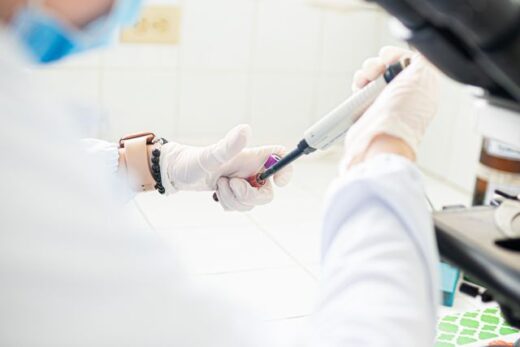
Lab-Grown Tissues: How Biotechnology Is Redefining the Boundaries of Medical Research
Anshika Jain - October 8, 2026Modern medicine has made extraordinary progress in diagnosing and treating disease, but one fundamental problem remains difficult: how to replace…
.png)