
Science of Medical Device Fatigue: People Stop Using Health Technologies

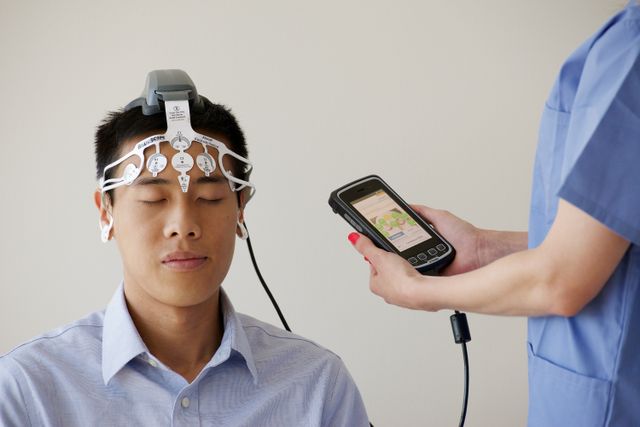
Medical device fatigue describes the gradual physical, cognitive or emotional exhaustion that can develop when people repeatedly interact with health technologies as part of their care. It is not a single formally established medical diagnosis. Rather, it is a useful way of understanding several overlapping experiences, including treatment burden, digital health fatigue, alarm fatigue, monitoring-related anxiety and declining technology adherence.
The phenomenon can affect people using both simple and advanced devices. A patient monitoring blood pressure at home may become tired of repeated measurements and manual data entry. Someone using a continuous glucose monitor may feel overwhelmed by frequent alerts and the need to interpret changing readings. A person recovering from a cardiovascular condition may initially appreciate a wearable health tracker but gradually become frustrated by charging requirements, synchronization problems and repeated requests to report daily activities.
Medical device fatigue is therefore not necessarily a rejection of healthcare or a lack of interest in improving health. It can reflect a mismatch between what a technology requires and what a person can realistically sustain. A device may be clinically useful while its daily operation remains demanding.
The Difference Between Medical Device Fatigue and Alarm Fatigue
Alarm fatigue is one of the best-known related concepts, particularly in hospitals and clinical environments. It occurs when healthcare professionals are exposed to frequent alarms, many of which may be non-actionable, repetitive or clinically insignificant. As alert volume increases, attention can decline and important warnings may become harder to distinguish from routine notifications.
Medical device fatigue has a wider scope because it includes the experience of patients and caregivers as well as healthcare professionals. It may involve alarms, but it can also develop without any warning sounds. Repeated measurements, data logging, device maintenance, uncomfortable wearables and complicated applications can create a burden even when a device rarely sends alerts.
For example, a person using a wearable cardiac monitor may not experience excessive alarms but may still become tired of wearing the sensor throughout the day. Similarly, someone using a digital blood pressure system may become frustrated by having to sit in a particular position, take repeated readings, record results and upload them to a healthcare platform. These experiences demonstrate that fatigue can emerge from the complete process of using a device rather than from one individual feature.
Why Beneficial Health Technologies Become Exhausting
Continuous Monitoring Can Make Illness Feel Constantly Present
One of the central reasons people disengage from medical technologies is the psychological effect of continuous health monitoring. Devices that track heart rate, blood glucose, blood pressure, sleep or physical activity can provide valuable information. However, they can also make people increasingly conscious of their health condition throughout the day.
For someone managing a chronic illness, a device may serve as a constant reminder that their health requires attention. A notification about an unusual reading can interrupt work, family activities, exercise or rest. Even when the reading is not medically significant, the person may feel compelled to investigate it.
Over time, this repeated attention can create health-related anxiety. Some users may begin checking their measurements more frequently than necessary, while others may avoid looking at the information because it has become emotionally uncomfortable. Both reactions can reduce the practical value of monitoring technology.
A 2025 study examining long-term lifestyle self-monitoring among people with heart disease reported that some participants experienced mental stress from repeated monitoring and notifications. The study also described concerns about unusual readings and the feeling that health-related reminders made illness too prominent in everyday life. These findings illustrate why monitoring systems need to consider psychological experience alongside measurement accuracy.
Repetitive Notifications Create Cognitive Overload
Medical devices and their associated applications often rely on notifications to encourage users to take measurements, review results, follow treatment schedules or respond to changes in their health indicators. Although reminders can support adherence, excessive notifications may gradually lose their effectiveness.
The human brain has limited attentional capacity. When a person receives repeated prompts throughout the day, each notification competes with other responsibilities and information. The user must decide whether the alert is important, whether action is required and whether the information deserves further attention. Repeating this process can become mentally exhausting.
The problem becomes more serious when notifications are poorly prioritised. A device that sends frequent low-priority reminders alongside genuinely important warnings may make it difficult for users to recognise which messages require immediate attention. Instead of improving engagement, the system may encourage users to dismiss notifications, disable alerts or ignore the application.
The same problem occurs in clinical environments. Healthcare professionals who receive repeated electronic alerts may become less responsive when warnings are frequent or irrelevant. A 2026 systematic review of alert fatigue measurement in clinical decision-support systems found considerable inconsistency in how alert fatigue is defined and measured. This highlights the need for better evaluation of alert quality and user response, rather than relying only on the number of alerts generated.
Device Maintenance Adds Hidden Work to Healthcare
A medical device may appear simple from a technical perspective but require considerable effort from the person using it. Wearables need charging, cleaning and sometimes replacement of sensors or adhesive patches. Monitoring devices may require calibration, positioning and regular connection to a smartphone. Some systems also require users to enter information manually or troubleshoot synchronization problems.
These activities create what can be described as hidden treatment work. The patient is not only following a healthcare recommendation but also managing a small technical system as part of daily life.
This burden becomes particularly noticeable when a person already has a demanding treatment routine. Someone managing diabetes, cardiovascular disease or a mobility condition may have medication schedules, medical appointments, dietary requirements and physical rehabilitation activities. Adding multiple digital tools can increase the amount of time and attention required to manage care.
A 2025 mixed-methods study of long-term self-monitoring in people with heart disease identified repeated reporting, usability difficulties, technical problems and limited perceived usefulness among the reasons associated with discontinuation. The findings suggest that even a system capable of collecting valuable health information may become difficult to sustain when it requires too much effort.
The Science Behind Declining Motivation
The Gap Between Immediate Effort and Delayed Benefits
Many medical technologies require consistent effort before their benefits become visible. A blood pressure monitor may help identify patterns over several weeks, while a rehabilitation tracker may support gradual improvements in movement. A wearable activity monitor may provide useful feedback, but changes in long-term health may take months to become noticeable.
This creates a motivational challenge. The user experiences the effort of operating the device immediately, while the benefits may be delayed, uncertain or difficult to connect directly to the technology. If the system repeatedly asks for attention without showing meaningful progress, the perceived value of continued use may decline.
Behavioural science helps explain this problem through the relationship between effort, reward, motivation and habit formation. People are more likely to maintain an activity when it fits naturally into their routines and provides feedback they consider useful. When the effort becomes greater than the perceived benefit, engagement can weaken.
This does not mean that users need constant rewards or entertainment from medical devices. Rather, the technology should demonstrate why its information matters and how it supports the person’s care. Feedback should be understandable, relevant and connected to realistic health goals.
Decision Fatigue and Repeated Self-Management
Decision fatigue refers to the possibility that repeated decisions can make subsequent decision-making more difficult. Medical device use can involve many small decisions, including when to take measurements, whether to respond to a notification, how to interpret a reading and whether to share information with a healthcare professional.
Individually, these decisions may seem minor. However, when they are repeated every day, they can add to the cognitive demands of managing a health condition. A patient may begin to feel that healthcare has become a continuous administrative responsibility rather than a manageable part of life.
This is particularly relevant to technologies that require frequent manual interaction. Systems that collect data automatically may reduce some of this burden, although passive monitoring introduces its own concerns, including privacy, device comfort and uncertainty about how information is being used.
How Different Medical Devices Produce Different Forms of Fatigue
Continuous Glucose Monitoring Systems
Continuous glucose monitoring systems help people with diabetes observe glucose trends and identify changes throughout the day. Their benefits include improved visibility into glucose patterns and support for treatment decisions. However, repeated alerts about high or low readings, sensor replacement, adhesive discomfort and the need to interpret changing values can create additional demands.
For some users, frequent notifications may increase anxiety, particularly when readings fluctuate during exercise, sleep or meals. Others may experience frustration when sensor readings appear inconsistent with symptoms or other measurements. The challenge is not simply to reduce notifications but to ensure that alerts are clinically appropriate, understandable and relevant to the individual.
Wearable Cardiac Monitoring Devices
Wearable cardiac devices can record heart rate, rhythm-related information and activity patterns. They may support clinical monitoring and help patients understand changes in their cardiovascular health. Nevertheless, continuous attention to heart-related measurements can make some users more sensitive to ordinary bodily sensations.
A minor fluctuation may lead to repeated checking or unnecessary concern, while an uncomfortable device can interfere with sleep, exercise or everyday activities. Technical problems and uncertainty about the meaning of readings may further weaken trust.
A 2024 scoping review of patient experiences with wearable technology found generally positive findings for satisfaction and usability, but also identified mixed evidence concerning comfort. The authors highlighted the need for more longitudinal research to understand how patient experience changes during extended use.
Blood Pressure and Home Monitoring Devices
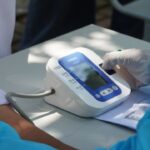
Home blood pressure monitors can help patients and clinicians understand blood pressure patterns outside medical appointments. However, measurement routines can become inconvenient when users are expected to take readings at specific times, repeat measurements and record results consistently.
Uncertainty about correct positioning, cuff placement and measurement technique can also create frustration. If readings vary, users may repeatedly measure their blood pressure in an attempt to obtain reassurance. This can make monitoring more stressful than helpful.
Fitness and Rehabilitation Wearables
Fitness trackers and rehabilitation devices can encourage physical activity, support recovery and provide feedback on movement. However, users may become discouraged when devices repeatedly highlight missed goals or fail to recognise certain activities accurately. A person recovering from an injury may also feel frustrated if a tracker measures steps but does not adequately represent improvements in balance, strength or confidence.
Research on wearable activity trackers has identified several reasons for discontinuation, including technical problems, lack of perceived usefulness, difficulty understanding the device and dislike of the user experience. These findings indicate that long-term use depends on more than initial interest in the technology.
How Researchers Can Measure Medical Device Fatigue
Understanding medical device fatigue requires researchers to examine how device use changes over time. Initial satisfaction surveys are not sufficient because a person may find a technology convenient during the first week but experience increasing frustration after several months.
Longitudinal research can help identify changes in usage frequency, notification response, data entry, device wear time and application engagement. These behavioural measurements can be compared with interviews and patient-reported experiences to understand why people continue, reduce or stop using a device.
Researchers can also investigate the relationship between device demands and daily routines. For example, they may examine whether charging frequency, manual reporting time, discomfort or the number of daily notifications predicts declining engagement. These measures should be interpreted carefully because reduced usage does not always indicate fatigue. A patient may stop using a device because treatment is complete, a clinician has changed the monitoring plan or the technology is no longer needed.
A comprehensive assessment should therefore distinguish between appropriate discontinuation, temporary interruption, technical failure and unwanted disengagement. Without this distinction, healthcare organisations may incorrectly interpret every reduction in device use as a failure of patient motivation.
Designing Medical Technologies That Reduce Fatigue
Prioritising Important Alerts
Medical devices should distinguish between urgent warnings, routine information and optional reminders. Alert systems need to consider the clinical importance of a measurement, the user’s treatment plan and the appropriate response. Reducing unnecessary notifications can help preserve attention for situations that genuinely require action.
Personalisation is also important. Two people using the same type of device may have different clinical needs, routines and preferences. Allowing appropriate control over notification timing and frequency can make a monitoring system easier to maintain without compromising essential safety alerts.
Reducing Manual Interaction
Automated data collection can reduce the amount of information users need to enter themselves. Devices that synchronise reliably and transfer measurements securely to relevant healthcare platforms can remove repetitive administrative work. However, automation should not eliminate the user’s ability to understand and review their information.
The objective is to make routine monitoring less demanding while preserving transparency and meaningful patient involvement. A system should not require users to repeatedly perform tasks that technology can reliably handle.
Providing Meaningful and Understandable Feedback
Health information should be presented in a way that helps people understand what matters. A dashboard filled with unexplained numbers, graphs and changing indicators can create confusion rather than confidence. Medical technologies should explain relevant trends, clarify when action is necessary and avoid presenting ordinary variations as alarming events.
Feedback should also recognise progress beyond numerical targets. In rehabilitation, for example, improved movement quality or greater independence may be more meaningful than a simple activity count. In chronic disease management, consistent participation and improved understanding may be valuable outcomes even when measurements do not change immediately.
Integrating Technology Into Existing Care Routines
A medical device is more sustainable when it fits into a person’s daily life. Designers should consider when users are likely to be available, how the device interacts with existing treatment schedules and whether it can be used comfortably at home, work or during travel.
Healthcare professionals also play an important role. Patients need guidance about what a device measures, how to interpret its results and when they should contact a clinician. Without this support, users may be left to manage technical and clinical uncertainty on their own.
The Role of Artificial Intelligence in Preventing Device Fatigue
Artificial intelligence could help medical technologies become more responsive to individual needs. Instead of sending the same reminders to every user, an AI-supported system could analyse engagement patterns, preferred routines and previous responses to identify when notifications are most useful. It might also distinguish between routine variations and patterns that deserve clinical attention, subject to appropriate validation and safety controls.
AI could also support adaptive monitoring. A system might identify that a user consistently completes measurements in the evening rather than the morning and offer a clinically appropriate schedule adjustment for review. In rehabilitation, it could provide feedback based on movement progress rather than repeatedly presenting generic activity targets. Such personalisation may reduce unnecessary interactions and make device use more relevant.
Another potential application is early identification of disengagement. Changes in device wear time, missed measurements, repeated alert dismissals or declining application activity may indicate that a person is experiencing difficulty. However, these patterns do not prove fatigue. A user may be travelling, recovering, changing treatment or simply no longer require the device. AI systems should therefore identify possible engagement problems and support communication rather than automatically label patients as non-adherent.
Ethical and Clinical Considerations
Reducing medical device fatigue should not mean removing necessary monitoring or weakening patient safety. Some alerts are essential, and certain treatment routines cannot be simplified without clinical consequences. Device designers must balance convenience with the need to identify important changes in a person’s health.
Privacy is another major concern. Monitoring systems collect sensitive information about health, movement, sleep and daily behaviour. AI-based personalisation may require analysis of these data, making clear consent, secure storage, controlled access and transparent data use essential.
Healthcare providers should also avoid blaming patients when they discontinue technology. Fatigue may reflect poor design, limited accessibility, financial barriers, discomfort or insufficient support. It may also be influenced by disability, language, digital literacy and competing responsibilities. A patient-centred approach treats disengagement as information about the relationship between the person, the device and the care system.
Conclusion
The science of medical device fatigue highlights an important challenge in modern healthcare: a technology can be clinically beneficial without being easy to use consistently. Repeated notifications, continuous monitoring, technical maintenance, manual reporting, discomfort and unclear feedback can gradually turn health-supporting devices into additional sources of work and stress.
Long-term engagement depends on more than accuracy and advanced features. Medical technologies must fit into everyday routines, communicate clearly, minimise unnecessary demands and provide information that users consider meaningful. Longitudinal research is essential to understand how experiences change over time and to distinguish genuine fatigue from technical problems or appropriate discontinuation.
Artificial intelligence may help create more adaptive monitoring systems, but it must be combined with sound clinical judgement, privacy protections and meaningful patient involvement. Ultimately, the most successful medical device will not simply be one that collects the greatest amount of data. It will be one that delivers useful health information while respecting the time, attention, comfort and emotional capacity of the person using it.
Online Internship with Certificate
You may be interested
Gut Virome Intelligence: Infect Bacteria Influence the Human Gut Ecosystem
Anshika Jain - November 6, 2026The human gut is home to a complex ecosystem containing bacteria, fungi, archaea and viruses. While gut bacteria have received considerable attention in research on digestion, immunity…
Human–Environment Health Interaction Maps: AI Connect Indoor Lighting
Anshika Jain - November 6, 2026Human health is influenced not only by genetics, nutrition, physical activity and medical care but also by the environments in which people spend their everyday lives. Homes,…
AI Predict Which Preventive Health Interventions Will Remain Effective
Anshika Jain - November 6, 2026Preventive healthcare traditionally focuses on identifying risk factors and recommending interventions that can reduce the likelihood of disease. However, a life-course approach recognises that health is shaped…
Most from this category

AI Model How Food Packaging Chemicals Migrate Into Different Types of Food
Anshika Jain - November 6, 2026
Biological Tissue Aging Maps: AI Distinguish Functional Aging From Changes in Appearance
Anshika Jain - November 6, 2026
Retinal Microvascular Intelligence: Early Signs of Changes Beyond Eye Health
Anshika Jain - November 5, 2026
Hair Follicle Biology AI: Machine Learning Distinguish Nutritional Factors
Anshika Jain - November 5, 2026
AI Model How Food Packaging Chemicals Migrate Into Different Types of Food
Anshika Jain - November 6, 2026Biological Tissue Aging Maps: AI Distinguish Functional Aging From Changes in Appearance
Anshika Jain - November 6, 2026Retinal Microvascular Intelligence: Early Signs of Changes Beyond Eye Health
Anshika Jain - November 5, 2026


.png)
Leave a Comment
You must be logged in to post a comment.